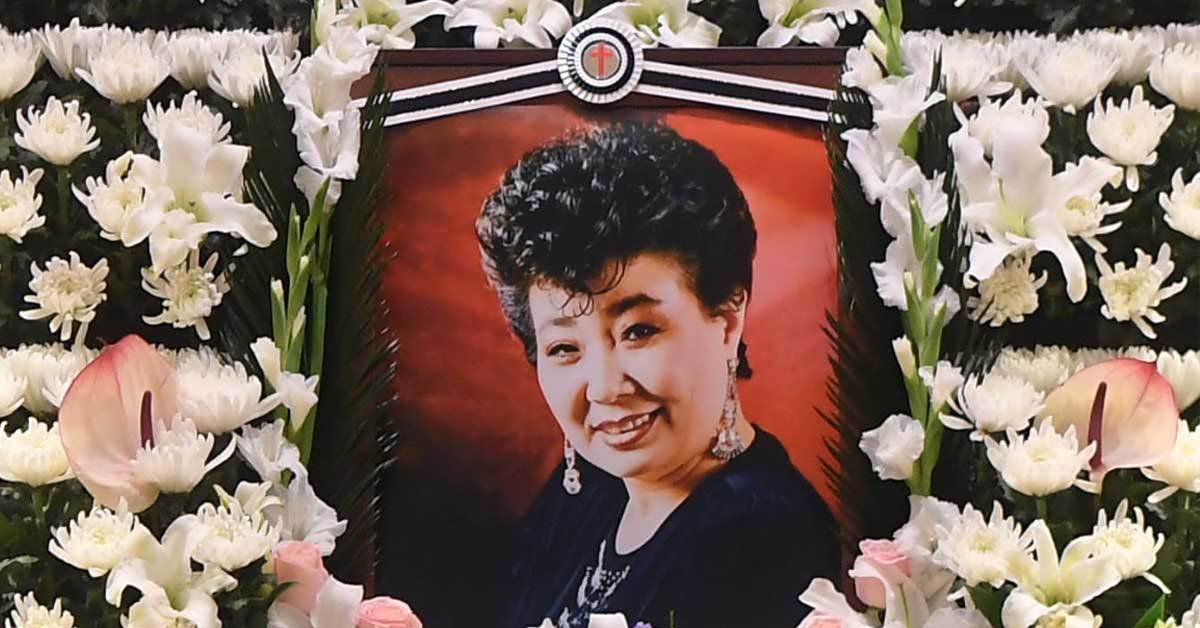
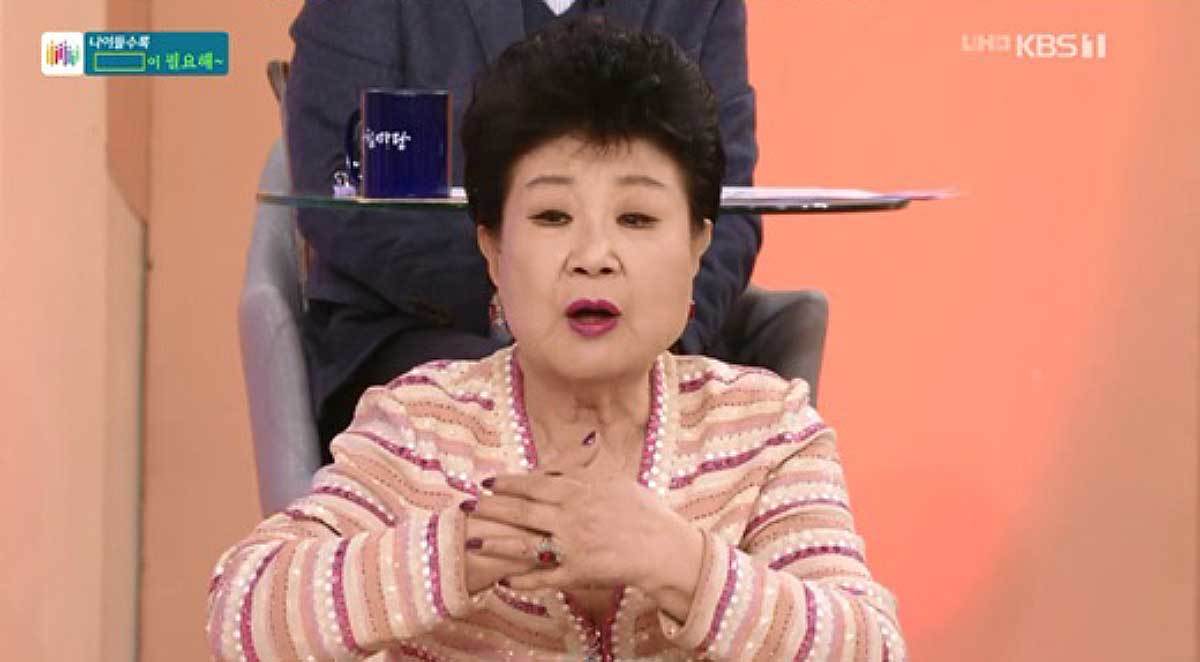
Lines the late Hyun‑mi spoke while alive have recently resonated with many. On a 2020 episode of KBS 1TV's Morning Yard, during the \"Live Talk: If It Were Me\" segment, Hyun‑mi joined Jeon Won‑ju, Bae Young‑man, Bae Kang‑min, Poppin Hyunjun, Park Ae‑ri, Han Ki‑beom, Choi Si‑joong and Kim Hong‑shin to discuss the theme \"As you get older, you need ○○,\" and she spoke candidly about life.
That day Hyun‑mi looked around the other guests and said, \"Sitting here like this, everyone on the show feels like my sons and daughters.\" She asked, \"What matters in life?\" and answered: be considerate of one another, honor and care for your parents, treat your husband well, and always protect your children. She added, \"I will be 84 this year. Looking back on my life, I have many regrets. Let's all stay healthy and happy.\" She closed with, \"I don't dwell on yesterday; I live in the present. Everyone has good and bad times, but forget them and stay courageous and healthy.\"
For a beloved performer who spent decades onstage to admit she carried regrets was not a throwaway line. Yet her refusal to be defined by those regrets—and her determination to live in the present—was a perspective only a long life can yield. We examine why Hyun‑mi's remarks from that broadcast continue to circulate and what they reveal.
3rd. In the end, what endures is people
Hyun‑mi's lesson after 84 years wasn't about money or fame but about people: showing consideration, honoring parents, and protecting one’s children. Those are simple prescriptions, but they carry profound weight. Australian palliative‑care nurse Bronnie Ware spent years at the bedsides of dying patients and recorded their final reflections, which she compiled in If I Had Lived the Life I Wanted (People Tree, 2013).
Ware found the most common regret was living to meet others' expectations; the second was working too hard; the third was lacking the courage to express true feelings. Not one of her subjects said they wished they'd worked or earned more. At the end, what matters is not how much you made but who you shared your life with and how you treated them.
2nd. Regret visits the successful, too
Hyun‑mi lived her life onstage. She first drew notice in 1962 with \"Night Mist\" and followed with hits like \"My Love\" and \"Leave Without a Word,\" earning the title of a national singer. Even so, she said, \"Looking back on my life, I have many regrets.\" Her point was that even a celebrated life leaves undone things you wish you'd done and relationships you wish you'd tended differently.
Thomas Gilovich, a psychology professor at Cornell University, reported in a 1994 paper in the Journal of Personality and Social Psychology that as people age they tend to regret inaction more than action. Younger people often regret what they did; older people more often regret what they never tried. Whether a life was dazzling or ordinary, no one is exempt from that ache.
1st. To live today, don't linger in the past
Regrets are inevitable. But the longer you cling to them, the less present you become. When Hyun‑mi said, \"I don't dwell on yesterday; I live in the present,\" she wasn't dismissing the past—she meant she would not let regret keep her from living now.
Matthew Killingsworth and colleagues at Harvard published a 2010 paper in Science, \"A Wandering Mind Is an Unhappy Mind,\" showing that the more people's thoughts drift away from the present, the less satisfied they feel. Time spent ruminating on what has passed or worrying about what may come steals from the moment at hand.
When Hyun‑mi urged everyone to \"forget them and stay courageous and healthy,\" she was echoing that insight. After 84 years, she had learned to let go.
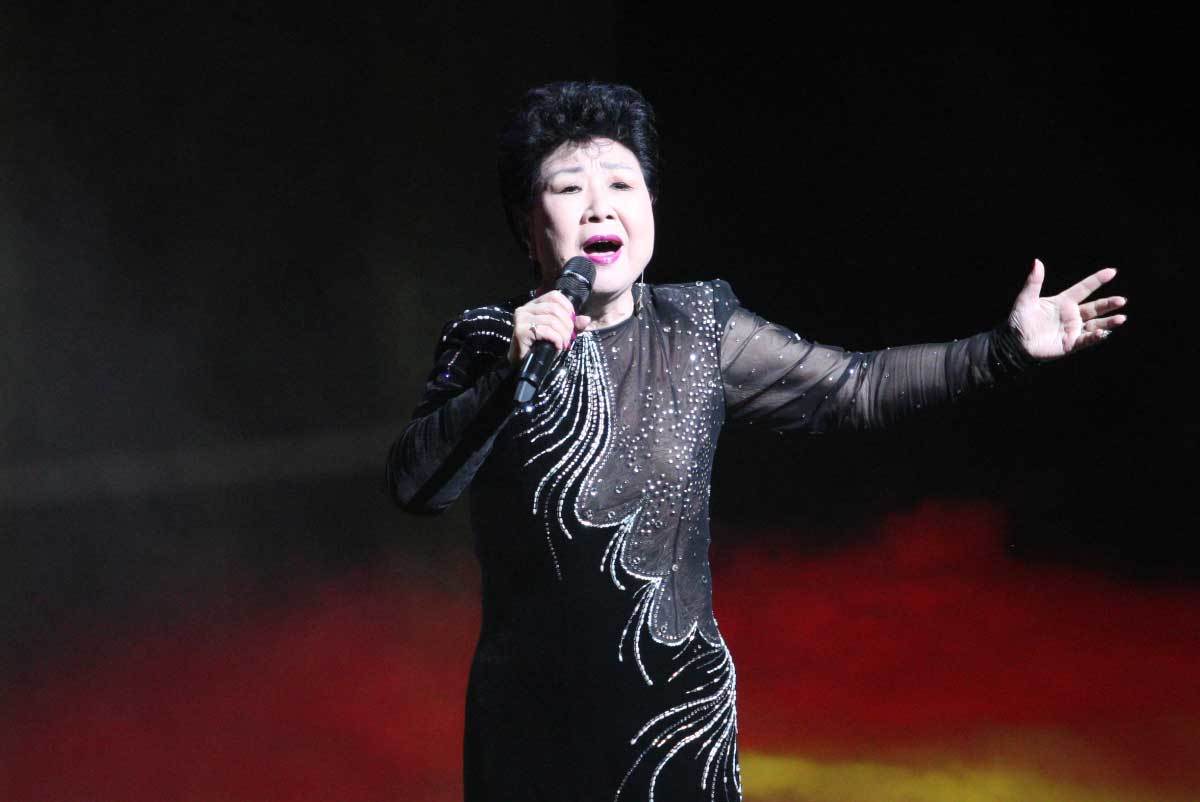
Born in 1938 in Gangdong County, South Pyongan Province, Hyun‑mi spent her childhood in Pyongyang and moved south during the 6·25 War's 1·4 retreat. Amid the turmoil she pursued music, beginning with U.S. Eighth Army morale shows in 1957. Her 1962 release \"Night Mist\" brought explosive popularity, and she went on to record many hits—\"My Love,\" \"Leave Without a Word,\" \"Longing Face,\" \"I Just Loved You Recklessly,\" \"Lover,\" \"All My Love,\" \"Wind,\" and \"If You Ask Why I Live\"—solidifying her place as a national singer.
Hyun‑mi's children include sons Lee Young‑gon and Lee Young‑joon, from her marriage to the late composer Lee Bong‑jo. Her eldest son, Lee Young‑gon, performed under the stage name Goni. Her younger son, Lee Young‑joon, is reported to work in real estate in the United States and is married to singer Won Jun‑hee. Singer No Sa‑yeon is Hyun‑mi's niece.
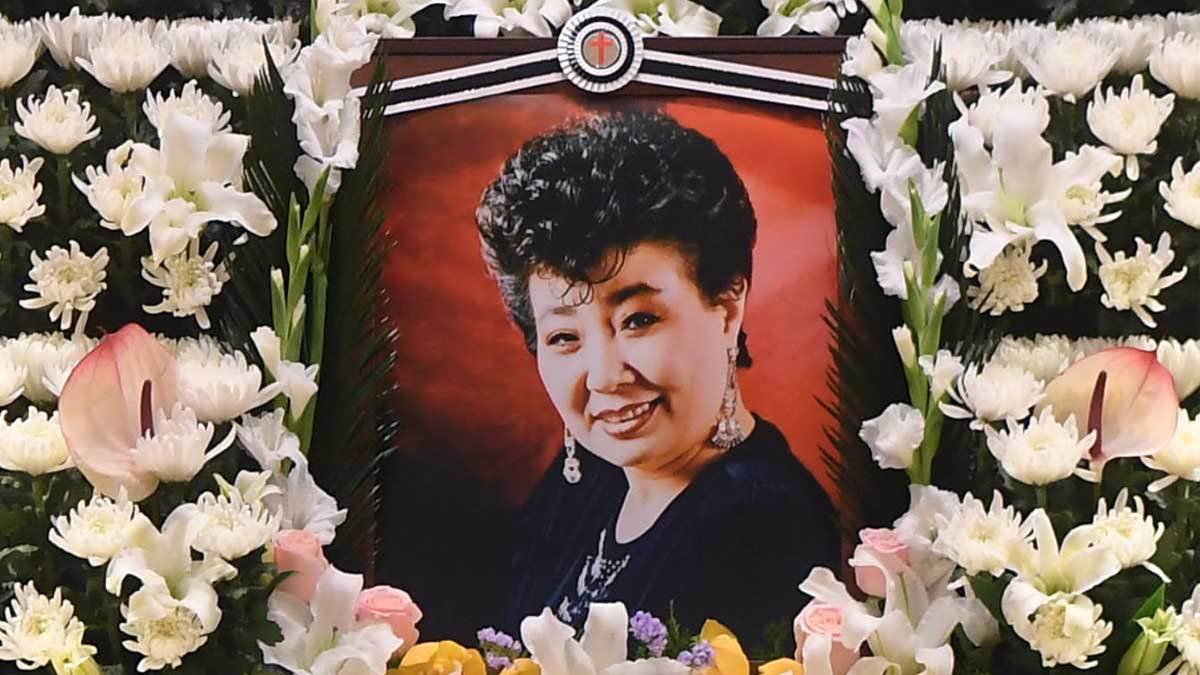
The late Hyun‑mi (born Kim Myung‑sun) collapsed at her home in Ichon‑dong, Yongsan District, Seoul, at around 9:47 a.m. on April 4, 2023. Her fan‑club president called the police; she was taken to a nearby hospital and was pronounced dead. She was 85. On April 4 of this year, people marked the third anniversary of her passing. Even three years on, the performer—always brave onstage and before the camera—lives on in many people's memories through the words she left behind.