[iNews24 reporter Seo Hyobin] As artificial intelligence increasingly serves as the operational "brain" for military missions, data centers have risen as strategic national assets. Industry officials warn that South Korea’s domestic data centers currently sit in a security blind spot and require stronger national-level protection.
Data centers excluded from national critical infrastructure… gap in military and police protection
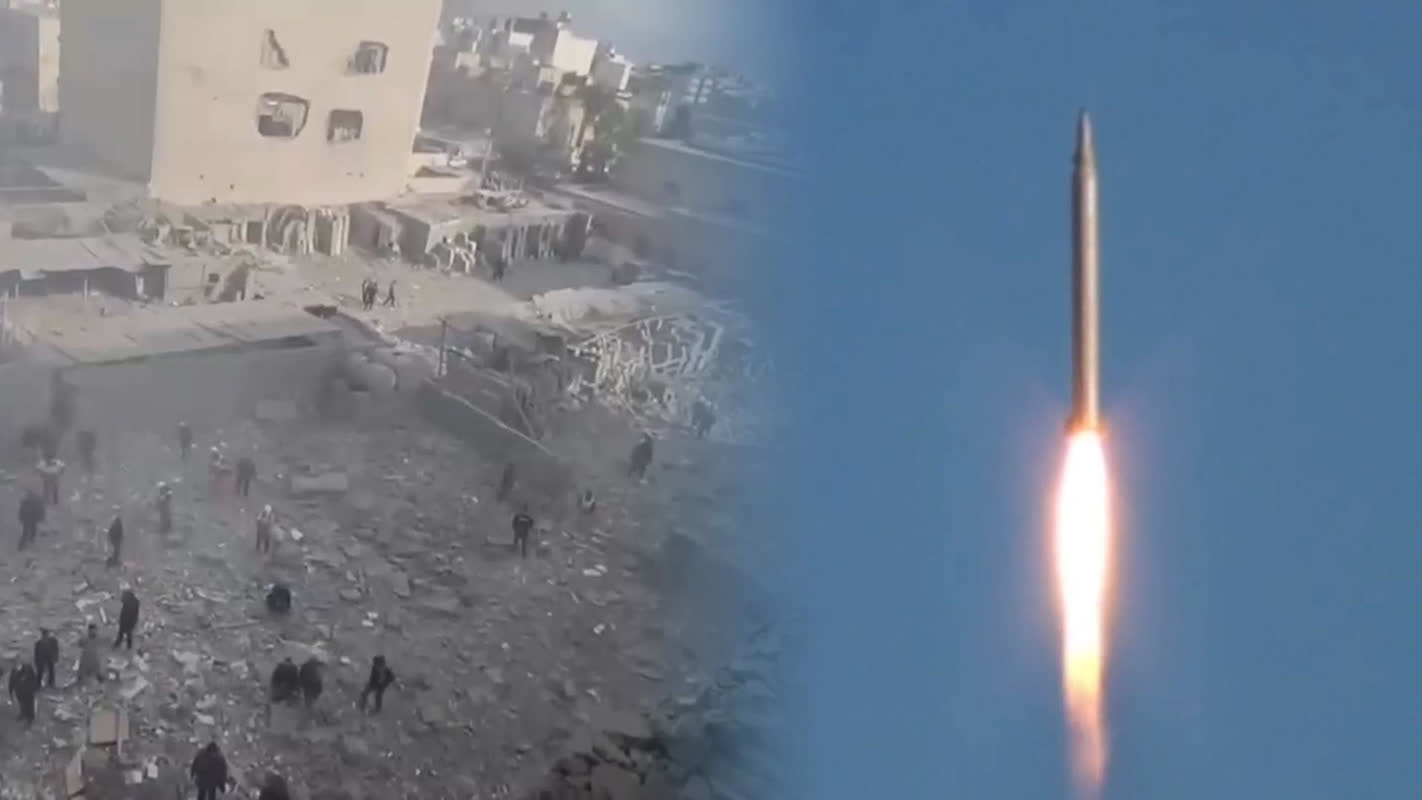
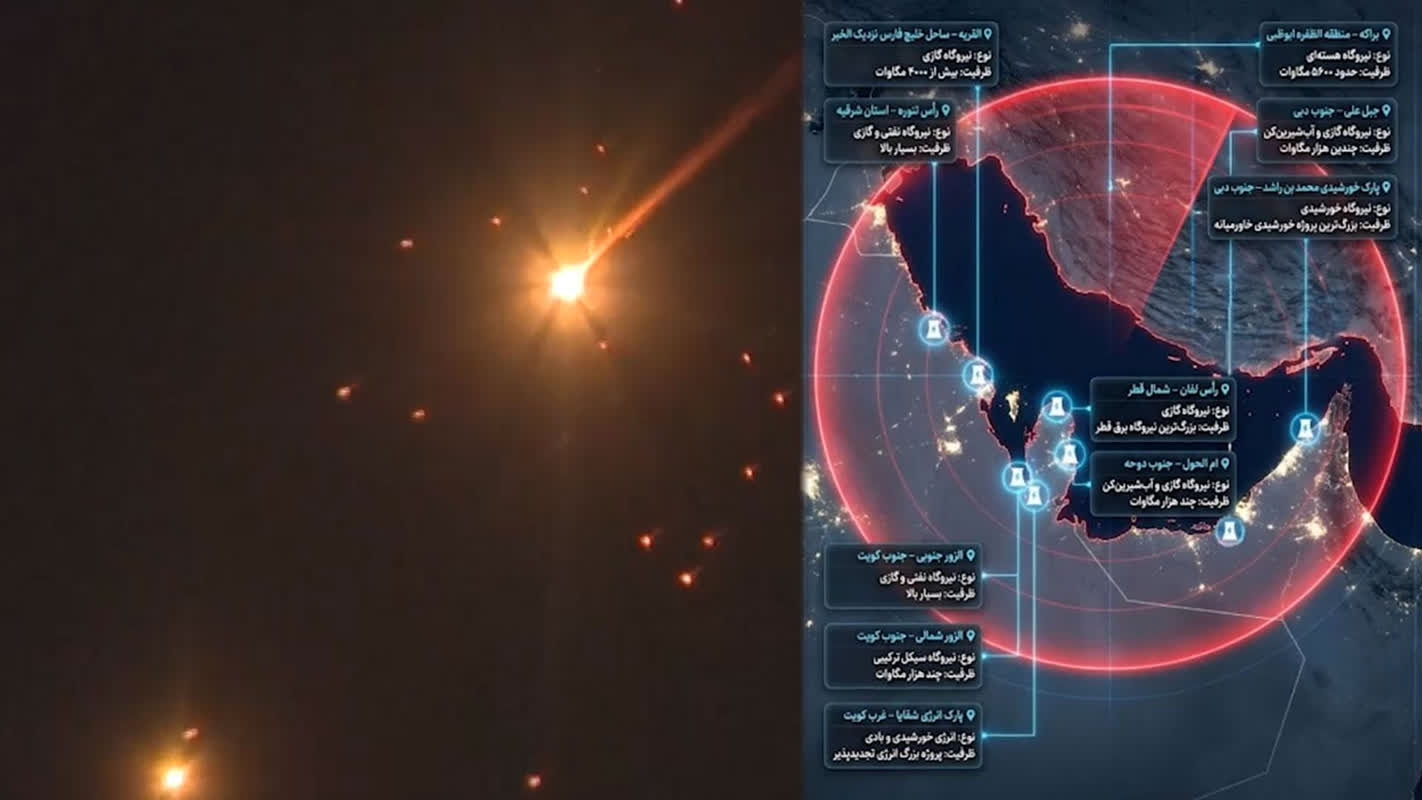
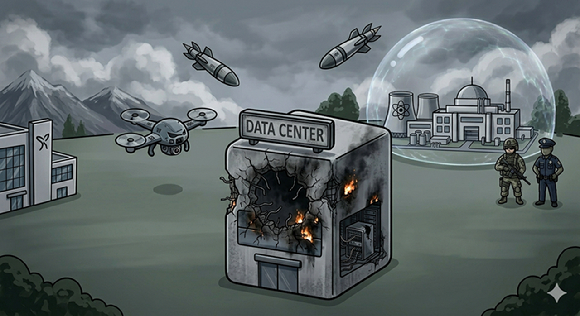
Industry sources told iNews24 on the 2nd that data centers are likely targets during wartime or terrorist attacks and therefore should be integrated into the national security framework. One official pointed to the Middle East conflict, noting that attacks on Amazon Web Services (AWS) facilities reportedly linked to Iran demonstrate data centers can face real physical threats. He argued South Korea needs national contingency planning for data centers.
iNews24’s review of the country’s security framework found that data centers do not currently receive military or police protection. They are not designated as "national critical infrastructure" under the Integrated Defense Act — the classification that makes facilities eligible for defense by military and police forces because they are essential to maintaining state functions and national security during emergencies.
If data centers were designated as national critical infrastructure, operators would be required to develop site-specific protection plans, and police and military units would be tasked with creating and executing protection-support plans for those sites.
Data centers are also not listed as national core infrastructure under the Framework Act on the Management of Disasters and Safety. That designation applies to facilities essential for sustaining government functions during disasters and subjects them to mandatory disaster-response planning, government inspection, and prioritized recovery efforts.
A telecommunications industry official noted that major carrier switching centers and other key telecom sites are classified as national core infrastructure, which enables rapid disaster response. Data centers, by contrast, lack that status. Given their role in national operations and services, he said, data centers should be included.
Following the 2022 Ahyeon branch fire, the government reclassified data centers as "value-added telecommunications services and concentrated information and communications facilities," assigning disaster-management obligations to major carriers. Industry critics say that policy emphasizes redundancy and recovery but falls short on security measures. A Ministry of Science and ICT official told iNews24 that the current approach treats threats as natural disasters — floods, for example — rather than security incidents such as drone attacks.
Prime wartime target… data centers require a national security response
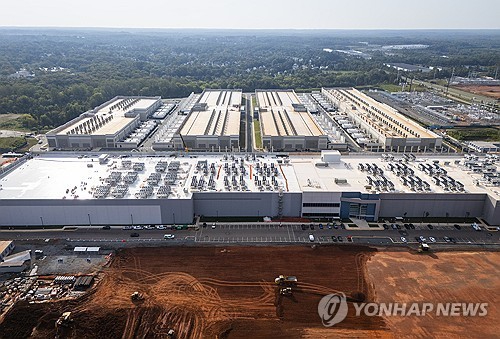
Abroad, governments are increasingly redefining data centers as security assets rather than purely private infrastructure. In 2024, the U.S. moved to manage digital infrastructure protection — including data centers — as a national security priority, building on a framework that designates 16 sectors such as information technology and telecommunications as critical infrastructure. The U.K. has likewise designated data centers as critical national infrastructure and shifted policy so the state assumes part of the defense burden that had fallen entirely on private operators.
Experts warn that data centers that concentrate AI computing resources can be vulnerable to a single attack that cripples entire systems, making national-level management urgent. Lee Sang-geun, a professor at Korea University’s Graduate School of Information Security, said AI workloads require large-scale computing, which concentrates GPUs and data in one place. "That creates a structure where a single attack could disable the entire system," he said. "We need to manage them at the national security level."
Military analyst Yang Uk added, "From a national security standpoint, data centers could be primary targets. Their protection matters not only in wartime but also during peacetime."