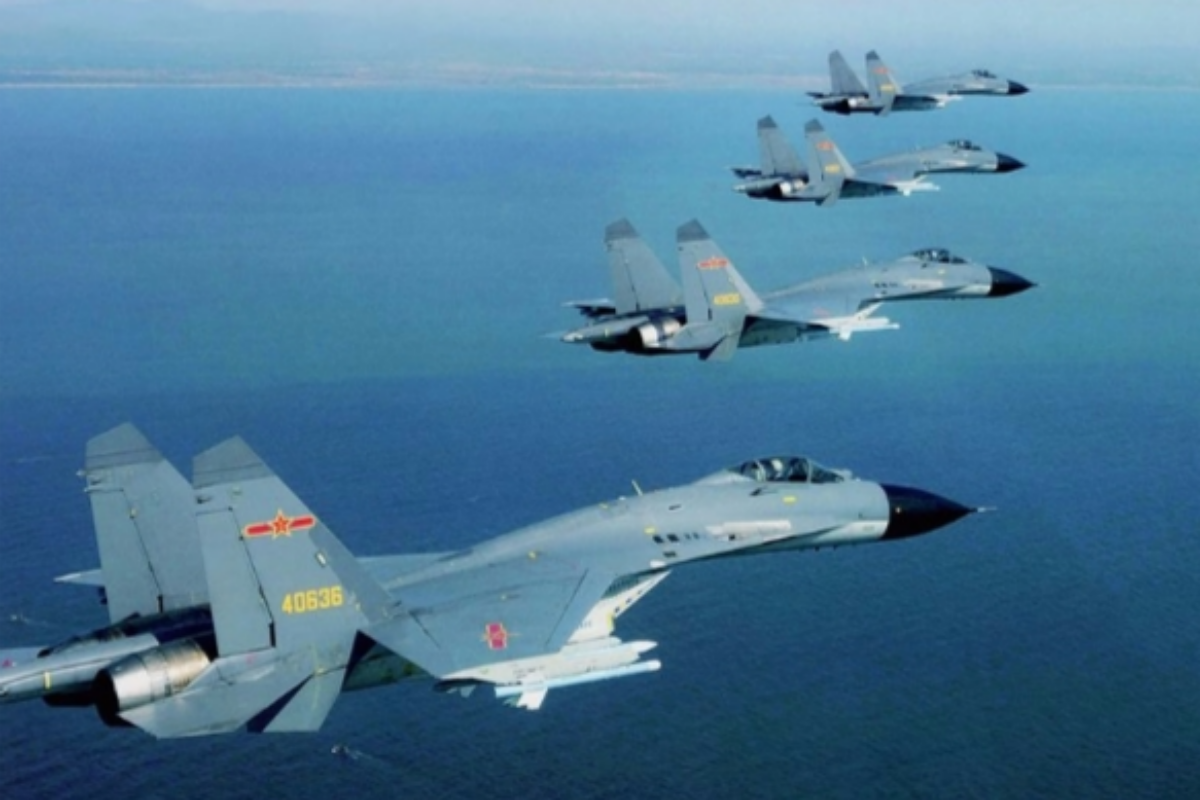
Fifth generation is over — the era of sixth‑generation fighters has begun
As the U.S., China and Europe race to field sixth‑generation fighters, the competition for air superiority has entered a new, high‑stakes phase. These aircraft aren’t just faster or stealthier versions of today’s fighters. They’re becoming airborne command systems: manned jets equipped with advanced AI orchestrating swarms of unmanned combat aircraft in manned‑unmanned teaming (MUM‑T). Falling behind here risks surrendering control of the air domain for decades, which helps explain why governments continue to fund expensive, high‑risk programs.
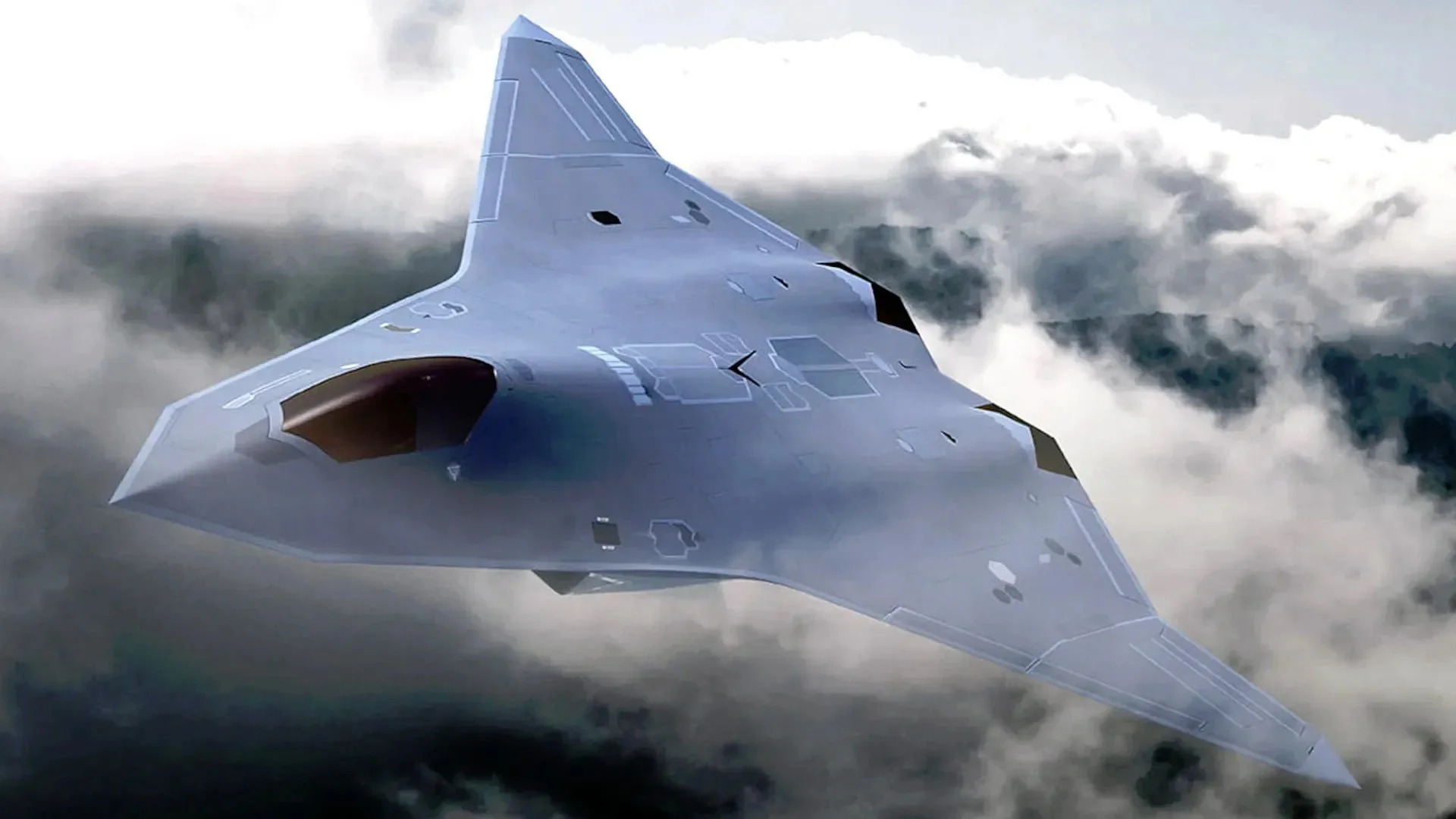
U.S. signals sixth‑generation shift with the F‑47
Under the NGAD (Next‑Generation Air Dominance) program, the U.S. named Boeing the prime contractor to lead development of a sixth‑generation fighter designated the F‑47. In March 2025, President Trump announced the program from the White House. Analysts estimate the effort could cost up to $50 billion (roughly 73 trillion KRW). The F‑47 employs a tailless layout with canards and an integrated wing to push stealth and maneuverability beyond the F‑22, and it will use Pratt & Whitney’s adaptive‑cycle XA103 engine to improve both fuel efficiency and thrust. The Air Force is aiming for an initial test flight in 2028 and operational fielding in the early‑to‑mid 2030s, with plans to procure roughly 185–200 aircraft. Separately, the Navy is pursuing a sixth‑generation carrier variant under the F/A‑XX program.
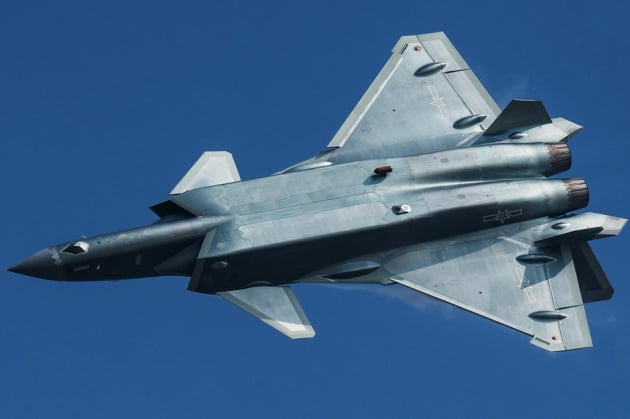
China pushes speed: two prototypes flying publicly
China surprised Western observers when Chengdu and Shenyang publicly flew prototype sixth‑generation fighters at the end of 2024. Chengdu’s J‑36 appears to be a large tri‑jet emphasizing stealth and long‑range operations; Shenyang’s J‑50 looks to be a medium twin‑engine design prioritizing agility. Both designs reportedly aim for sustained supersonic cruise and the ability to command unmanned systems. Chinese state media frame the demonstrations as proof they won’t lag the U.S. in next‑generation airpower. Even U.S. defense publications have warned the pace of China’s prototype disclosures may accelerate its path to IOC (initial operational capability) and could narrow or even overtake projected U.S. timelines.
Europe and Japan building a "supercomputer in the sky" through consortia
Europe is advancing sixth‑generation capability through two major programs. The U.K., Japan and Italy are developing a Tempest‑family fighter under the GCAP (Global Combat Air Programme), targeting entry into service around 2035. France, Germany and Spain are pursuing the FCAS (Future Combat Air System), a system‑of‑systems approach that integrates manned platforms with many unmanned assets, with fielding expected in the late 2040s to about 2050. Leonardo’s CEO describes a sixth‑generation fighter as “a flying supercomputer that processes as much data in one second as a medium‑sized city produces,” reflecting the emphasis on ultra‑fast sensors, onboard computing and electronic‑warfare capability.
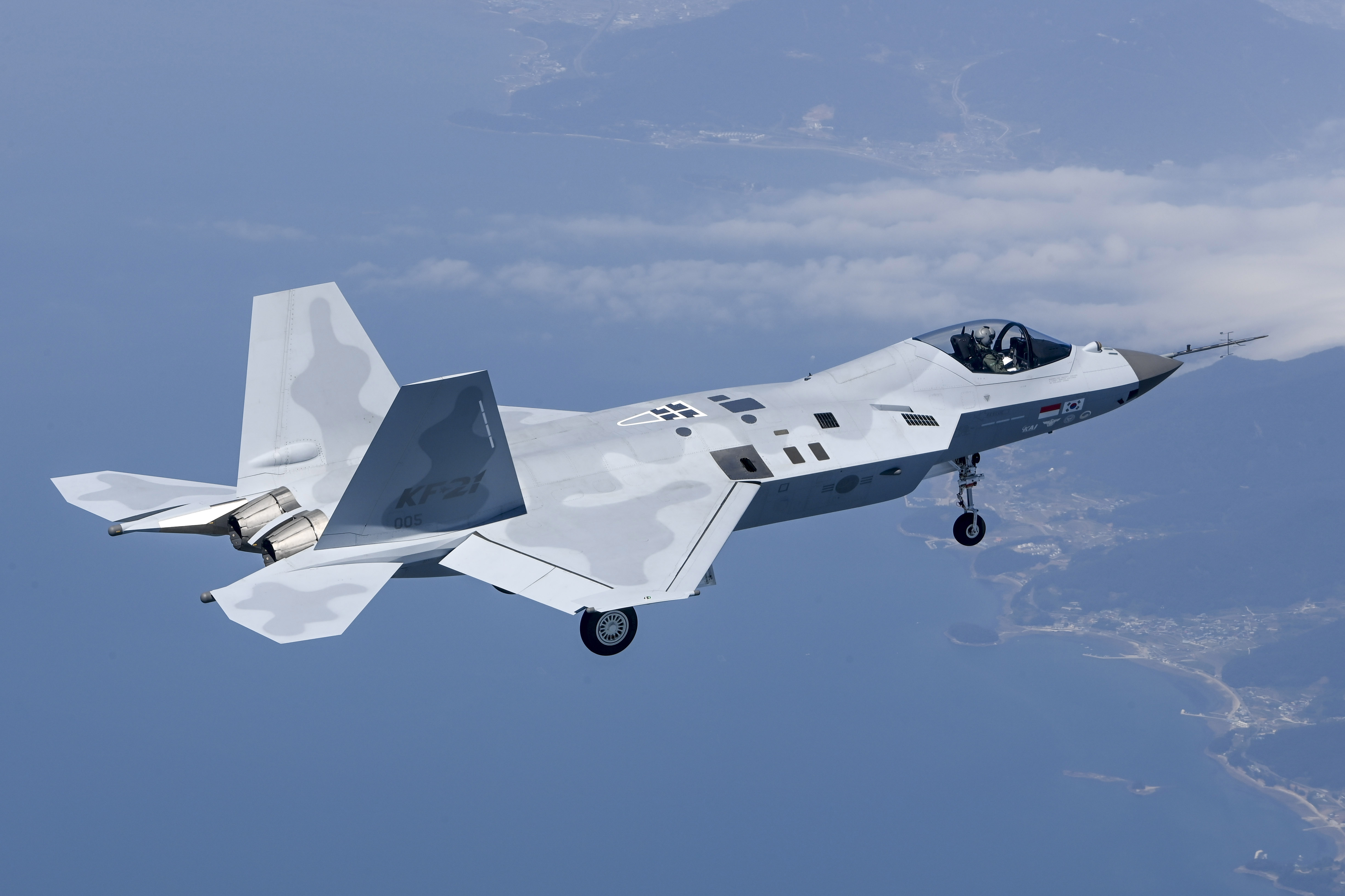
Why South Korea joined: using the KF‑21 as a stepping stone
South Korea entered the race later, but deliberately. Korea Aerospace Industries (KAI) announced at the 2025 Paris Air Show that it will leverage the KF‑21 as the basis for a sixth‑generation concept by the mid‑2030s. KAI’s roadmap calls for upgrading the KF‑21 to a limited‑stealth, fifth‑generation Block 3 configuration by about 2030, then integrating AI flight‑control software and multi‑role combat UAVs to create manned‑unmanned combined combat systems. The South Korean Air Force and defense research agencies say they’re considering a force where KF‑21s and unmanned combat wingmen (CCA) operate together by 2040, and transform into a domestically powered, fully stealthy, AI‑enabled sixth‑generation fighter after 2041.
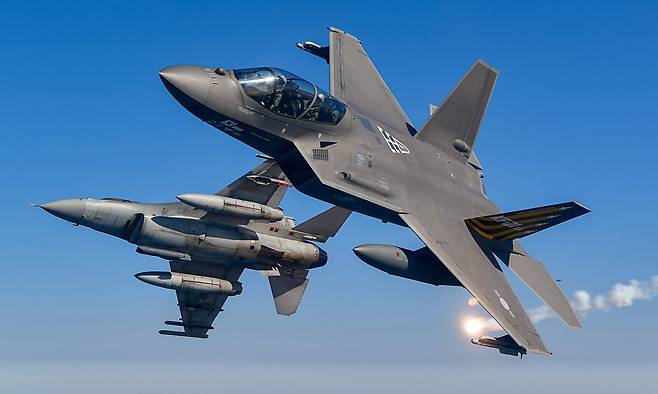
Hanwha Aerospace has begun work on an indigenous next‑generation engine to replace the U.S.‑made F414, positioning it as the “heart” that could power the KF‑21 Block 3 and later a sixth‑generation derivative. Reports also cite talks with Saudi Arabia on joint development, signaling Seoul’s aim to be a co‑developer rather than just a buyer. Because Korea plans to evolve the KF‑21 incrementally rather than build an all‑new airframe, analysts say the country can remain competitive on both technology and cost despite its later start.
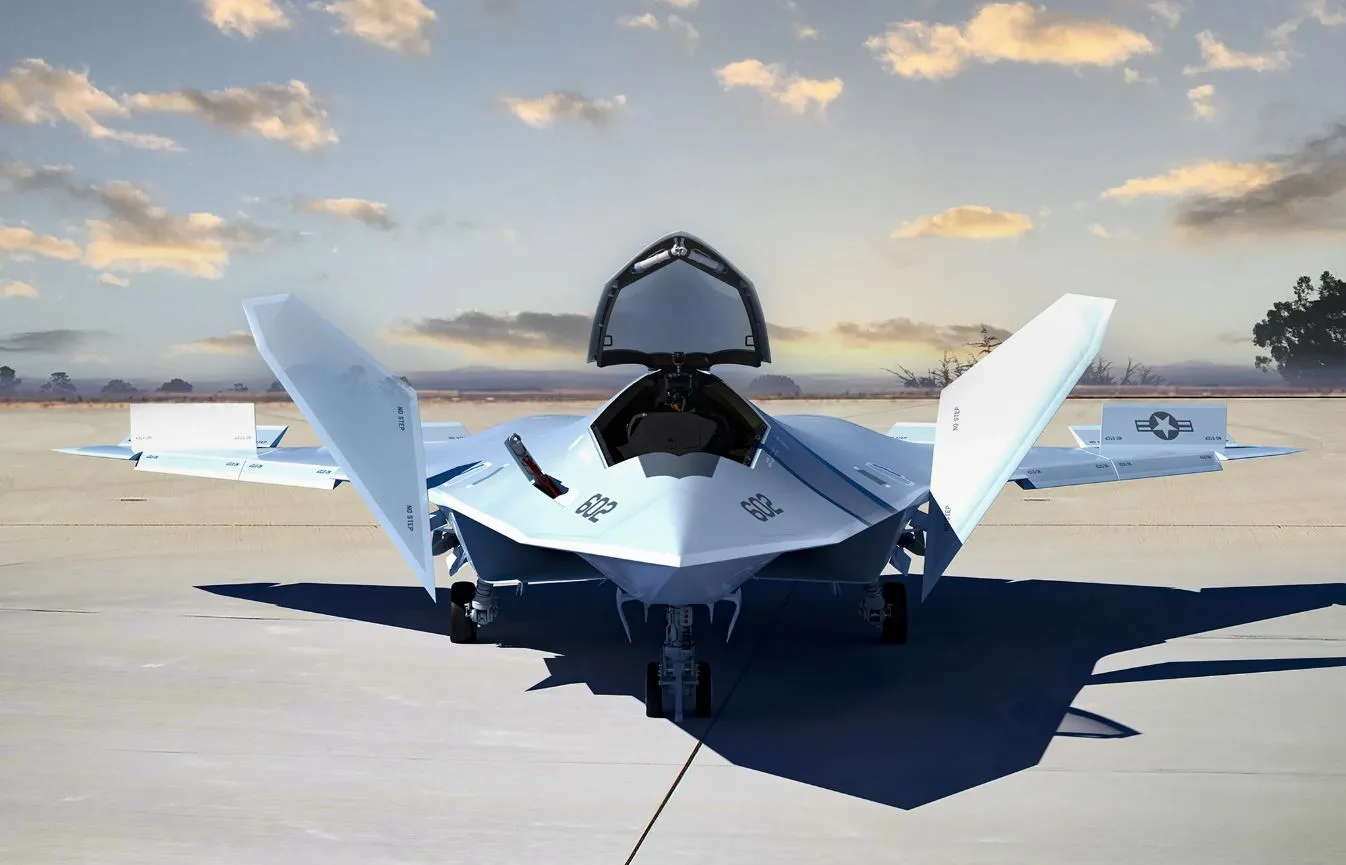
How sixth‑generation fighters will rewrite the rules of war
The defining shift with sixth‑generation fighters is systemization rather than just a new airframe. Platforms must integrate manned aircraft that command multiple unmanned combat platforms (MUM‑T), extreme stealth, adaptive‑cycle engines, directed‑energy weapons, and advanced electronic and cyberwarfare capabilities on a single, networked system. Development costs will go from tens of billions to potentially hundreds of billions of dollars, so even the U.S. may field only about 200 airframes. Still, the strategic incentive is clear: lagging in this race hands another country the authority to define the rules of aerial warfare for decades to come.