[Anchor]
This morning, President Donald Trump delivered a nationally televised address on the war with Iran.
He said he will launch a major offensive over the next two to three weeks.
We’ll go to the international desk for the key points.
Reporter Kim Ji-soo.
[Reporter]
President Trump spoke from the White House for roughly 20 minutes, delivering prepared remarks with no questions taken.
He highlighted what he called the campaign’s accomplishments and outlined future steps, but offered no surprise announcements.
Trump said he plans a large-scale attack on Iran in the coming two to three weeks and vowed to “set Iran back to the Stone Age.”
He said U.S. forces have not yet struck Iran’s oil facilities, but warned they would do so immediately if Iran resumed nuclear development — a move he said would spell the regime’s end.
[Anchor]
Public opinion in the United States about the war is deeply negative. You say he stressed the action was unavoidable.
[Reporter]
He did.
Trump accused the Iranian regime of killing many Americans over time and of massacring tens of thousands of Iranians.
He said he could not stand by while what he called a brutal regime developed nuclear weapons and amassed large missile stockpiles.
He reiterated that the operation’s goal was to neutralize Iran’s ability to threaten the United States.
Trump said U.S. strikes had effectively neutralized Iran’s navy and air force. He added that, while removing Iran’s leadership was not the initial objective, the campaign ultimately eliminated what he described as terrorist leaders and produced regime change — outcomes he hailed as strategic successes.
[Anchor]
He also spoke firmly about the Strait of Hormuz, a central flashpoint in this conflict. Does that signal the U.S. intends to step back?
[Reporter]
It could be read that way.
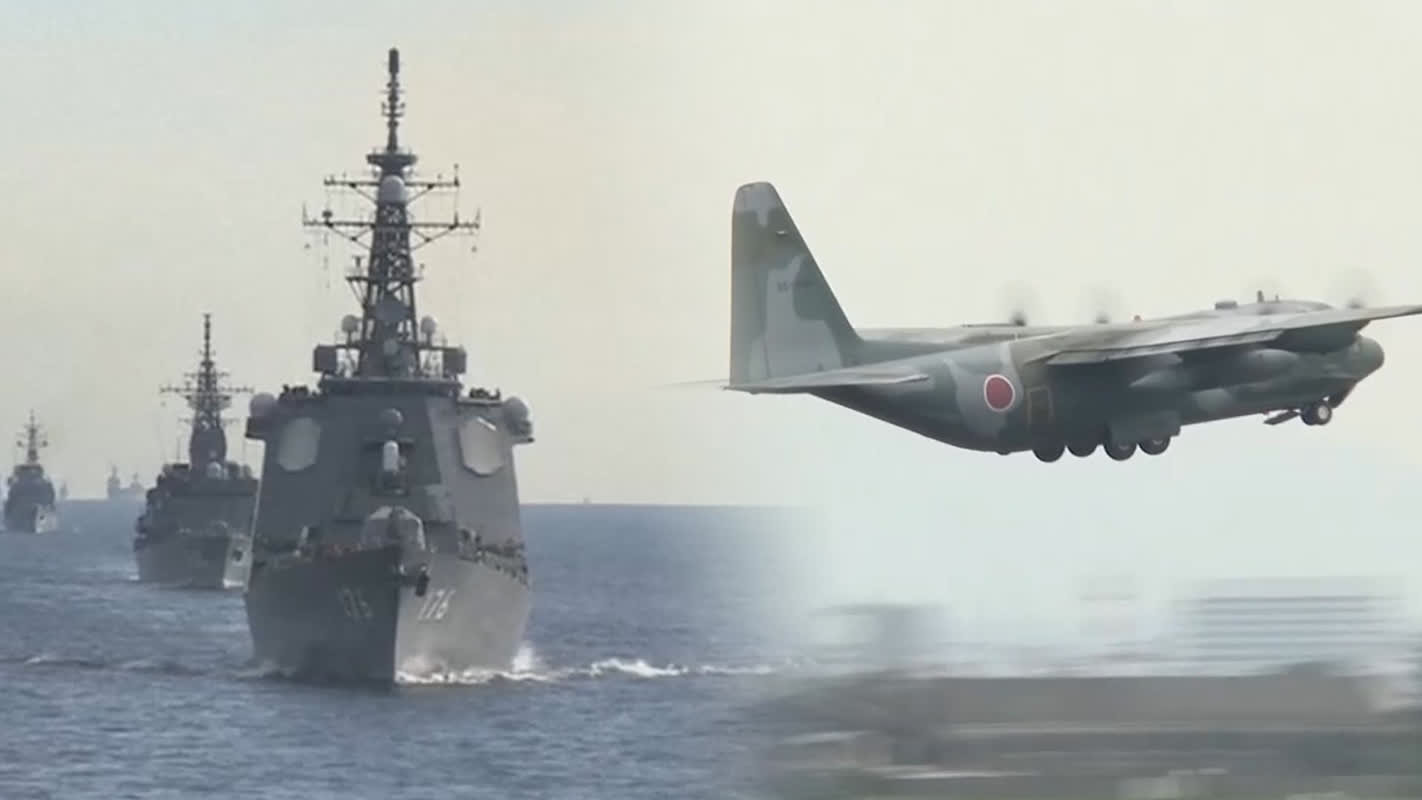
Early in the campaign, Trump had asked European and Asian allies to send forces to the Strait of Hormuz.
They declined, and he again expressed frustration over that in today’s remarks.
He said the United States does not rely on the Strait of Hormuz to import oil.
He added that countries that do import oil via the Strait should value the route and take responsibility for defending it themselves.
He said the U.S. could provide assistance, but ultimately the nations that use the route must deploy forces to protect it.
He argued that, because U.S. strikes have largely degraded Iran’s military capabilities, the Strait of Hormuz will naturally reopen.
[Anchor]
Some had expected the speech to lay out concrete plans to end the war.
[Reporter]
But it did not.
The two-to-three-week timeline was the same one Trump mentioned yesterday, and the accomplishments he touted are claims he has repeatedly made whenever he takes the podium.
Predictions that he would signal a symbolic break with NATO over divisions on the Hormuz operation also proved unfounded.
So while the speech concluded, many questions remain.
As I noted, U.S. public support for the Iran war has eroded. With midterm elections approaching and his approval ratings slipping, the address came across largely as a message aimed at domestic audiences.
This is Kim Ji-soo reporting from the international desk for Yonhap News TV.
[Video editing: Sim Ji-mi]
For Yonhap News TV story inquiries and tips: KakaoTalk/Line jebo23
Kim Ji-soo (goodman@yna.co.kr)