“I passed the civil service exam to become a military civilian—so why am I expected to salute a company commander like a soldier?”
A brief post on an anonymous workplace forum for military civilian employees recently ignited a sharp debate among active-duty and former officers over how those staff should be treated.
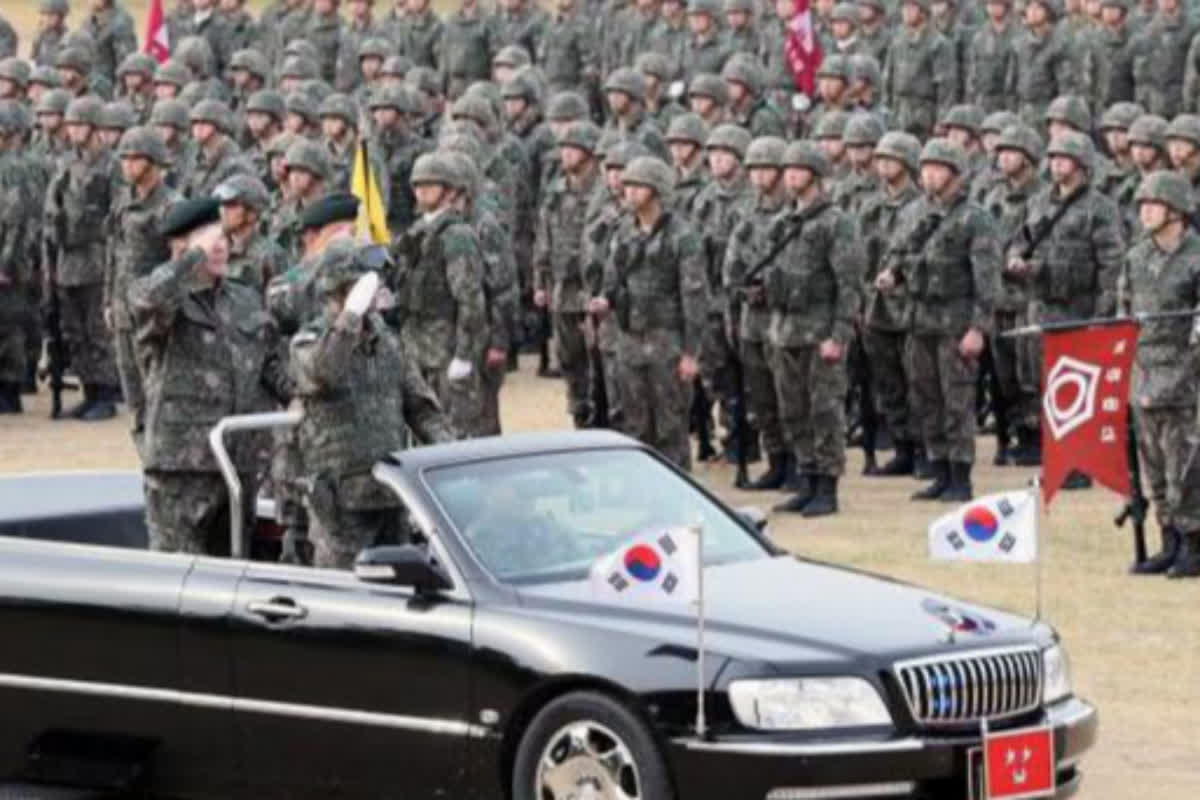
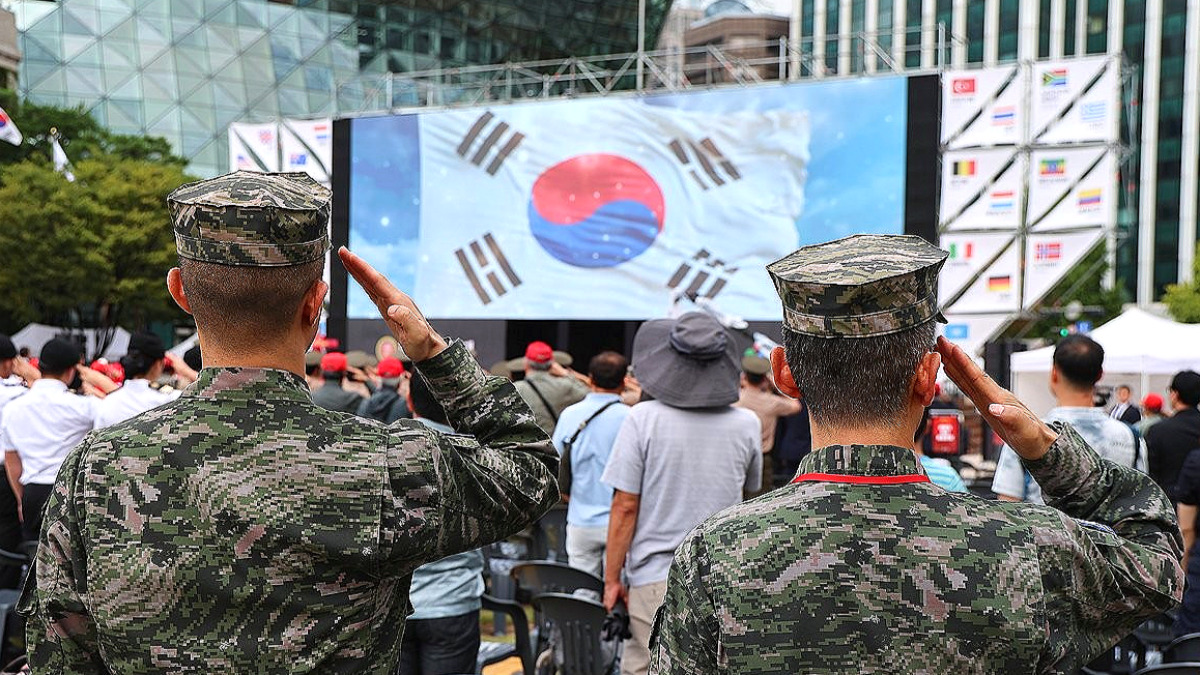
The author, a newly appointed grade‑9 civilian, said they were baffled by a barracks culture that requires them to render salutes to officers despite not holding military rank.
A soldier without a uniform—or just a civil servant?
The dispute over salutes stems from unclear status and expectations that arise when active-duty troops and military civilian employees work side by side.
Under current law, military civilian employees are special civil servants attached to the Ministry of National Defense. They are subject to the military penal code and can face military trials, but the military personnel law does not assign them formal ranks.
Regulations describe military civilian employees as partners of active-duty troops who should be treated with mutual respect and cooperation, not strictly as subordinates. Internally, a treatment scale equates a grade‑9 civilian roughly with an NCO or junior officer and a grade‑5 civilian with a field‑grade officer in terms of pay and benefits.
But that scale covers compensation and welfare only; it doesn't establish clear protocol about salutes or everyday courtesies.
In practice, unit customs often diverge from the book. Commanders and longer‑serving officers frequently treat civilian staff as if they were enlisted subordinates wearing civilian clothes.
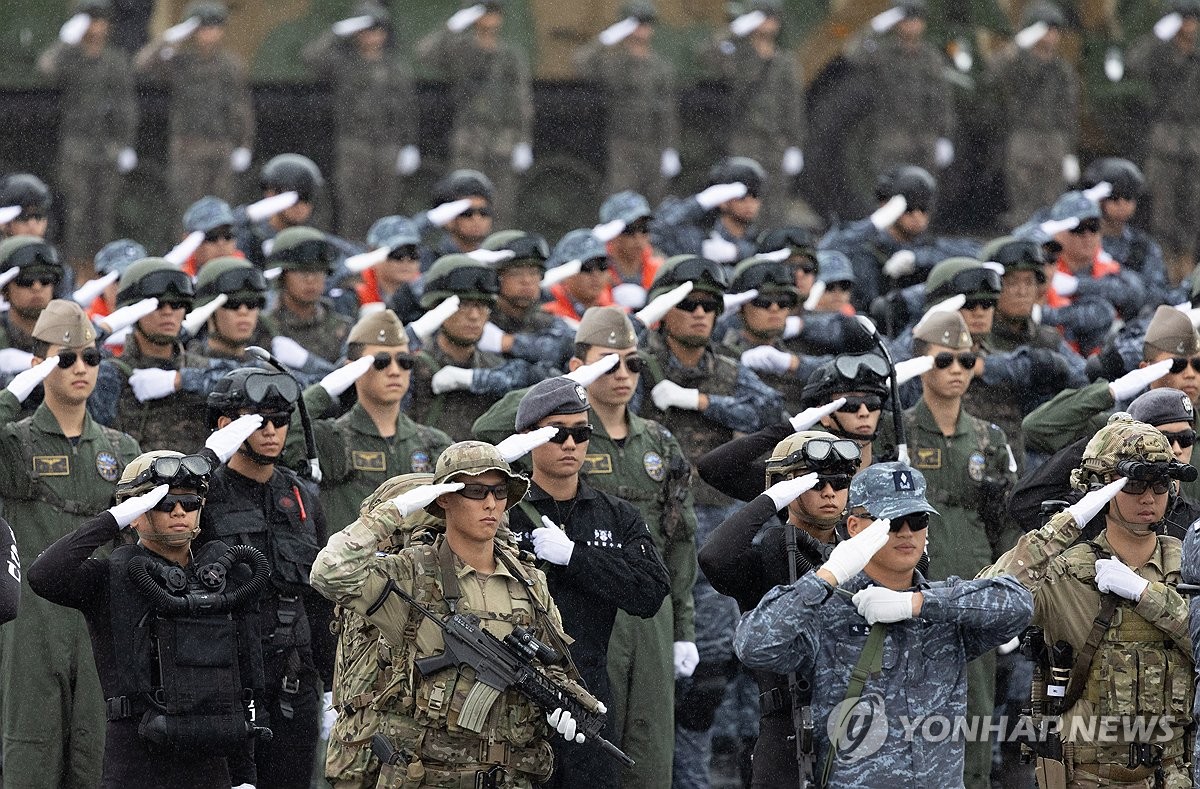
Company‑grade officers sometimes call out lower‑grade civilian employees for perceived rudeness if they don't render a formal salute when the officer arrives. Conversely, senior civilian staff at the grade‑5 level can find themselves awkwardly unsure whether to salute in front of enlisted soldiers—protocol confusion that plays out daily.
Ambiguous rules are sapping morale inside units
Those mismatches in status and treatment go beyond etiquette. They are accelerating the departure of military civilian employees.
Young civilians who joined expecting the stability of civil service report serious morale problems when units issue them weapons, assign guard duty, and demand strict obedience and salute rituals.
If the civilian employees responsible for administration and maintenance at front‑line units begin to see themselves as second‑class soldiers, the result could be an administrative and logistical drain on combat units.
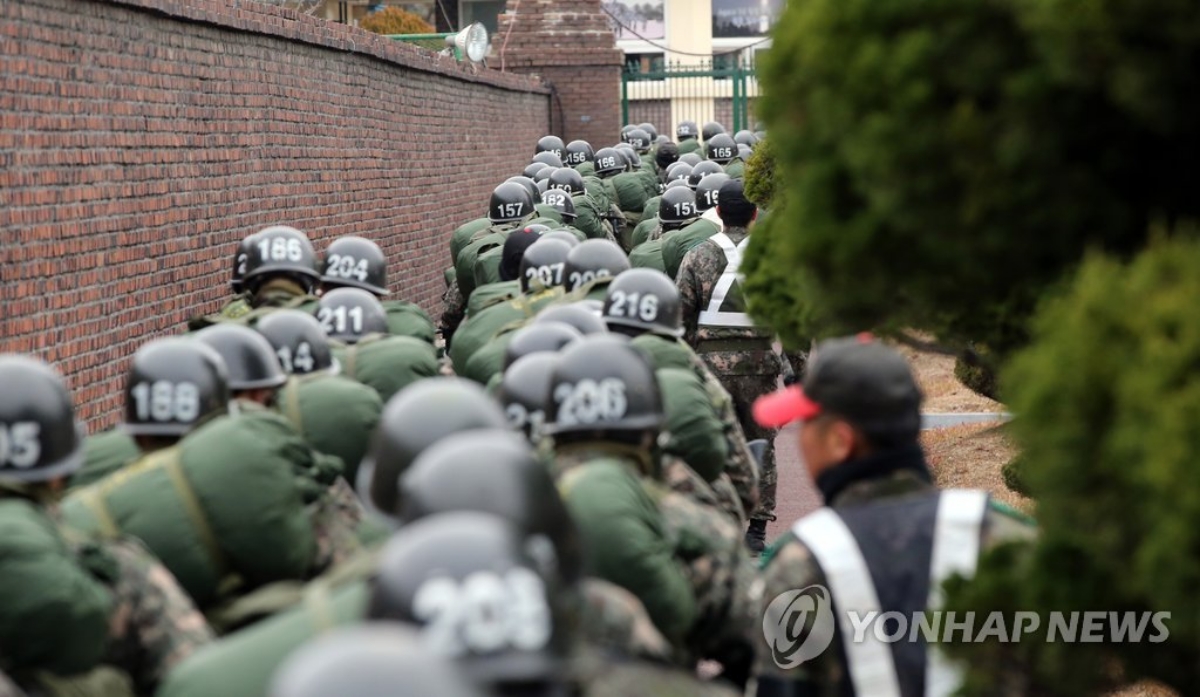
The system excludes them from housing support and many allowances because they're not enlisted, yet it often applies the same standards of discipline and etiquette as active‑duty troops—an imbalance that pushes people to leave early.
Maintaining a clear chain of command is essential in the military. But insisting on ingrained military courtesies for noncombat personnel tends to produce unnecessary resentment rather than cohesion.
As barracks life evolves, military leaders urgently need detailed, practical guidance that redefines duties and standards of respect between active‑duty troops and military civilian employees in realistic terms.