'Drone killer' humiliated; catalog specs fail in combat
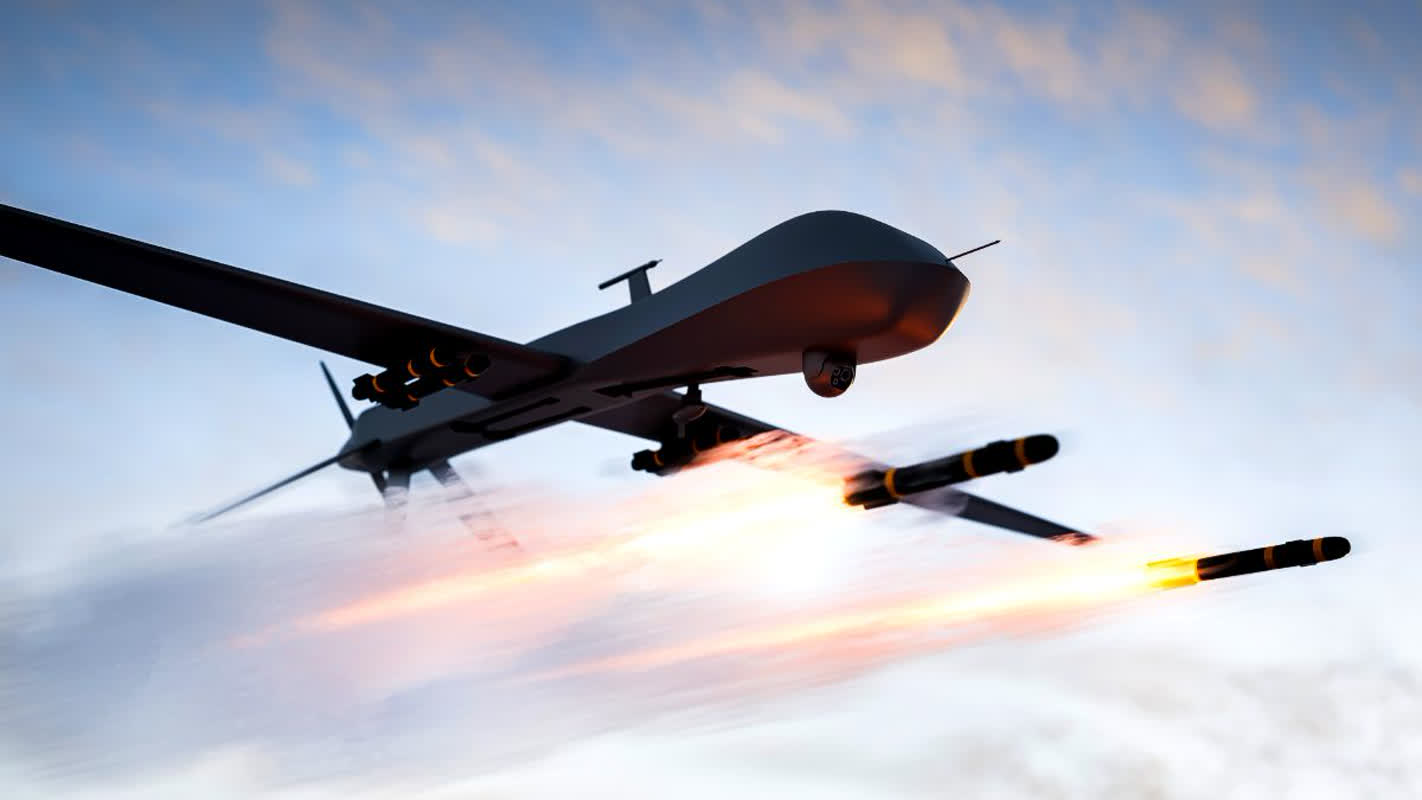
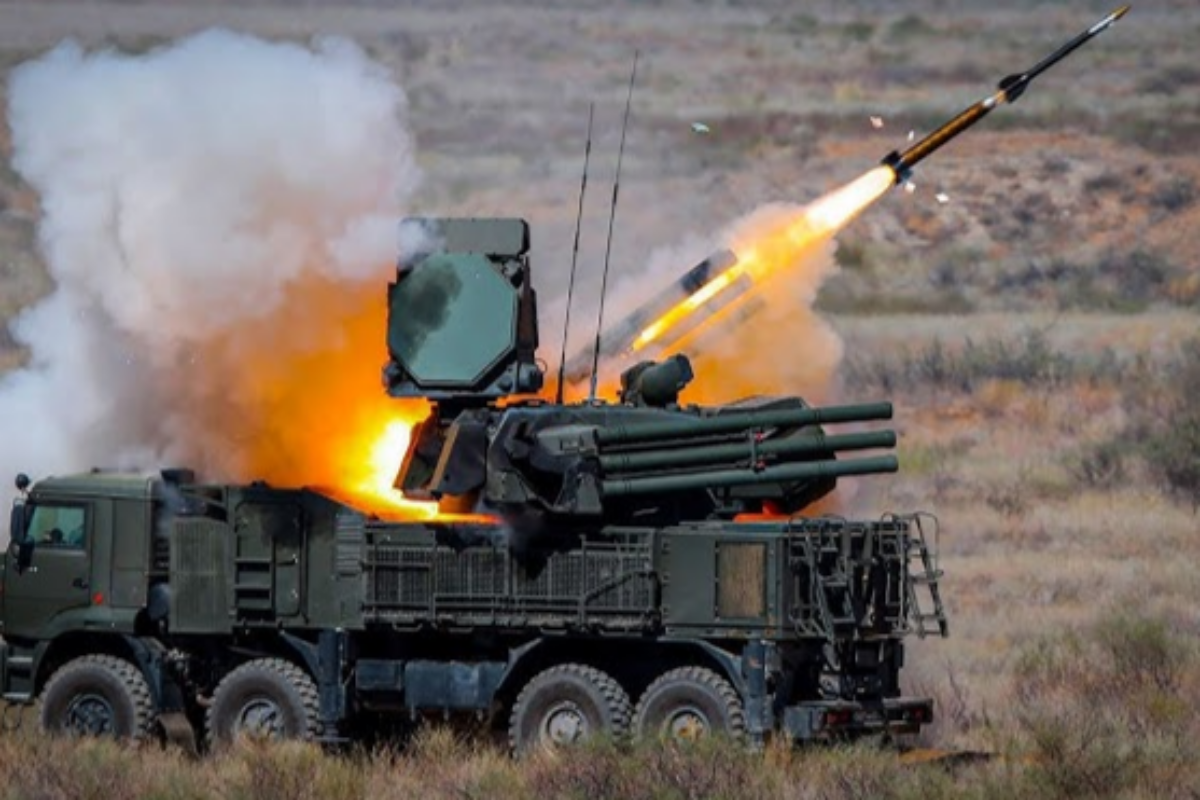
Russia marketed the Pantsir‑S1 as the ultimate field air‑defense system. On the Ukrainian battlefield, it has earned the opposite reputation. Footage released by Ukrainian forces shows Pantsir crews locking on to approaching drones and firing missiles that miss slow-moving targets only meters away, leaving the launchers exposed and sometimes destroyed. The system's flashy specs—50 km detection, tracking up to 20 targets simultaneously and engaging four at once—have largely proven ineffective against small, low‑speed drones. Those failures point to structural problems across the Pantsir's radar, fire‑control software and hardware.
They lost nearly half — Ukraine's targeted 'Pantsir hunt'
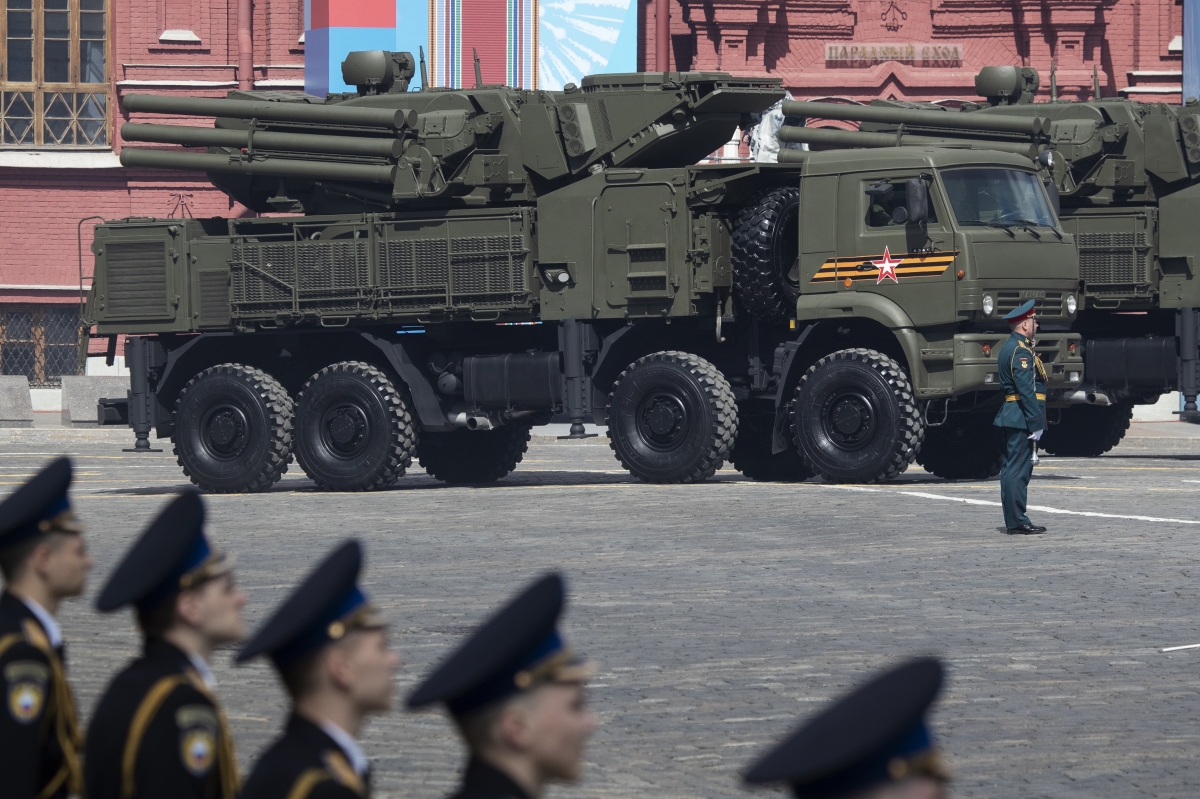
Over the past year, Ukrainian intelligence and special operations forces have run a deliberate campaign to neutralize Pantsir batteries. Western and Ukrainian analysts estimate at least 20 Pantsir‑S1 units deployed at front-line and rear bases were destroyed by FPV and kamikaze drones, often timed with HIMARS strikes. In some sectors, nearly half of the localized Pantsir force was eliminated, severely degrading Russia's low‑altitude air defenses. The result: tanks, infantry and supply trains became exposed to drone strikes, and there are reports Russian units are increasingly reluctant to deploy Pantsirs.
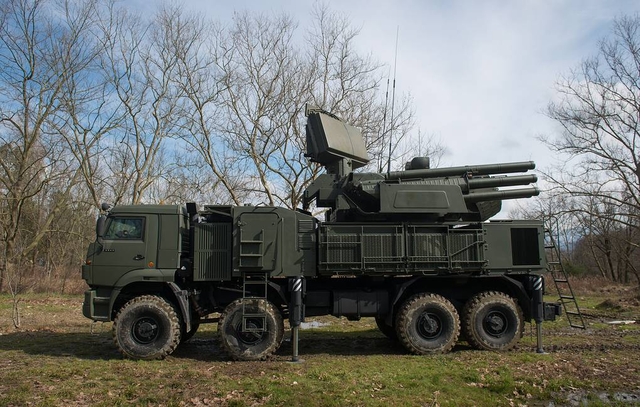
Precision on paper; command‑guided missiles falter in combat
The Pantsir's 57E6 family of missiles uses a command‑guidance scheme and is advertised as a near‑unerring, high‑precision interceptor. But public videos repeatedly show missiles that appear to home in on drone targets only to veer off or pass through empty air at the last moment. Moscow blames operator error and complex engagement environments, but analysts contend the radar tracking and command‑calculation algorithms do not account for real‑world signatures of small, low‑observable drones. In practice, the supposed advantage of command guidance disappears when missiles launch without reliable target data.
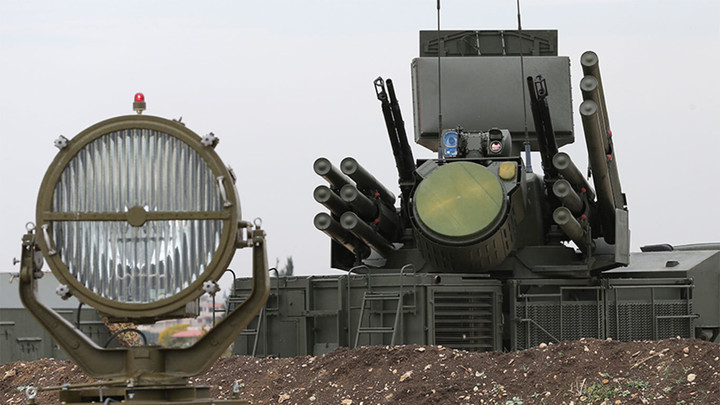
China's FK‑2000 also neutralized — confidence in Russian, Chinese air defenses erodes
The Pantsir's failures, coupled with battlefield setbacks for China's FK‑2000, have dented confidence in both countries' short‑range air‑defense systems. Incidents from conflicts such as Sudan show the FK‑2000 struggled against Turkish Akinci drones, fueling criticism that neither the Russian original nor the Chinese adaptation has kept pace with the drone era. Both systems market themselves as integrated defenses against drones and precision munitions, but combat footage shows repeated strikes by cheap FPV drones and larger unmanned platforms breaching defended sites. When air‑defense systems cannot protect themselves, their marketing specifications become targets of ridicule.
The shield broke itself — cracks in Russia's defense prestige
The Pantsir was designed as a last shield to protect strategic facilities, ground force strongpoints and air‑defense batteries. Videos from Syria and Libya already showed Pantsirs being defeated by Turkish TB2s, but in Ukraine the repeated penetration of major bases—sometimes on Russian territory—has further eroded its standing. Russian media and military officials point to selective successes and claim the system remains useful, but international customers and analysts see the reputational damage as severe. Critics ask: who will buy a shield that fails to defend itself?
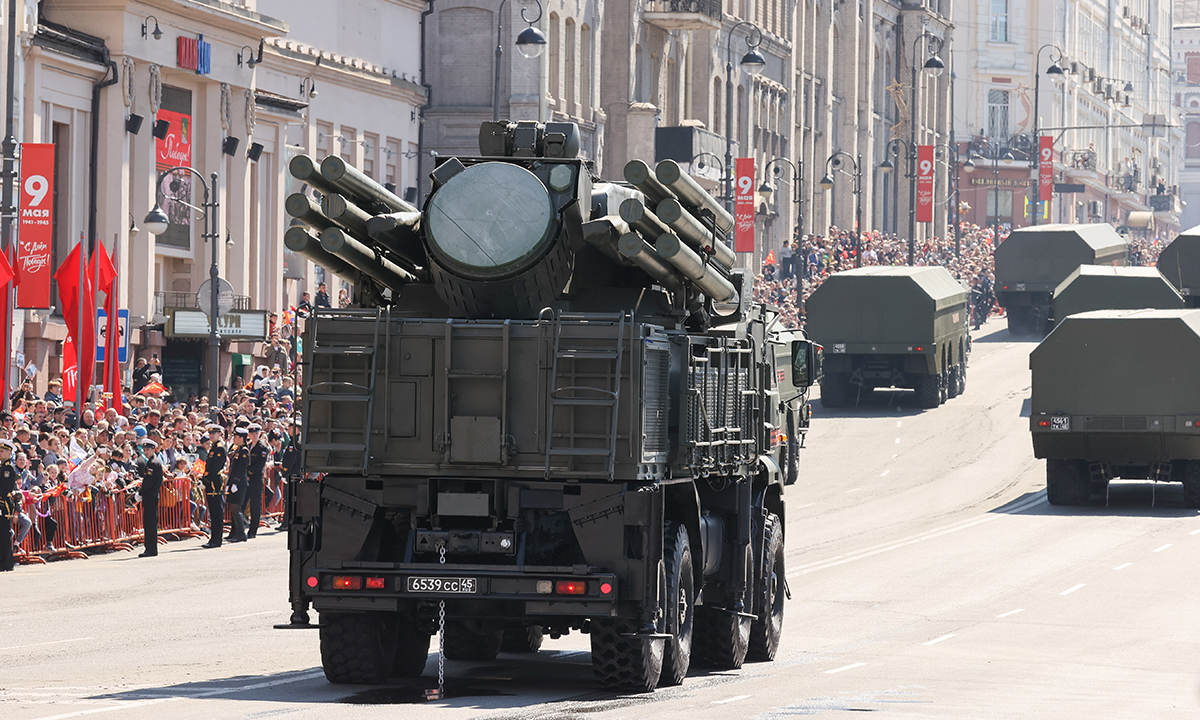
Ukraine's drone innovation vs. Russian air‑defense stagnation — lessons from '50% losses'
Ukrainian tactics employing FPV, loitering and fiber‑optic drones have rapidly struck Russian air‑defense assets, ammo depots and fuel sites, reshaping the battlefield. Analysts estimate many high‑end air‑defense systems, including numerous Pantsir‑S1s, lost nearly half their numbers within a year. That created coverage gaps and inflicted heavy damage on Russia's arms exports and allied confidence. Defense experts say the era of judging air defenses by catalog claims is over; systems are now evaluated by combat performance against small, inexpensive drones. On that test, Russian and Chinese systems have received harsh grades.