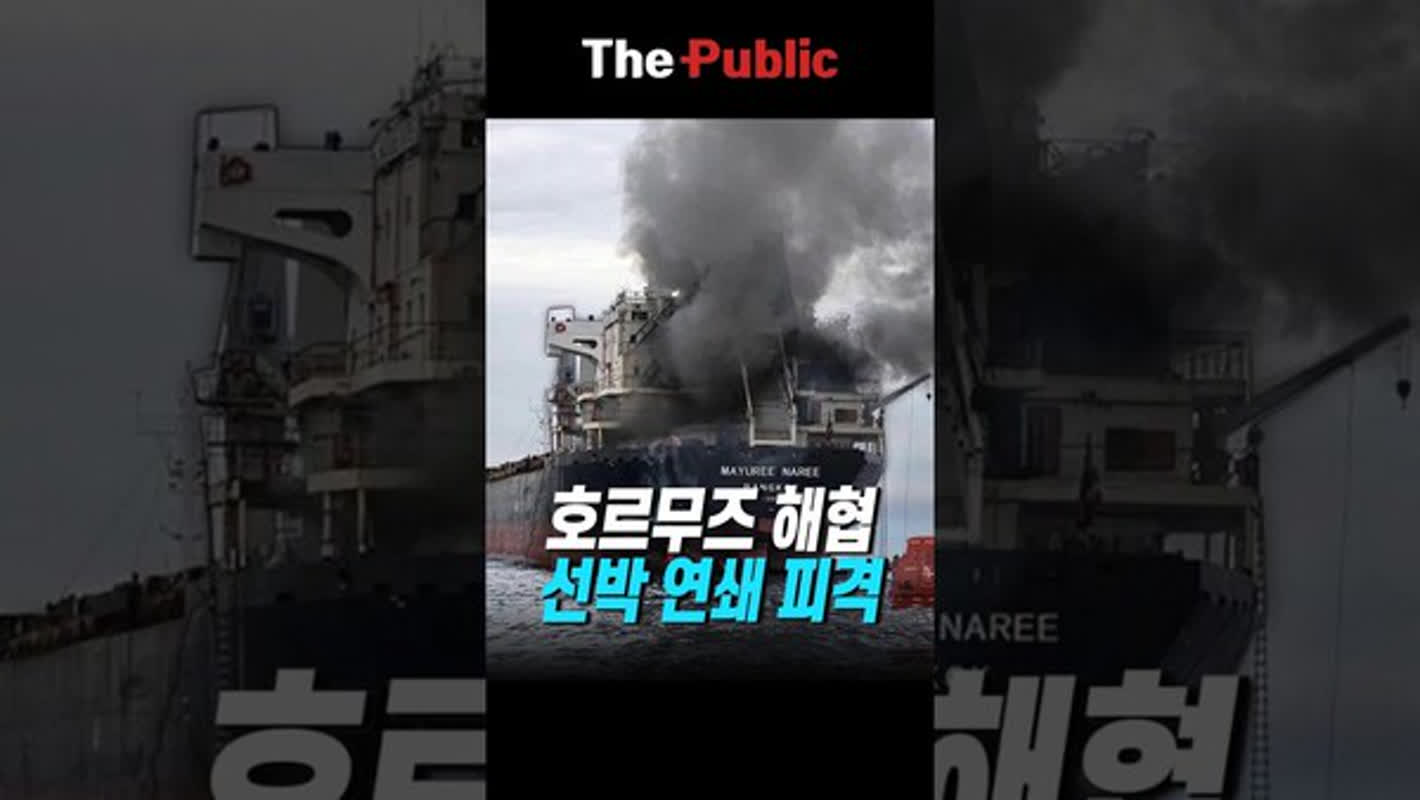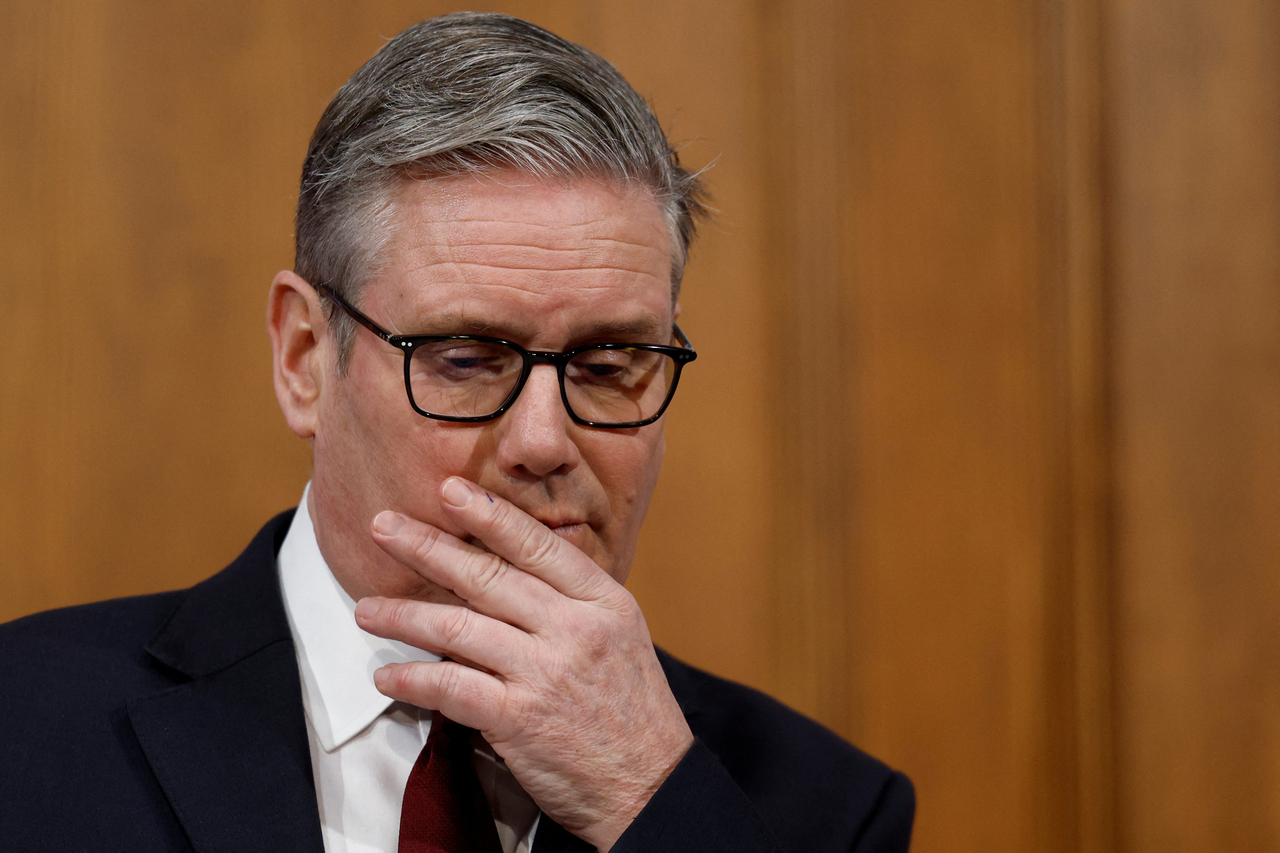
Speaking from 10 Downing Street, Starmer said the strait must be reopened to safeguard oil-market stability, but stressed the task is complex. “We are working with our European partners and all our allies to develop a viable, collective plan to restore freedom of navigation in the area as quickly as possible and to mitigate the economic shock,” he said, adding, “Let me be clear: this will not be a NATO mission, and it has never been considered one.”
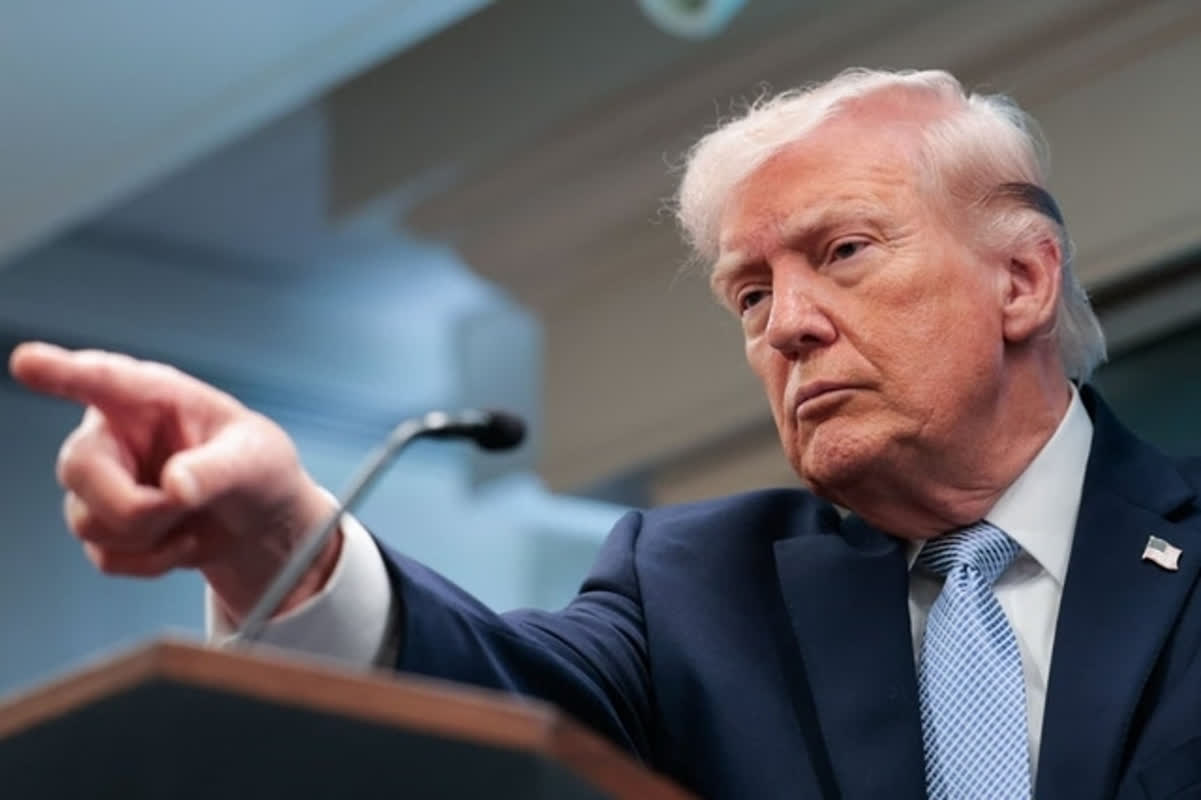
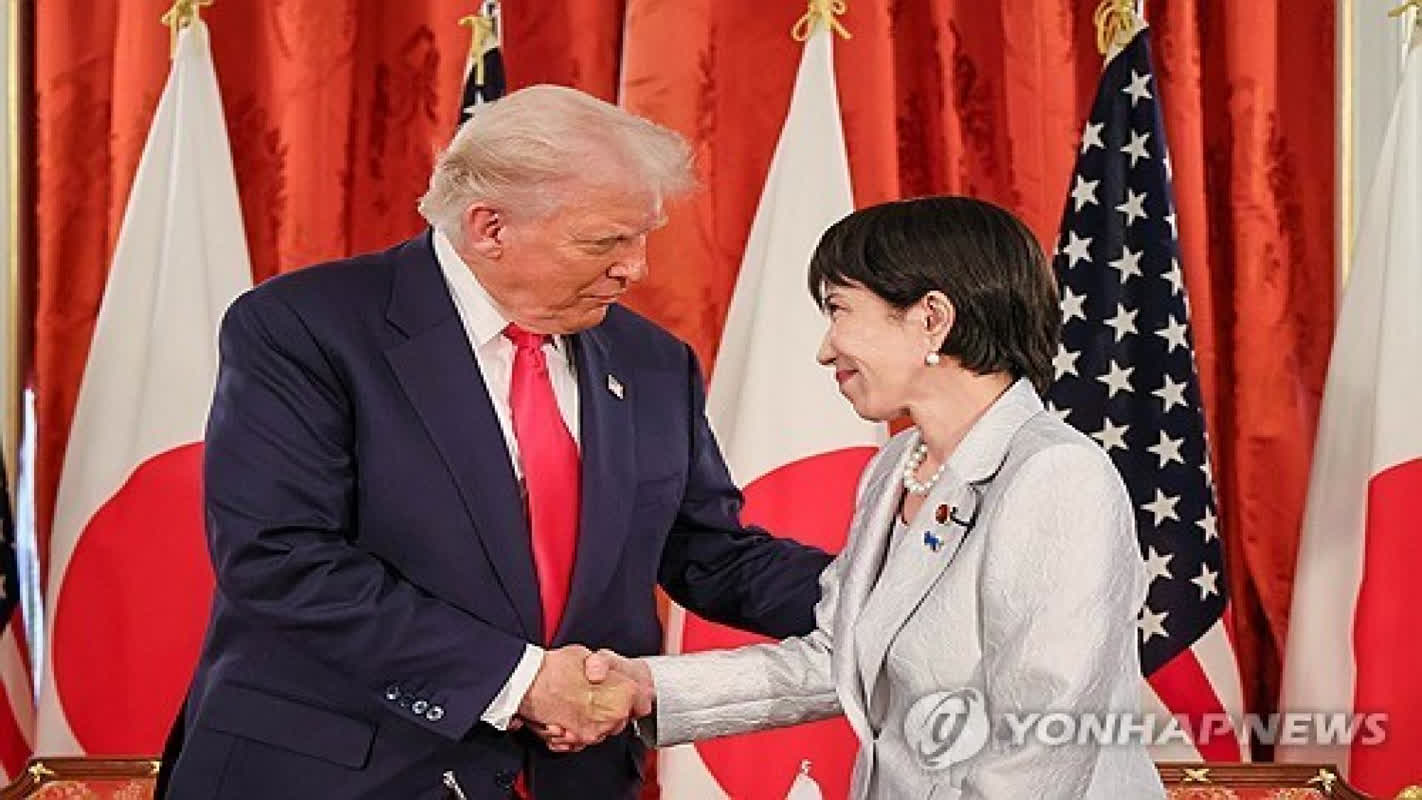
President Trump had urged major countries to send warships to the Strait of Hormuz and warned on March 15 that a lack of response or negative replies would “have a very bad effect on NATO’s future.” Starmer discussed the importance of reopening the strait with Trump in a phone call on the night of the 15th. When repeatedly asked whether he opposed deploying the Royal Navy to the strait, Starmer said the issue had been discussed with the U.S. president and that talks are ongoing on an actionable plan. He noted that deciding on deployments is among the toughest choices a prime minister faces and added, “Whatever pressures we face, it’s vital we stand firm for Britain’s interests.”
Starmer outlined the government’s three objectives: “First, to protect our people in the region; second, to take the necessary steps to protect ourselves and our allies while avoiding escalation into a wider war; and third, to continue working for a swift resolution that restores regional security and stability and deters Iran’s threats to neighboring countries.”
He used the address to announce emergency measures in response to an oil shock. The government will provide £53 million (about 105 billion KRW (about $78.8 million)) to help vulnerable households that rely on heating oil. An energy price cap will be in place through the end of June to save households an average of £117 (about 230,000 KRW (about $173)), with vulnerable households receiving an additional £150 (about 300,000 KRW (about $225)) off heating bills. The cut to fuel duty will be extended through September, and Starmer warned energy firms against profiteering from war-related price spikes.