![영국의 키어 스타머 총리 [사진=연합뉴스]](https://contents-cdn.viewus.co.kr/image/2026/03/CP-2023-0070/image-e7737829-cd89-43c2-bd55-7a3986ffb6de.png)
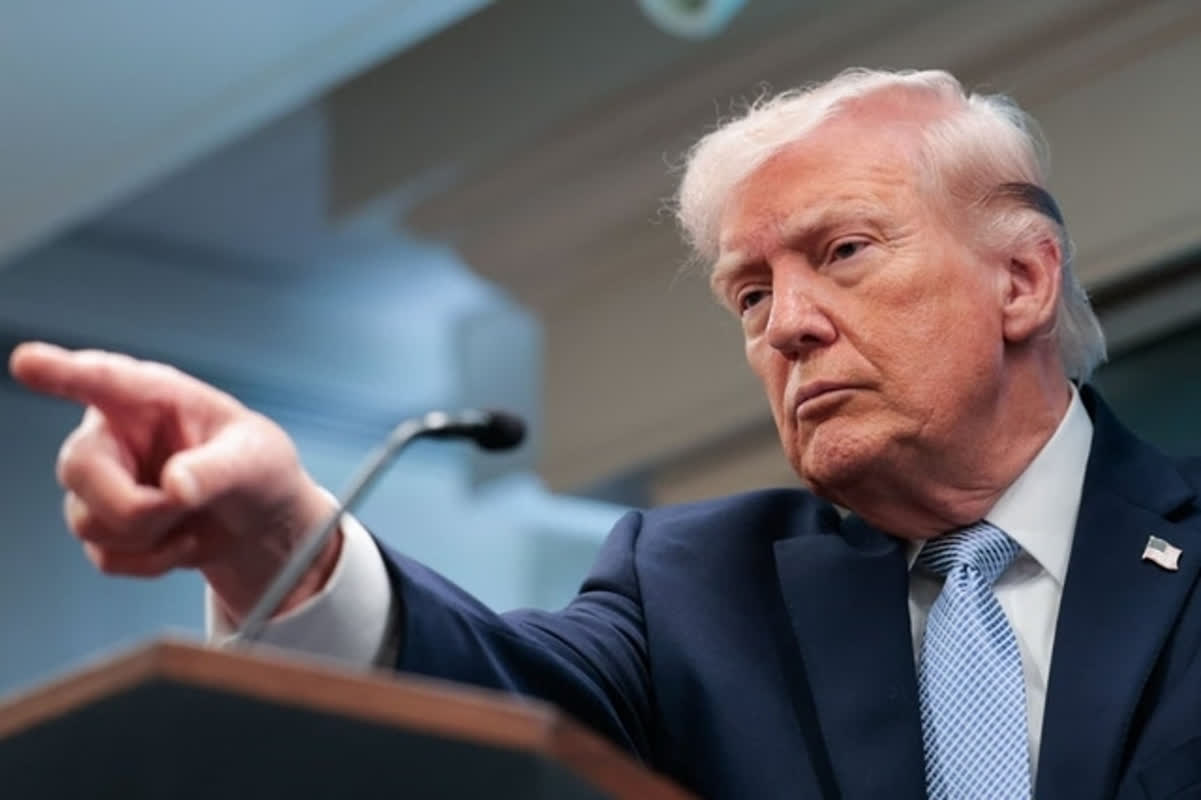
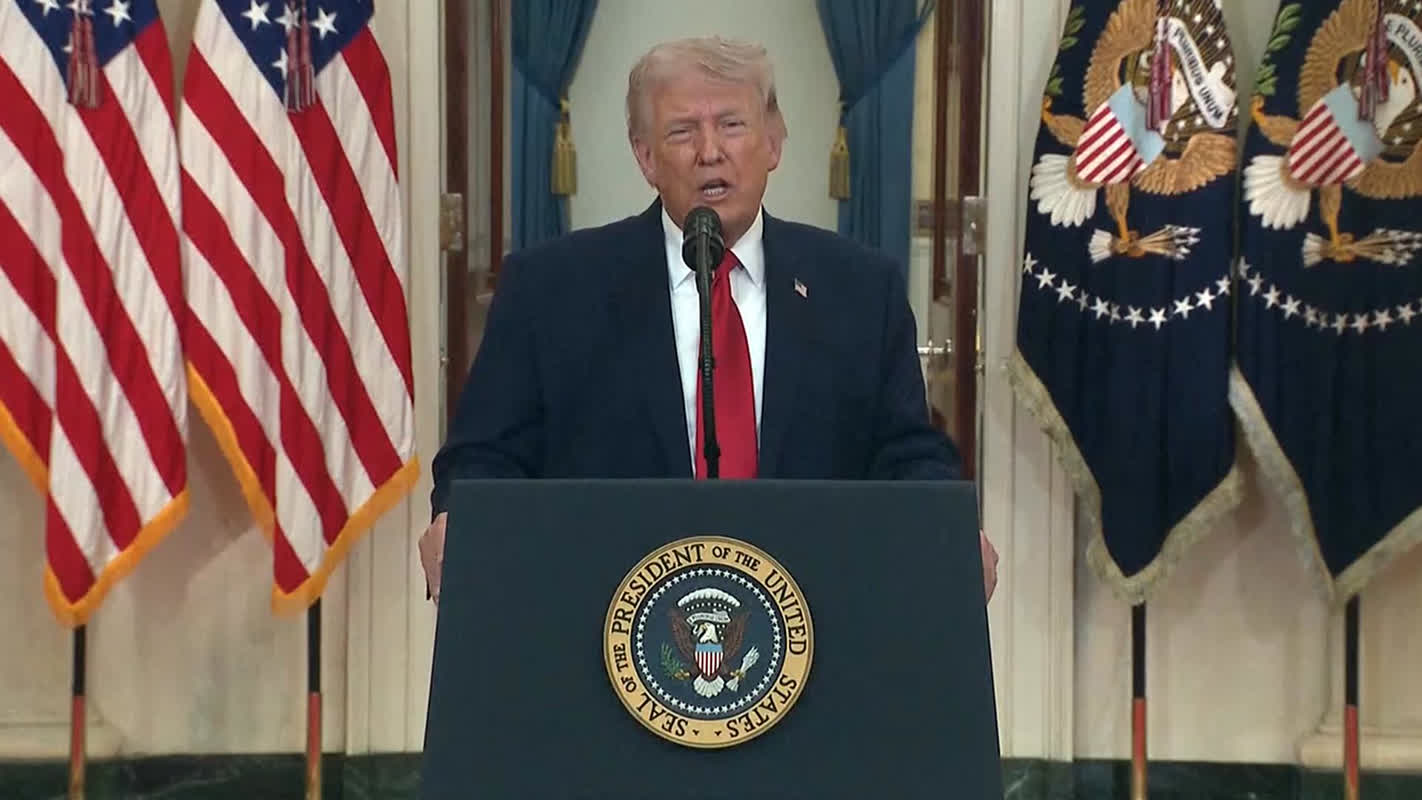
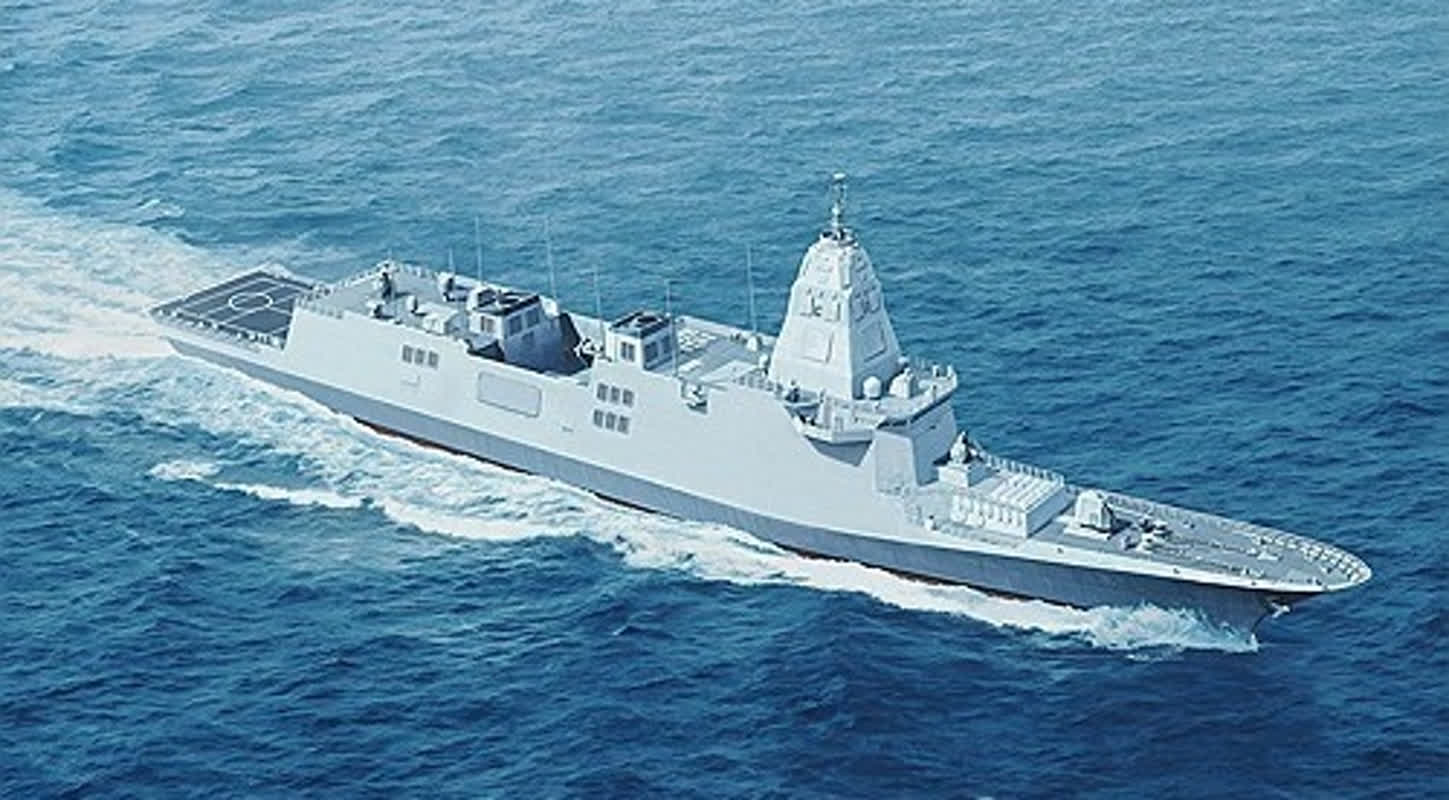
President Donald Trump has urged key countries to send warships to secure the Strait of Hormuz, but Britain and China have either responded cautiously or effectively declined. The diplomatic strain risks spilling over into NATO affairs and could affect a planned U.S.-China summit if major powers refuse to cooperate.
Speaking from the prime minister’s office on Downing Street on the 16th (local time), Prime Minister Keir Starmer acknowledged the need to restore freedom of navigation in the Strait of Hormuz but stopped short of committing Royal Navy ships. “Reopening the Strait of Hormuz is important, but it’s not simple,” Starmer said. “We are discussing practical, viable plans with European partners and allies to restore freedom of navigation and mitigate economic shock.”
He was explicit that the effort is not and has never been a NATO mission. Starmer said he had discussed the issue with President Trump by phone the previous day, but on the question of a Royal Navy deployment he only reiterated that talks on feasible plans are ongoing.
Deciding whether to deploy forces, he added, is one of the toughest decisions a prime minister must make, and he stressed that Britain will stand firm for its national interests regardless of external pressure.
Earlier, Trump pressed major countries to dispatch warships to protect the Strait of Hormuz and warned that a lack of cooperation could have negative implications for NATO’s future, publicly pressuring allies to act.
China, too, has effectively rebuffed Trump’s request. Foreign Ministry spokesman Lin Jian told a regular briefing that countries should refrain from military action.
Lin warned that rising tensions in the Strait of Hormuz and nearby waters are disrupting international cargo and energy trade routes and undermining regional and global stability. He urged all parties to cease military actions immediately and to avoid steps that would further escalate tensions.
When asked whether China had received a U.S. request to send warships, Lin said, “We have no further information to provide.” He reiterated China’s longstanding opposition to military action and indirectly signaled that China does not intend to join any military operation in the strait.
Trump has also suggested he might postpone the U.S.-China summit, now about two weeks away, if China does not cooperate. Lin said, however, that the two countries continue to maintain communication.
Separately, Lin addressed questions about entry to China for Marco Rubio, the U.S. official reported to be expected to accompany President Trump on a late-March visit. Lin suggested that China’s sanctions were aimed at remarks and actions Rubio made while serving as a senator and indicated that entry might be possible at this point.