![[Photo = Sen. Chris Murphy post on X (formerly Twitter)] [Source=@ChrisMurphyCT]](https://contents-cdn.viewus.co.kr/image/2026/03/CP-2023-0333/image-8b3cc1ac-f445-4c4d-8845-ecd95d713fc0.png)
[Green Economy News = Reporter Yoo Ja-in] Democratic U.S. Sen. Chris Murphy warned on his social media accounts that the U.S. government lacks a plan to reopen the Strait of Hormuz, suggesting the confrontation could become a protracted conflict.
On March 10 (local time), Murphy posted on X (formerly Twitter) and BlueSky that he had attended a two-hour, closed briefing on the war with Iran. He said he could not disclose classified details, but added that the campaign plan crafted by the Trump administration and the Department of Defense is incoherent and incomplete.
Murphy said the stated objectives do not include dismantling Iran's nuclear program or pursuing regime change. Instead, he said the campaign appears focused on degrading missile, submarine and drone production facilities. He criticized officials for failing to explain what would happen if Iran resumed production after strikes, noting they only hinted at potential follow-on strikes — a dynamic he warned could lead to an open-ended war.
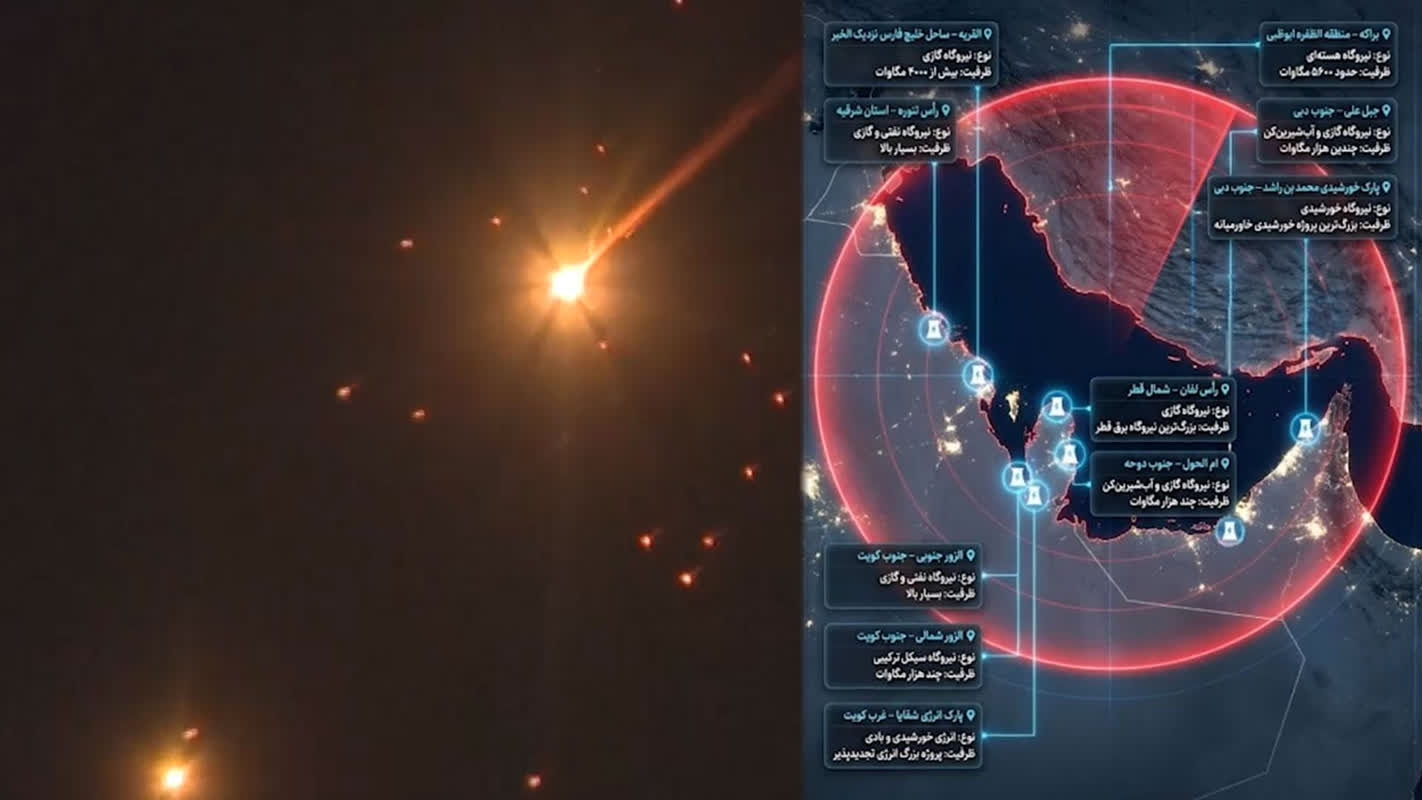
He also accused the administration of having no plan for securing the Strait of Hormuz. \"I can't go into operational details about how Iran is blocking the strait,\" Murphy said, \"but right now we don't have a safe way to reopen it. That was 100 percent predictable and unforgivable.\"
Reaction on U.S. social platforms was sharp. One user scoffed, \"Of course they had no plan — they're only realizing it now.\" Others derided the official operation name \"Epic Fury,\" dubbing it \"Epstein Fury\" or the \"Epstein War\" online, insinuating the strikes were intended to distract from the Jeffrey Epstein controversy.
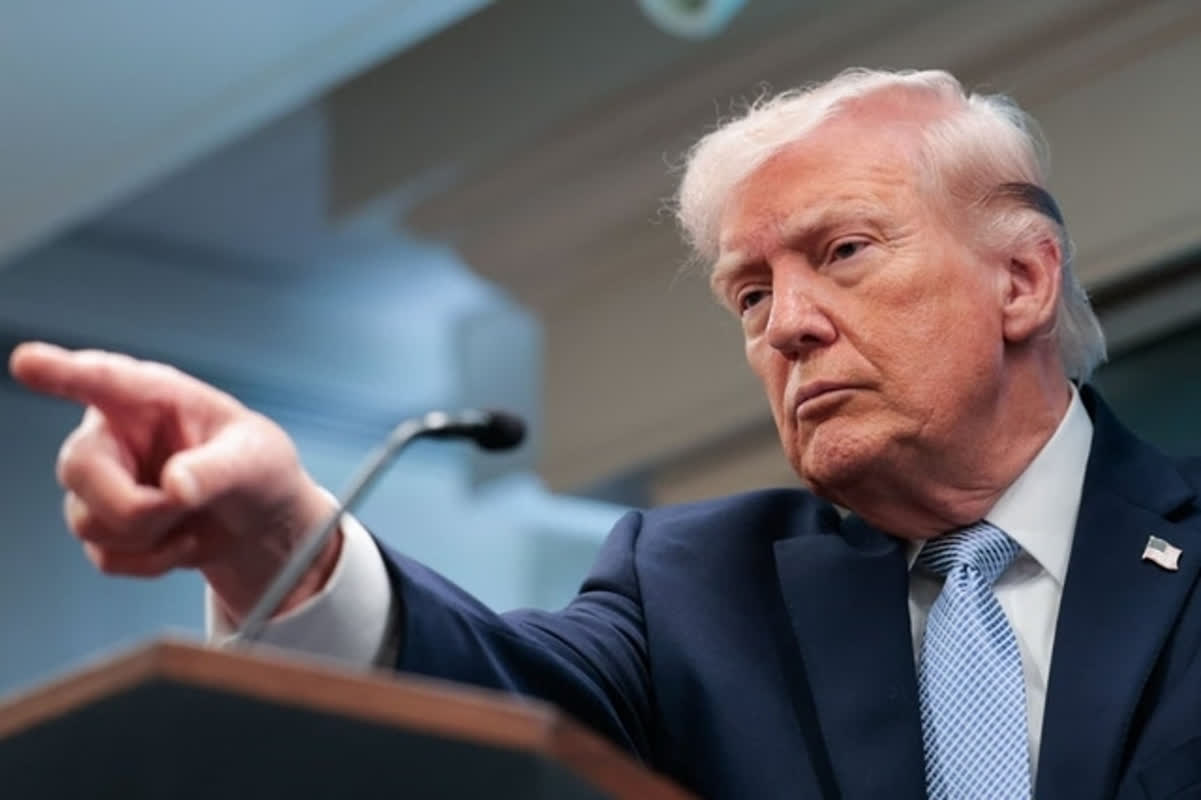
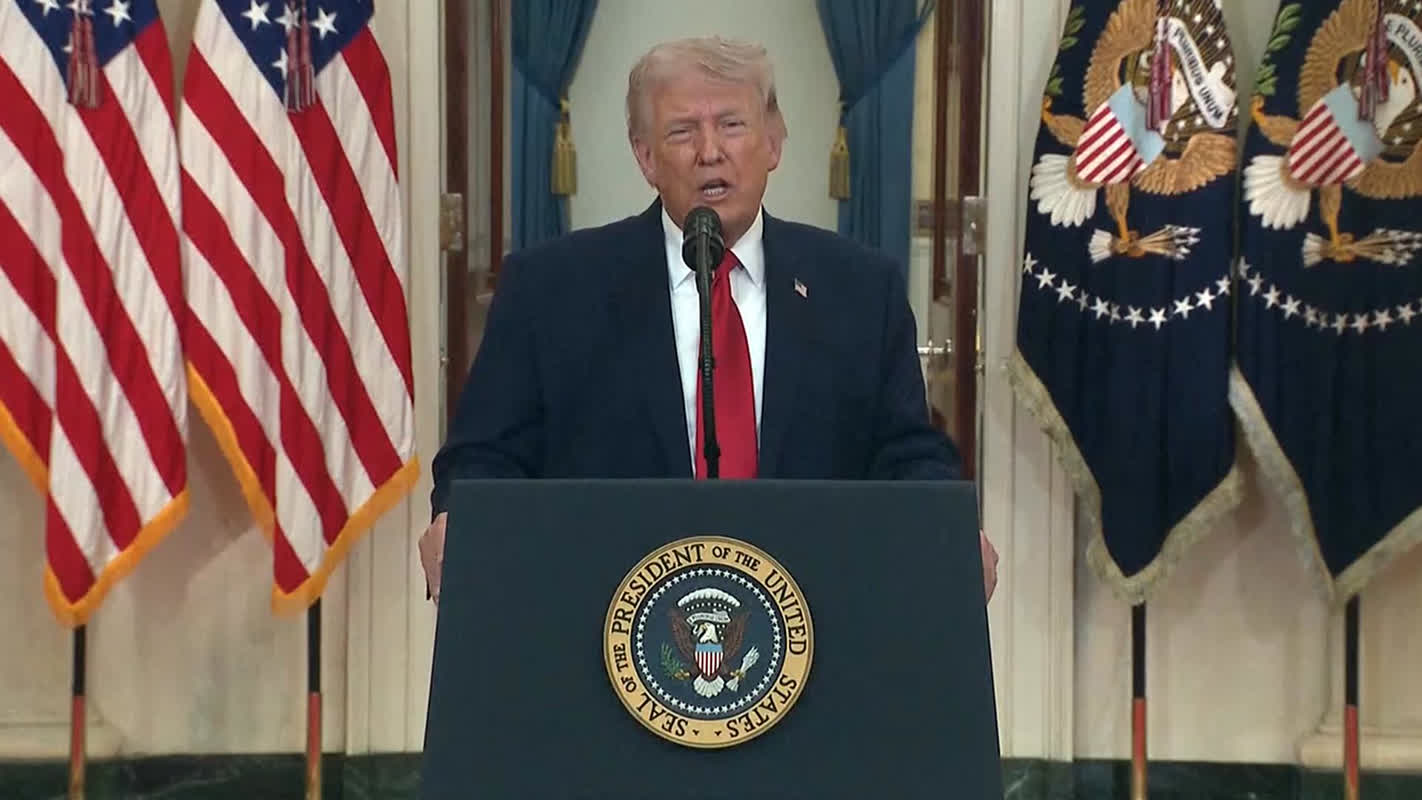
Meanwhile, on March 9 (local time), former President Trump told reporters he expected the war to end \"this week\" or \"within a few days.\" That prediction has done little to restore confidence in the administration's messaging, critics say.