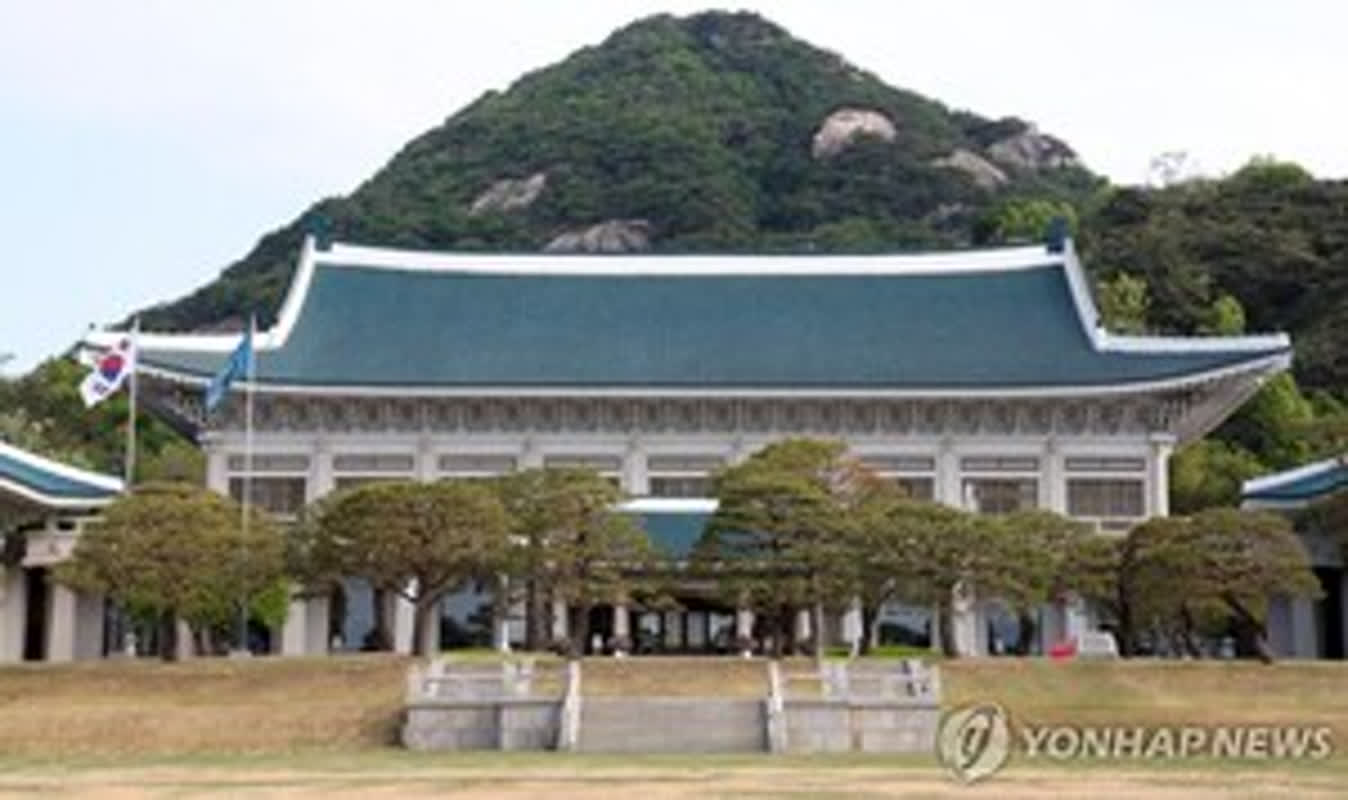
(The CEN News / Reporter Ahn Chaebin) On March 11, the Blue House said the partial redeployment of U.S. Forces Korea air-defense assets to the Middle East would not weaken deterrence against North Korea. Officials pointed to South Korea's overall military capabilities, defense budget, defense-industry capacity and troop morale as factors that preserve deterrence.
Addressing media reports that U.S. air-defense systems in Korea — including THAAD and Patriot batteries — had been moved to the Middle East, the Blue House stressed that it is not appropriate for the government to directly comment on allied force operations.
Seoul and Washington, it said, maintain a robust combined defense posture and are cooperating closely to uphold peace and stability on the Korean Peninsula and across the region.
The Blue House also warned that excessive or speculative reporting on militarily sensitive issues is counterproductive, undermining national security interests, the safety of citizens abroad, international defense cooperation and relations with key Middle Eastern partners.
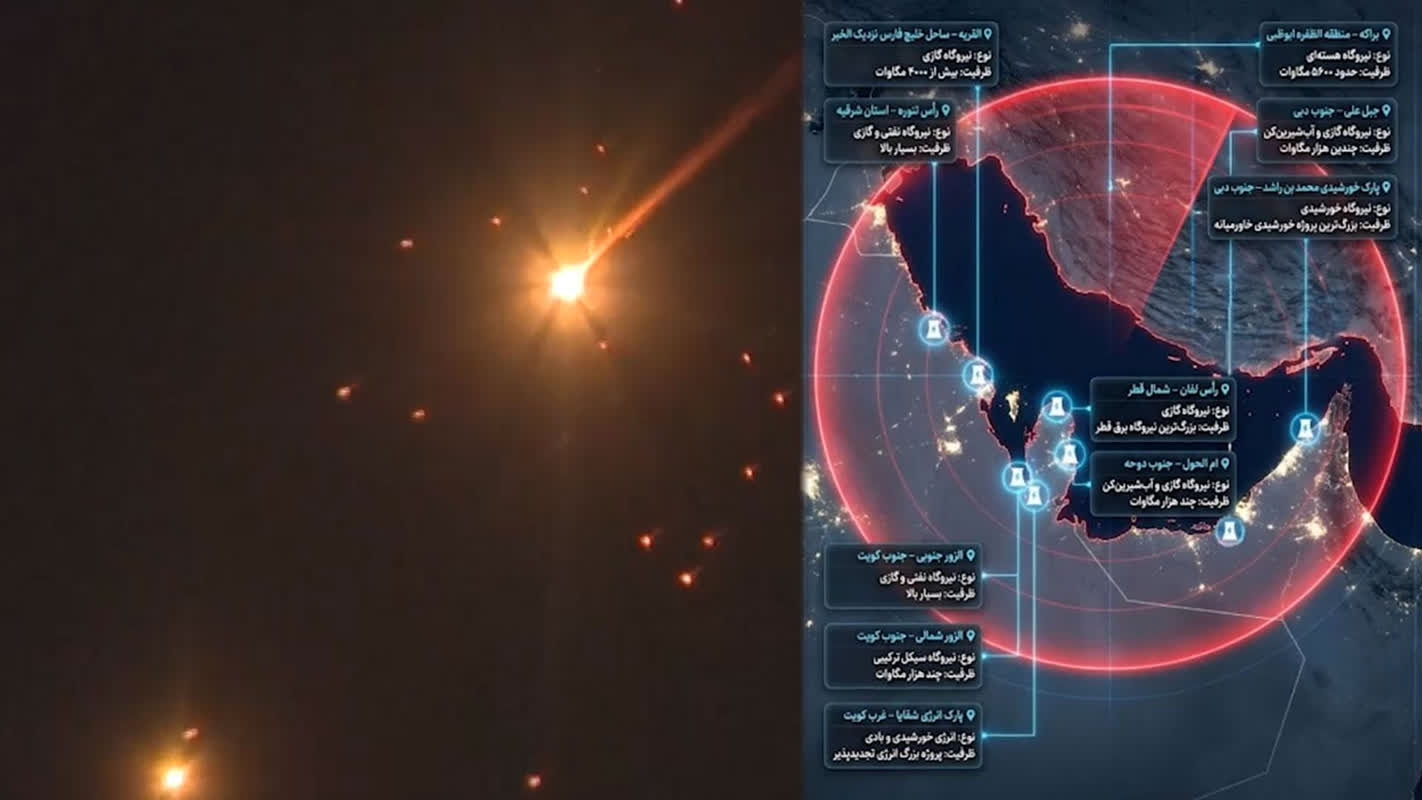
Reports on movements of U.S. air-defense assets to the Middle East have continued since the outbreak of war in Iran, but the Blue House has taken a cautious stance. It reiterated the same position after the Washington Post reported that part of the THAAD system had been moved to the Middle East.
The Blue House said it reviews global developments related to the Middle East and coordinates responses across security, economic and other sectors during daily situation review meetings.
Photo = Yonhap News Agency
(The CEN News) Reporter Ahn Chaebin press@mhns.co.kr