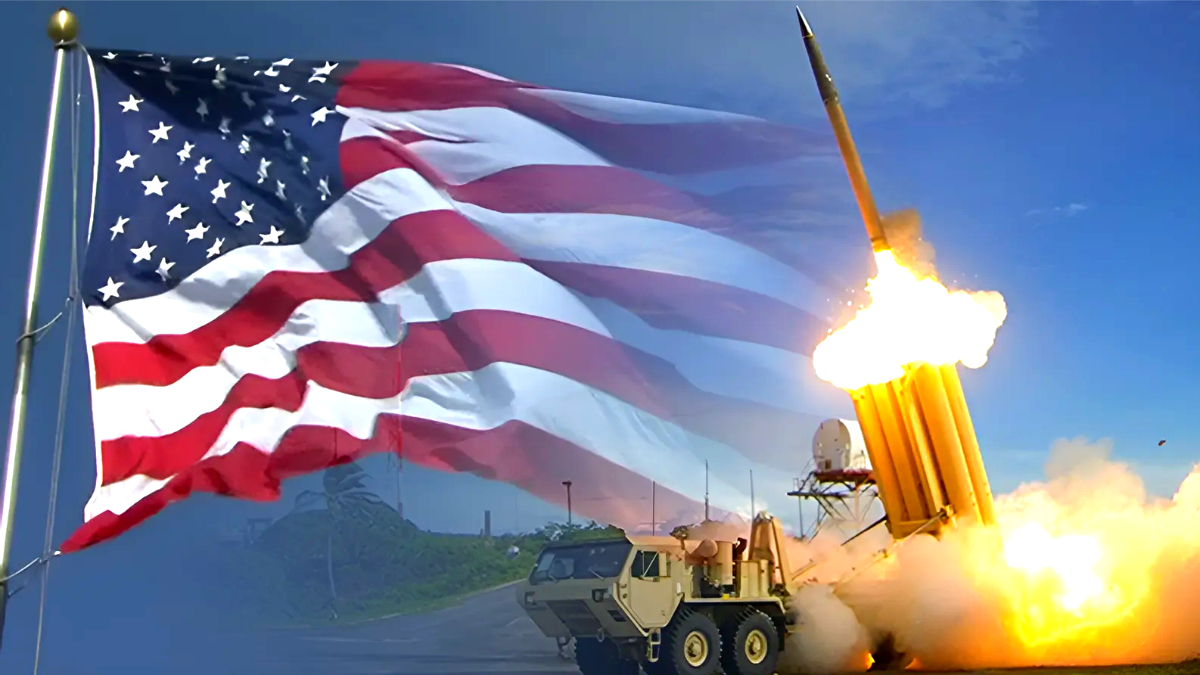
The public account from the U.S. Forces Korea commander about the Osan Air Base episode has upended security assumptions many South Koreans long took for granted.
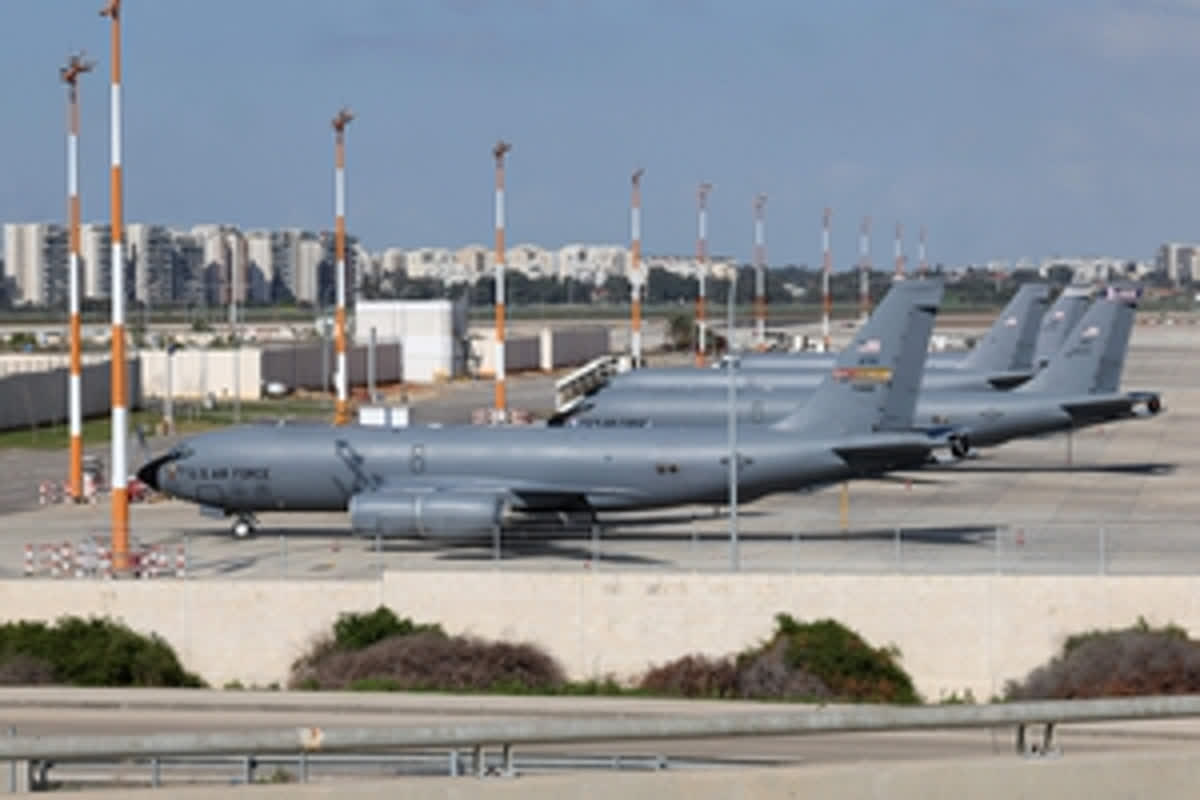
At a Senate Armed Services Committee hearing, USFK commander Javier Brunson said moving equipment to Osan to prepare for ammunition transport sparked significant alarm across the peninsula.
His testimony went beyond a routine explanation; it made clear that advanced defensive systems stationed in South Korea are not necessarily dedicated solely to defending the country.
No weapon is permanent — the U.S. military's intent comes into focus
Brunson said the Terminal High Altitude Area Defense (THAAD) system itself remains on the peninsula.
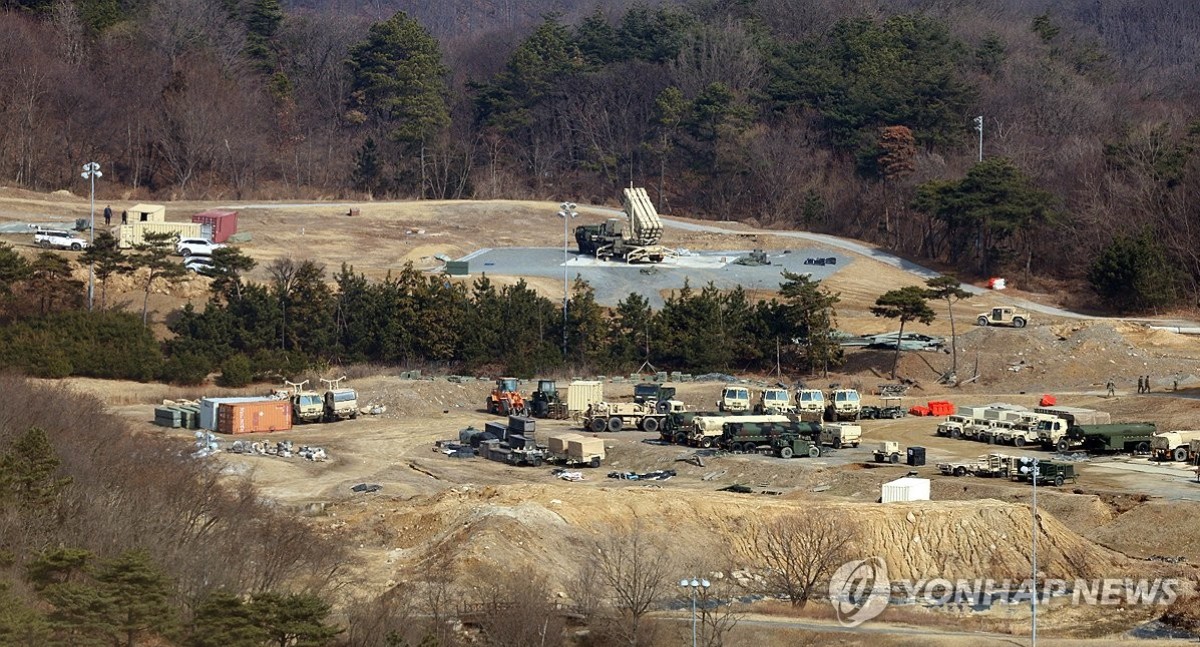
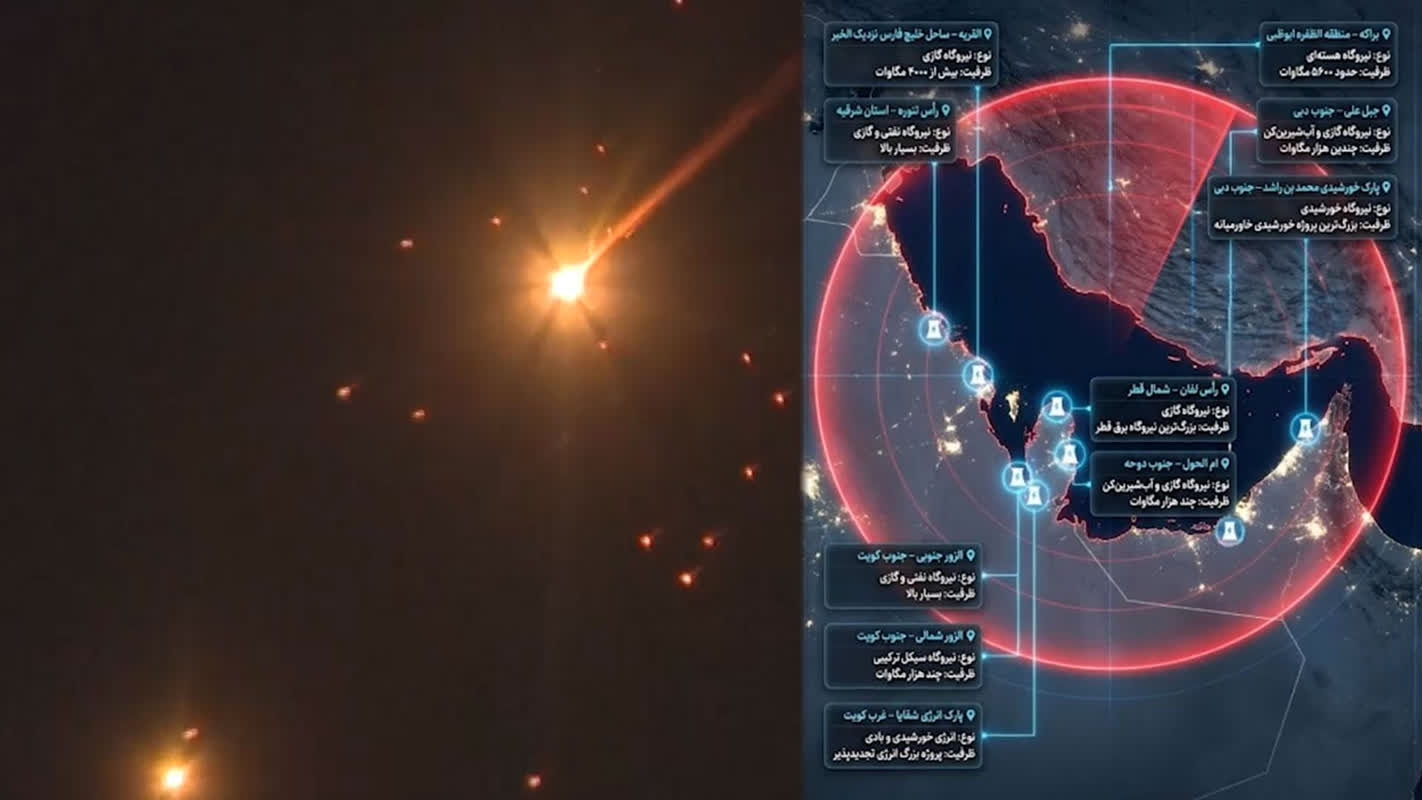
He also made clear that key munitions for the THAAD system are staged and ready to move to other theaters.
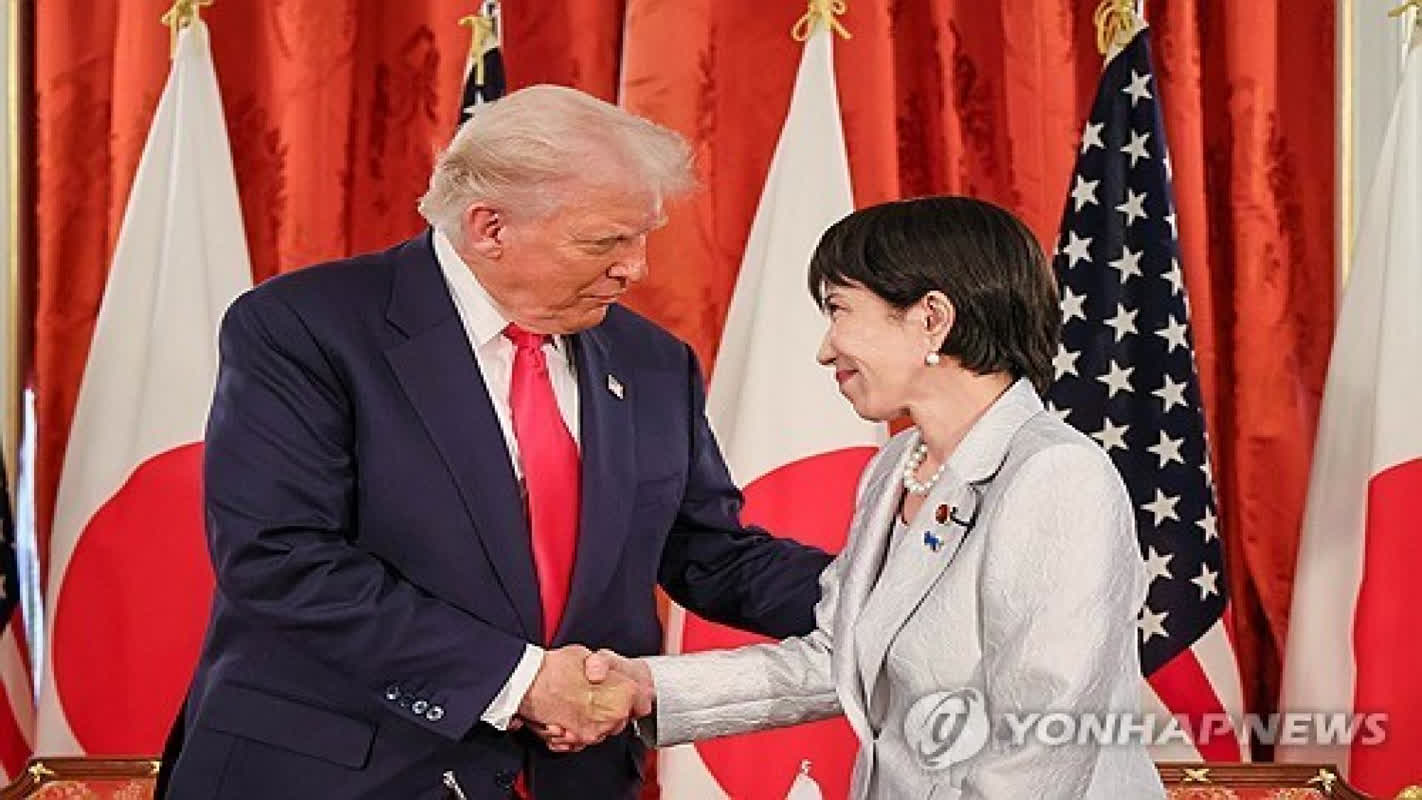
Washington is applying \"strategic flexibility\"—the rapid redeployment of critical assets like radars and interceptors in response to global crises—to the peninsula as well.
Historically, Seoul regarded USFK equipment as effectively permanent, a constant hedge against North Korea's military threat.
Now a tougher calculus is on display: the U.S. can reassign and use assets in Korea to meet urgent needs in the continental U.S., the Middle East, or elsewhere.

At the hearing, Brunson stressed a capabilities-centered approach rather than counting deployed systems—aligning with the broader strategic shift.
He signaled plainly that mobility, not the static number of systems in one place, will become a key security standard: assets will be deployed and relocated as mission needs dictate.
Air-defense gaps loom — K-security must prove independent deterrence
If the U.S. begins rotating assets in and out of Korea more freely, the security implications for the peninsula will be significant.
A sudden, large-scale overseas conflict that pulls U.S. air-defense assets away could create temporary gaps in South Korea's missile-intercept network when responding to North Korean provocations.
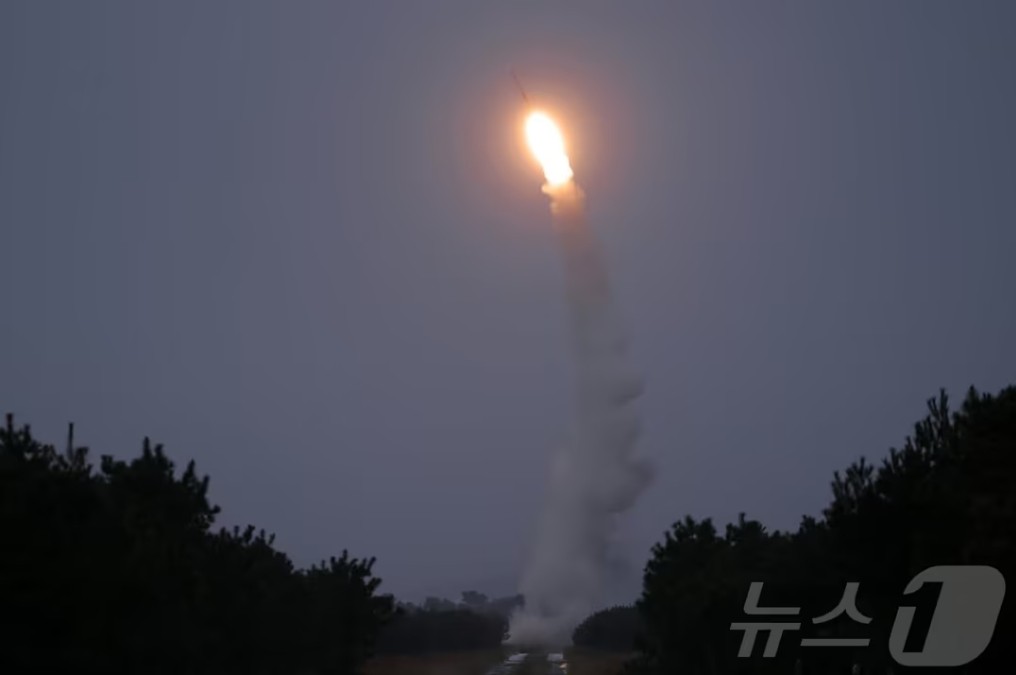
That scenario exposes the structural limits of a defense posture that has relied heavily on the U.S. security umbrella.
Seoul's military, however, is not without options.
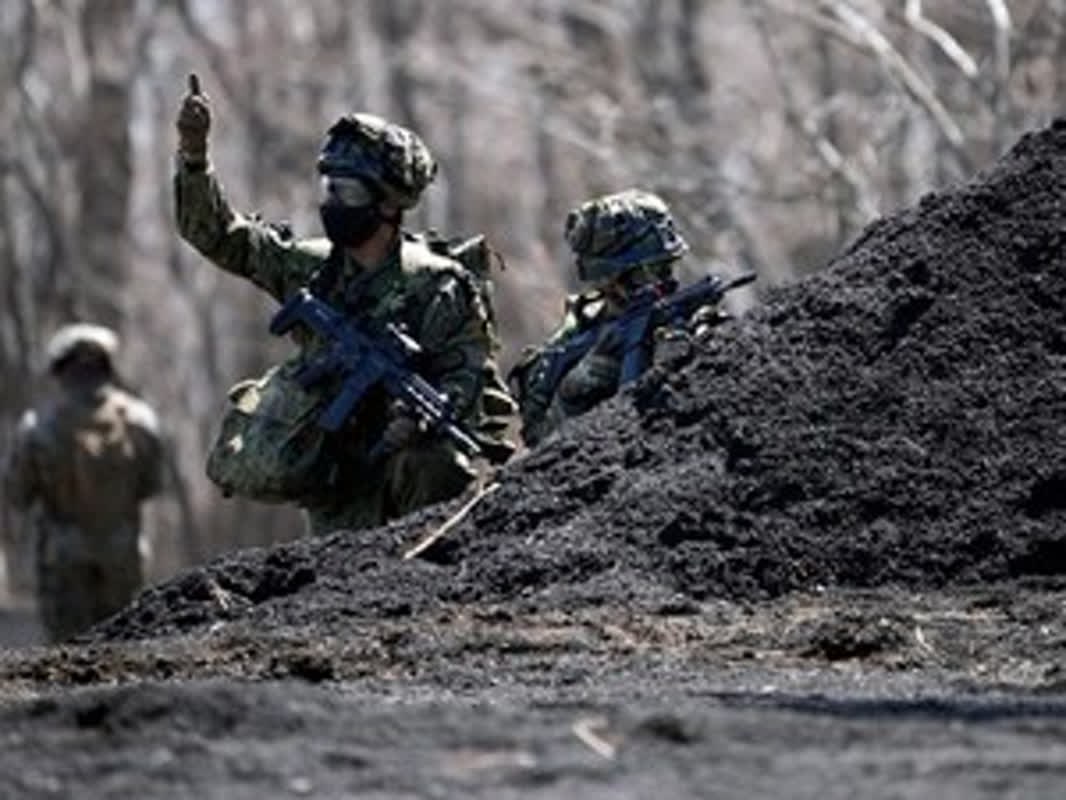
President Lee Jae-myung has emphasized that even if the U.S. redeploys weapons away from the peninsula, South Korean forces can still deter any North Korean threat.
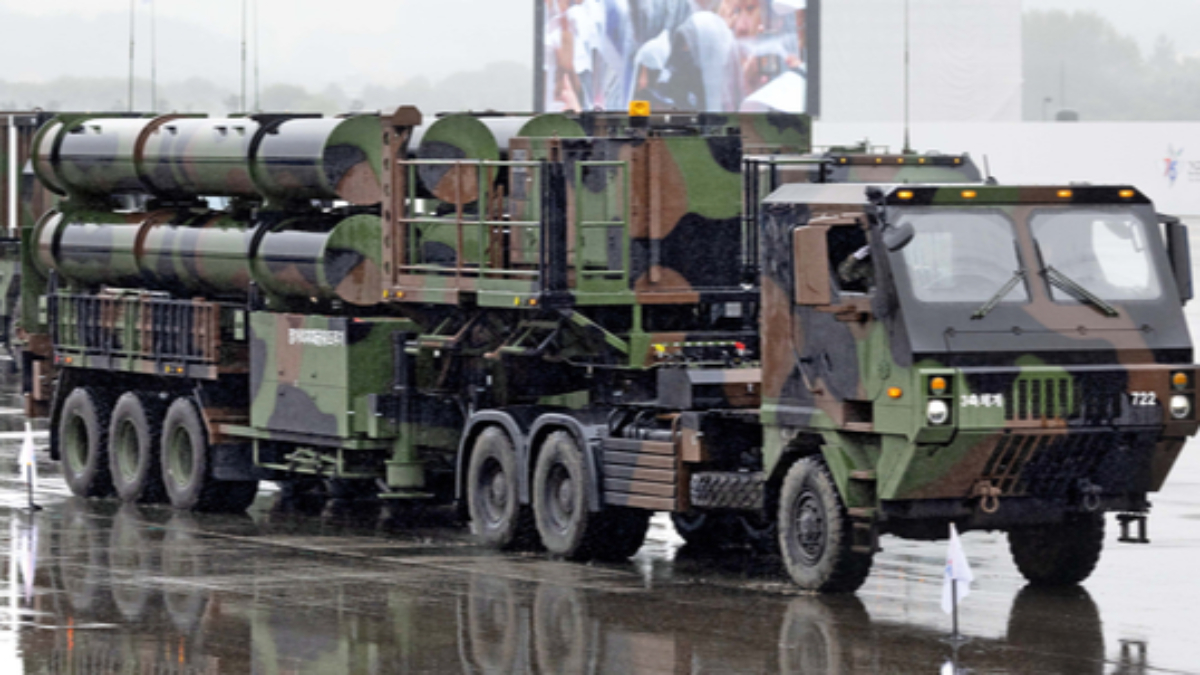
In practice, Seoul has focused on strengthening layered defenses—upgrading the Korea Air and Missile Defense (KAMD) system and fielding long-range surface-to-air missiles (L-SAM)—rather than stoking needless panic.
Ultimately, the Osan controversy sparked by Brunson poses a stark challenge: Seoul must fundamentally rethink how it views U.S. military assets.
With U.S. strategic priorities in flux, South Korea faces a decisive test—to demonstrate robust, independent defense capabilities that can withstand external shifts.