 |
| /Yonhap |
On social media, Trump reminded followers that he had given Iran 10 days to negotiate or reopen the Strait of Hormuz, and said time was nearly up. \"In 48 hours, all hell will break loose upon them,\" he wrote, making clear he would not extend the deadline after moving an earlier March 27 cutoff to April 6.
In a nationally televised address on April 1, Trump vowed to deliver \"extremely powerful blows\" against Iran over the next two to three weeks that would set the country \"back to the Stone Age,\" signaling a hard-line posture. Some observers speculated the address might be used to signal a de-escalation or end to the conflict—his first live nationwide speech since the fighting began—but instead he issued stark threats. On March 30 he warned he would completely obliterate every power plant, oil well and even Kharg Island if talks failed. Attacking civilian infrastructure can constitute a war crime under international law, and strikes on Iran’s oil facilities would likely drive global crude prices higher—one reason the U.S., unlike Israel, has so far restrained strikes on Iranian oil targets.
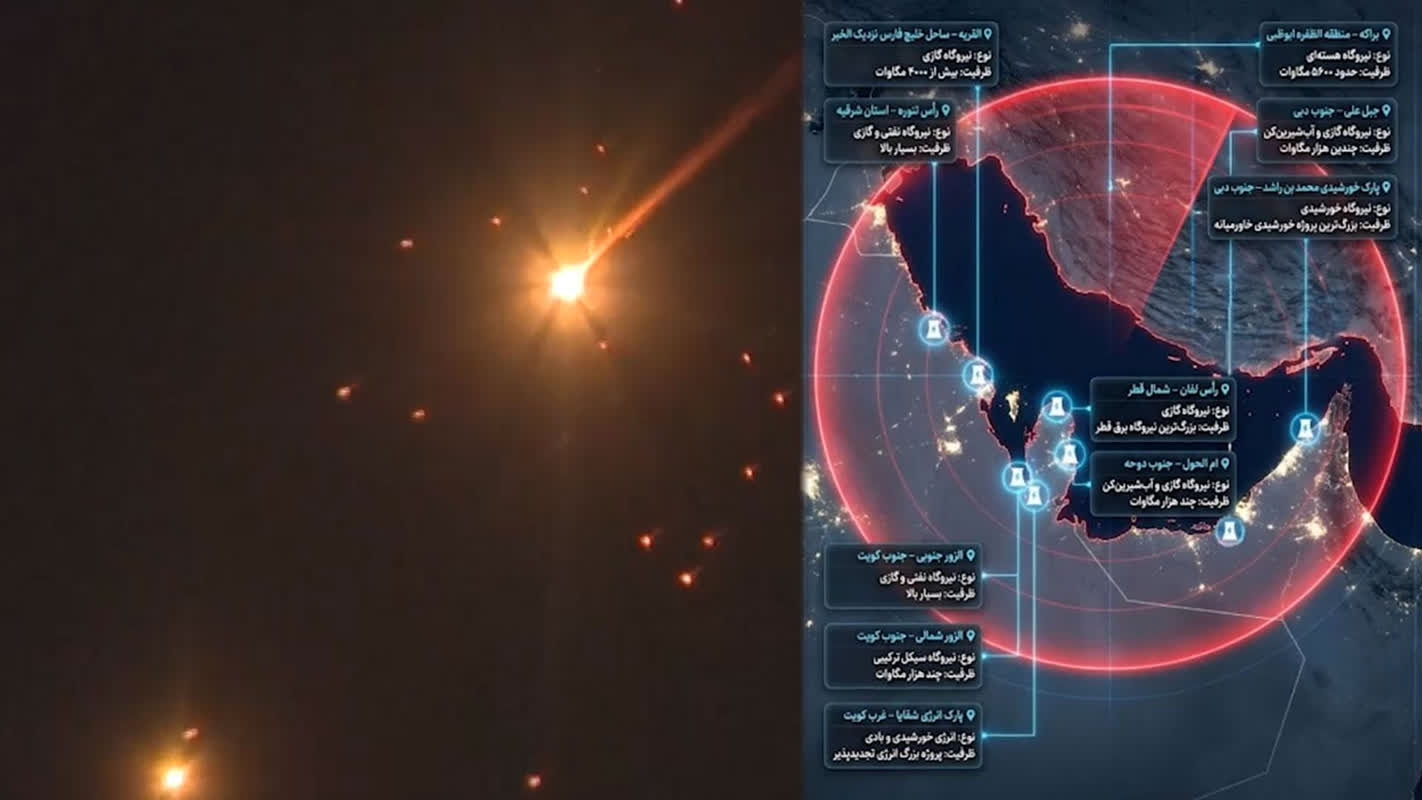
Even with those constraints, if the U.S. moves forward with attacks on Iran’s civilian energy infrastructure this week, global markets, exchange rates and oil prices could face a new shock. If Iran responds with indiscriminate strikes on oil facilities in U.S.-aligned states such as Saudi Arabia, the United Arab Emirates and Qatar, elevated oil prices could persist long after active fighting ends. J.P. Morgan warned that if shipping through the Strait of Hormuz and associated flows do not recover by mid-May, international oil prices could spike above $150 per barrel.
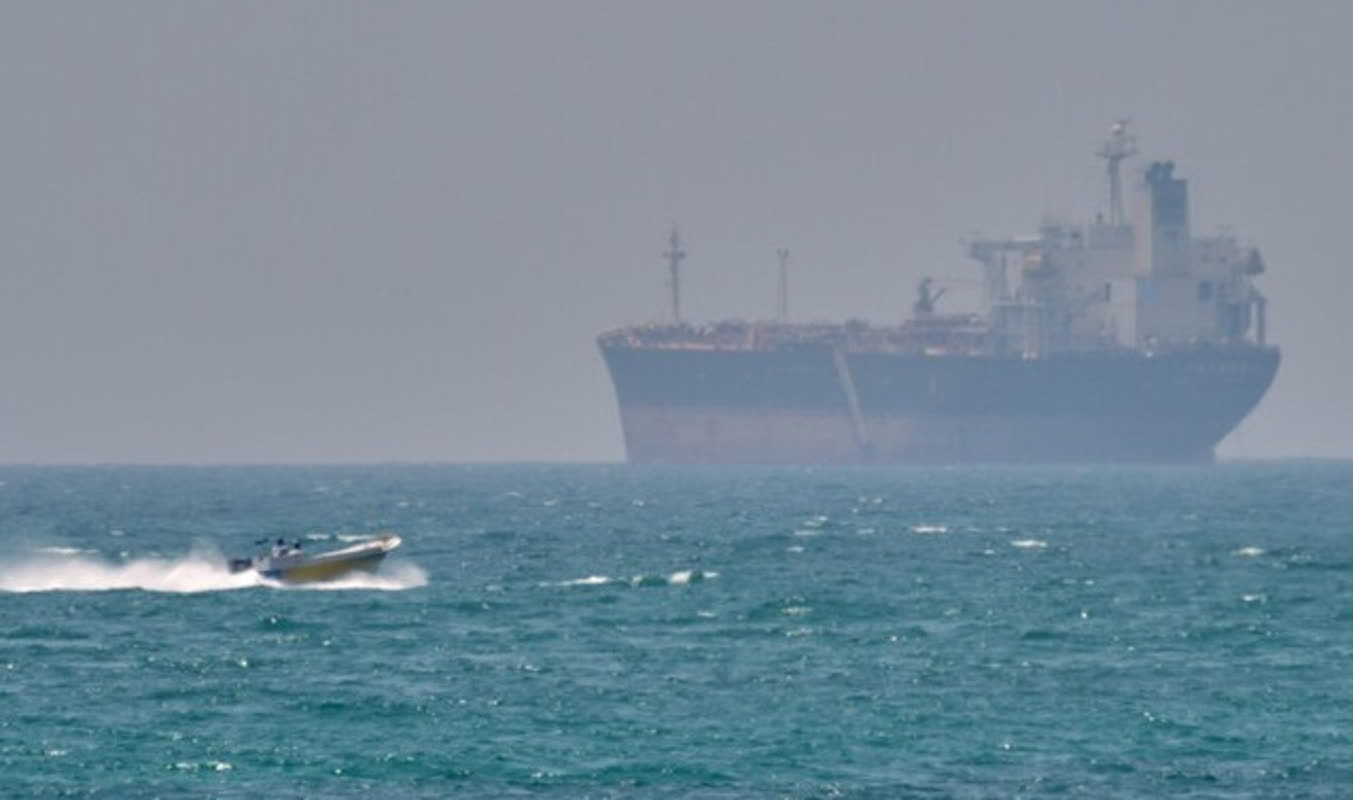
Iran could still come to the negotiating table at the last minute, but Seoul—and allied partners—must prepare for the worst-case scenario. Iran has threatened to block the Bab el-Mandeb Strait, the gateway to the Red Sea, citing the global shipments of oil, liquefied natural gas, wheat, rice and fertilizer that transit the route. A shutdown of the Red Sea corridor would add roughly 15 days to shipments from South Korea to Europe for semiconductors, steel and consumer electronics.
Japan, France and Iraq have secured bilateral arrangements with Iran to allow passage for some of their tankers and merchant ships through the Strait of Hormuz. Seoul should press for coordinated international efforts to keep the Strait of Hormuz open and to remove transit tolls, while simultaneously pursuing direct talks with Tehran.