As with Venezuela, hints at tanker seizures; likely aimed at choking Iran’s oil lifeline
Washington may press allies to join a blockade
“If talks fail, we’ll consider extreme measures”...concerns rise over a sharp spike in global oil prices
“We’ll begin clearing mines — anyone who fires will be sent to hell”
Also hinted at an operation to remove highly enriched uranium from Iran
Washington may press allies to join a blockade
“If talks fail, we’ll consider extreme measures”...concerns rise over a sharp spike in global oil prices
“We’ll begin clearing mines — anyone who fires will be sent to hell”
Also hinted at an operation to remove highly enriched uranium from Iran
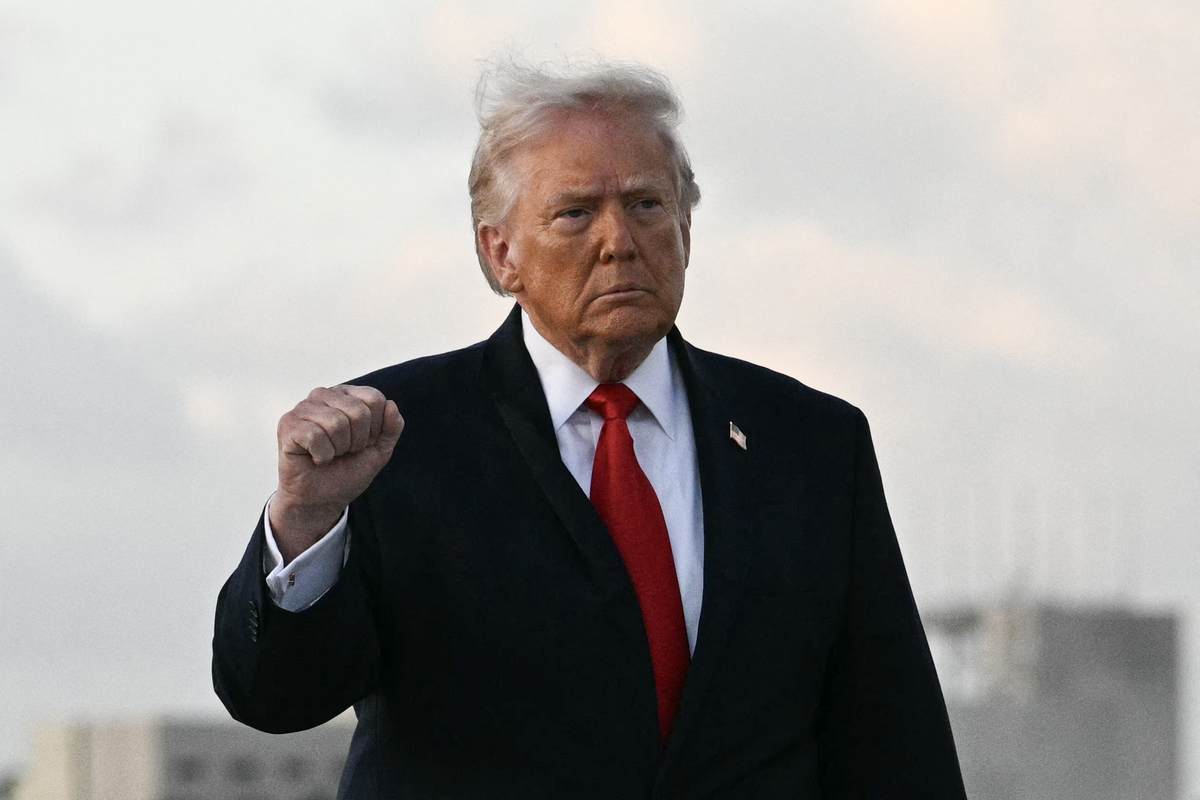
On the 12th (local time), Trump posted on Truth Social: “The world’s most powerful U.S. Navy will start a blockade on every vessel entering or leaving the Strait of Hormuz,” and added that “other countries will join the blockade.”
He also shared an article arguing the U.S. should impose a maritime blockade to force Iran to give ground. The logic mirrors the Venezuela action: halt Iran’s oil exports to damage its economy and use diplomatic pressure on major buyers such as China and India.
Trump said he had ordered the U.S. Navy “to find and intercept any ship that paid tolls to Iran in international waters,” warning that anyone who paid illegal tolls “will not have safe passage on the high seas.” He framed the directive as a way to block toll payments to Iran and prevent breaches in a blockade. Analysts warn that such an extreme step to halt oil exports could push global oil prices sharply higher.
He also said the U.S. would intensify mine-clearance operations, saying, “We will begin removing mines laid in the strait,” and warning, “Anyone in Iran who fires on peaceful ships will be blown to hell.” A day earlier, U.S. forces said two destroyers transited the Strait of Hormuz while talks with Iran were ongoing.
Trump said Iran “won’t be allowed to profit from this illegal extortion,” stressing, “They want money, and, more importantly, they want a nuclear weapon.” He added that “when the time is right, our military will finish off the remaining material in Iran,” signaling a possible operation to remove or dilute Iran’s highly enriched uranium.
Describing the 21-hour talks in Islamabad, he summarized: “Here’s the conclusion: the talks went smoothly, and we agreed on most issues, but on the one truly important issue — the nuclear issue — we did not.” During the marathon negotiations, Iran suggested progress by saying technical documents were being exchanged; Trump’s account implies agreement on many points but a stalemate over the nuclear file.
In a separate post, he declared, “Iran has no intention of abandoning its nuclear ambitions!” He described Iran as “capricious, difficult, and unpredictable,” saying that many negotiated terms mean little if such actors obtain nuclear weapons. “As I’ve said from the start, Iran will never have a nuclear weapon!” he added.