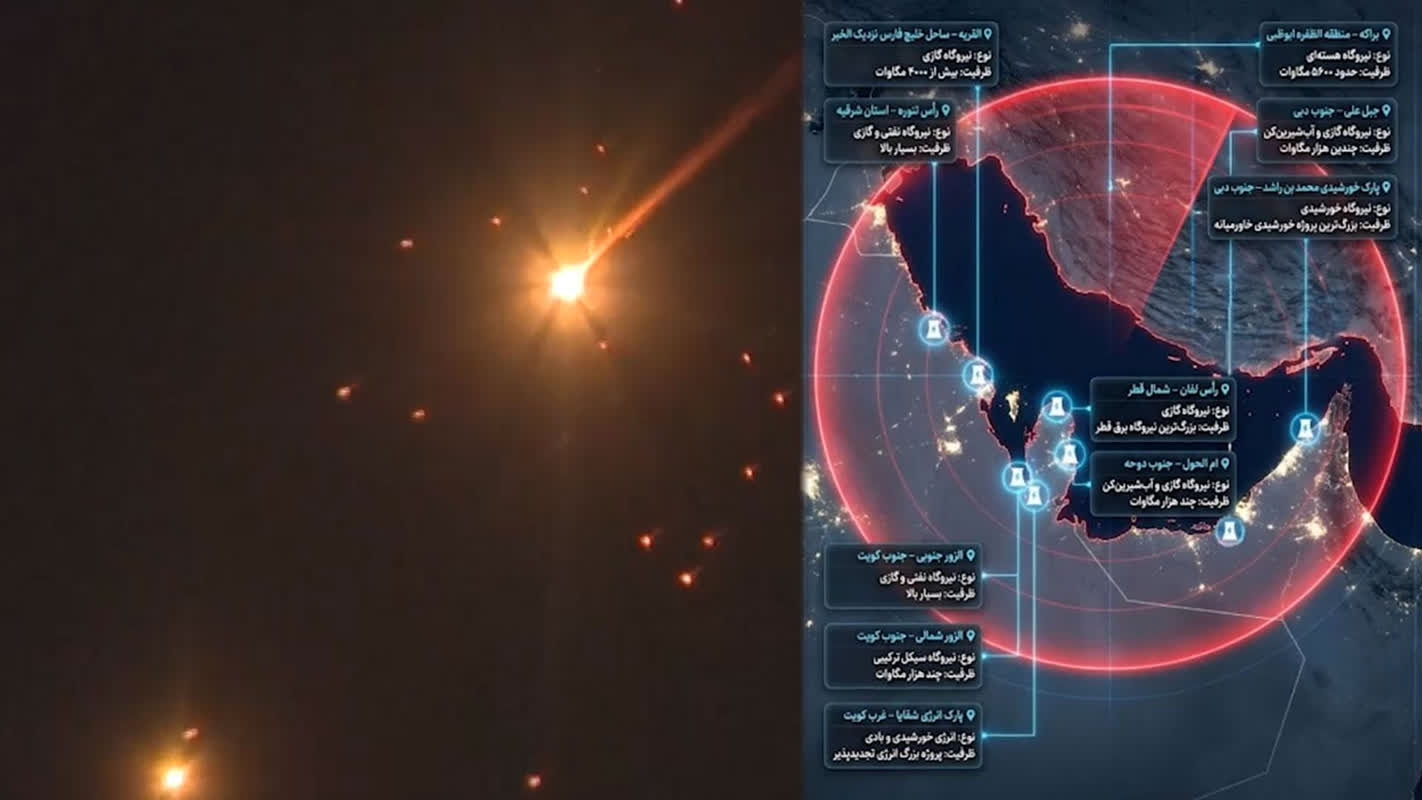
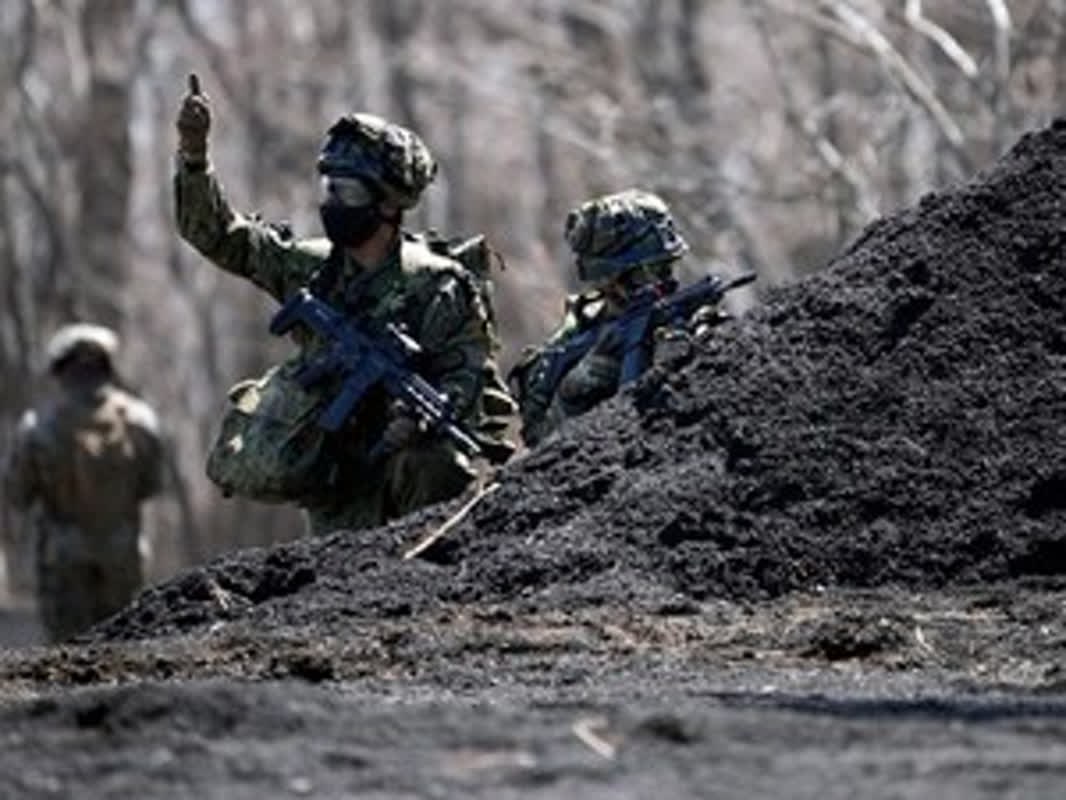
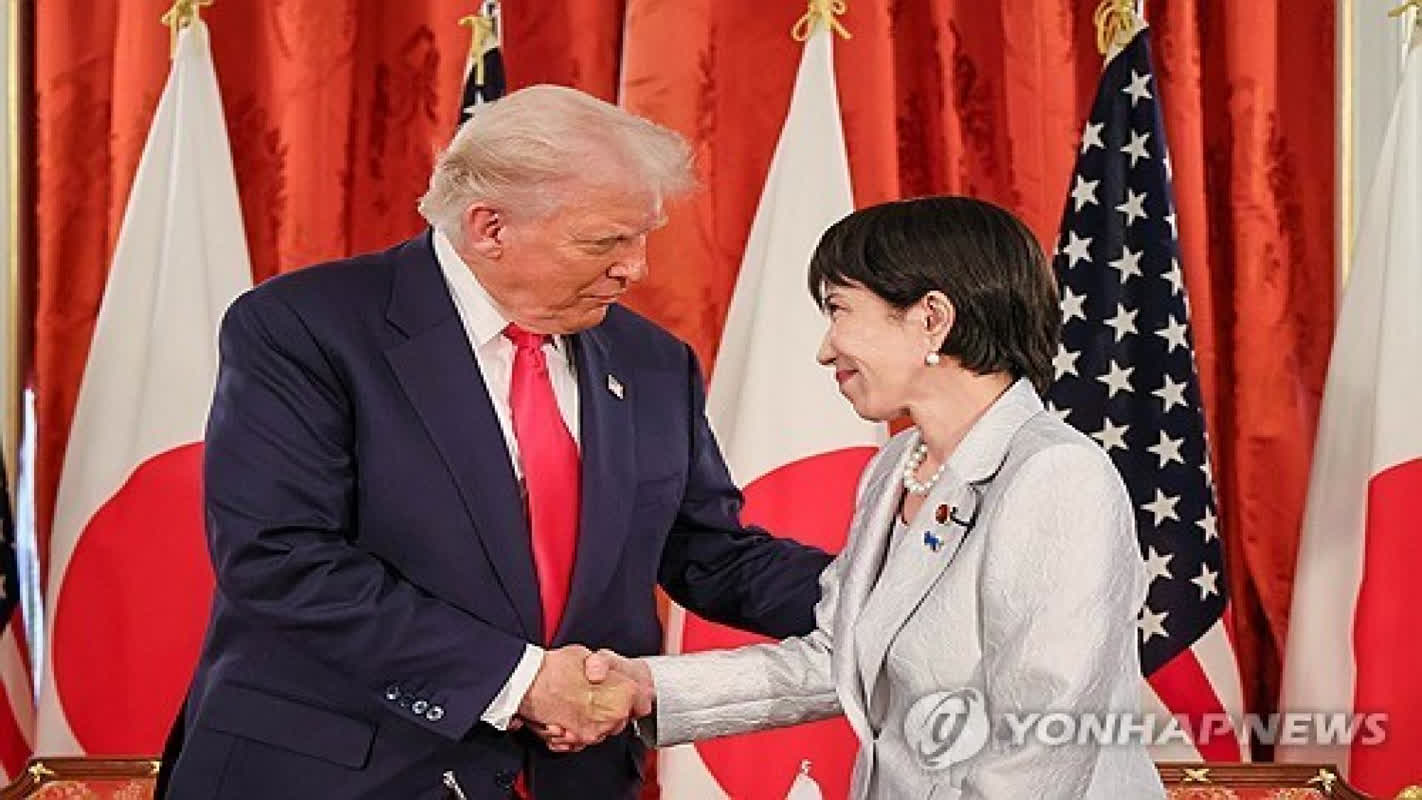
「Guests: Ma Young-sam, former ambassador to Israel; Seong Il-gwang, professor, Euromena Research Institute, Sogang University」 Reports indicate President Trump received a 45‑minute briefing on a possible “final strike” option, and officials are reportedly weighing deployment of advanced weapons systems to the Middle East. U.S. and Israeli planners are also said to be considering options that include sending ground forces and special operations units. To assess the rapidly escalating situation, we spoke with Ma Young-sam, former ambassador to Israel, and Seong Il-gwang, a professor at Sogang University’s Euromena Research Institute.「Question 1」 Two days before the U.S. and Israel carried out a surprise airstrike on Iran, on Feb. 26, President Trump received a similar briefing. Analysts say that 45‑minute briefing included options to break the negotiation deadlock with a “final strike” or to seize portions of the Strait of Hormuz. How realistic are those options?「Question 2」 One source characterizes the military options under discussion as effectively a scorched‑earth plan, including strikes on Iran’s civilian infrastructure and deployments of ground forces and special units. The amphibious assault ship USS Boxer, reportedly carrying thousands of U.S. Marines, is scheduled to arrive in the region within a week. Given this movement of forces, how much real pressure does Iran face?「Question 3」 Is the surge in military pressure driven largely by the administration’s concern over the War Powers Act deadline? Defense officials have proposed a new accounting that would exclude the 60 days during which a ceasefire held, but is that change alone sufficient to justify continued military action?「Question 4」 Iran’s leadership — through a message from Supreme Leader Mojtaba — has doubled down on its commitment to fight. From Iran’s perspective, can this be read as concluding that “time is on their side”?「Question 5」 Tehran appears to be prioritizing preservation of its nuclear and missile capabilities over advancing peace talks. There are reports of intense internal division: the more negotiation‑oriented president and the parliament speaker are said to be pushing to remove hardliners, including the foreign minister and elements of the Islamic Revolutionary Guard Corps. Is such an internal struggle taking place?「Question 6」 The foreign minister, reportedly facing dismissal, has grown more outspoken. Critics claim the U.S. has spent 147 trillion KRW (approximately 110.25 billion USD) so far on operations related to Iran, and they accuse the Pentagon of understating costs by roughly a factor of four. They also allege that Israeli Prime Minister Netanyahu’s push for military action helped persuade President Trump to become involved. What explains these public claims?「Question 7」 Last night Tehran reactivated its air‑defense systems amid intensified U.S. and Israeli reconnaissance. Approximately 6,500 metric tons of U.S. military equipment — ammunition and armored vehicles — have also arrived in Israel. Given President Trump’s reluctance to sustain a prolonged conflict, how likely is a proxy war fought primarily through Israel?Yonhap News TV — Inquiries and tips: KakaoTalk/LINE jebo23; Hye‑yeon Kim (hyepd@yna.co.kr)
Trump's Military Options: Is a Major Strike on Iran Imminent?
Kim Hye-yeon | 2026.05.03
「Guests: Ma Young-sam, former ambassador to Israel; Seong Il-gwang, professor, Euromena Research Institute, Sogang University」 Reports indicate President Trump received a 45‑minute briefing on a possible “final strike” option, and officials are reportedly weighing deployment of advanced weapons systems to the Middle East. U.S. and Israeli planners are also said to be considering options that include sending ground forces and special operations units. To assess the rapidly escalating situation, we spoke with Ma Young-sam, former ambassador to Israel, and Seong Il-gwang, a professor at Sogang University’s Euromena Research Institute.「Question 1」 Two days before the U.S. and Israel carried out a surprise airstrike on Iran, on Feb. 26, President Trump received a similar briefing. Analysts say that 45‑minute briefing included options to break the negotiation deadlock with a “final strike” or to seize portions of the Strait of Hormuz. How realistic are those options?「Question 2」 One source characterizes the military options under discussion as effectively a scorched‑earth plan, including strikes on Iran’s civilian infrastructure and deployments of ground forces and special units. The amphibious assault ship USS Boxer, reportedly carrying thousands of U.S. Marines, is scheduled to arrive in the region within a week. Given this movement of forces, how much real pressure does Iran face?「Question 3」 Is the surge in military pressure driven largely by the administration’s concern over the War Powers Act deadline? Defense officials have proposed a new accounting that would exclude the 60 days during which a ceasefire held, but is that change alone sufficient to justify continued military action?「Question 4」 Iran’s leadership — through a message from Supreme Leader Mojtaba — has doubled down on its commitment to fight. From Iran’s perspective, can this be read as concluding that “time is on their side”?「Question 5」 Tehran appears to be prioritizing preservation of its nuclear and missile capabilities over advancing peace talks. There are reports of intense internal division: the more negotiation‑oriented president and the parliament speaker are said to be pushing to remove hardliners, including the foreign minister and elements of the Islamic Revolutionary Guard Corps. Is such an internal struggle taking place?「Question 6」 The foreign minister, reportedly facing dismissal, has grown more outspoken. Critics claim the U.S. has spent 147 trillion KRW (approximately 110.25 billion USD) so far on operations related to Iran, and they accuse the Pentagon of understating costs by roughly a factor of four. They also allege that Israeli Prime Minister Netanyahu’s push for military action helped persuade President Trump to become involved. What explains these public claims?「Question 7」 Last night Tehran reactivated its air‑defense systems amid intensified U.S. and Israeli reconnaissance. Approximately 6,500 metric tons of U.S. military equipment — ammunition and armored vehicles — have also arrived in Israel. Given President Trump’s reluctance to sustain a prolonged conflict, how likely is a proxy war fought primarily through Israel?Yonhap News TV — Inquiries and tips: KakaoTalk/LINE jebo23; Hye‑yeon Kim (hyepd@yna.co.kr)

Recommended Posts
Why is the U.S. Detaining Soleimani's Niece? Key Insights into U.S.-Iran Relations

AI in Defense: 4 Key Areas Where South Korea's AX Sprint Project Will Boost Efficiency
Iran's Arashi-2 Drone Strikes Tel Aviv: What You Need to Know About This Advanced Weapon

North Korea's Latest Missile Test: What You Need to Know About the SLBM Threat

First Defense Industry Designation for JeonNam's JK Heavy Industries: What It Means for the Marine Sector
3 UNIFIL Soldiers Hurt in Lebanon: Is the Israel-Hezbollah Tension Escalating?
Latest Popular Posts
Real-time TOP