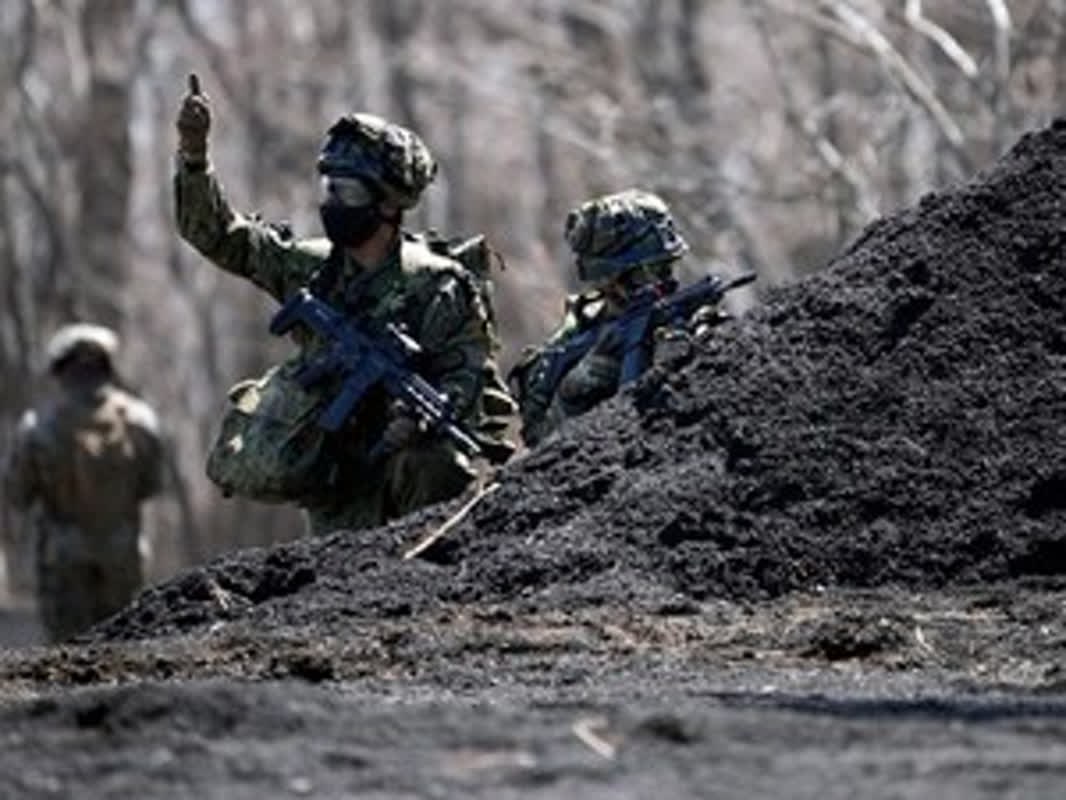
The U.S. military briefed President Donald Trump on a new operational plan targeting Iran, sending tensions in the Middle East back to a high-alert posture. Officials discussed the possible deployment of advanced weapon systems to the region, signaling an increase in military pressure.
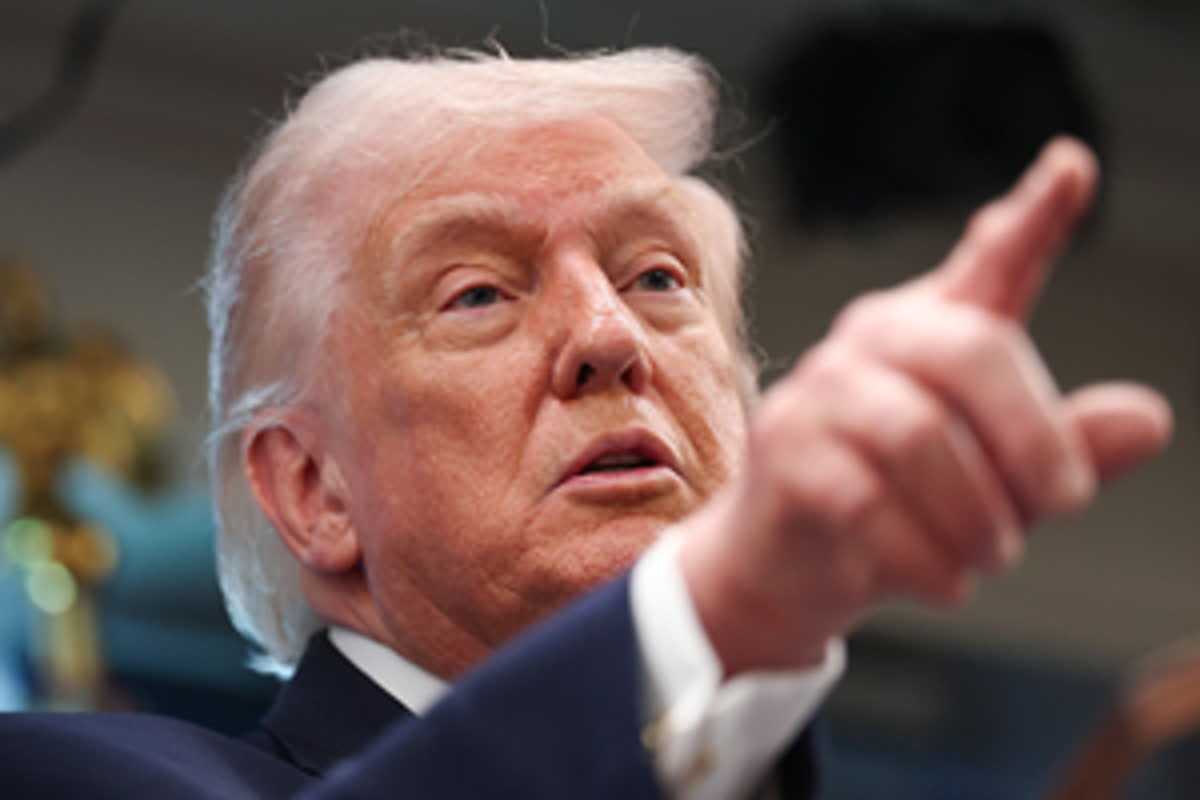
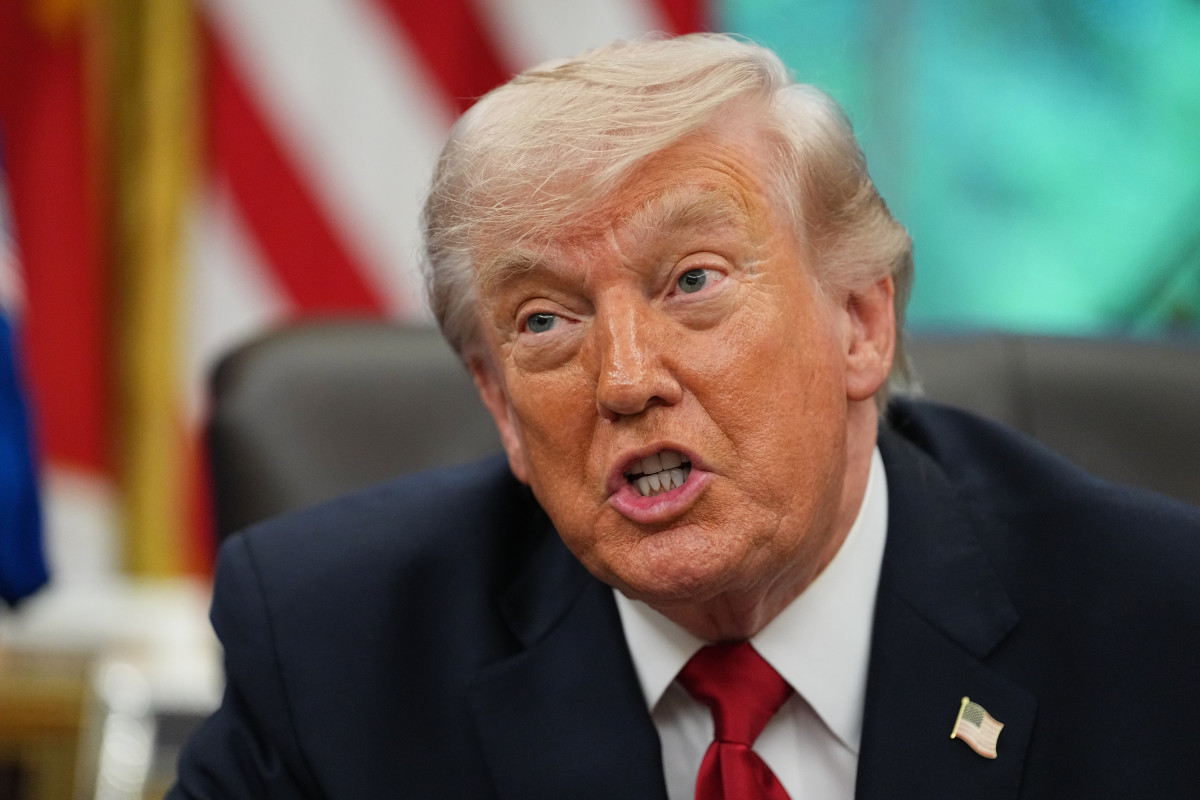
Israel’s N12 reported on the 1st (local time) that Brad Cooper, commander of U.S. Central Command (CENTCOM), which oversees Middle East operations, and Dan Kain, chairman of the U.S. Joint Chiefs of Staff, briefed President Trump for roughly 45 minutes on the evening of the 30th (Eastern Time) about military options related to Iran.
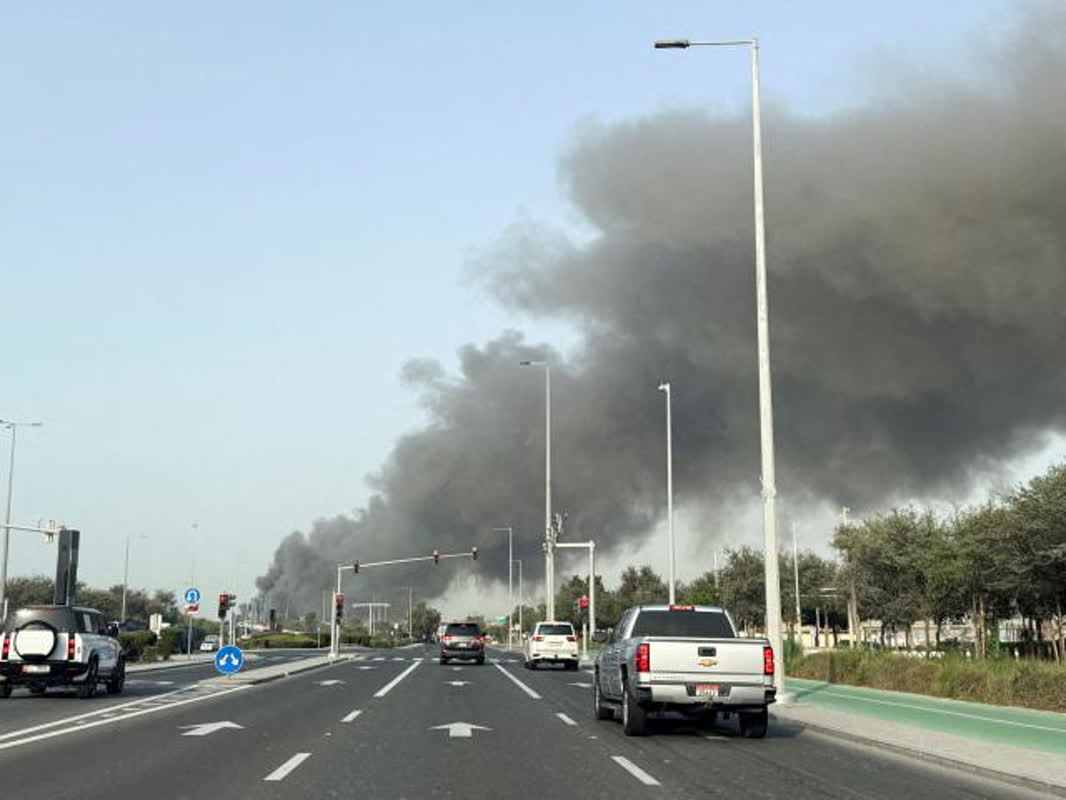
N12 said a similar briefing occurred on Feb. 26 — two days before the U.S. and Israel launched a surprise airstrike against Iran — and suggested that the earlier briefing may have influenced that decision. Some analysts say the president may be weighing options to break a diplomatic stalemate with Tehran or to resume military operations.
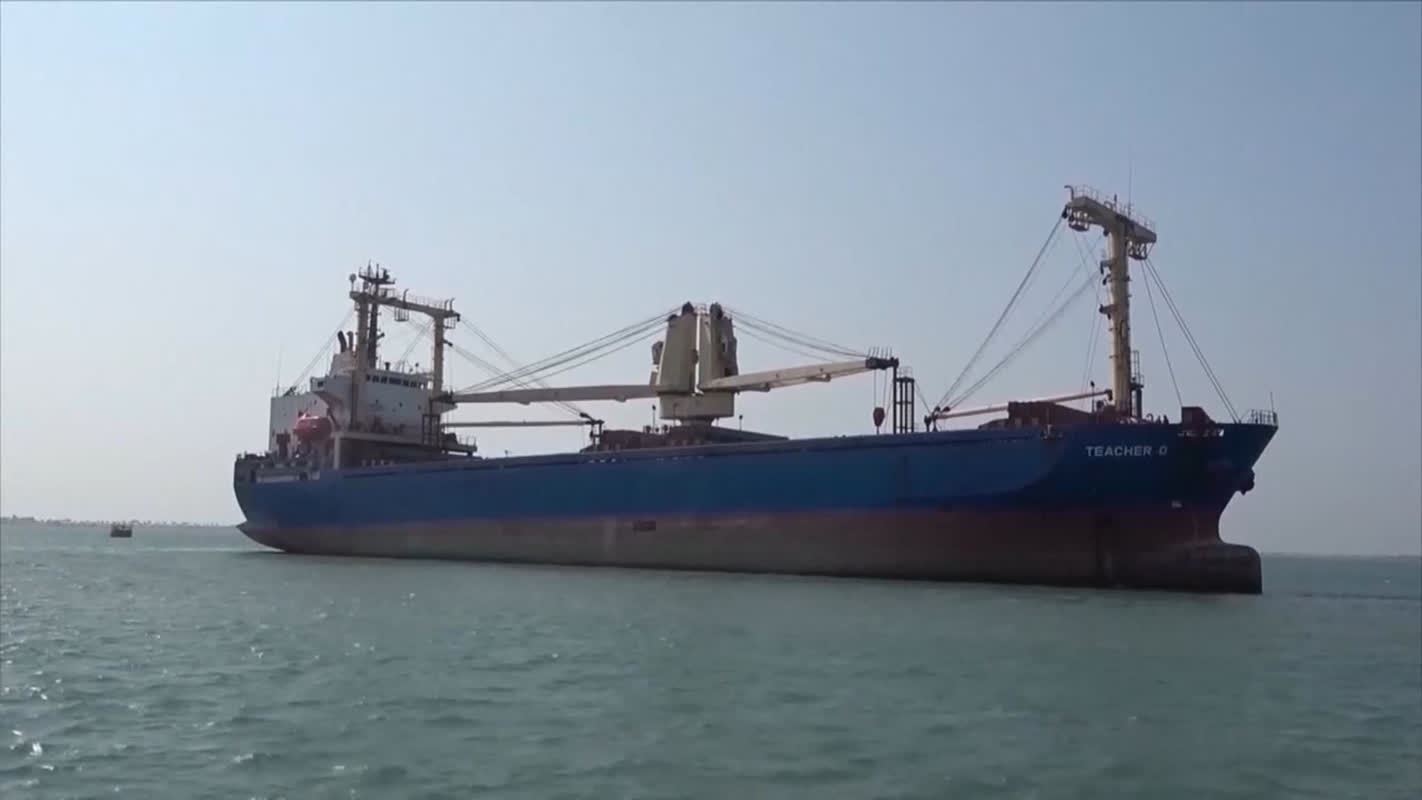
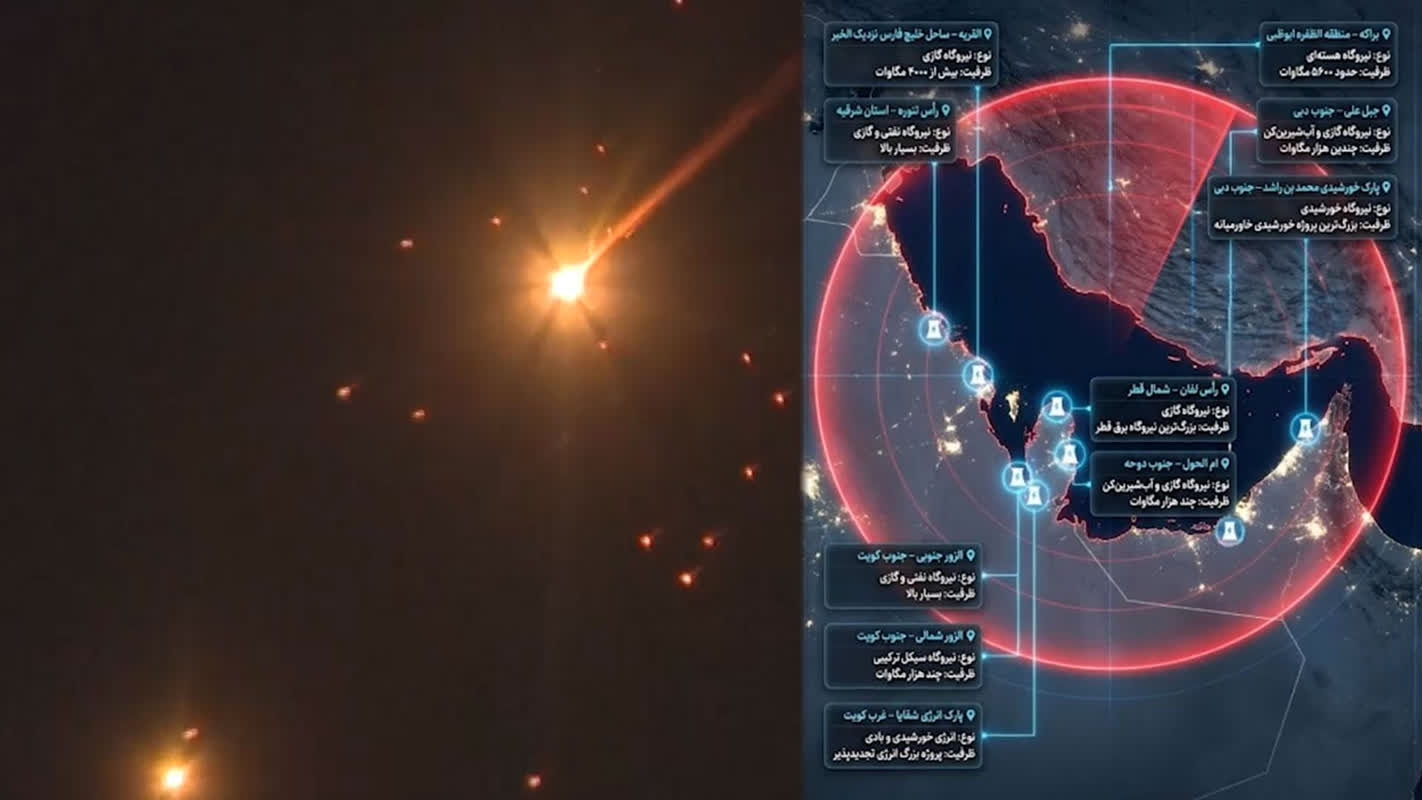
Multiple sources told reporters that CENTCOM has drafted a short, high-intensity airstrike plan that includes precision strikes against key infrastructure. Planners have also considered seizing control of sections of the Strait of Hormuz to restore commercial and tanker traffic, and have not ruled out the possible deployment of ground forces. A special-operations mission to seize Iran’s stockpiles of enriched uranium was also listed among the options.
Those options coincide with consideration of deploying advanced weapons. Bloomberg reported that CENTCOM requested deployment to the Middle East of the LRHW (Long-Range Hypersonic Weapon) dubbed "Dark Eagle," a system reportedly capable of directly striking Iran’s ballistic-missile launchers.
Dark Eagle is reported to fly at speeds exceeding Mach 5 and to have maneuverability designed to defeat interceptors, though it has yet to be deployed in combat.