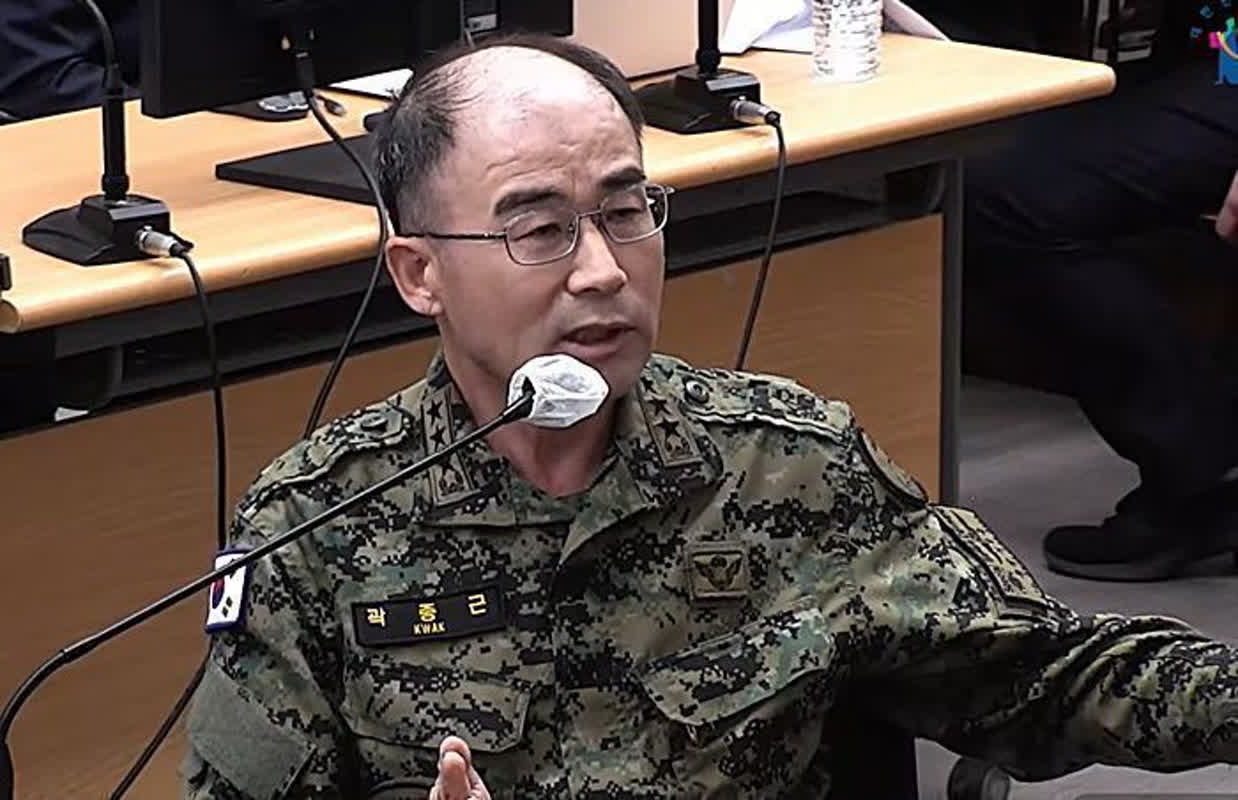
Featuring: Ma Young-sam, former ambassador to Israel · Yang Wook, research fellow at the Asan Institute for Policy Studies
President Trump said negotiations with Iran to end the conflict are progressing well.
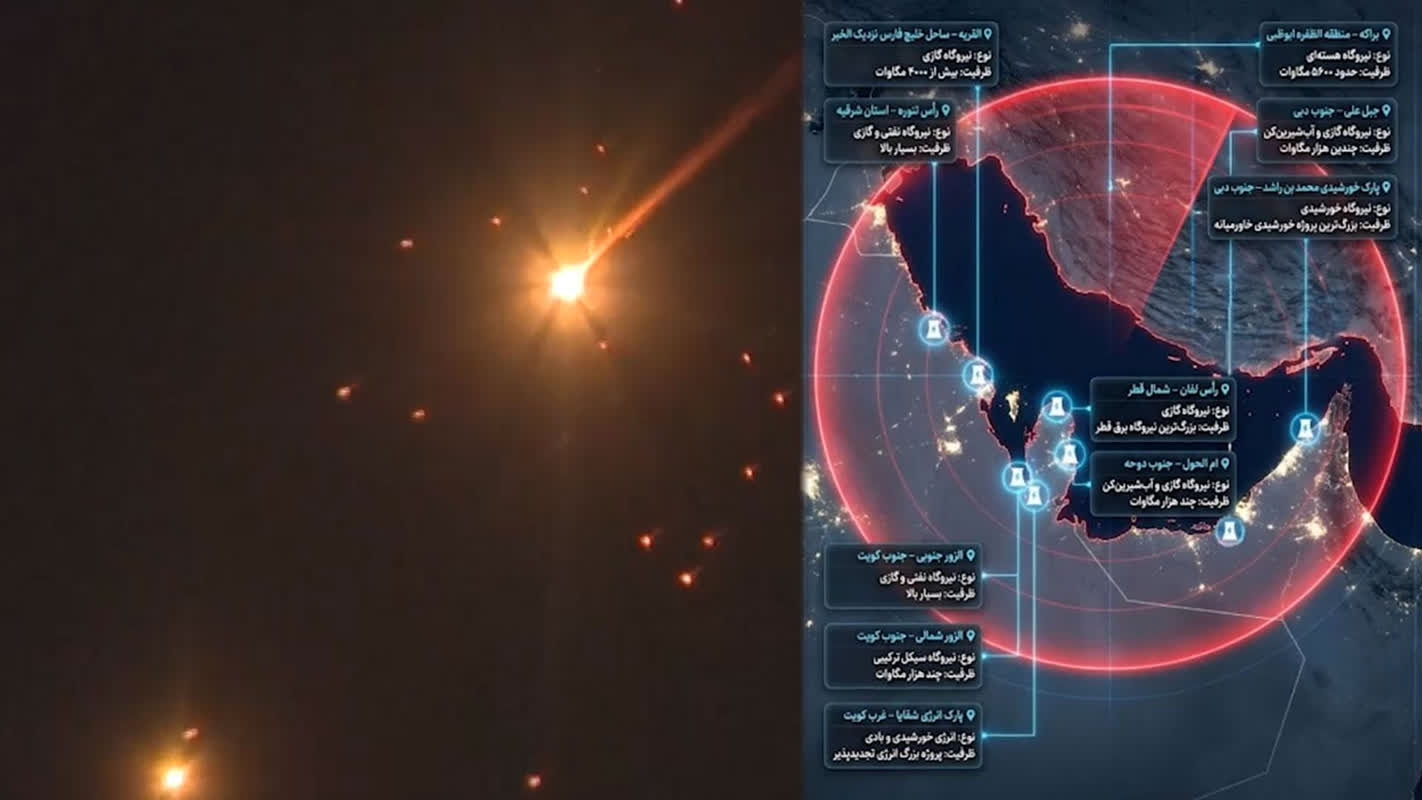
He warned, however, that if talks collapse, the U.S. would devastate Iran’s power plants and oil facilities.
Meanwhile, foreign reports quoting Trump saying, "Even if the Strait of Hormuz remains closed, I'm willing to end the war," have generated controversy.
We will discuss these developments in detail with Ma Young-sam, former ambassador to Israel, and Yang Wook, research fellow at the Asan Institute for Policy Studies.
Question 1: Over the past month, President Trump has repeated "It will end soon" 12 times — making statements like "we've already won," "it will end soon," and "it's just a matter of timing." Is this inconsistency, or part of a deliberate strategy? The messaging about ending the war continues, but the timeline remains unclear.
Question 2: Trump recently warned on social media that if the Strait of Hormuz is not reopened immediately, the U.S. could "completely destroy" Iran's energy and water infrastructure. The White House has publicly drawn a line on committing ground forces. How likely is a U.S. ground incursion into Iranian territory or an operation to seize nuclear facilities?
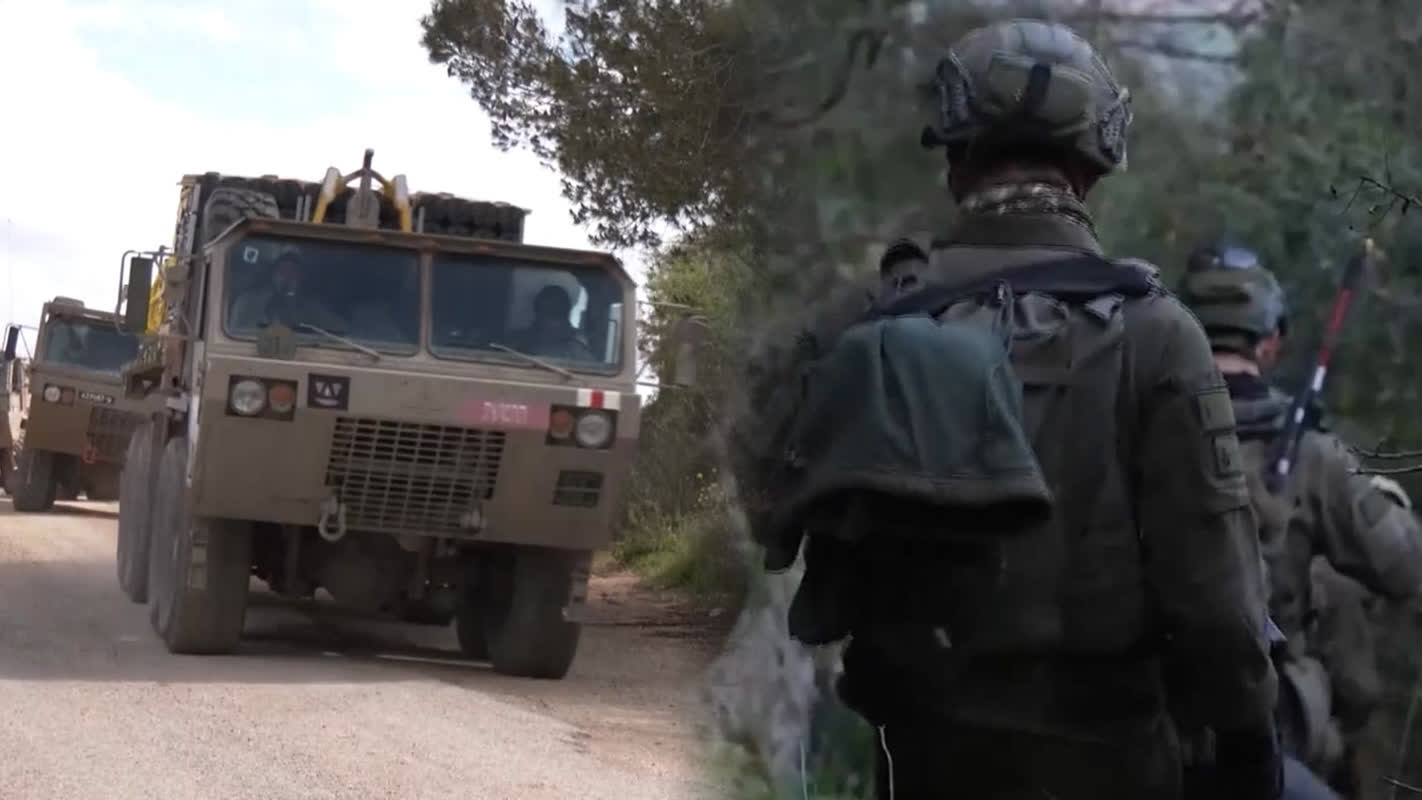
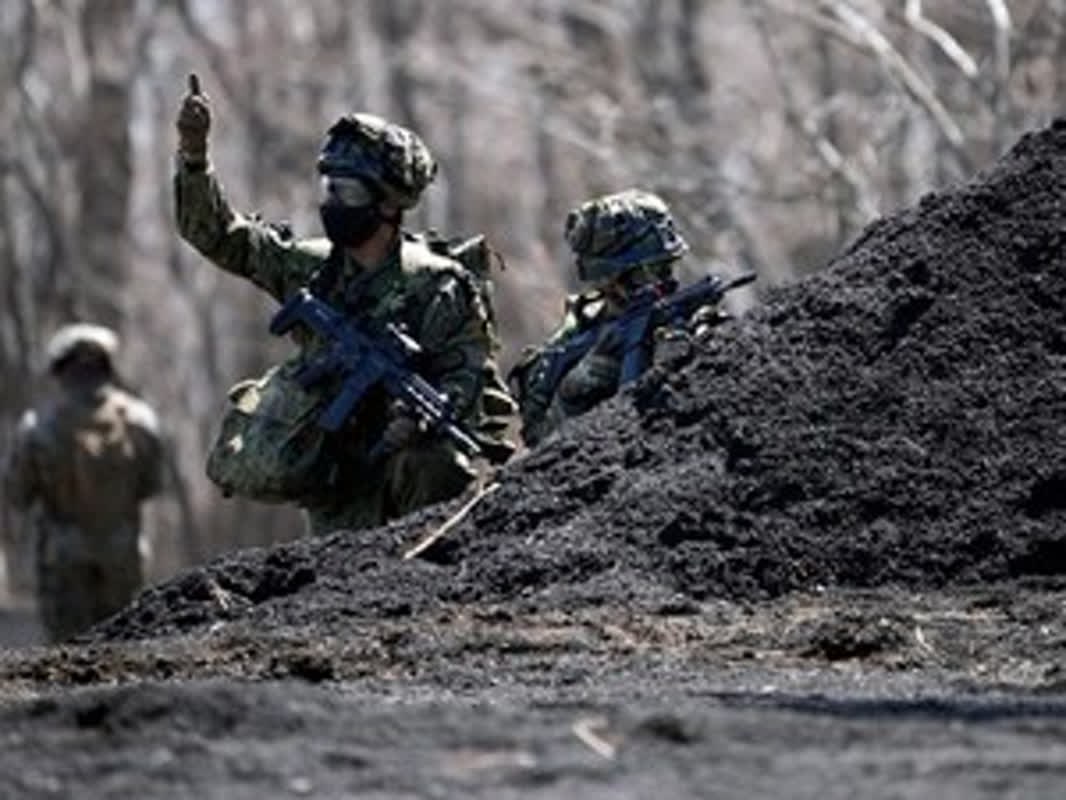
Question 3: Reports indicate thousands from the U.S. Army's 82nd Airborne Division have begun arriving in the Middle East. Hundreds of Army Rangers and Navy SEALs have reportedly joined existing forces on the ground. While it's not yet clear whether these units will be used inside Iran, would deploying ground forces there pose a major political risk for President Trump?
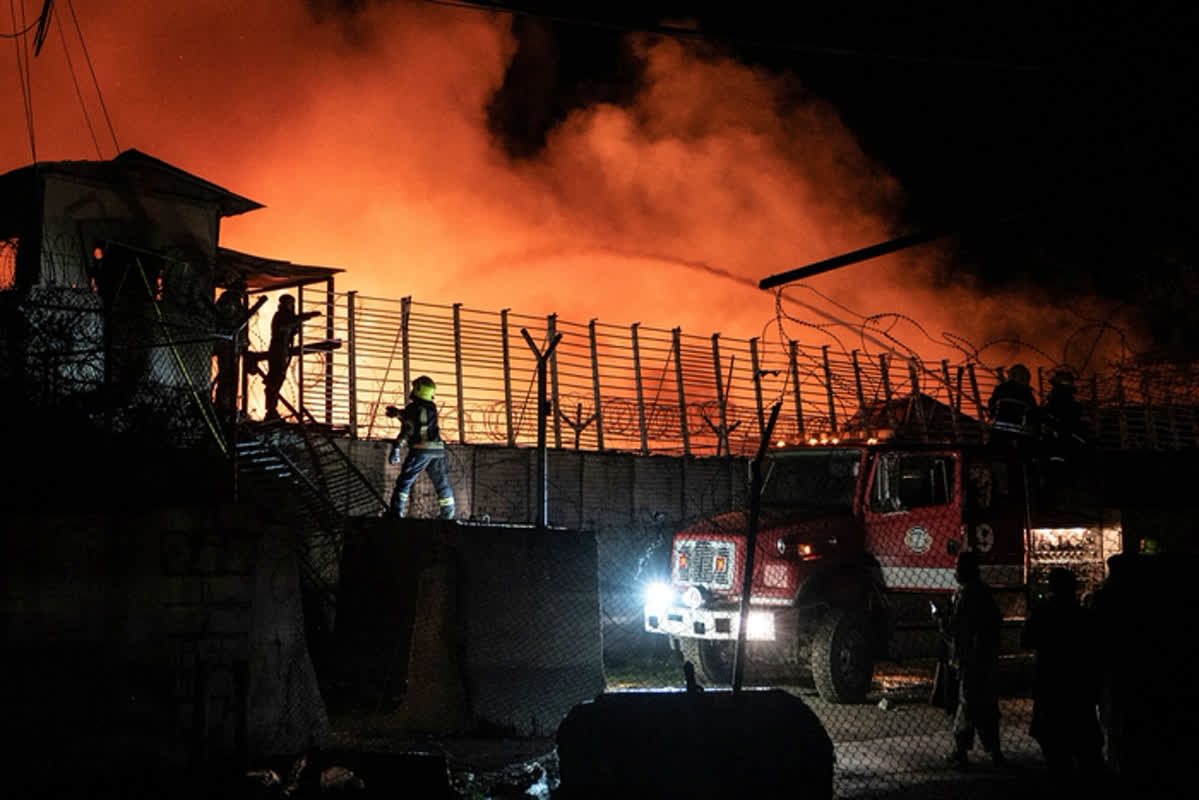
Question 4: The U.S. dropped a 2,000-pound (about 907 kg) bunker-buster on a large munitions depot in Isfahan, identified as a key storage site for Iranian military supplies. What impact do you assess this strike will have on Iran's capabilities?
Question 5: As the U.S. moves more elite forces to the region, Iran's Islamic Revolutionary Guard Corps claimed it attacked a U.S. Marine assembly point, saying it used a suicide drone to strike a Marine shelter. The U.S. has not yet confirmed the claim. How should we evaluate these assertions?
Question 6: Israeli Prime Minister Netanyahu told U.S. media that Israel has achieved more than half of its war aims but gave no end date. Does his view of the endgame differ from President Trump's? How do you expect Israel to proceed?
Question 7: White House spokeswoman Caroline Leavitt framed a Trump proposal to have Arab states share the financial burden of a campaign against Iran. She argued that, given the operation's high cost and the security benefits regional Arab states would gain from removing the Iranian threat, they should help cover the bill. Are Arab countries likely to agree to share the costs?
Yonhap News TV contact and tips: KakaoTalk/Line jebo23
Choi Byung-yoon (yoonique@yna.co.kr)