|
 (AP)>
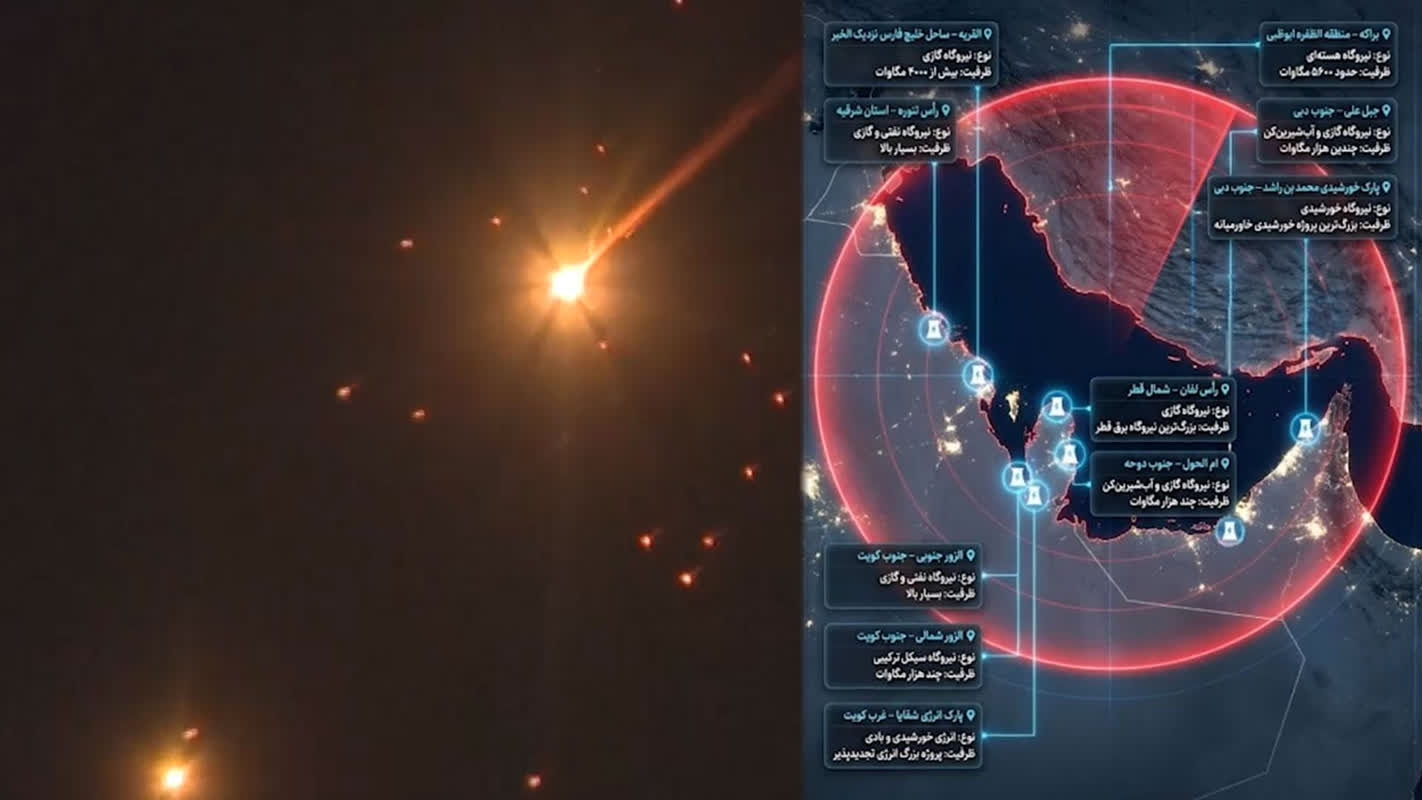
(AP)> Observers see the comment as signaling that U.S. forces could unilaterally halt strikes regardless of Tehran’s wishes. Analysts warn the conflict could become protracted because there is no guarantee measures such as Iran’s blockade of the Strait of Hormuz would end even if U.S. forces withdraw.
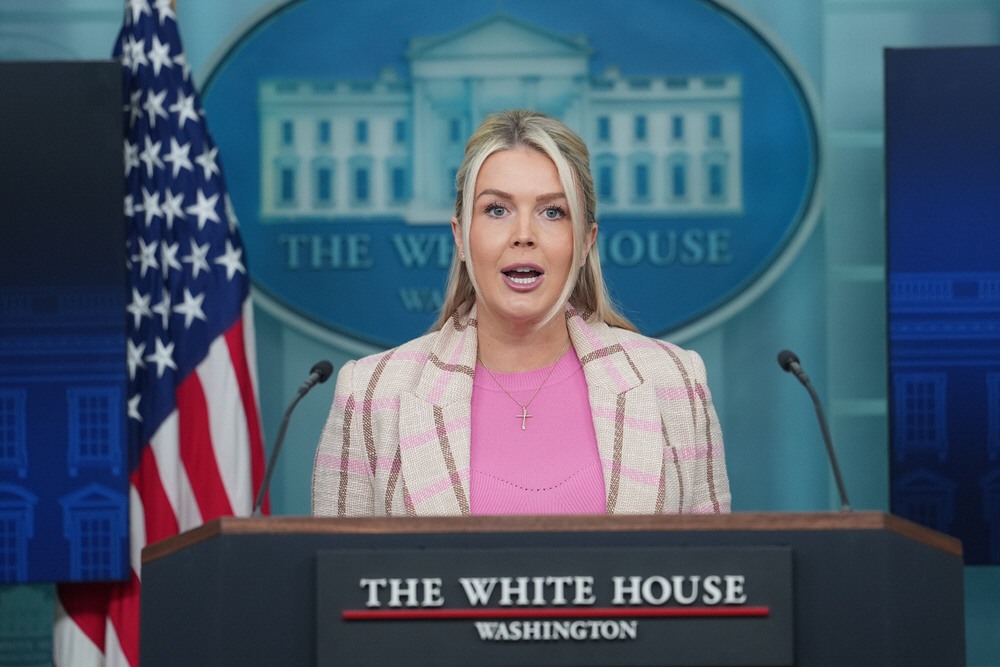
White House spokeswoman Caroline Levitt told reporters on the 10th (local time) that President Trump said he could end the military operation against Iran — dubbed \"Epic Fury\" — without the enemy’s formal surrender, the Washington Examiner and other outlets reported.
Levitt said President Trump will order an end to operations when he determines Iran no longer poses a material threat to the United States.
The day before, President Trump told reporters at the White House that Iran’s military capabilities had been degraded and that the war was nearly over. Iranian state media pushed back, saying the United States cannot unilaterally decide when the war ends.
|
 (AP)>
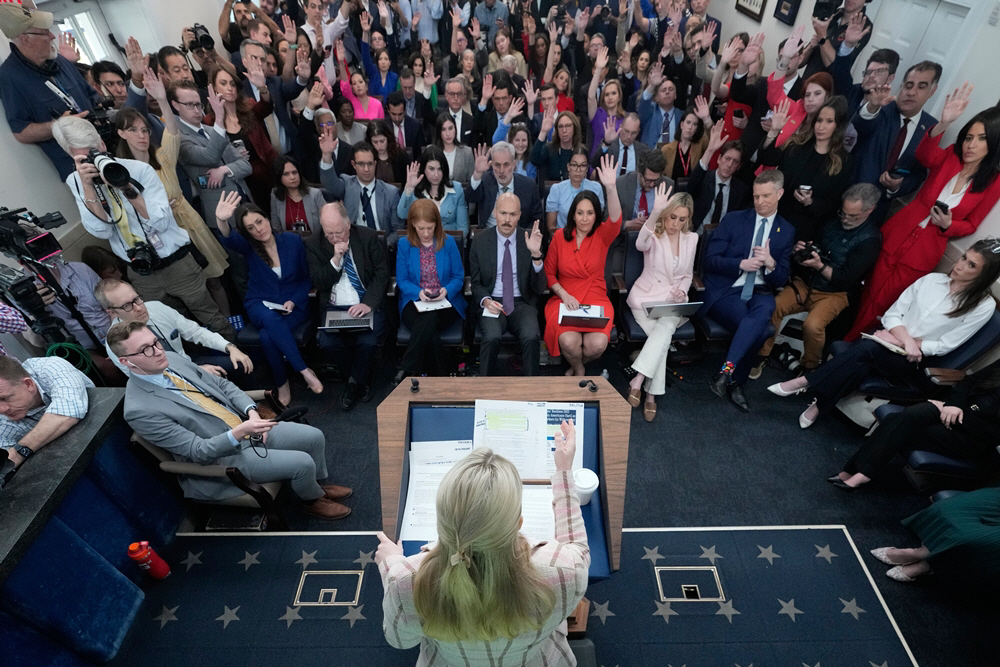
(AP)> She said the president meant Iran’s threat would no longer be underpinned by ballistic-missile arsenals that could shield a domestic nuclear-weapons effort.
She added that President Trump will determine the moment Iran must surrender unconditionally — in other words, when he judges Iran no longer poses a credible, direct threat to the United States and its allies.
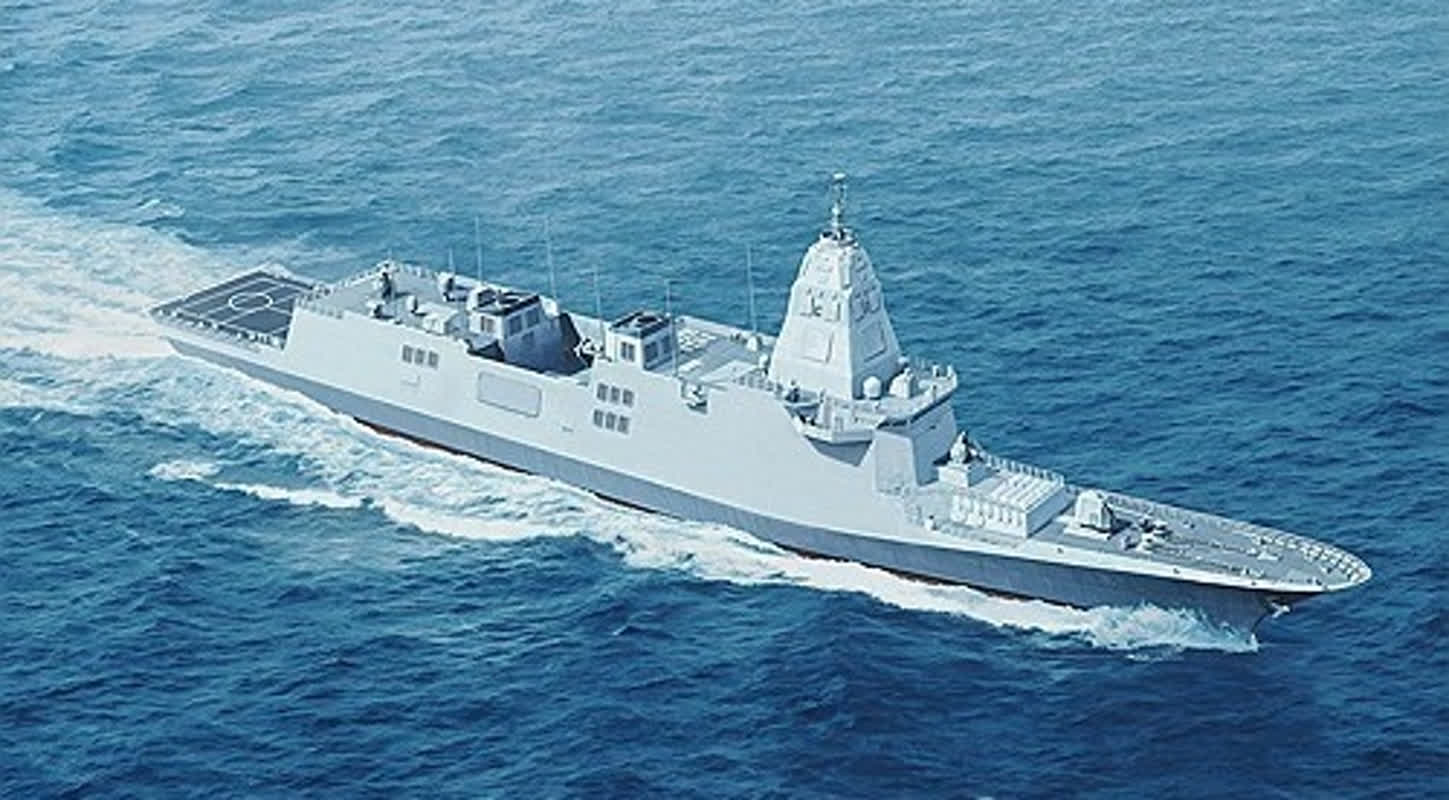
Levitt said the president seeks to \"completely destroy Iran’s navy, eliminate the threat from its ballistic-missile capabilities, and ensure they can no longer build a nuclear bomb that threatens the U.S., its allies, and U.S. forces in the region.\" Once those objectives are met, she said, Iran’s rhetoric will \"ring hollow.\"
On the 6th, President Trump issued a statement ruling out a diplomatic settlement with the Iranian government and saying any military confrontation will end only with Iran’s unconditional surrender.