After Trump floated delaying a U.S.-China summit, China says it will ‘keep communicating’
On Rubio sanctions, Beijing says they ‘target his statements and actions as a senator’…signals it may allow entry
On Rubio sanctions, Beijing says they ‘target his statements and actions as a senator’…signals it may allow entry
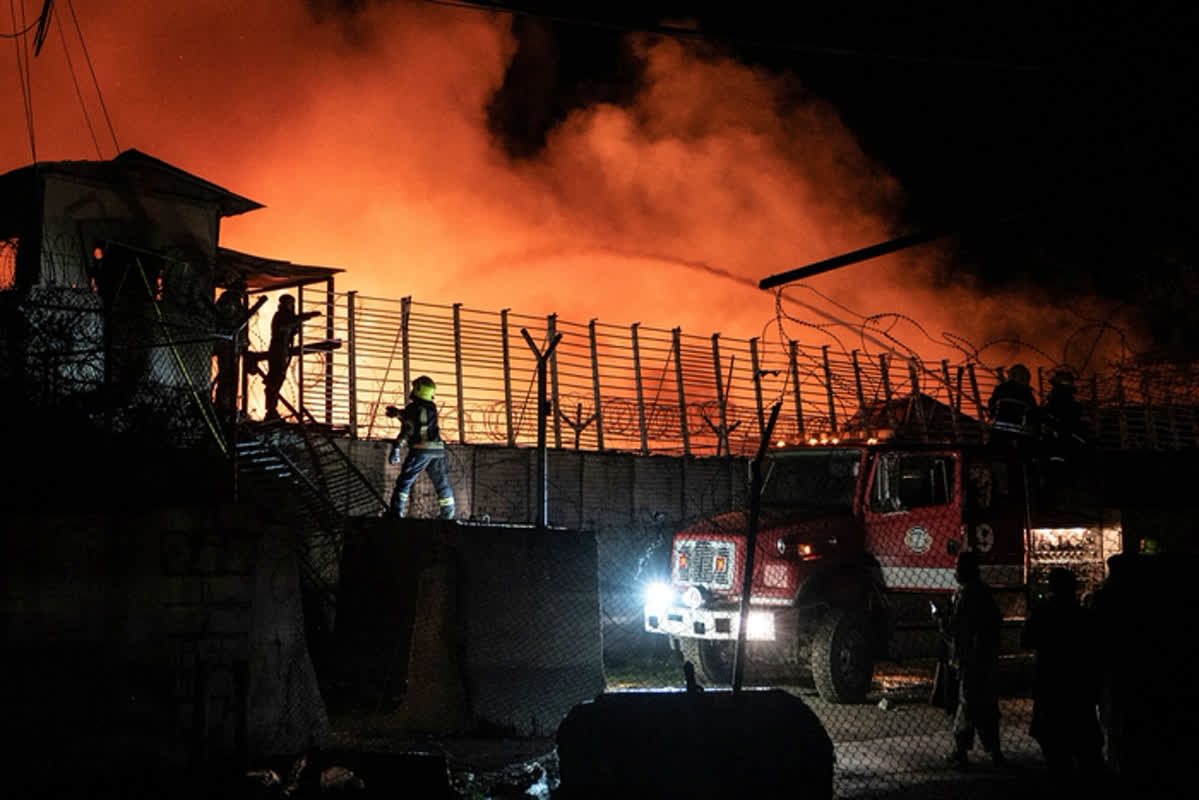
On the 16th, Beijing reiterated a call for an end to military action and, in doing so, effectively signaled it would decline President Donald Trump’s request to dispatch warships to the Strait of Hormuz.
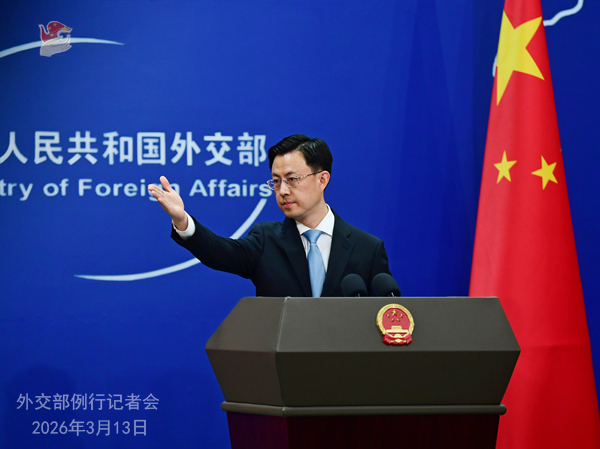
At a regular briefing, Foreign Ministry spokesman Lin Jian said, “All countries should halt military actions.”
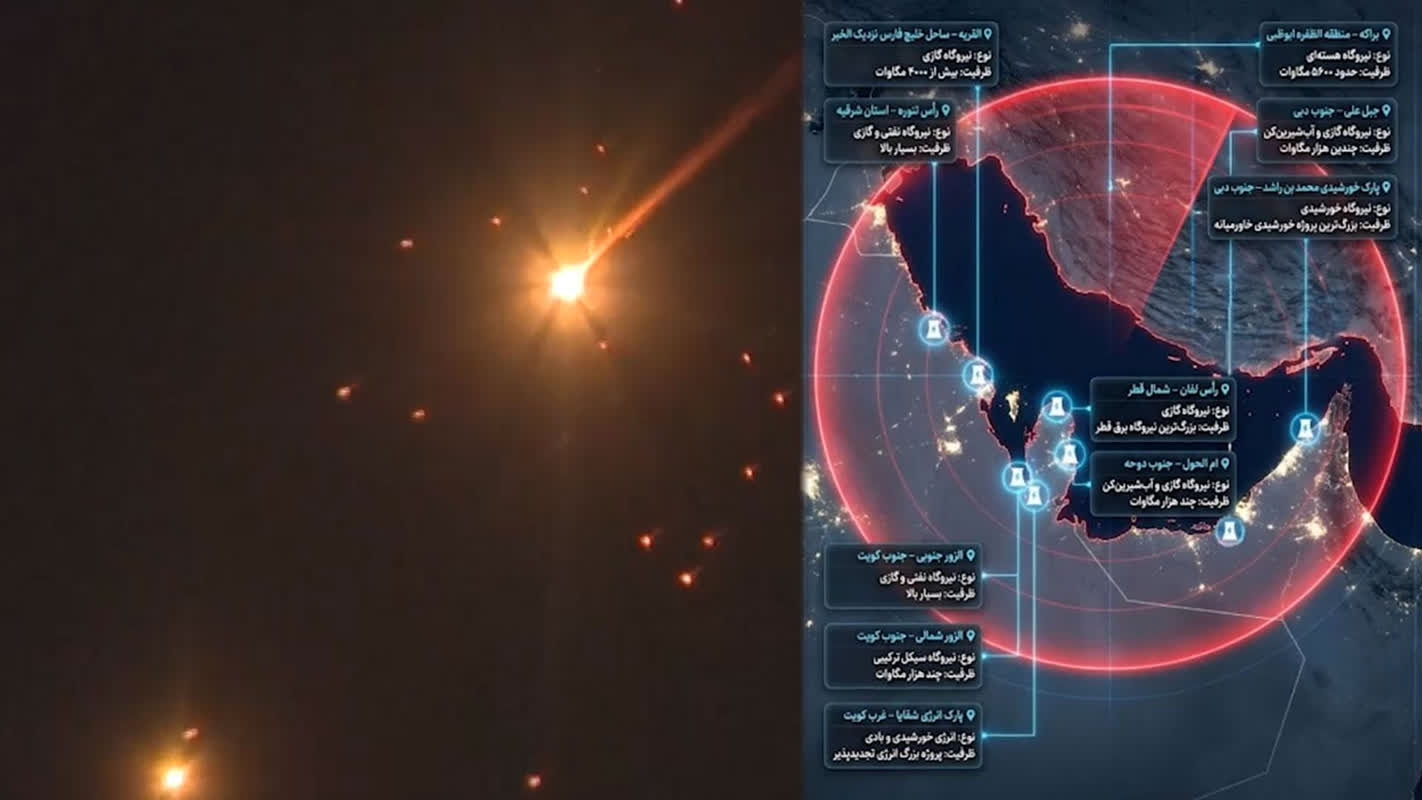
Lin said tensions in and around the Strait of Hormuz have recently risen, disrupting international cargo and energy routes and undermining regional and global stability.
He urged all countries to stop military activity immediately, avoid further escalation, and prevent regional instability from spreading and inflicting greater harm on the global economy.
When asked whether the United States had formally requested Chinese warship deployments to the Strait of Hormuz, Lin replied, “I have no further information to provide.”
By reaffirming its broad opposition to military action without addressing specifics, Beijing appeared to make clear it has no intention of joining a military operation in the Strait of Hormuz.
Responding to Trump’s warning that he could delay the U.S.-China summit—now two weeks away—if Beijing does not cooperate on the Strait of Hormuz, Lin said top-level diplomacy plays an irreplaceable strategic leadership role in U.S.-China relations and added that both sides continue to communicate about Trump’s planned trip to China.
Lin also signaled Beijing may permit U.S. Secretary of State Marco Rubio to enter China if he accompanies the president on that trip.
Asked whether Rubio’s visit would be affected by earlier Chinese sanctions, Lin replied, “China’s sanctions targeted Rubio’s statements and actions related to China during his time as a senator.”
That comment suggested Beijing would not use those past sanctions to bar Rubio’s entry now that he no longer serves in the Senate.
Rubio, a former U.S. senator from Florida, criticized human rights abuses against minorities in the Xinjiang Uyghur Autonomous Region and was placed on China’s sanctions list in 2020.