「Guest: Baek Seung-hoon, Research Fellow, Middle East Institute, Hankuk University of Foreign Studies」
[Anchor]
President Trump announced that U.S. forces successfully recovered a U.S. fighter pilot who had gone missing in Iran.
With a U.S. deadline for a final ultimatum fast approaching, attention is focused on whether negotiators can secure a last-minute breakthrough with Tehran.
We discuss the situation with Baek Seung-hoon, research fellow at the Middle East Institute, Hankuk University of Foreign Studies.
[Question 1] An F-15 pilot who had been missing in Iran was rescued in what President Trump called one of the boldest rescue operations in U.S. history. From a military perspective, how difficult and risky was this mission?
[Question 1-1] Earlier, Washington and Tehran raced to be the first to locate the missing pilot. If Tehran had recovered him first, how might it have used him as leverage in negotiations?
[Question 2] After news of the rescue, Iran said it attempted to block the operation and claimed to have shot down three U.S. aircraft. Tehran also dismissed Trump’s announcement as an attempt to conceal a defeat. How credible are Iran’s claims?
[Question 3] Diplomatic options remain stalemated. When President Trump warned “48 hours until the gates of hell open,” Iran fired back that “the gates of hell will open for you.” Is there any realistic chance of a breakthrough before the negotiation deadline?
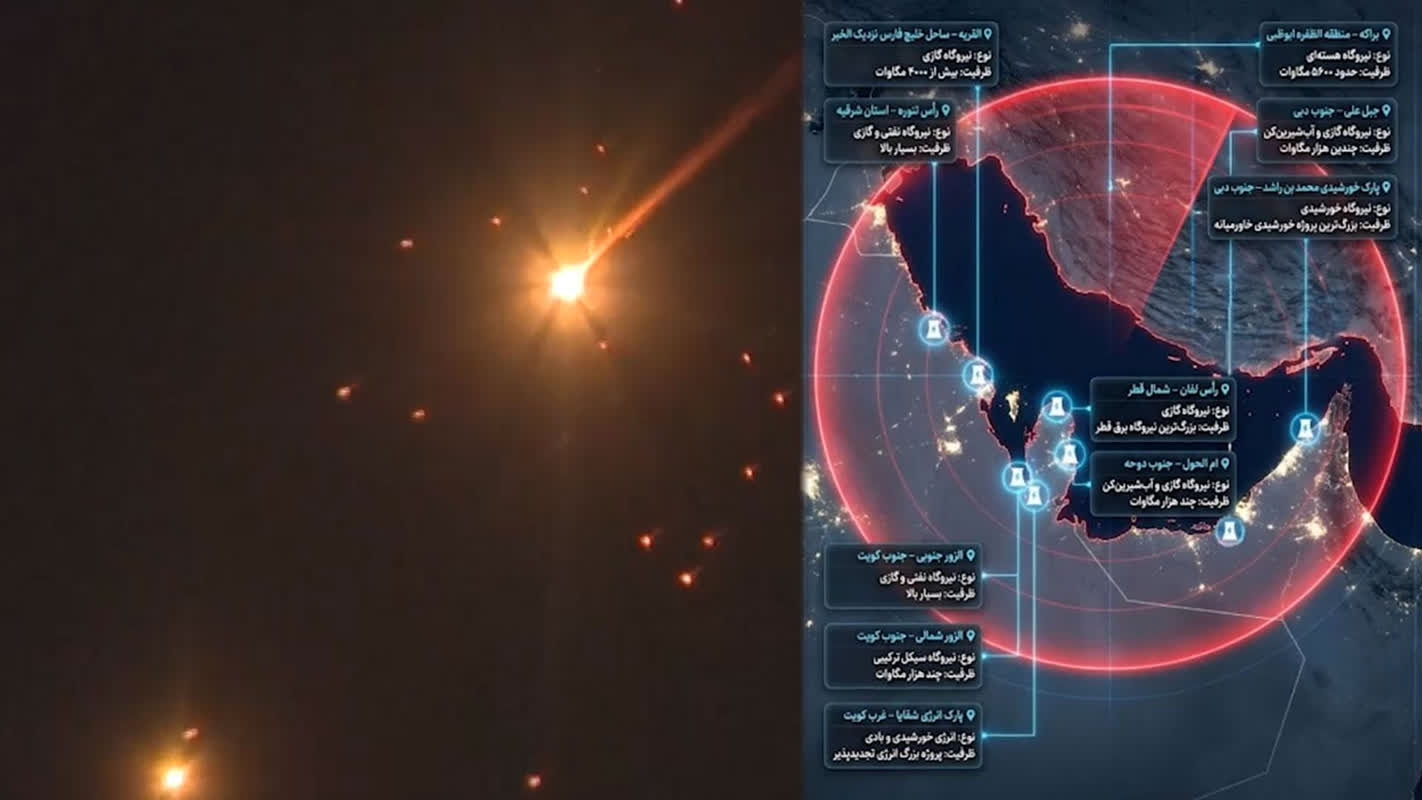
[Question 4] Reports say some U.S. administration aides argued that Iran’s civilian infrastructure could be treated as military targets—roads as logistics routes, and power plants because they influence public morale and nuclear capabilities. If talks collapse, is it plausible the U.S. would strike civilian infrastructure such as power plants?
[Question 5] Calls for an exit strategy are mounting, but former National Security Adviser John Bolton has pressed for a hard line, saying lasting peace in the Middle East requires regime change in Iran. That stance appears out of step with current U.S. public opinion. Do you agree?
[Question 6] Parliament Speaker Mohammad Bagher Ghalibaf posted on social media asking, “What share of global shipments of oil, liquefied natural gas, wheat, rice and fertilizer pass through the Bab el-Mandeb Strait?” Should that be read as signaling an effort to extend control over Red Sea routes through proxies such as the Houthi rebels?
[Question 7] Iran says it will allow only Iraqi vessels and ships carrying essential goods to transit the Strait of Hormuz. There have been earlier cases of French and Japanese vessels being allowed through. Is Tehran using control of the strait as a bargaining chip?
[Question 8] Separately, Iran has carried out a string of executions of people linked to anti-government protests. Human rights groups estimate at least 160 executions so far this year. Do these actions help Tehran consolidate internal control?
Yonhap News TV story inquiries and tips: KakaoTalk/LINE jebo23
Park Kyung-jae (parkpd@yna.co.kr)