“Iran Will Never Possess Nuclear Weapons”
Orders to Seize Tankers and Clear Mines
Global Energy and Economic Shock Inevitable
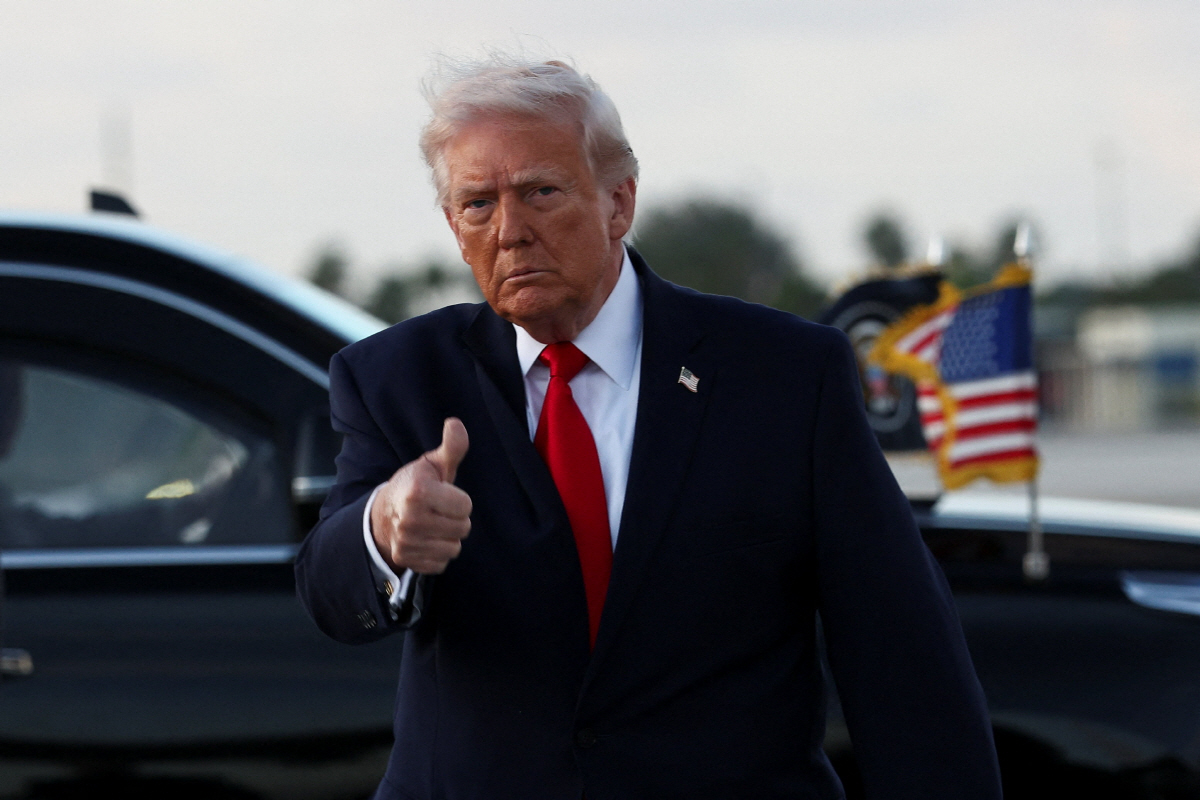
On April 12 (local time), CNBC reported that Trump posted on his social platform Truth Social: “The U.S. Navy will immediately begin procedures to block all ships transiting the Strait of Hormuz,” adding, “Other countries will join this blockade.” He framed the action as necessary to counter what he called Iran’s attempts to extract illegal transit fees from global shipping.
The announcement followed roughly 21 hours of U.S.-Iran talks in Islamabad that ended without agreement. The U.S. delegation included Vice President J.D. Vance, Middle East special envoy Steve Witkoff and Trump’s eldest son-in-law, Jared Kushner. Iran’s delegation featured parliament speaker Mohammad Bagher Ghalibaf and foreign minister Abbas Araghchi.
Trump said the U.S. had “made significant progress on several issues, but Iran would not budge on the most important nuclear matter.” He warned any deal would be meaningless unless Tehran abandoned its nuclear ambitions and reiterated, “Iran will never possess nuclear weapons.”
He sharply criticized Iran’s moves to control the strait and levy fees on transiting vessels. “Vessels that pay illegal transit fees will still face interdiction on the high seas,” Trump said, adding that he had ordered the U.S. Navy to identify, track and interdict such ships.
Trump also said U.S. forces would carry out operations to remove any mines Iran may have planted in the strait. He warned of “immediate and forceful” retaliation if Iran attacks U.S. forces or civilian vessels, signaling a heightened risk of military confrontation.
The Strait of Hormuz is a strategic chokepoint, handling roughly 20% of the world’s seaborne oil shipments. Markets have already responded to Tehran’s restrictions and escalating tensions with higher oil prices and volatile freight rates. If a U.S. blockade is implemented on top of those pressures, the global energy market will likely take further, substantial hits, with direct implications for major Asian and European importers.
Trump said the ultimate objective remains unfettered maritime transit, but argued the United States must act while Iran refuses to permit free passage. He intensified pressure by asserting, “Iran’s national infrastructure and military are already significantly weakened, and we know how to end this situation.”
Market analysts warn the measure could expand beyond maritime control to broader military confrontation. With the prospects for renewed negotiations diminished, there is growing concern that conflict in the region could lengthen or enter a new, more dangerous phase.