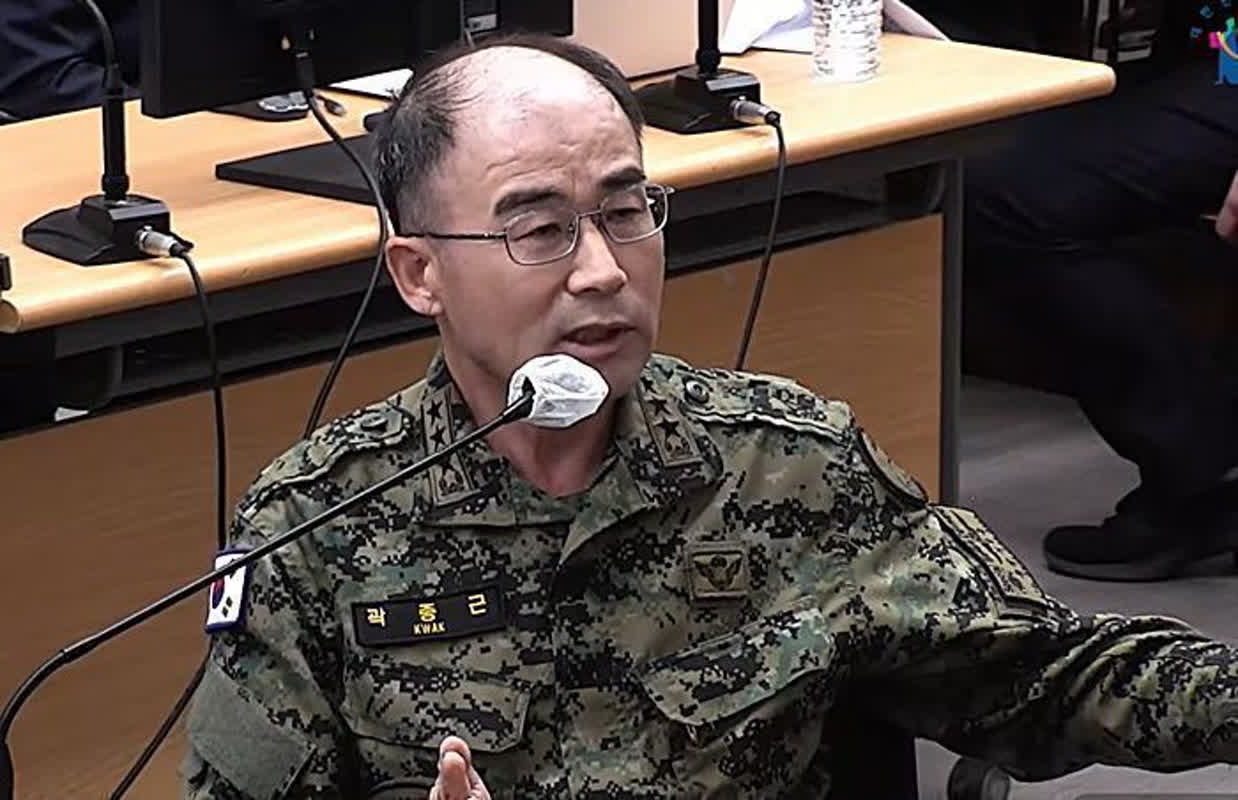
Defense Minister Ahn Gyu-baek will travel to the United States from the 10th to the 14th. It will be his first trip to the U.S. since taking office in July of last year.
On May 9, the Defense Ministry said Ahn is scheduled to meet with U.S. Defense Secretary Pete Hegseth in Washington, D.C., on the 11th (local time). He will also hold talks with the acting Secretary of the Navy, the chair and ranking member of the Senate Armed Services Committee, the chair of the Seapower Subcommittee, and other senior U.S. government and congressional officials.
The trip comes amid a backlog of sensitive issues between Seoul and Washington. Key sticking points include the timing of the transfer of wartime operational control (OPCON), cooperation on building nuclear‑powered submarines, South Korea’s potential role in ensuring freedom of navigation in the Strait of Hormuz, and U.S. restrictions on sharing satellite intelligence about North Korea.
The Lee Jae‑myung administration has made regaining OPCON a central policy priority. Seoul is considering 2028—before the current administrations’ terms end—as a target year for the transfer.
At last year’s Security Consultative Meeting, the defense ministers agreed on a roadmap to meet the conditions for the OPCON transfer and planned to complete the second of three verification stages by the end of this year. Tensions surfaced, however, after U.S. Forces Korea commander Javier Brunson referenced the first quarter of 2029 as a potential target during a U.S. congressional hearing, highlighting differing timelines between the allies.
Allied issues extend beyond OPCON. A cooperation plan on nuclear‑powered submarines that appeared in last year’s joint fact sheet has stalled; follow‑up talks were delayed after fallout from the so‑called “Coupang incident.”
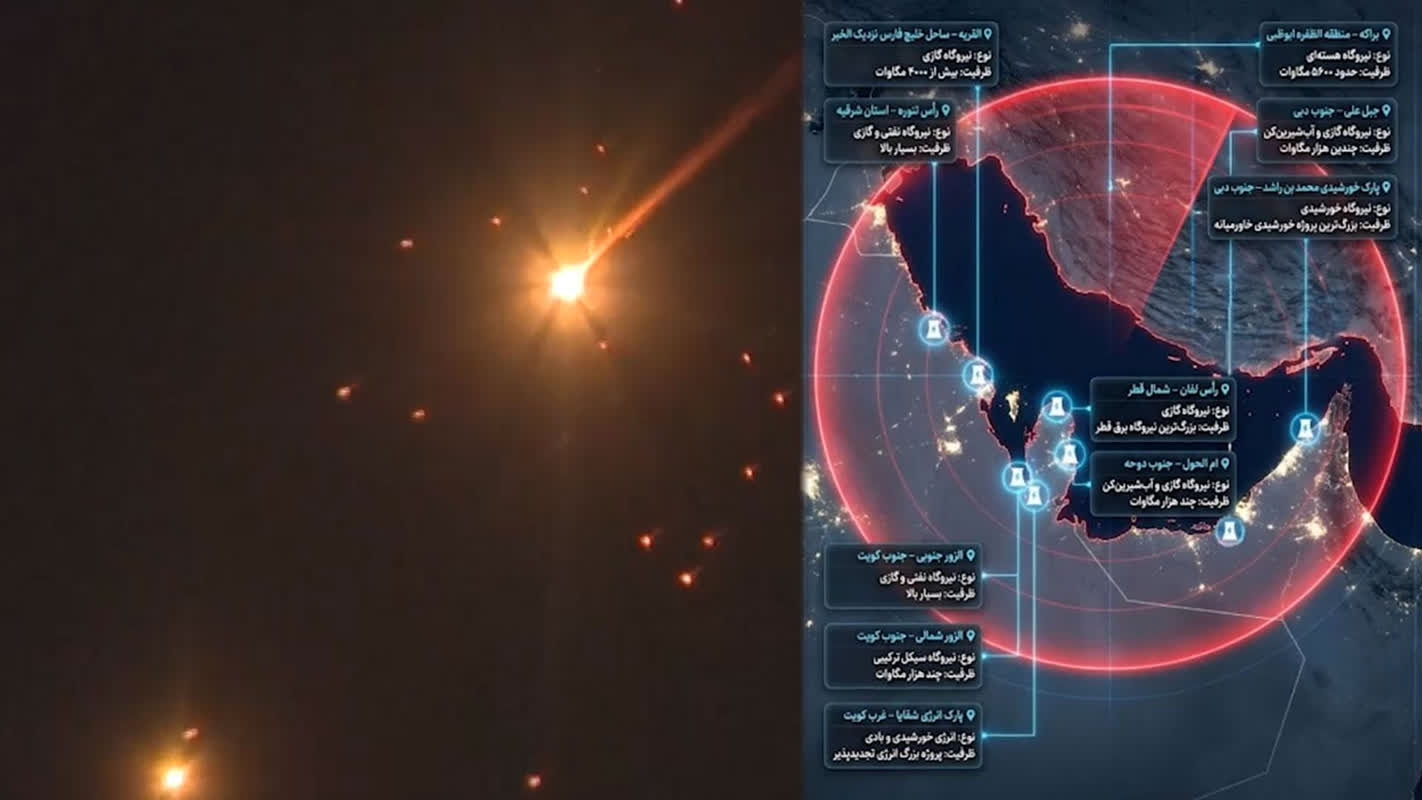
Washington has also pressed Seoul to take on a role in resuming navigation through the Strait of Hormuz, adding political pressure on the Korean government. President Donald Trump even cited an inflated troop figure of “45,000” for U.S. forces in South Korea while expressing frustration over the situation.
With these complex issues intertwined, attention is focused on whether direct talks between the two defense chiefs can break the stalemate.
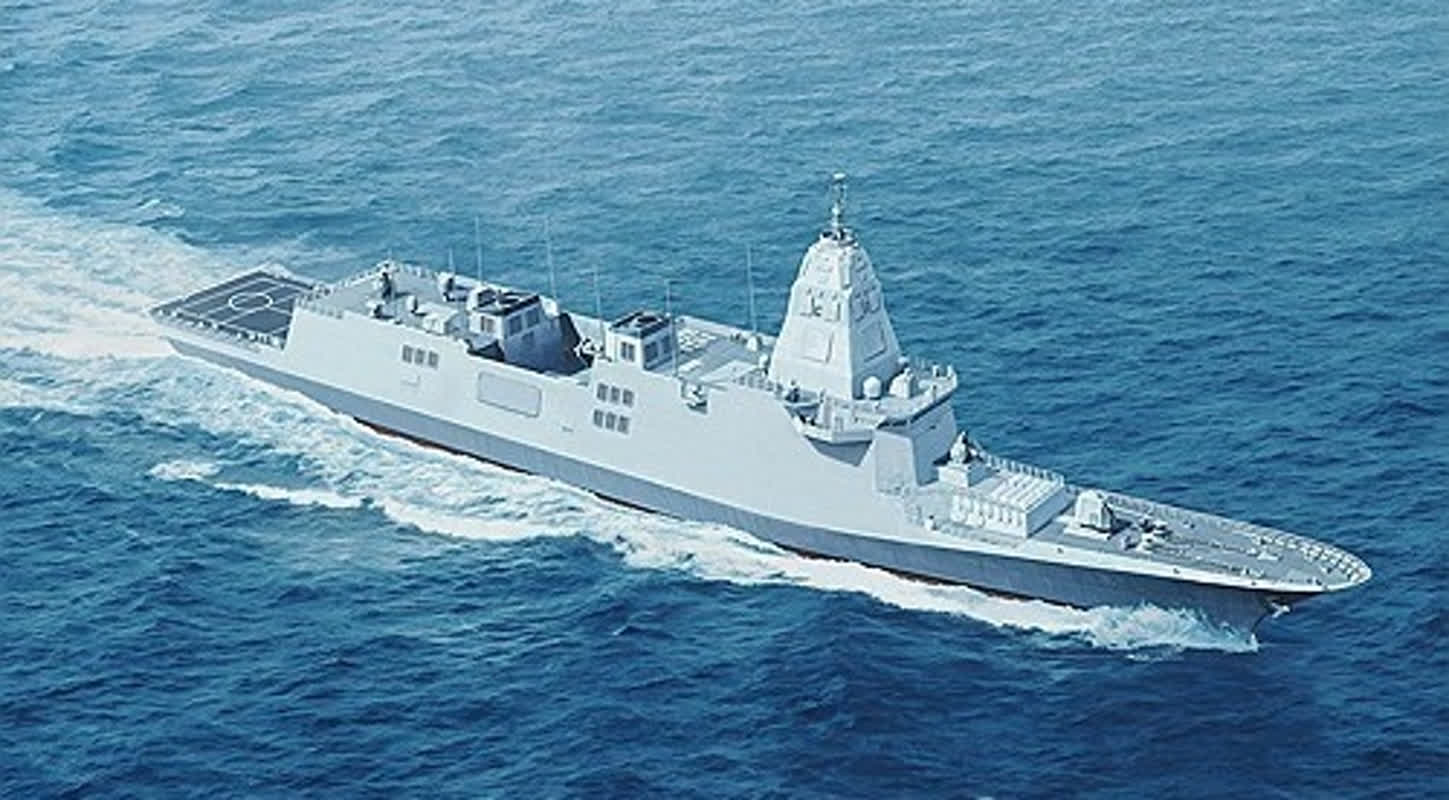
Ahn is also slated to meet the acting Navy secretary during his visit, where cooperation on nuclear submarines is expected to be a principal agenda item.
As these bilateral issues have repeatedly surfaced, a wave of visits by senior South Korean officials to the U.S. has followed.
Earlier, Unification Minister Jeong Dong‑young told the National Assembly’s Foreign Affairs and Unification Committee on April 6 that, citing an IAEA report by Director General Rafael Grossi, North Korea is operating uranium enrichment facilities at three sites: Yongbyon, Kusong, and Kangson. He also said South Korean authorities estimate roughly 16 kg (about 35 lb) of plutonium was extracted from the Yongbyon reactor last year.
In response, the United States reportedly raised concerns that classified military information it provided had been disclosed. The U.S. then partially curtailed sharing satellite intelligence on North Korean military‑technology developments with Seoul.
The Blue House acknowledged that Jeong’s comment—that an enrichment facility exists in Guseong, Pyongan Province—had placed ROK‑U.S. relations in an unusually strained phase. It denied, however, the U.S. contention that Jeong’s statement was based on classified information provided by Washington.