Once the stuff of science fiction, a "space war" has moved onto the ledgers of astronomical defense budgets and is becoming reality.
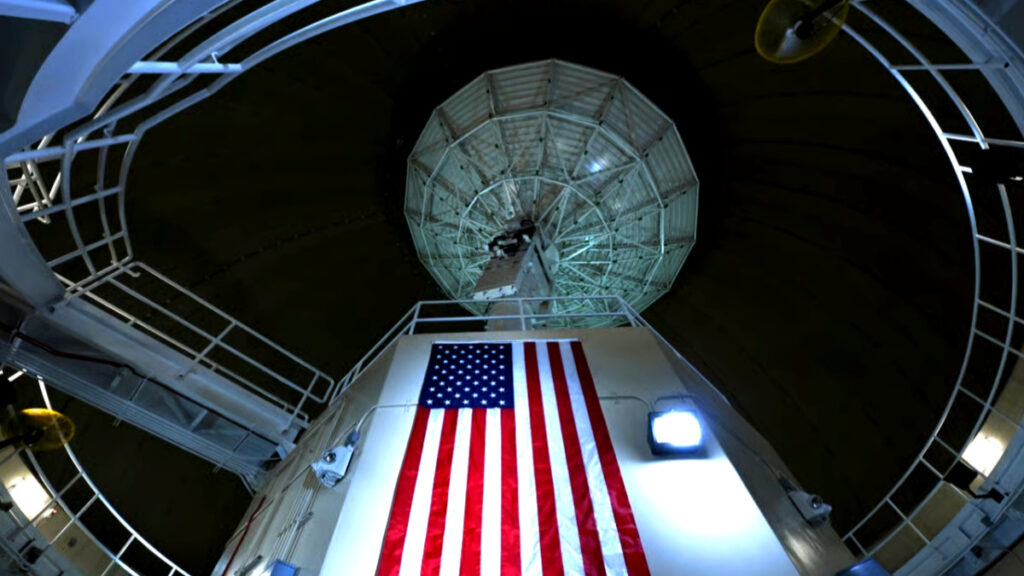
The U.S. Space Force is building a large physical test range to experiment with and train ground- and space-based defenses in a single location. The move is already reshaping the global competition for space dominance.
Defense and industry outlets report the Space Force recently issued a formal request for proposals to build a physical test-and-training range that spans the ground and low Earth orbit. The program could carry a budget of up to 981 million USD (approximately 1.308 trillion KRW).
Until now, space-warfare training mostly relied on computer models and isolated lab demonstrations. This effort marks a decisive shift toward large-scale live training that links real ground systems with satellites.
Satellites, jamming and warning systems as a single set…a dramatic boost to U.S. military power
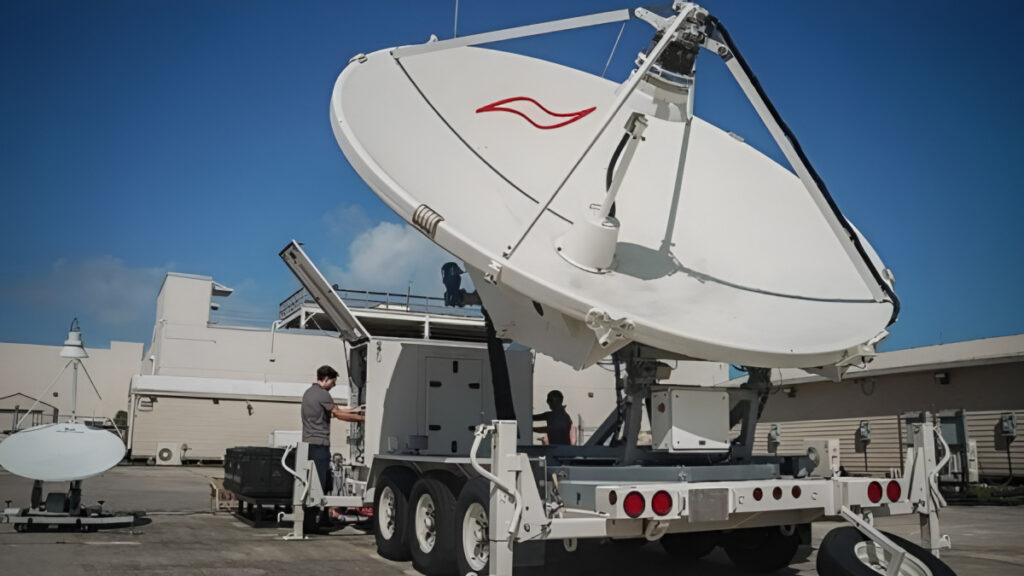
Defense analysts say that once the range is complete, the U.S. military will gain operational advantages rivals will find difficult to match. Historically, military satellite operations, enemy electronic jamming, and missile launch-warning systems were tested and evaluated separately.
With an integrated training range, commanders can treat those space and ground assets as a single system, verify interoperability, and push combat doctrine to its limits.
For example, under a severe enemy satellite-jamming campaign, operators could observe in real time how friendly communications networks react and whether missile-defense radars remain functional — then immediately execute mitigation measures.
That approach goes beyond launching new weapons. By managing the battlefield as a unified "nervous system" and closing critical gaps, the force can significantly improve survivability and strike accuracy.
Korean defense industry's space-warfare skills: beyond unit technologies, an urgent need for an integrated testbed
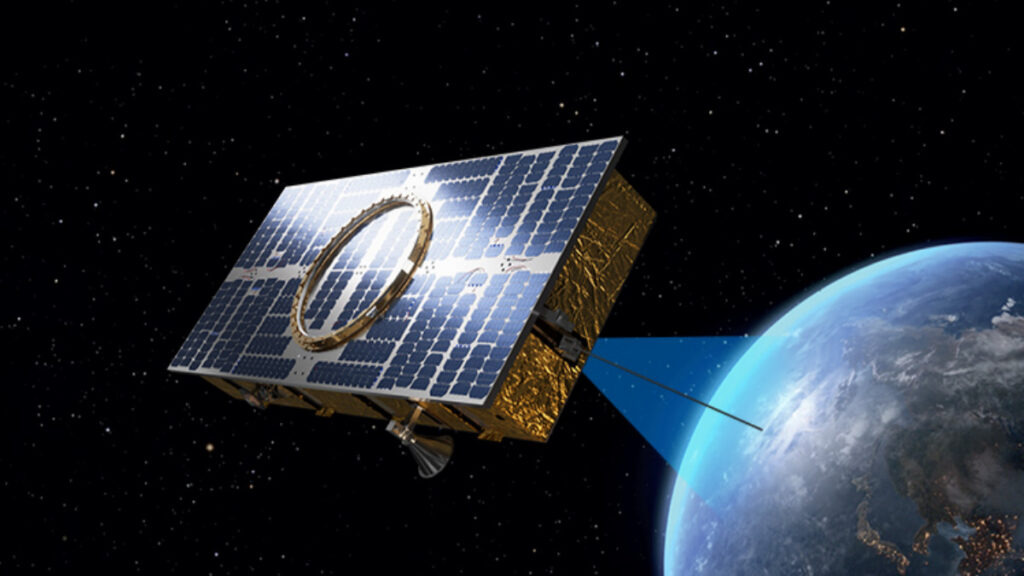
As space warfare becomes operational, the shift sends a clear signal to South Korea's defense industry, which has accelerated its space efforts. Observers say that domestic firms' core space technologies are now competitive on the global stage.
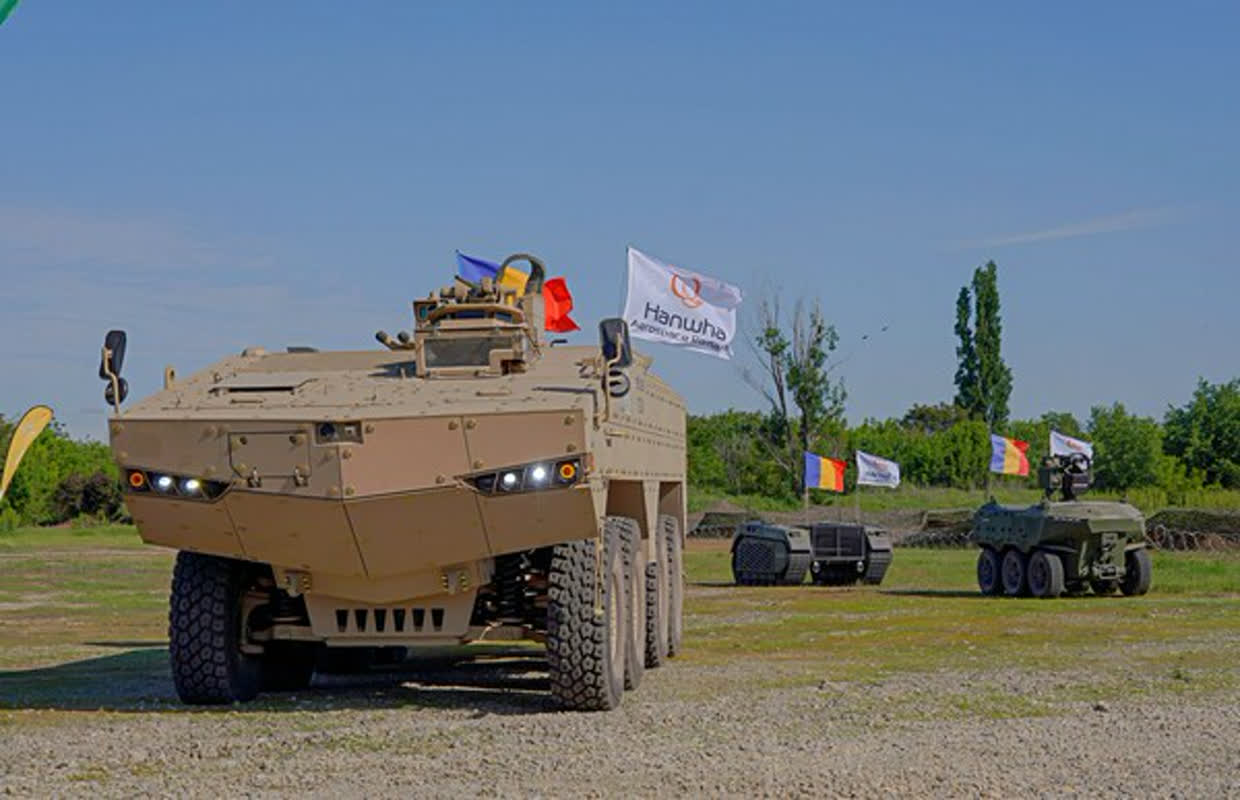
Companies such as Hanwha Systems, LIG Nex1 and Korea Aerospace Industries (KAI) have independently developed critical component technologies for space warfare — from tiny constellation satellites to military communications satellites and advanced electronic warfare systems — increasing Korea's technological self-reliance.
The challenge is that South Korea lacks the integrated training-range infrastructure to test those advanced systems across space and ground the way the U.S. can. No matter how capable a satellite or radar is on paper, without validation of how systems interact under real jamming and complex engagement scenarios, capabilities can fall short in combat.
Experts increasingly argue that for K-defense to become a true global space power, Seoul must move quickly beyond refining individual technologies and invest in a national-scale, space-ground integrated testbed.