[Green Economy News — Reporter Choi Seong]

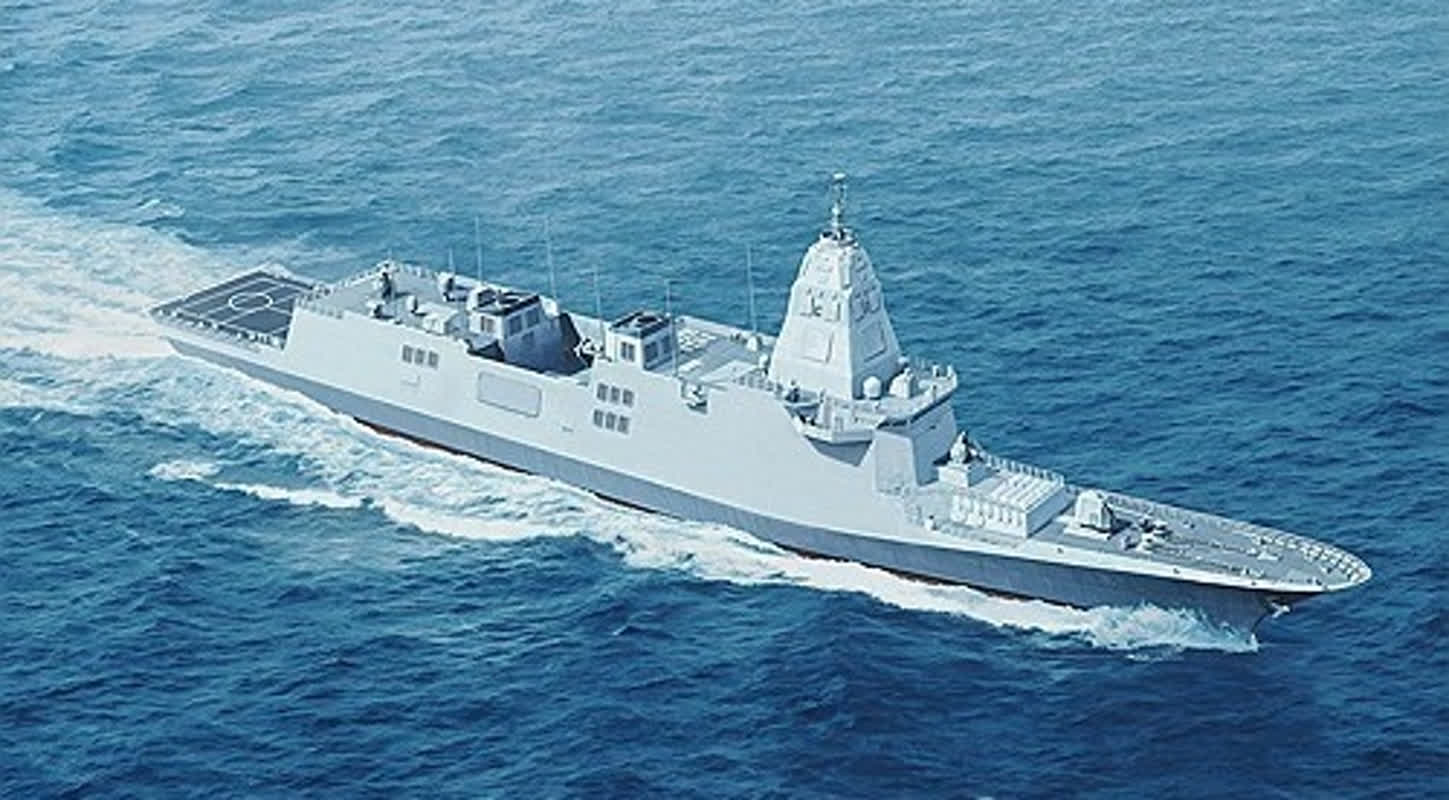
South Korea’s unmanned vessel sector has moved beyond laboratory development and is now entering operational deployment, intensifying competition across the defense industry. Since the end of 2000, when domestically built warships first entered service, the country’s naval programs have advanced rapidly and are expanding into unmanned systems.
Industry analysts view the market outlook as strong. Market Research Future projects the global unmanned underwater vehicle (UUV) market will grow from about $5.5 billion in 2025 to roughly $25.8 billion by 2035, a compound annual growth rate of 16.6%.
Unmanned vessels are being positioned as a core element of manned-unmanned combined combat systems. They offer a way to mitigate personnel shortfalls tied to population decline and to perform high-risk missions without putting sailors in harm’s way.
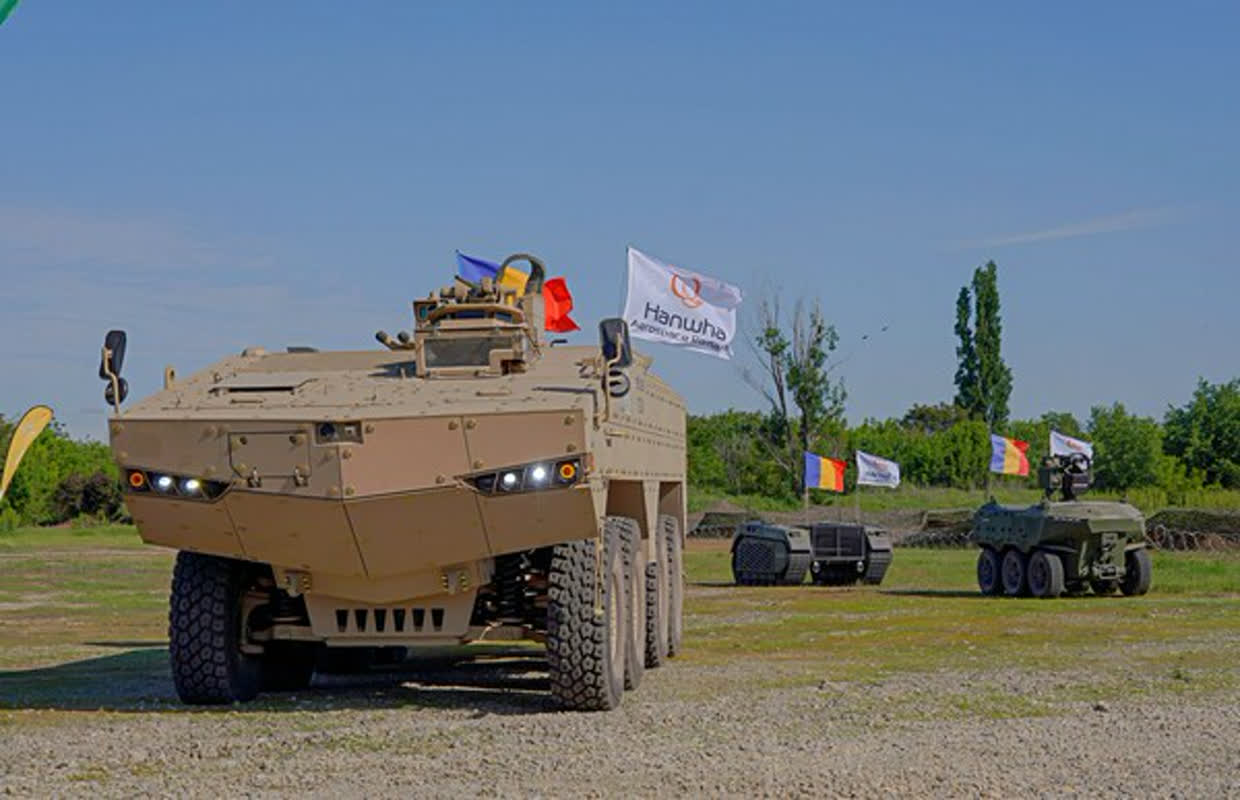
Domestically, Hanwha, LIG D&A and HD Hyundai are emerging as market leaders. Hanwha is bolstering autonomous navigation through cooperation with Hanwha Ocean; LIG D&A is concentrating on surveillance, reconnaissance and combat USVs; and HD Hyundai, leveraging its shipbuilding capabilities, recently signed an MOU with U.S. AI defense firm Anduril to co-develop advanced UUVs.
The competition is increasingly global. Because unmanned vessels depend more on autonomous navigation software and AI-driven decision systems than on hull construction alone, collaboration among shipbuilders, defense contractors and AI firms is accelerating. As the navy formalizes plans to deploy unmanned systems for mine warfare and reconnaissance, the market is shifting rapidly from “development” to “operational deployment.”
Brunson, commander of U.S. Forces Korea, said, “South Korea’s defense industrial base has developed to a world-class level,” and added that leveraging Korea’s defense infrastructure for MRO—maintenance, repair and overhaul—can significantly ease geographic constraints across operational theaters.
Looking ahead, success in the market will likely turn on three factors: the maturity of AI-driven autonomous navigation; proven reliability against naval mission requirements; and building export references based on domestic operational experience. A defense official expressed optimism, saying, “Advances in domestic defense technology should strengthen our national defense capabilities.”