Mistral Rejection and Igla Parts: The Origins of the Shingung
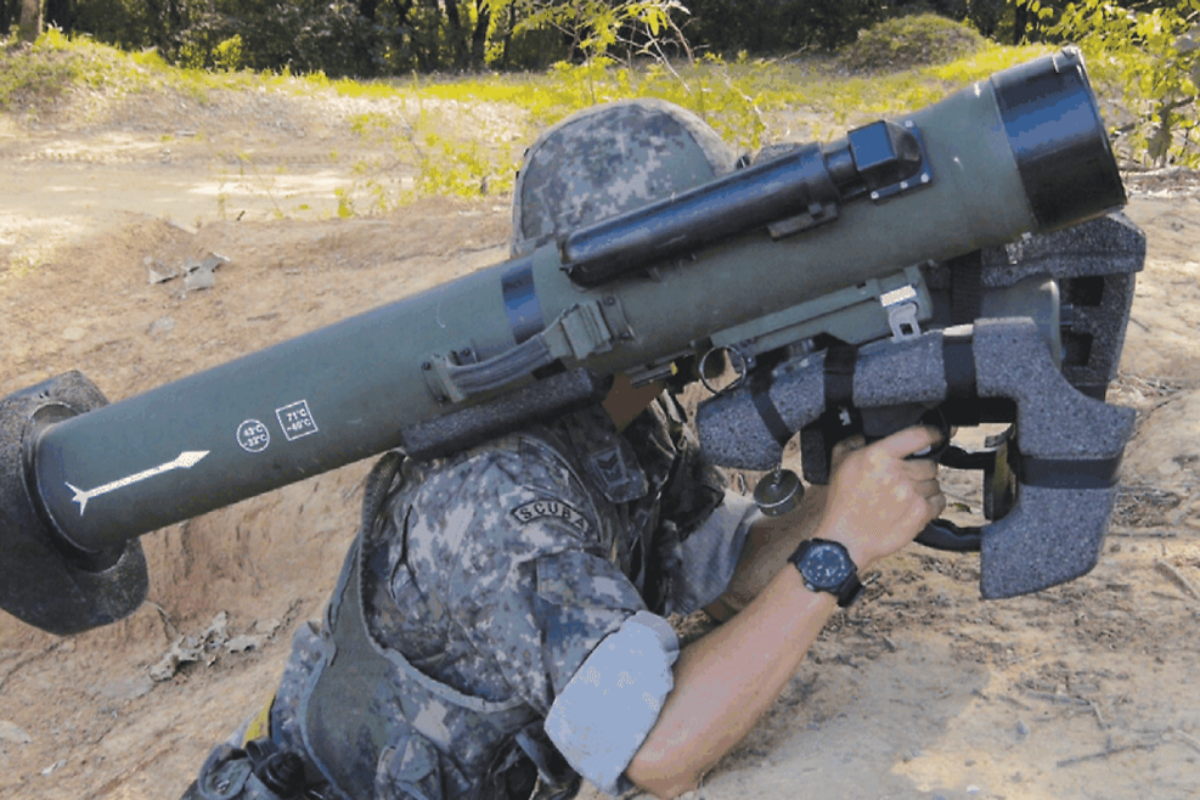
Work on the Shingung picked up in 1995 when the Agency for Defense Development (ADD) launched a program to field a domestically produced man-portable air-defense system (MANPADS). Seoul sought a technology transfer for France’s Mistral, but Paris declined to hand over critical technologies and the effort stalled.
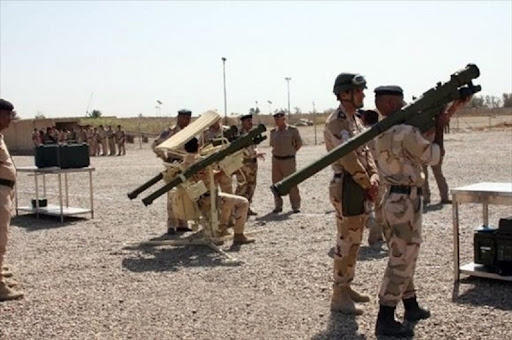
Instead, South Korea bought key components for the Russian 9K38 Igla (SA-18)—notably a two-color infrared seeker, vibration bearings and a cooler—from Russia’s KBM. ADD and LIG Nex1 put roughly 70 billion KRW (52.5 million USD) into the program and completed a prototype in the early 2000s. That explains the early Shingung’s visual and structural similarities to the Igla—airframe layout, engine placement and launch-tube design reflect that heritage.
How Far Does Russia’s Claim—“They Used Our Technology”—Hold Up?
The Shingung’s first iterations, which incorporated Igla components, clearly reflected the design thinking behind Russian MANPADS. Moscow has repeatedly argued the system is a derivative of the Igla and that supplied technology formed its basis.
South Korea counters that operational lessons from U.S. systems like the Stinger and Javelin, plus indigenous research, led to substantial redesigns. Engineers extended range to about 7 km (4.35 mi), reworked the proximity fuze, developed a two-color seeker and implemented electronic-warfare counteralgorithms. Those changes, Korea argues, produce a system that is materially different from the Igla (about a 5 km/3.11 mi range). In short: the program began with Russian parts, but the finished weapon reflects Korean design work on the airframe, seeker, fuze and guidance logic.
“We Won’t Approve” on Every Export…Russia’s Brake Strategy
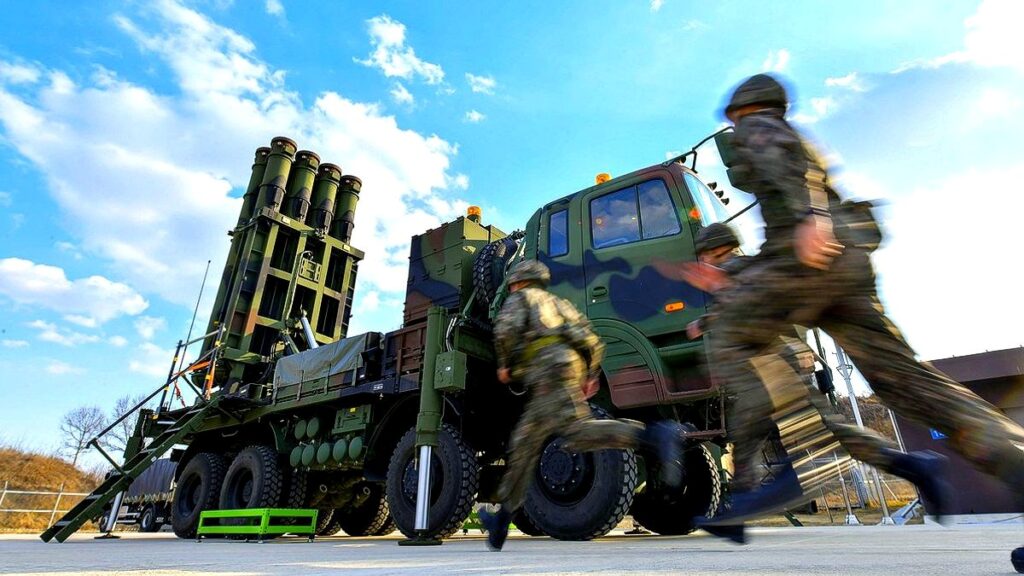
The challenge surfaced as the Shingung moved into export markets. Early production relied on Russian-sourced seekers and vibration bearings, so major sales to buyers such as India and the UAE required Moscow’s re-export consent.
When India shortlisted the Shingung as a next-generation MANPADS contender, Russia refused technology-transfer approval, arguing the sale would undercut its Pantsir and Igla systems. The deal collapsed at the final stage. Moscow used the same leverage to stall a potential UAE sale. LIG Nex1 later said its system ranked first in evaluations but lost out because Russia withheld approval.
Criticism of “Dependence on Russia” Prompted a Decision: Domestic Two-Color Seeker
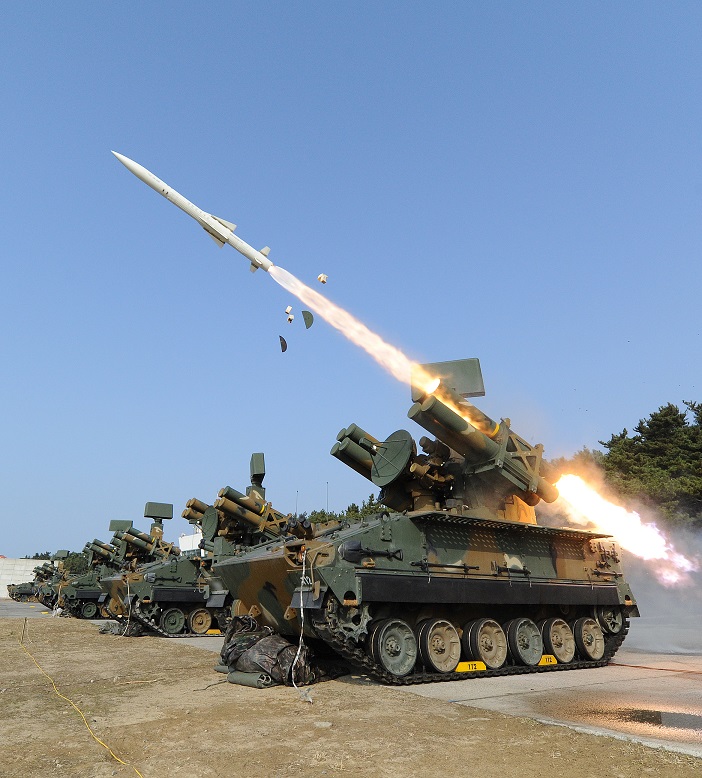
Observers in foreign media and defense circles warned that reliance on Russian components constrained South Korea’s export autonomy. In response, LIG Nex1 made a strategic investment. Between 2009 and 2014 the company put up roughly 14 billion KRW (10.5 million USD) of its own funds to develop an indigenous two-color infrared seeker; some estimates put cumulative investment at more than 40 billion KRW (30 million USD).
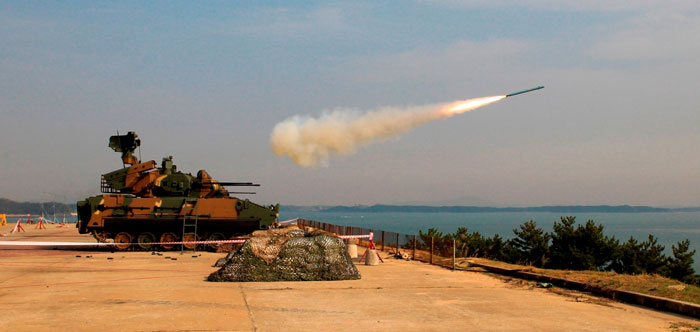
The new seeker simultaneously detects near- and mid-wave infrared bands. It matched Mistral-class detection performance and improved resistance to IR flares, delivering strong capability against helicopters, drones and other low-altitude threats. After a 2014 firing trial by the Defense Agency for Technology and Quality recorded a 95% hit rate, the Shingung reached more than 90% domestic content and became exportable without Russian approval.
 무기의세계>
As It Reached World-Class Performance, Russia Launched a Framing Campaign
The latest Shingung, equipped with the domestic seeker and proximity fuze, is rated at a 7 km (4.35 mi) range, a 3.5 km (2.17 mi) engagement altitude and a 90–95% hit probability—performance that places it a generation ahead of the U.S. Stinger (roughly 4.8 km/2.98 mi) and Russia’s Igla (about 5 km/3.11 mi). Exports followed to customers including Poland and Malaysia. During the war in Ukraine, reports emerged that Polish-operated Shingung units had engaged and downed Russian Ka-52 and Mi-28 attack helicopters, prompting mentions that President Zelensky sought additional Korean air-defense missiles.
Because the two-color seeker needs no cryogenic cooling and operates reliably in extreme cold, and because it resists Russian jamming and flares, Moscow viewed the Shingung as a commercial threat to its Igla and Pantsir lines. From that point, Russian state media and officials began framing the Shingung as a system built on Russian technology and signaled potential public-relations and legal pressure against Korea.
Now “No Russian Approval Needed”…Only the Narrative Remains
The core fact is this: despite Moscow’s assertions, the Shingung’s central seeker, guidance algorithms and proximity fuze are now Korean-built. After fielding the domestic seeker, ADD and LIG Nex1 reduced dependency on Russian parts to roughly 5–10%, leaving only basic mechanical and material items sourced overseas.
That shift means South Korea no longer must seek Russia’s green light for exports to markets in India, the UAE, Europe or Southeast Asia. LIG Nex1 is expanding the family—developing the Shingung-B with an improved ~8 km (5.0 mi) range and automated launchers for vehicles and ships. Analysts say Russia’s persistent accusations are driven less by a clear-cut intellectual-property dispute than by the fact that the Shingung has become its primary commercial rival in the global MANPADS market.