The Blue House said it is conducting a careful review of a U.S. request for South Korea to join a military operation in the Strait of Hormuz, weighing the serious security situation on the Korean Peninsula and domestic legal requirements.
On May 5, the Blue House said it is taking a cautious stance toward President Donald Trump’s direct call for South Korean participation, and is closely assessing the peninsula’s readiness and the domestic legal procedures before reaching any decision.
Seoul stressed that safe international maritime traffic and freedom of navigation are shared global interests that must be upheld under international law. It added that South Korea is actively engaged in international efforts to stabilize global maritime logistics and that President Trump’s remarks are being considered in that context.
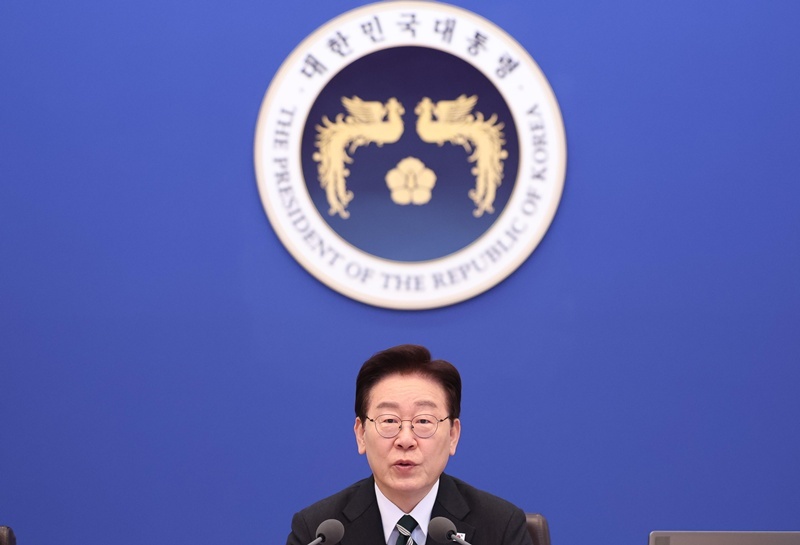
Regarding the U.S. military’s so-called "Liberty Project," launched to escort merchant vessels through the Strait of Hormuz, the Blue House confirmed close coordination with Washington. Seoul emphasized that the allies are holding ongoing consultations on ensuring stable use of key sea lanes, including the Strait of Hormuz.
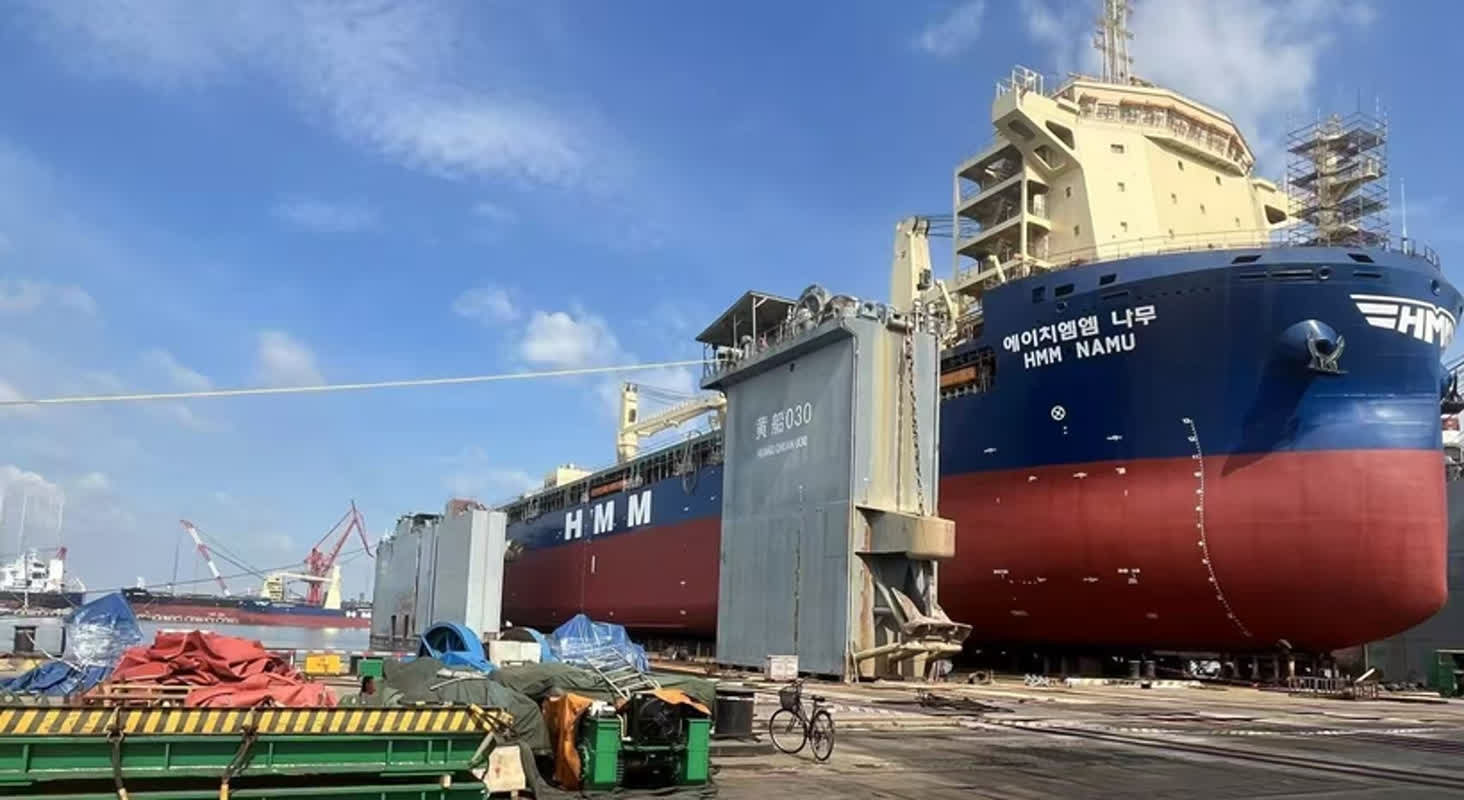
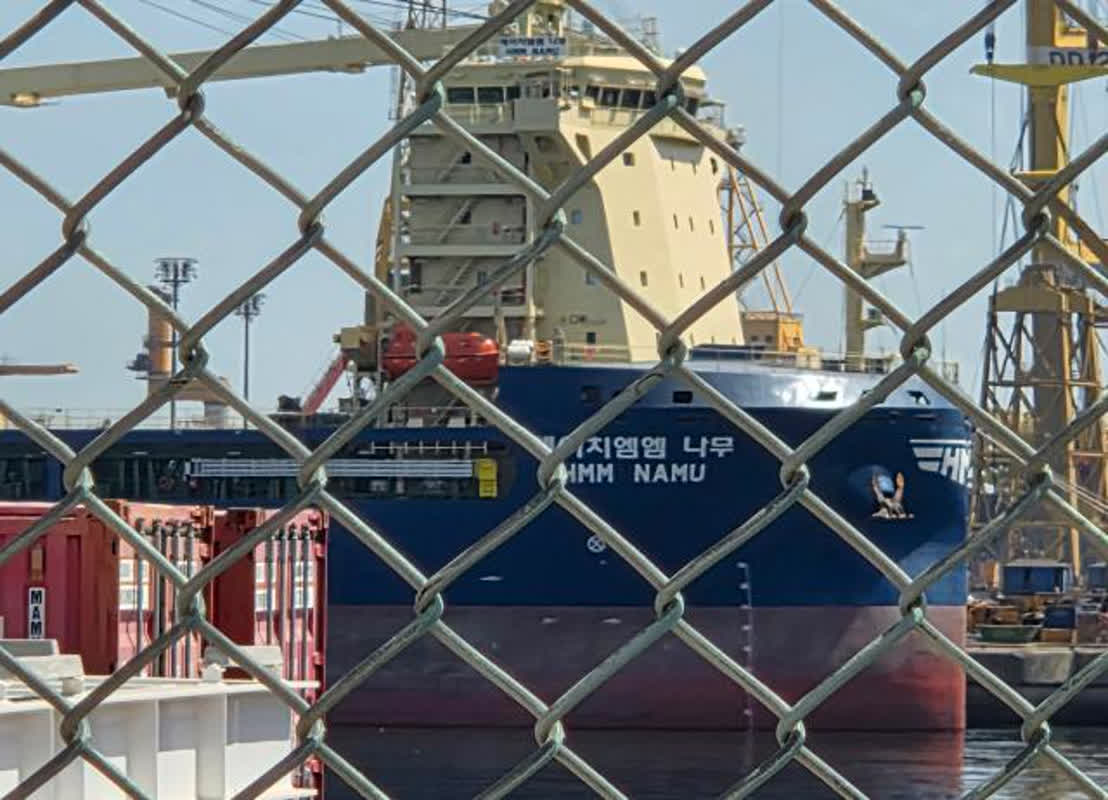
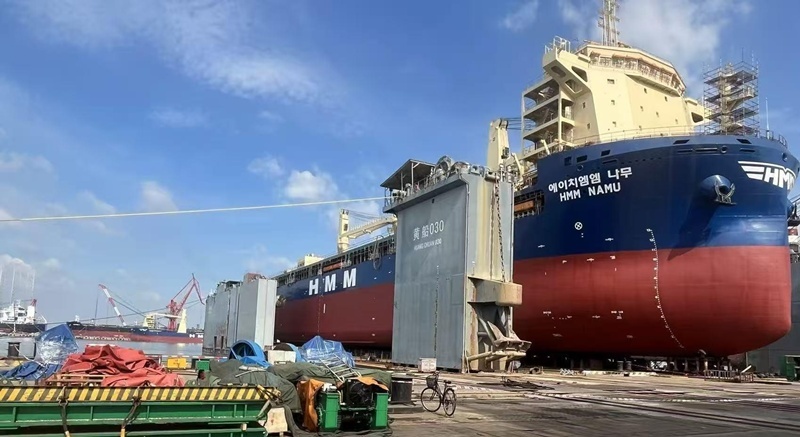
On the recent fire aboard a Korean vessel near the Strait of Hormuz, the Blue House said it is taking all necessary measures to ensure the safety of the crew and the ship. It also said Seoul is maintaining close contact with relevant countries and is working to manage the situation thoroughly.
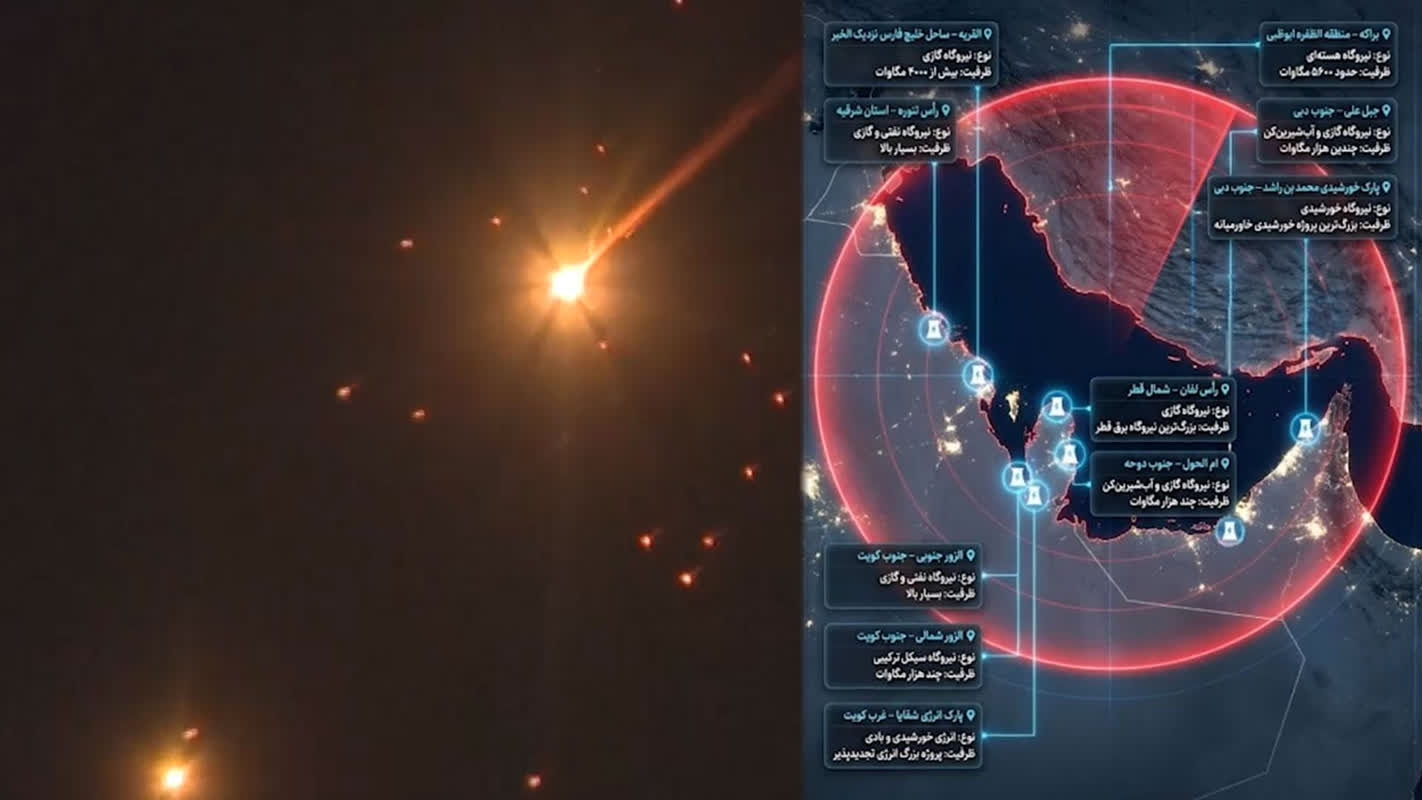
The Strait of Hormuz, a narrow channel linking the Persian Gulf and the Gulf of Oman, is a strategic chokepoint through which roughly one-third of the world’s seaborne crude oil passes. Located between Iran and Oman, its narrowest point is about 33 km (approximately 20.5 miles), making it vulnerable to blockade if military tensions escalate.
The international picture around the Strait of Hormuz has become increasingly tense and volatile as U.S.-Iran confrontations escalate. The U.S. is pushing to form a multinational coalition to protect merchant shipping from perceived Iranian maritime threats, while Tehran strongly opposes foreign intervention, arguing it would worsen regional instability.
Major European and Asian states agree on the need to secure the strait to protect energy supplies, but they worry that deploying forces could draw them into Middle East conflicts, so they are weighing their options carefully. South Korea, which depends on this route for a significant portion of its oil imports, faces a fraught decision: balancing economic interests, the value of the U.S.-Korea alliance, and diplomatic ties with Middle Eastern partners.
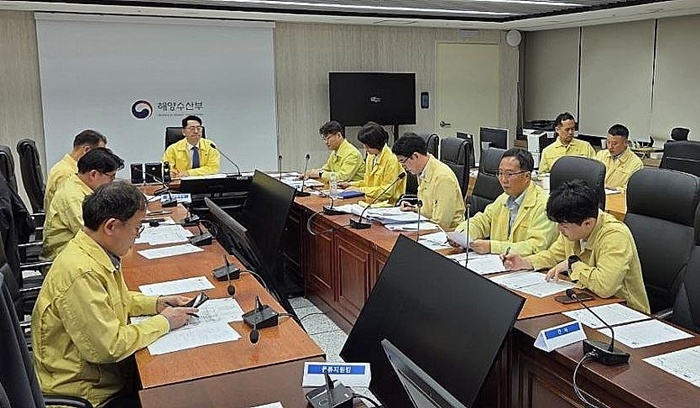
Recent attacks and shipboard fires have amplified instability in the Strait of Hormuz and have directly contributed to volatility in global oil markets. Nations are trying to prevent an accidental clash from escalating into open conflict while pursuing diplomatic and operational measures to protect their logistics routes.
Ultimately, the issue of the Strait of Hormuz has grown beyond a regional dispute to pose a risk to the global supply chain. Seoul’s cautious review reflects these layered national interests. The scope and form of South Korea’s potential involvement will likely be determined through further consultations with the United States and developments in the international arena, and the decision could have meaningful implications for security on the Korean Peninsula.