5th Among 145 Countries: How Far Has South Korea's Military Advanced?
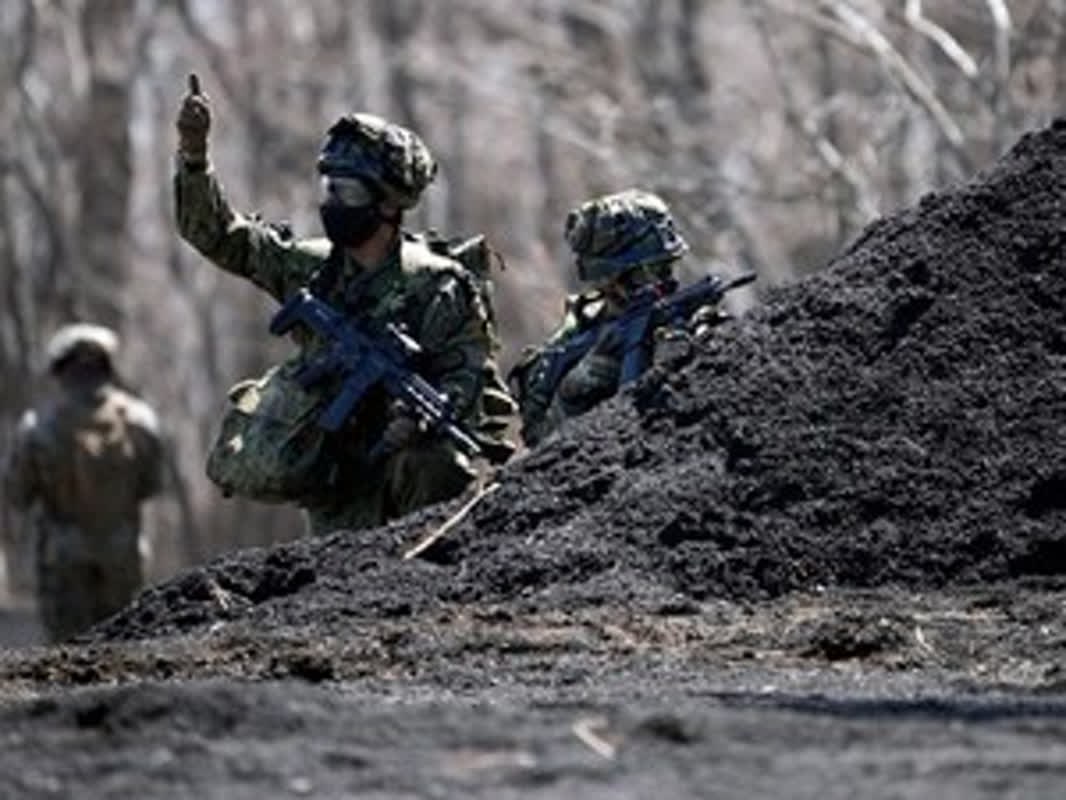
Global Firepower's 2026 Military Strength Ranking places South Korea fifth out of 145 countries, with a power index of 0.1642. GFP's index ranks militaries so that lower scores indicate greater strength. The top four remain unchanged from last year: the United States (0.0741), Russia (0.0791), China (0.0919) and India (0.1346). South Korea first reached No. 5 in 2024 and has held that spot for three straight years, effectively locking it into the upper tier.
2026 World Military Power Top 20: Which Countries Made the List?
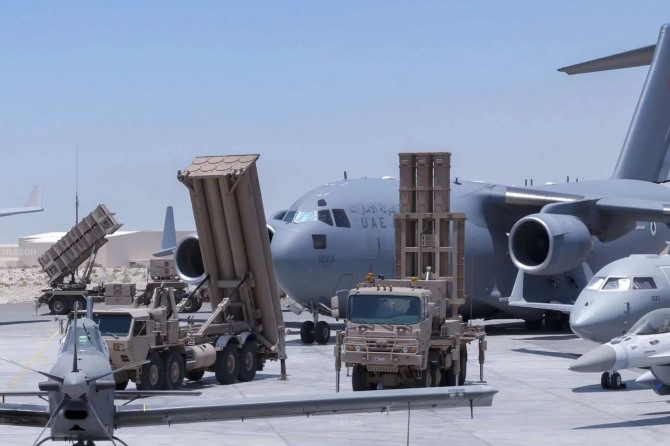
This year's rankings show notable shifts among European powers. The United Kingdom slipped from sixth to eighth, while France moved up to sixth and Japan to seventh, reshaping parts of the regional balance. Analysts note Germany climbed from 14th to 12th after sharply increasing defense spending following the Russia–Ukraine war, while Pakistan slid from 12th to 14th. GFP's 2026 top 20 are: 1) United States, 2) Russia, 3) China, 4) India, 5) South Korea, 6) France, 7) Japan, 8) United Kingdom, 9) Türkiye, 10) Italy, 11) Brazil, 12) Germany, 13) Indonesia, 14) Pakistan, 15) Israel, 16) Iran, 17) Australia, 18) Spain, 19) Egypt and 20) Ukraine. North Korea is ranked 31st.
What Underlies South Korea's No. 5 Ranking: Personnel, Artillery, Navy and Defense Industry
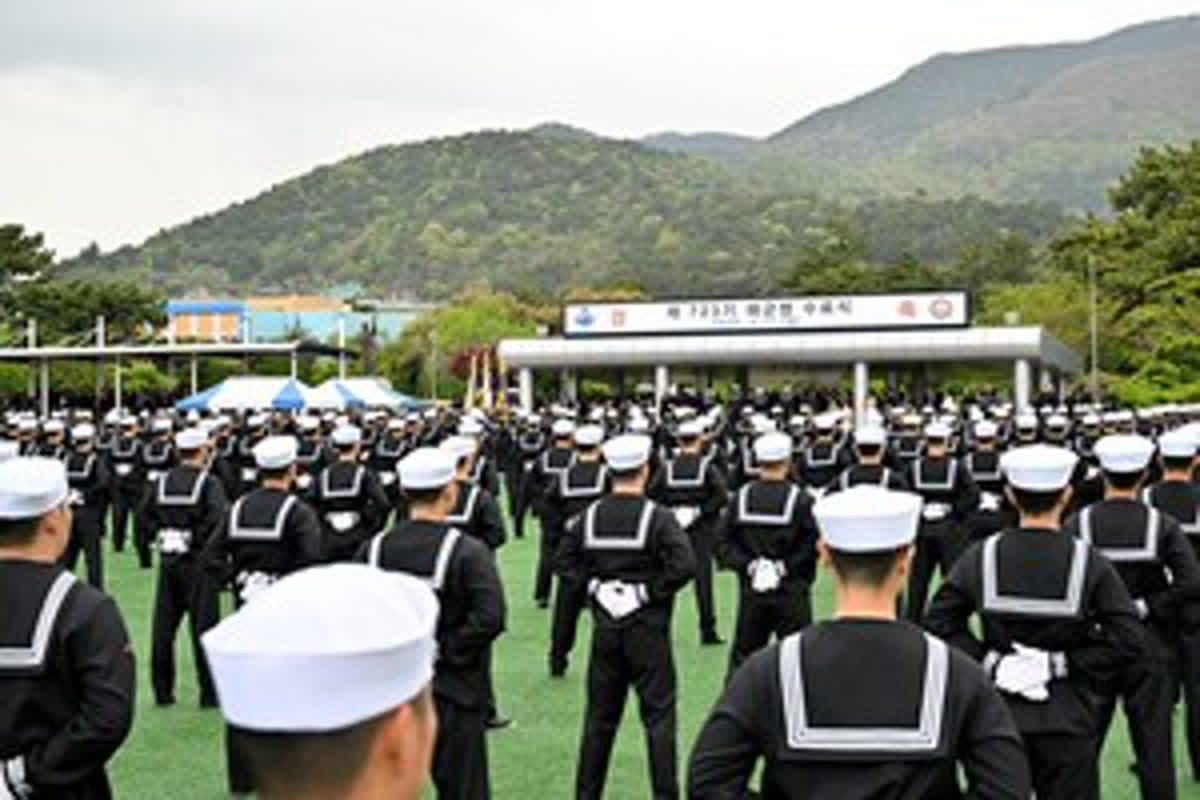
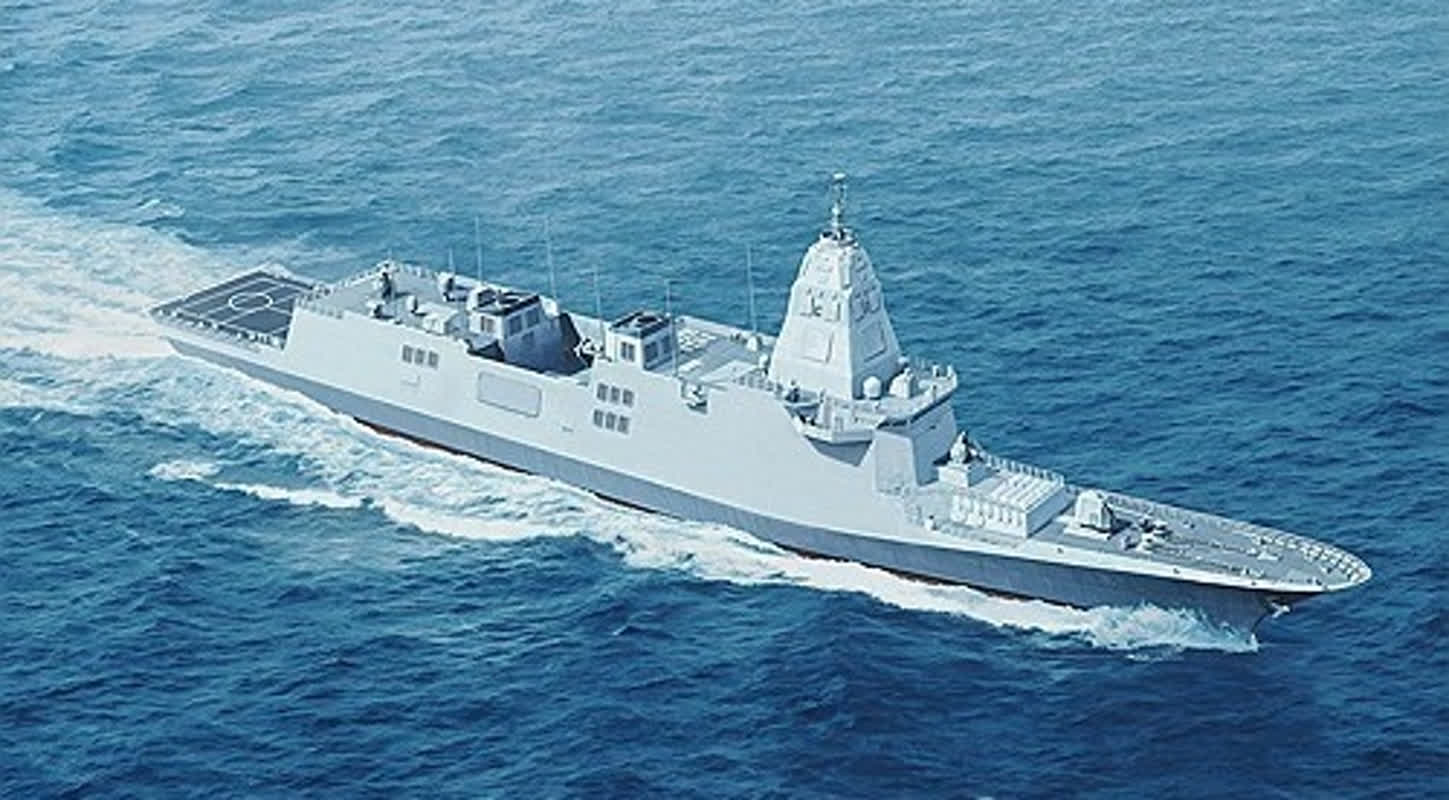
According to GFP, South Korea fields about 450,000 active-duty troops and 2.7–3.1 million reservists. Including paramilitary forces, the country can mobilize more than 3.5 million personnel. Its air fleet totals roughly 1,500 aircraft, placing it among the world's top five air forces by inventory. Artillery—self-propelled guns, towed howitzers and multiple-rocket launchers—earns Korea top-tier marks. The navy scored highly in escort and destroyer categories thanks to Aegis destroyers, modern frigates and a fleet of diesel submarines. Observers also cite Korea's extensive reserve system as a strategic advantage.
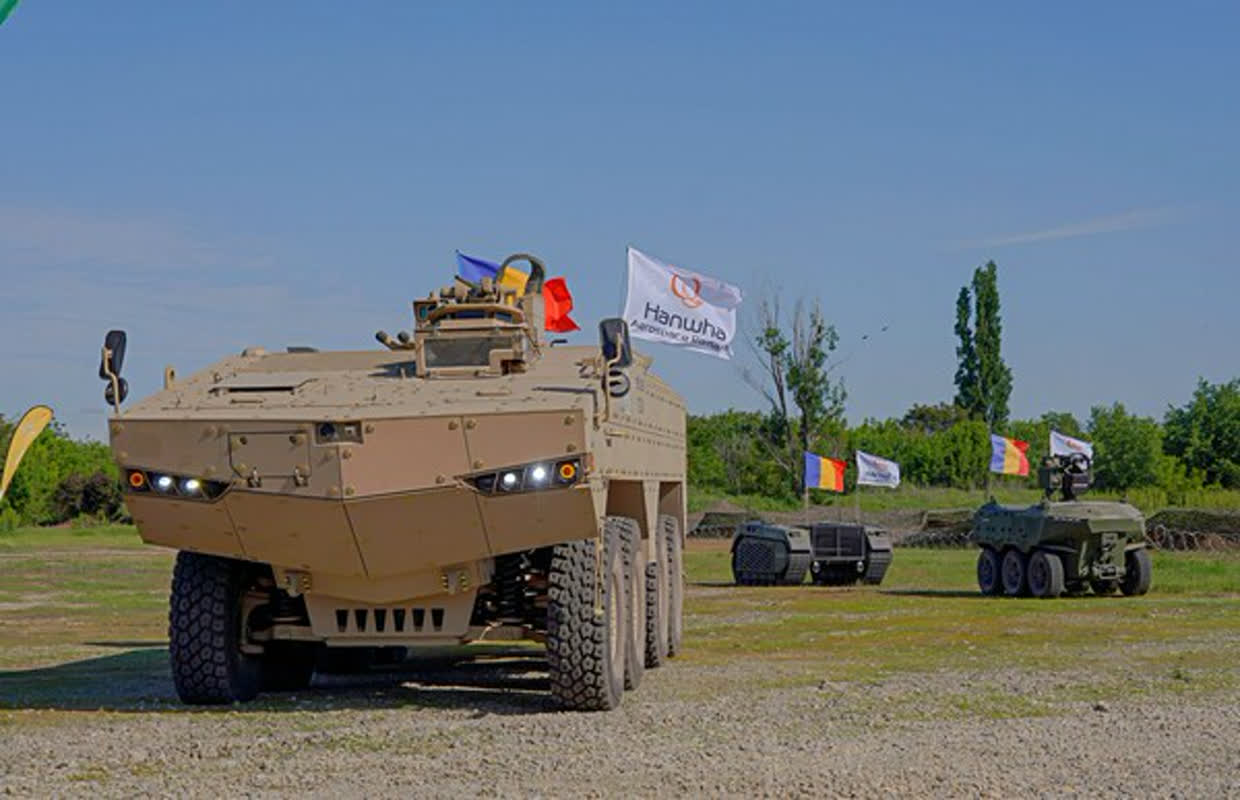
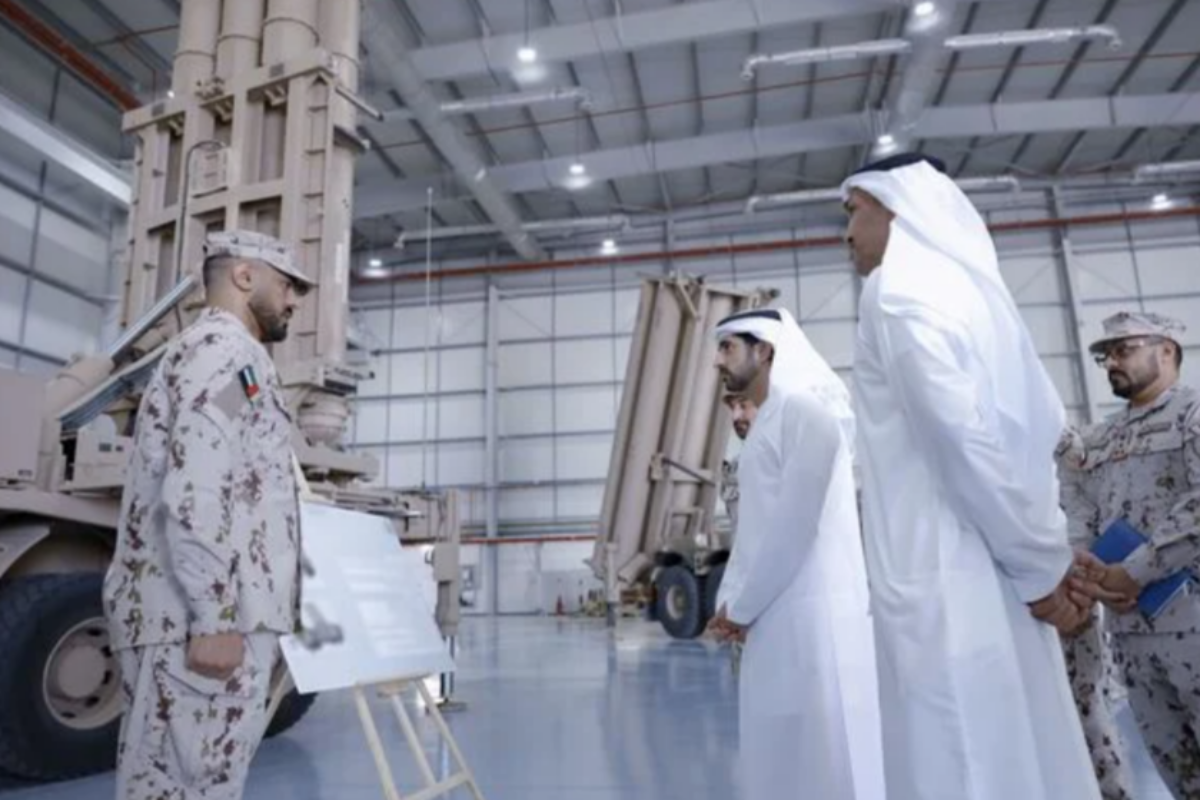
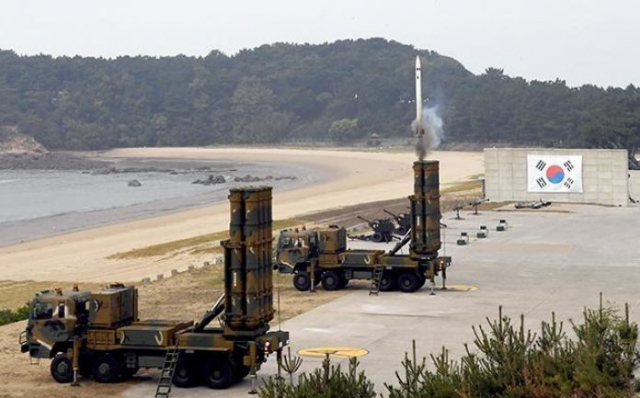
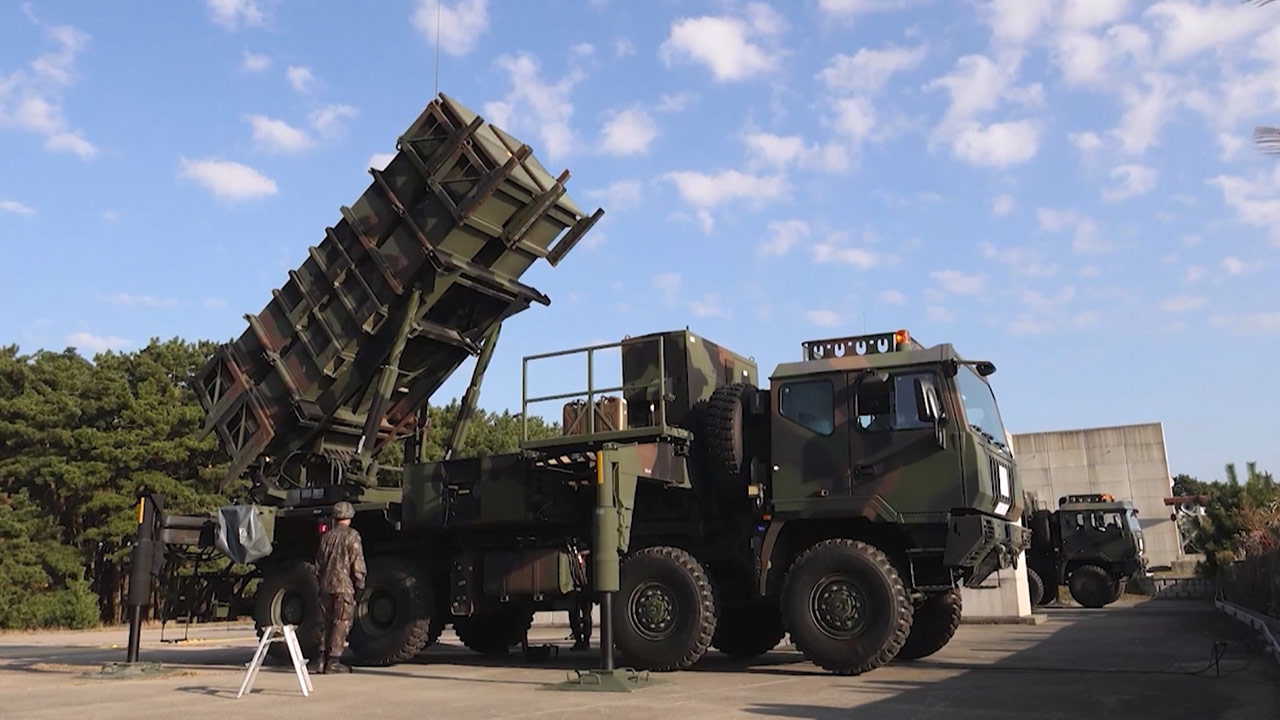
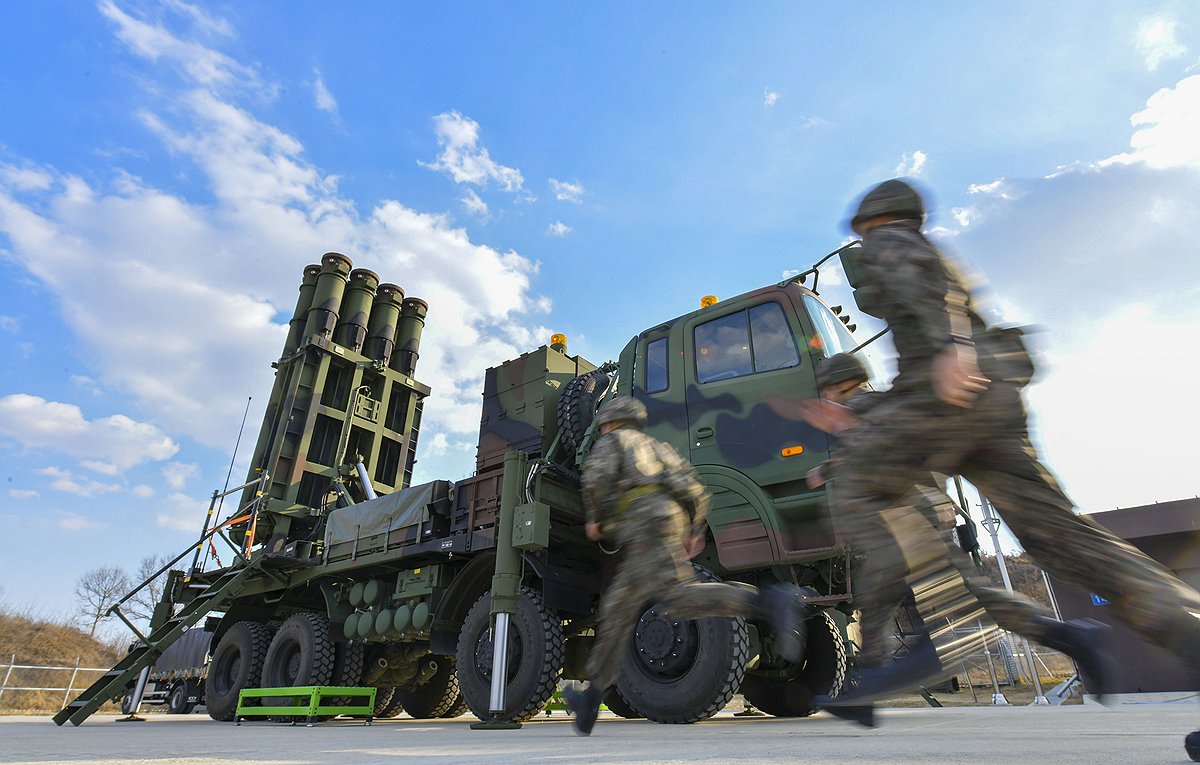
On the industrial and technological side, Korea's defense production forms a full-package backbone: the K9 self-propelled howitzer, K2 tank, Cheongung-II and L-SAM air-defense systems, submarines and frigates, and the KF-21 fighter. Experts say the post–Russia–Ukraine demand from Europe and the Middle East for Korean tanks, howitzers and air-defense systems likely factored indirectly into GFP's assessment.
“No Nuclear Weapons, But…” The Only Non-Nuclear State Among the Top Five
One striking feature of this year's list is that South Korea is the only non-nuclear-armed country among the top five. The United States, Russia, China and India all possess strategic nuclear forces. GFP, however, does not include nuclear weapons in its scoring model; it evaluates roughly 60 indicators such as manpower, conventional equipment, defense spending, logistics and geography. Still, analysts argue Korea's high rank without nuclear arms indicates it has largely offset that gap through robust conventional capabilities—tanks, artillery, naval power and a large reserve force—as well as a domestic defense industry able to produce and export advanced systems.
GFP's Limits and What the Ranking Still Means
Experts caution that GFP rankings do not directly predict battlefield outcomes. The Russia–Ukraine war showed that a higher ranking does not guarantee success against a lower-ranked opponent. GFP also underrepresents key modern warfare domains—cyber and space operations, drones and precision-guided munitions—and it often counts platforms like destroyers and tanks by raw numbers without distinguishing age or capability. That can leave outdated systems counted the same as modern ones.