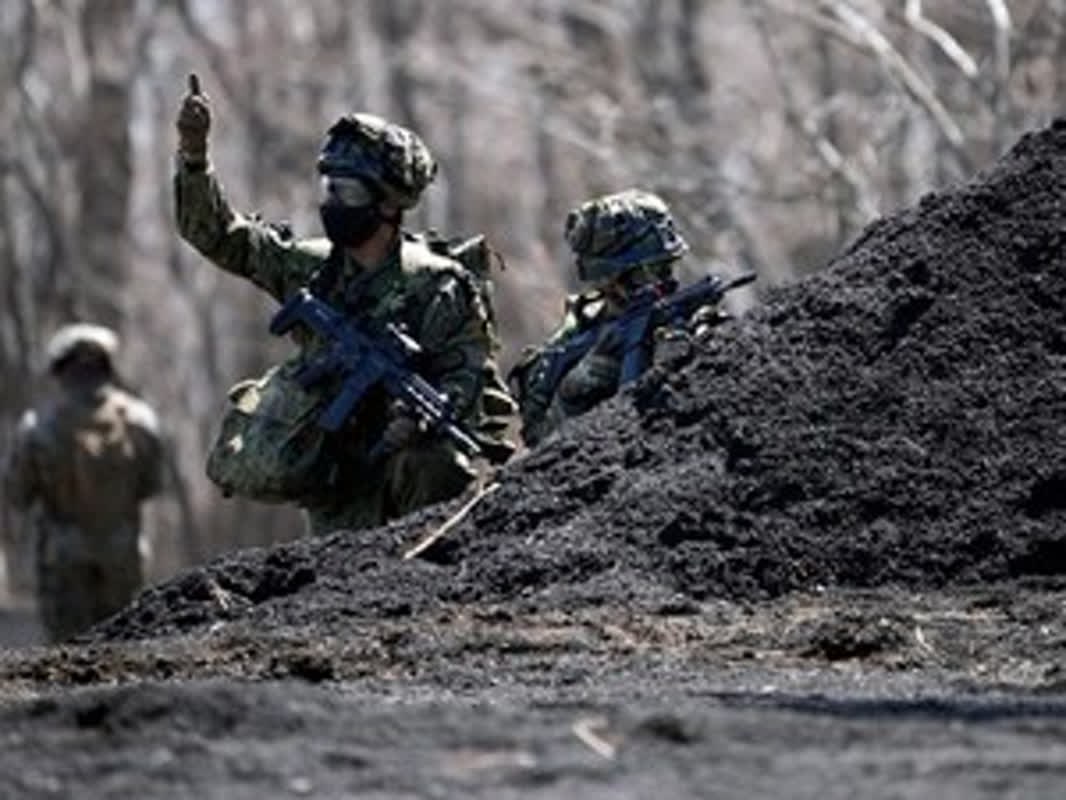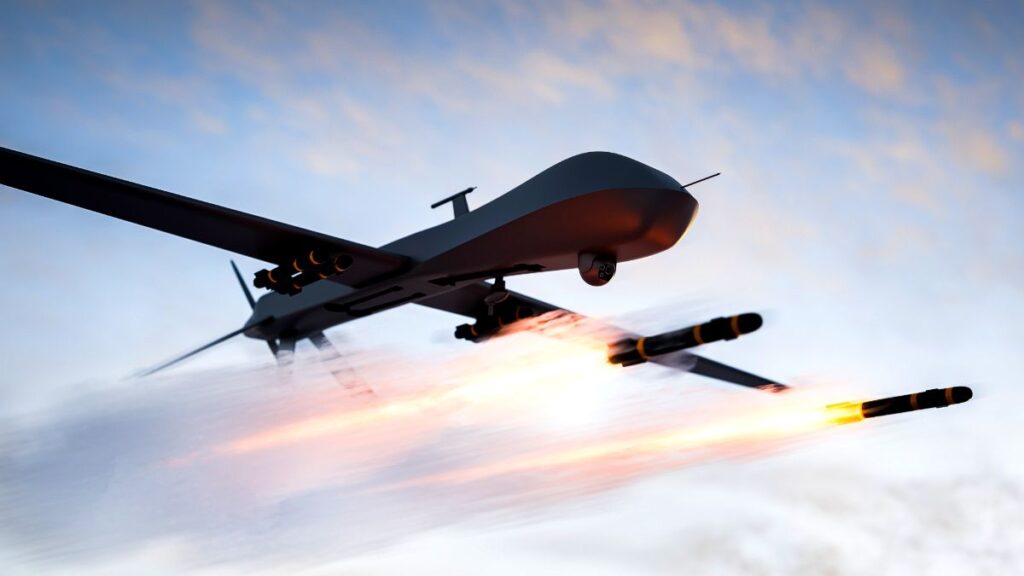
North Korea's drone operations have emerged as a central security threat on the Korean Peninsula, driving unprecedented public attention to military unmanned capabilities.
Despite South Korea's advanced, comprehensive defense industry, analysts say the global market offers a far stricter verdict.
While Seoul typically ranks near the top 10 in defense technology and exports, experts contend it remains a roughly seventh-place contender in military drones — a domain shaped by combat-proven performance and low-cost mass production.
Cost-effective powers outpacing the U.S. and China
Over the next decade, the nations that control the skies will be judged not by high-end, costly airframes but by who can field large numbers of affordable, capable unmanned systems.
Foreign outlets and defense research institutes say the primary metric is the ability to rapidly mass-produce low-cost, intelligent drones.
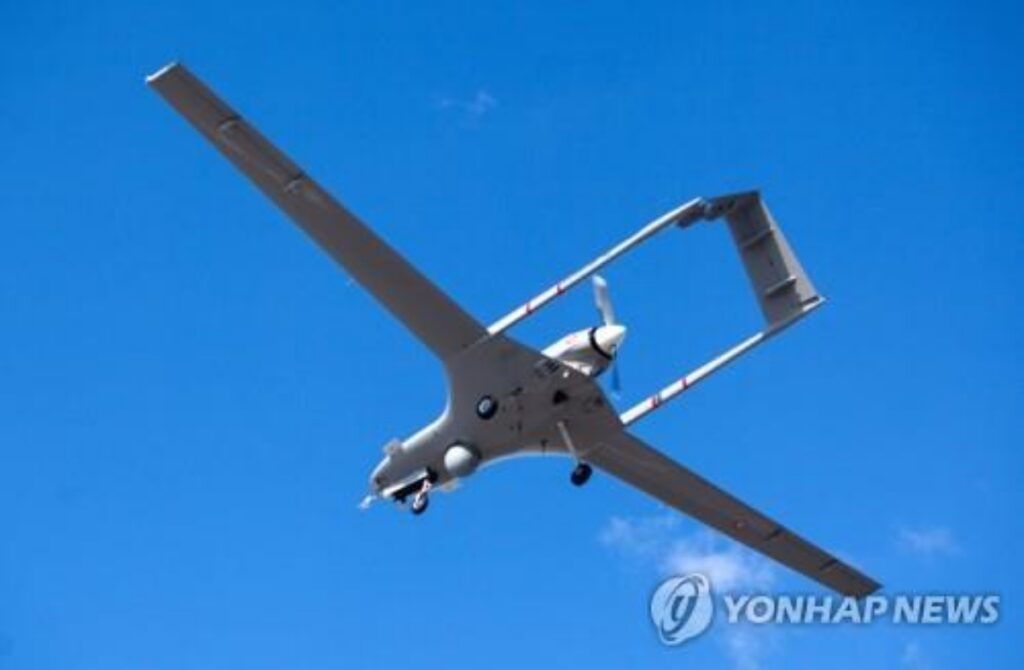
Under that new paradigm, Turkey and Iran have been the most disruptive players.
Turkey's Baykar has exported the Bayraktar TB2 and other models to more than 35 countries, turning unmanned systems into a diplomatic and industrial platform as much as a weapons program.
Iran, by contrast, emphasizes volume over sophistication — reportedly producing on the order of 10,000 low-cost attack drones per month and helping normalize a tactic of attriting expensive air defenses with cheap swarms, as seen in the Russia-Ukraine conflict.
China — believed to control upwards of 80% of the global drone-parts supply chain — and Ukraine, which is exporting combat-tested defensive know-how, also remain near the top of the field.
Why South Korea still sits outside the top tier
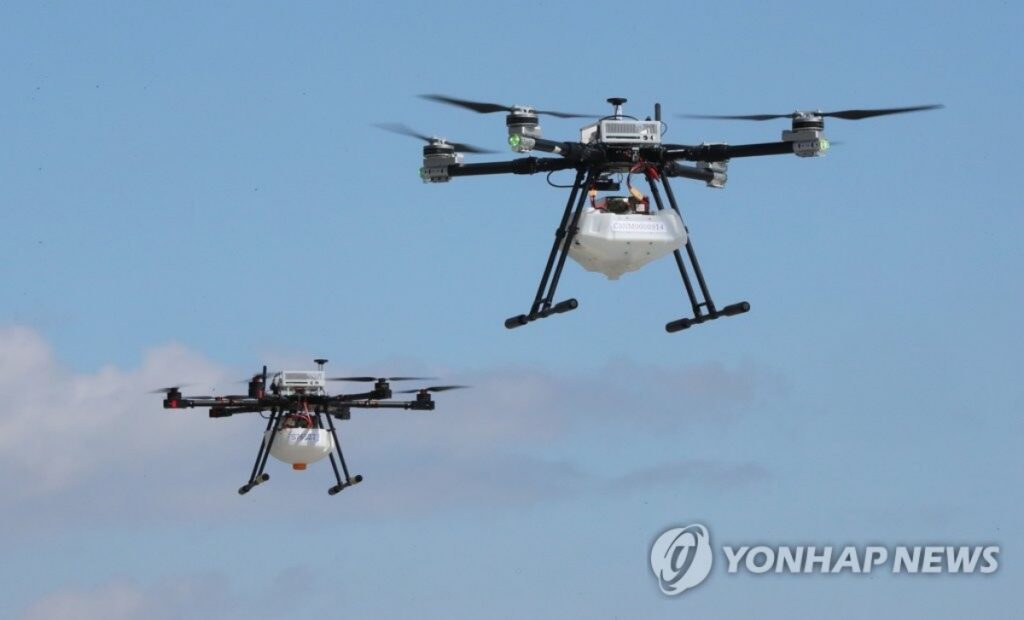
Analysts point to two main reasons South Korea has not cracked the top five: a shortage of combat-proven deployments and a limited track record of large-scale production and exports for expendable unmanned systems.
Seoul has demonstrated global competitiveness in manned fighters and armored vehicles, but it has yet to produce a breakout unmanned platform that dominates the consumable-drone market.
Observers also cite structural constraints: complex military procurement rules and regulatory hurdles have slowed the military adoption of rapid civilian innovation in unmanned technologies.
K-Defense will flip the script with 'brains,' not airframes
Still, military experts say South Korea has the potential to reshape the rankings within a decade.
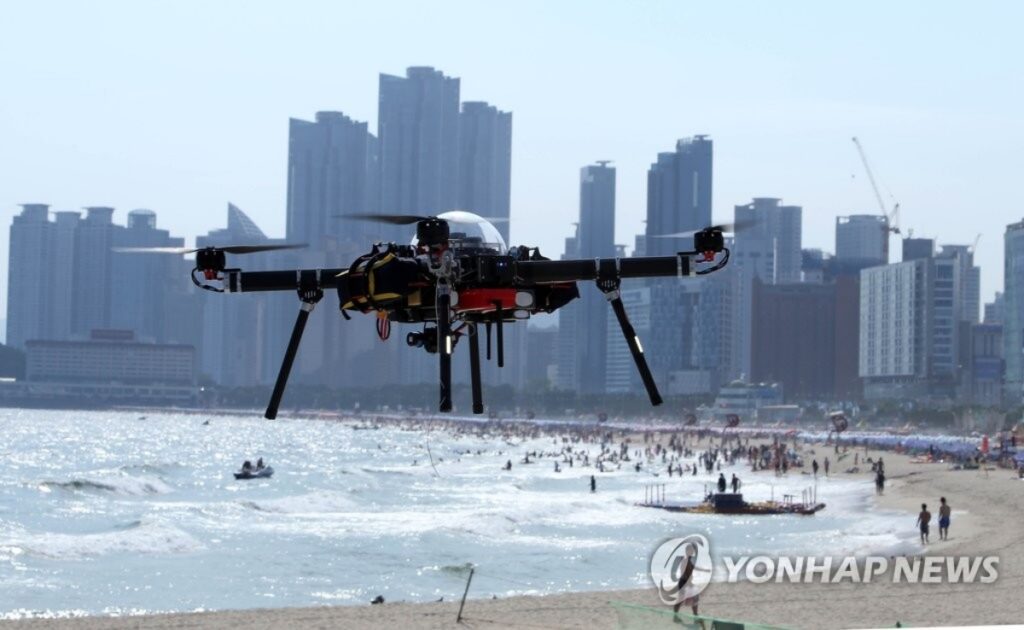
The strategy centers on moving beyond manufacturing airframes to becoming a leader in operational systems — combining AI semiconductors with manned-unmanned teaming (MUM-T) and advanced command-and-control.
Seoul has accelerated steps in that direction, investing heavily in AI chip startups and setting targets to reduce the fielding timeline for advanced weapons from seven years to under two.
A significant portion of the 2026 defense budget — part of a plan that tops 65 trillion KRW (48.75 billion USD) — is earmarked for building AI- and drone-focused future-warfare capabilities.
South Korea's competitive edge may not be in drone hulls alone but in packaging world-class semiconductors, communications networks, and AI sensors into exportable systems.
Once that advanced ICT infrastructure is fully integrated with military unmanned systems, South Korea could move from follower to frontrunner, helping to set the next global paradigm for drone warfare.