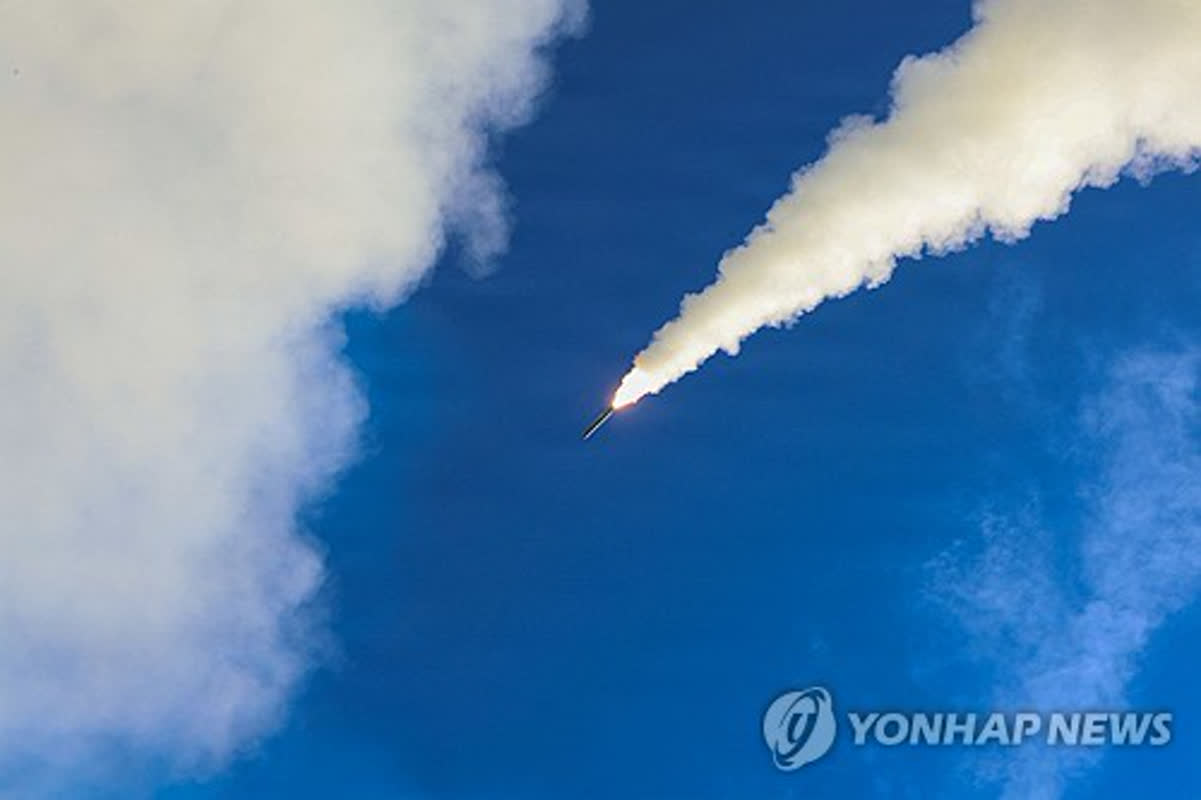
When most people picture naval power, they imagine Aegis ships launching interceptors from vertical launch systems or massive gun turrets.
Military analysts counter that those images miss a crucial reality. “If a warship is a sharp sword that pierces an enemy’s heart, logistics are what keep that sword on the battlefield,” they say.
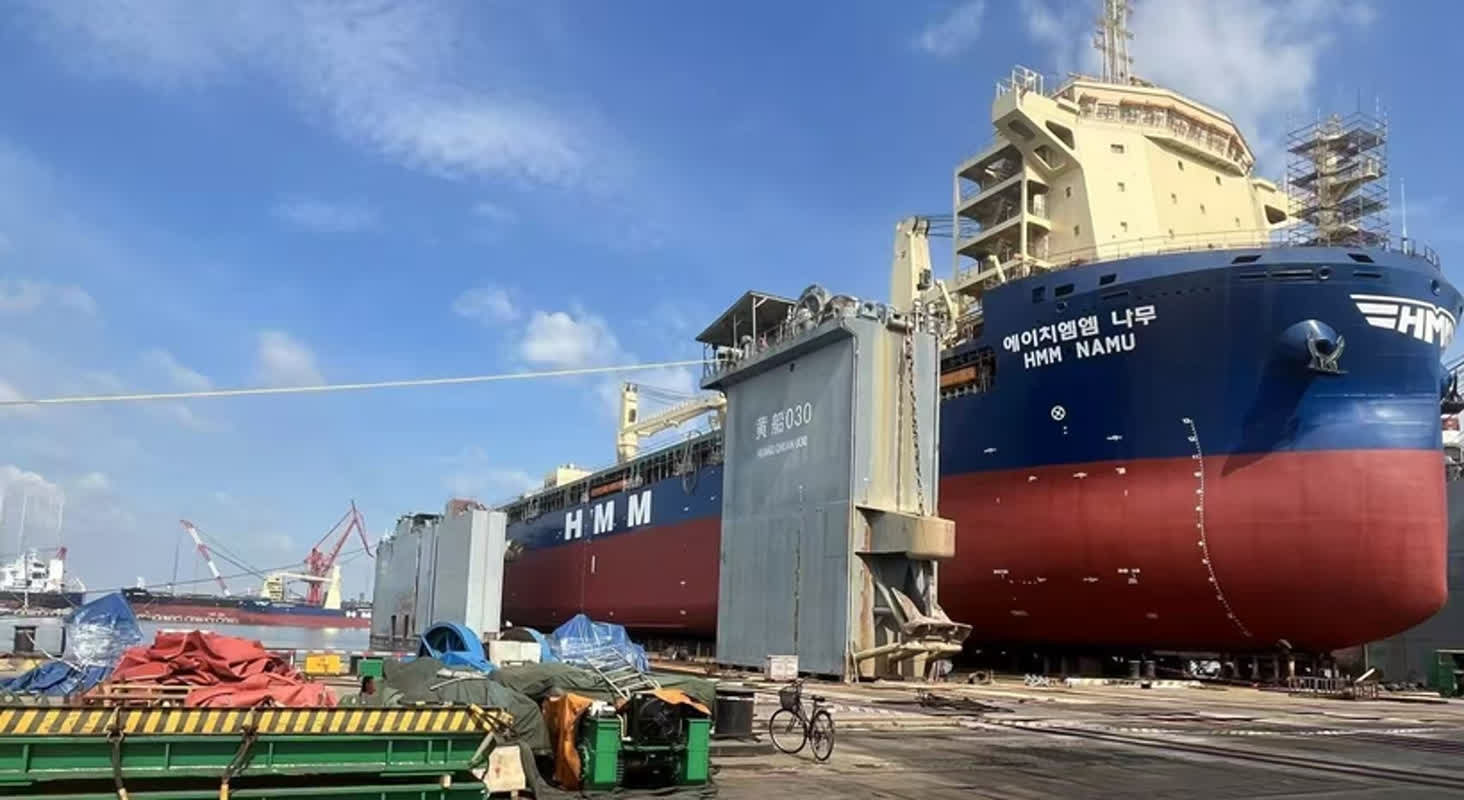
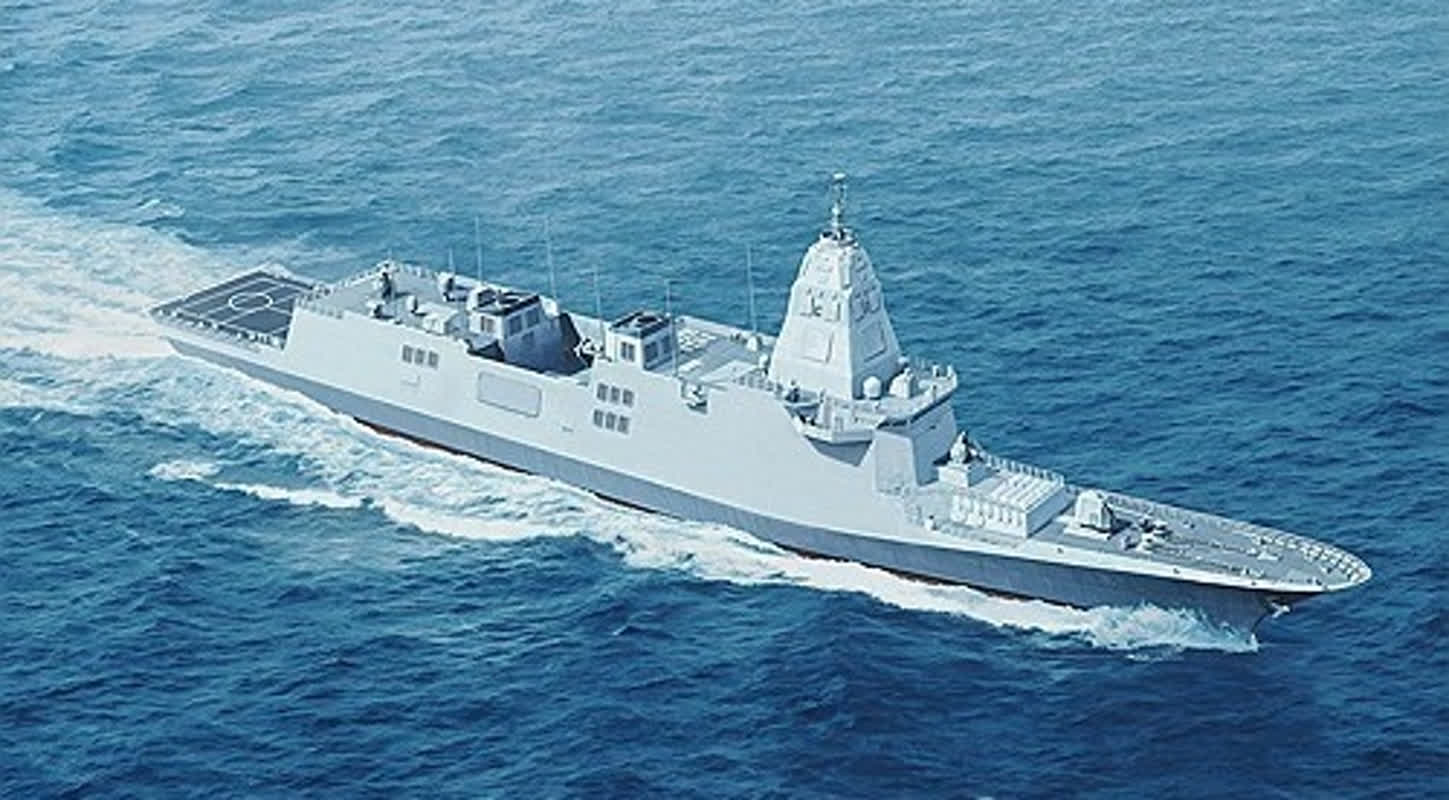
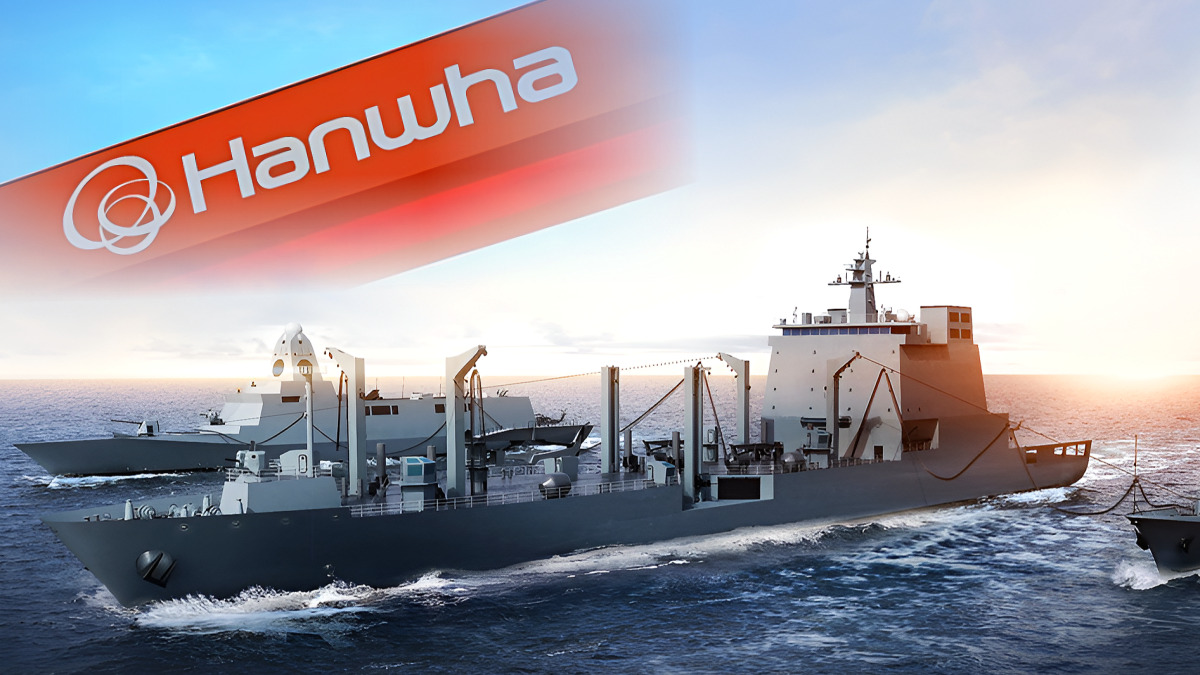
South Korea’s navy has begun a major program to dramatically increase that staying power. The Defense Acquisition Program Administration announced construction has started on the second next‑generation combat support ship (AOE‑II), built by Hanwha Ocean.
Funded at 531.5 billion KRW (about 398.6 million USD), the ship is scheduled for delivery in 2028. It is not a flashy combatant, but it will quietly reshape the ROK Navy’s operational reach and endurance.
“About 2.3 times the Cheonji class” — a giant floating gas station and ammunition depot
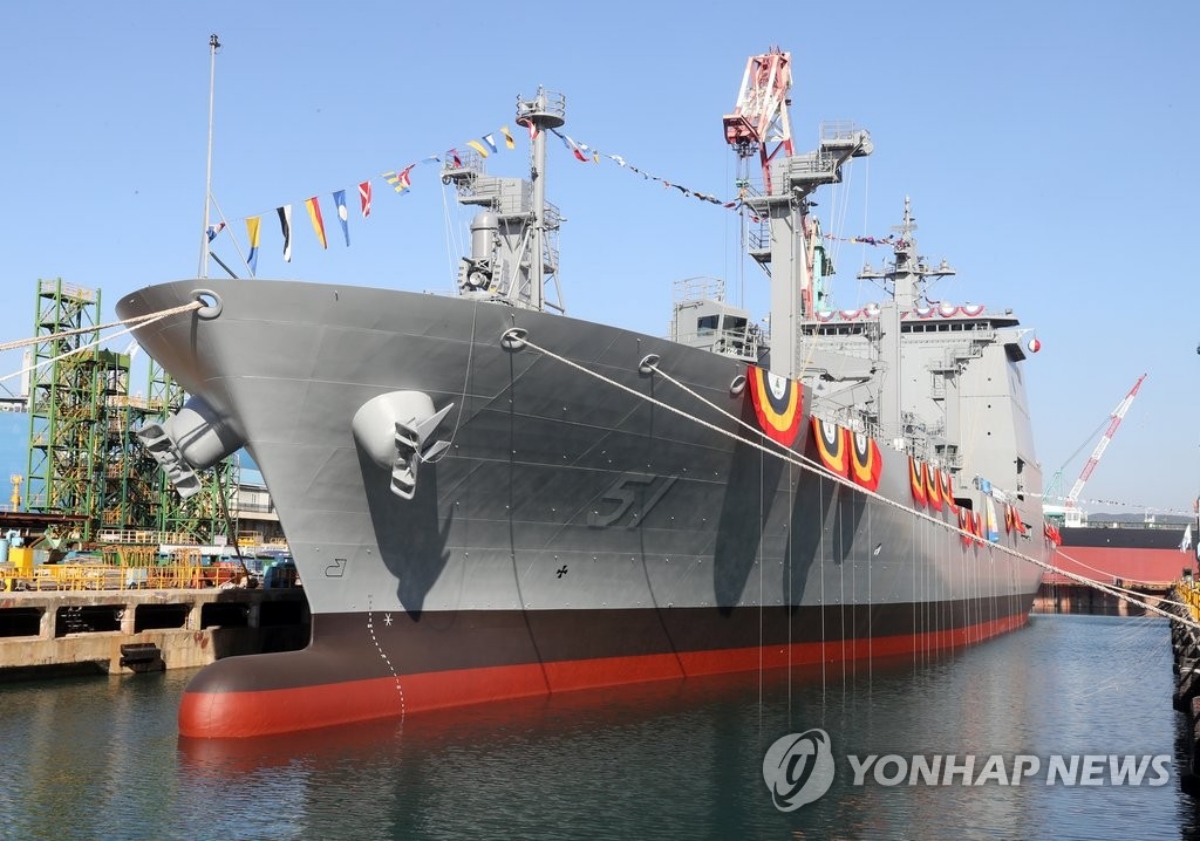
No matter how well armed a warship is, it must break off operations and return to port if it runs out of fuel, ammunition or food. A combat support ship (AOE) is the fleet’s lifeline at sea, refueling and resupplying ships alongside it.
The AOE‑II No. 2 under construction is the follow‑on, twin hull to the 10,000‑ton class Soyang that entered service in 2018. It outstrips older designs in both size and cargo capacity.
Compared with the older Cheonji‑class (AOE‑I), the new design increases load capacity by about 2.3 times. On a single sortie it can carry roughly 11,050 metric tons of fuel, ammunition and cargo. Put simply, for a combat ship this is like having a near‑permanent gas station, ammunition depot and large mess at sea.
The No. 2 ship is not a straight copy. Lessons learned from Soyang operations informed significant upgrades to crew habitability and safety.
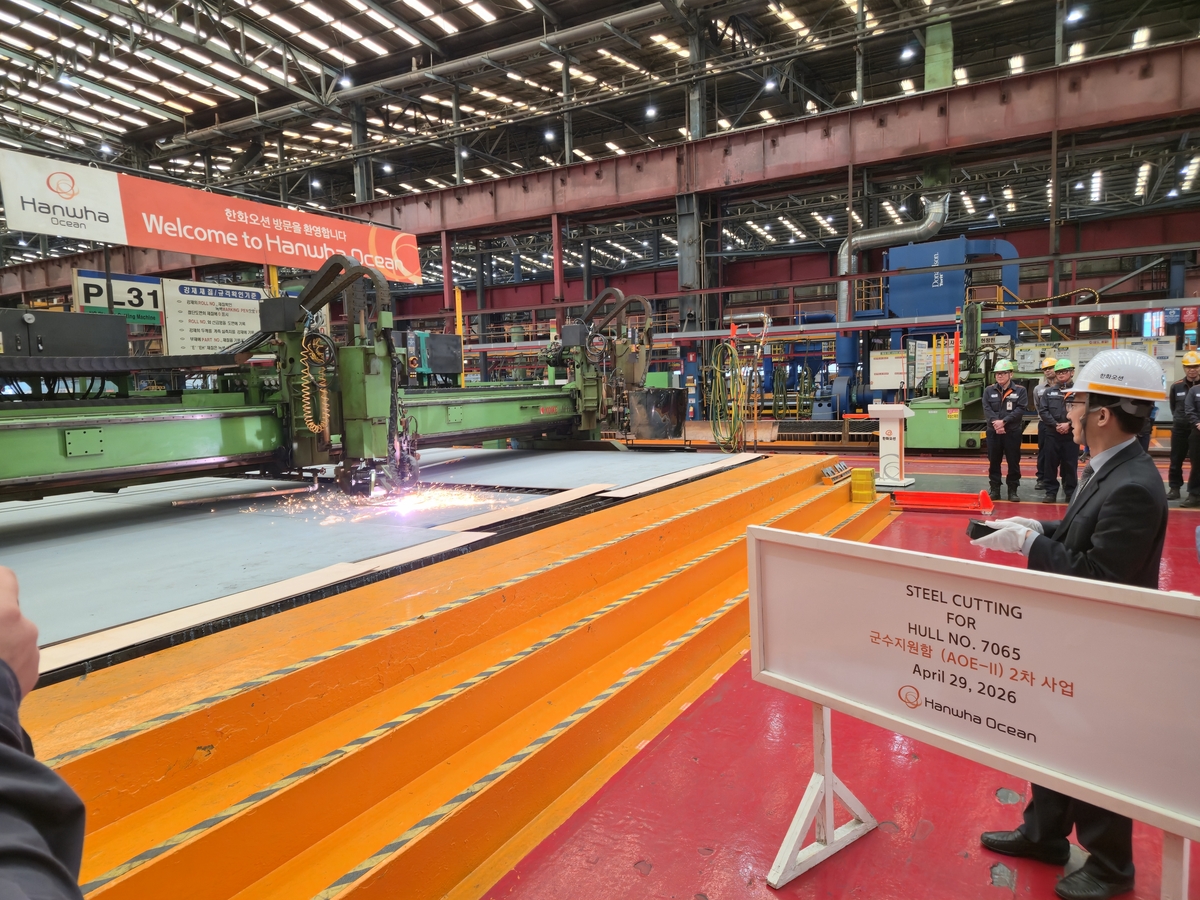
Designers incorporated noise‑reduction features to reduce submarine detection and will install intelligent CCTV systems that automatically detect emergencies like fires or falls.
The ship will also use a domestically produced integrated machinery control system to improve efficiency. Planners have even accounted for installing a close‑in weapon system (CIWS‑II) to defend against anti‑ship missiles, boosting survivability.
“One ship versus two is night and day” — completing an always‑ready navy
The strategic importance of starting construction isn’t just technical specs. It’s about completing a two‑ship logistics system.
Today the ROK Navy operates a single large combat support ship, Soyang. When you depend on one support ship, scheduled maintenance or a separate deployment creates critical gaps in logistics for the main strike groups.
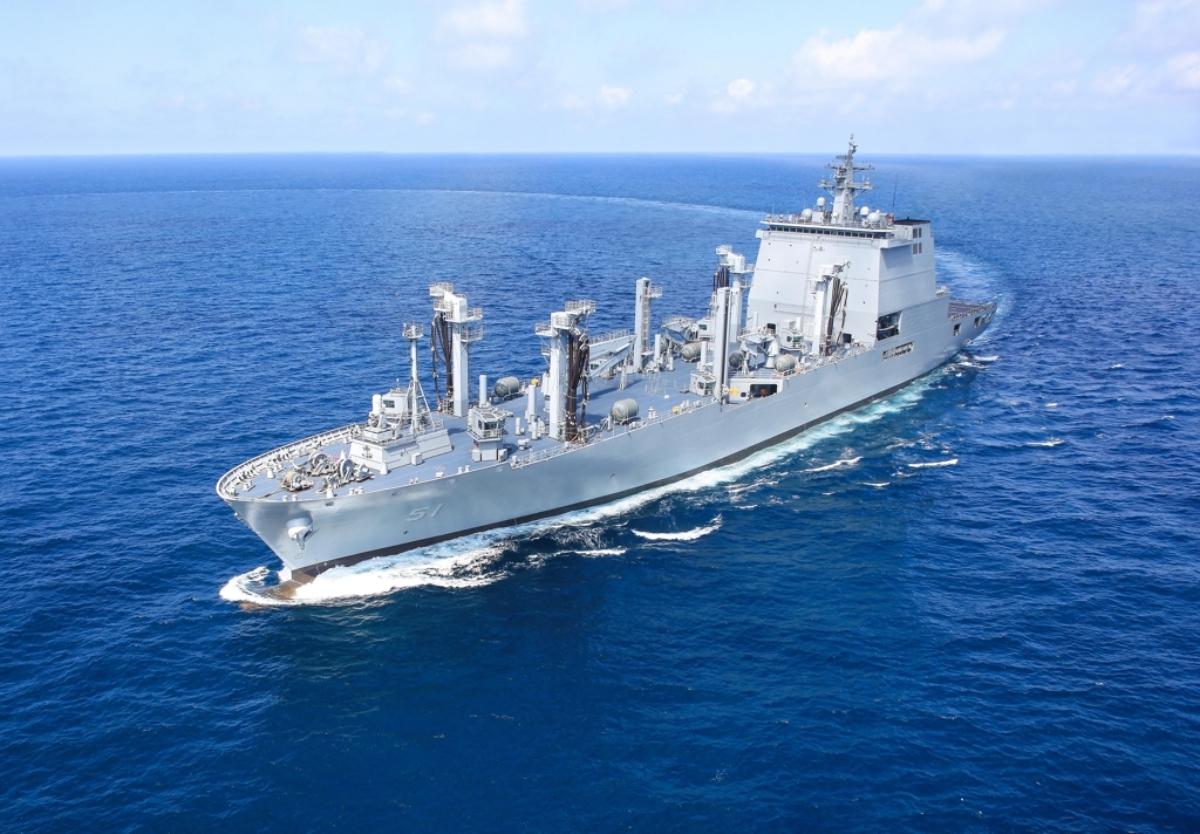
That can force Aegis‑equipped destroyers to make frequent trips back to ports such as Busan, Jinhae and Pyeongtaek for fuel and supplies.
With the AOE‑II No. 2 entering service in 2028, a two‑ship system becomes possible. One ship can deploy while the other undergoes maintenance or serves as a reserve. The result: continuous, year‑round, large‑scale logistics support.
The implications in wartime are profound.
Even in a worst‑case opening where North Korea targets South Korean naval bases and port operations become too dangerous, the ROK Navy’s main combatants could remain at sea — in the East, West and South seas — and keep fighting supported by AOE‑II logistics ships.
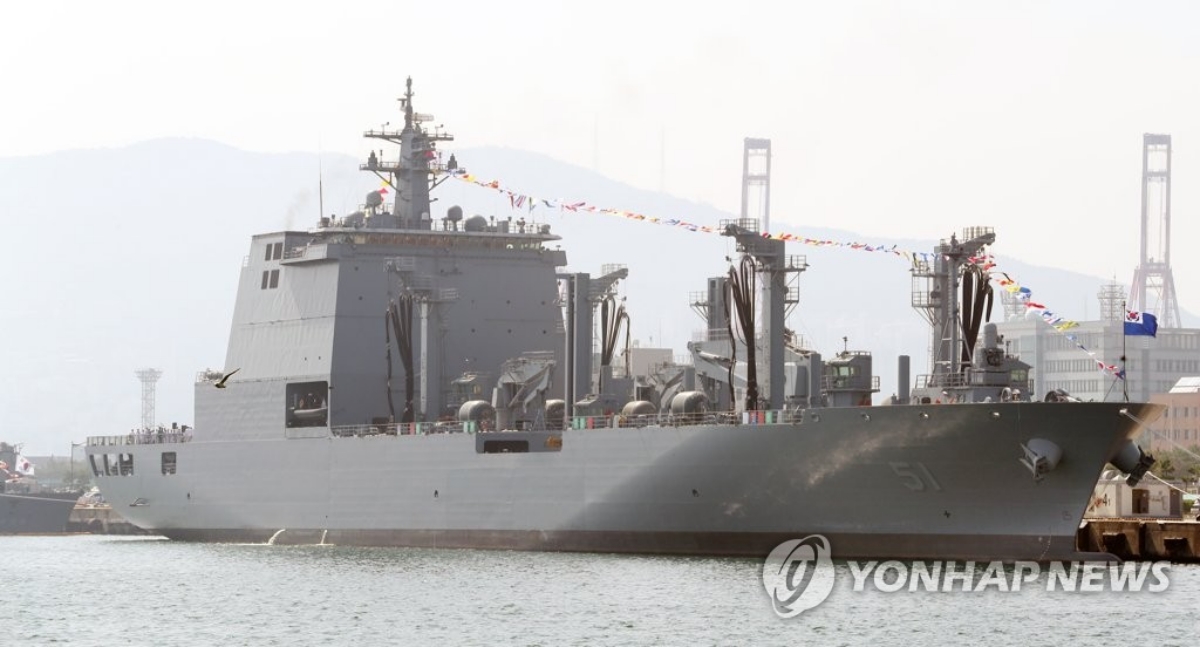
The ship itself will not fire a missile. But by enabling Aegis ships and destroyers to operate farther from shore and for longer periods, it multiplies their combat effectiveness. In that sense, it can be more consequential than many frontline combatants.
South Korea’s navy is now moving beyond raw striking power into the defining attribute of a true blue‑water force: sustained operational endurance.