“A chaebol became a division commander?”…The real story behind the sensational headline
The claim that a conglomerate chief "became an Army division commander in a day" was not literal. He was not an active-duty commander with formal authority; the army had given him an honorary division commander title created internally.
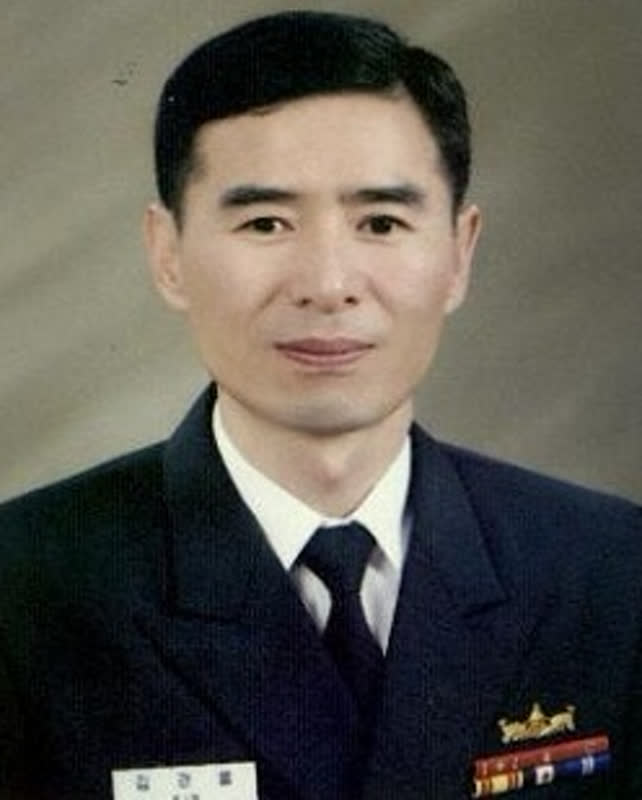
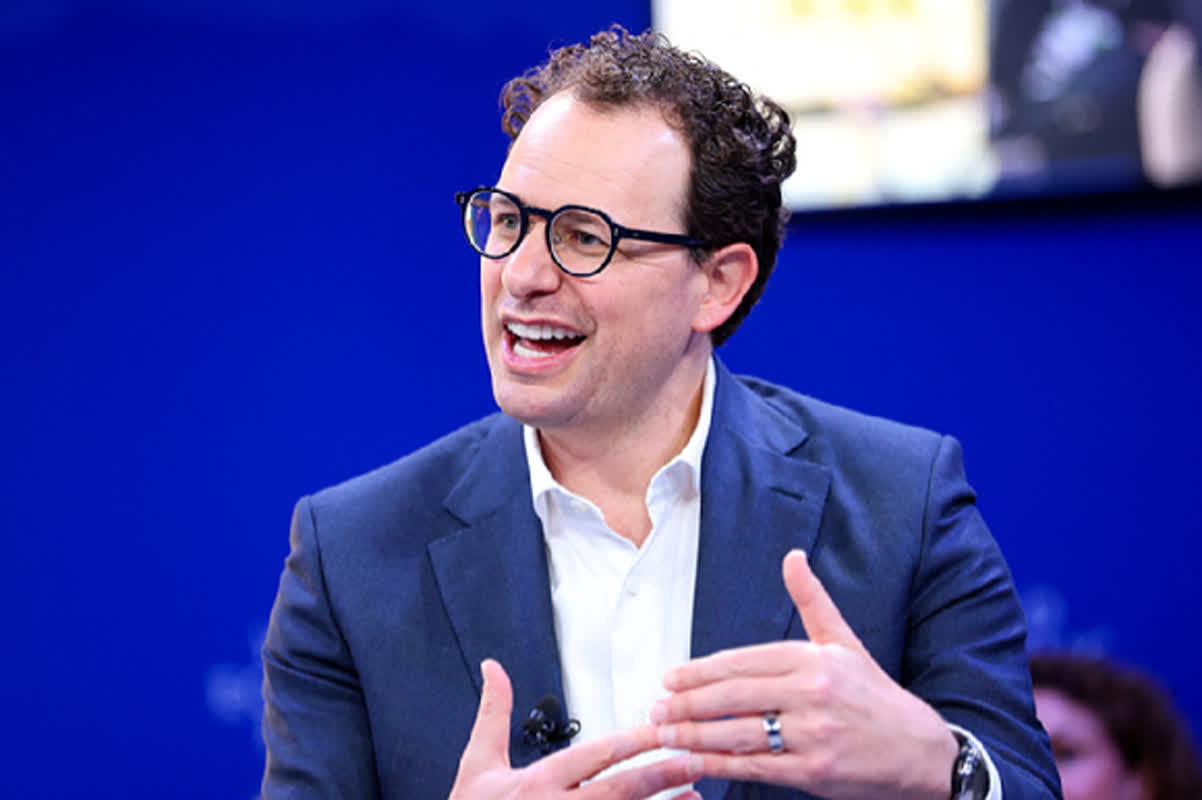
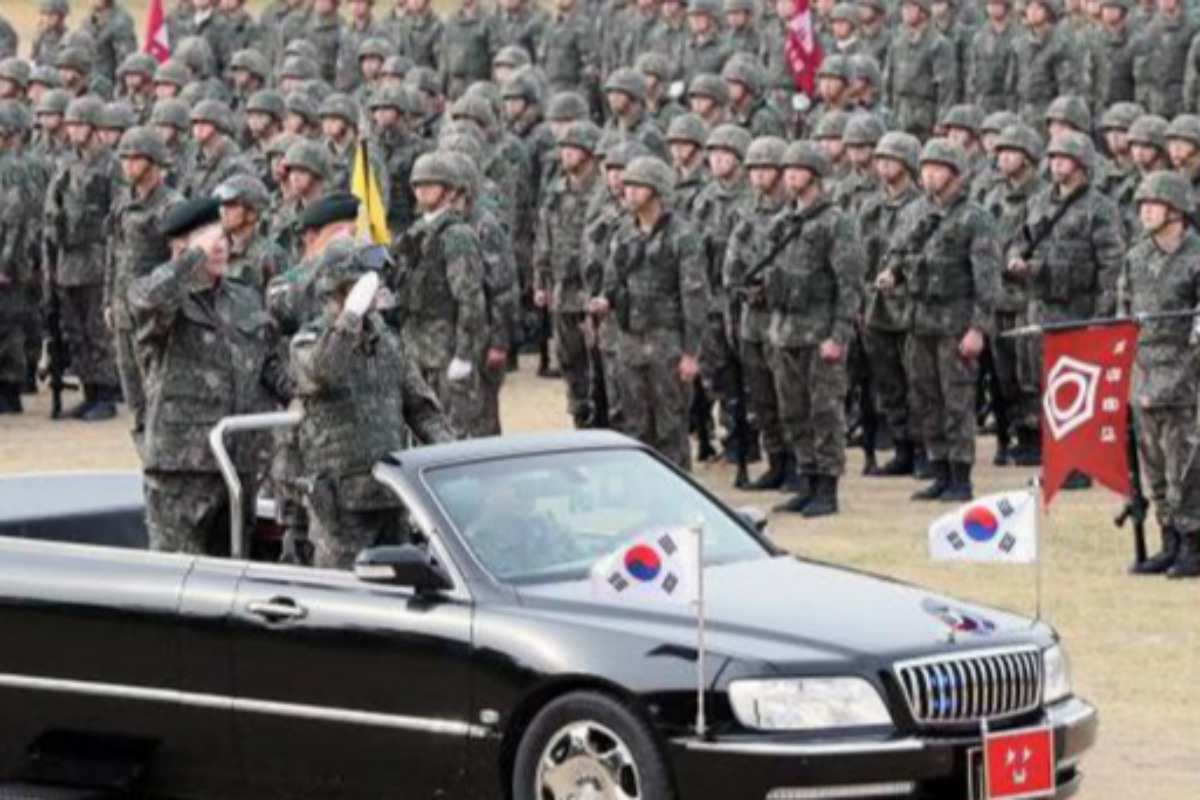
When images showed SM Group Chairman Woo Oh-hyun wearing a two-star uniform and reviewing troops at the Army's 30th Mechanized Infantry Division, media outlets and social platforms ran sensational lines that the chaebol chairman had immediately become a division commander. The optics of a civilian appearing to occupy a top commander role produced a strong reaction, even though no operational command authority changed hands.
Wearing major-general insignia and riding in an open car…How did this happen?
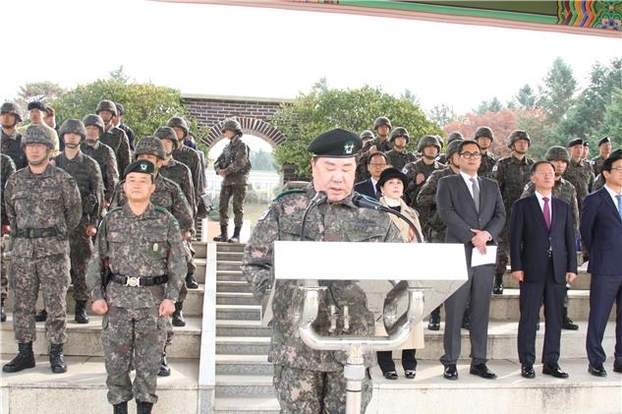
Since late 2018, the 30th Division had appointed Woo Oh-hyun—who supported facility repairs and sent care packages to the unit—as an honorary division commander. In November 2019, to mark the first anniversary of that appointment, then-division commander Bang Sung-dae and Woo rode together in an open car while hundreds of soldiers marched past during a flag-raising ceremony.
At the event, Woo wore a uniform and beret bearing two stars modeled after the division commander's shoulder boards, and troops rendered salutes and performed drill movements. Soldiers selected as the "Elite 300 Warriors" received citations presented to them by Woo in his honorary capacity, a ceremonial practice that effectively borrowed the division commander's prestige.
'Honorary division commander' not in regulations…An apparent breach of directives
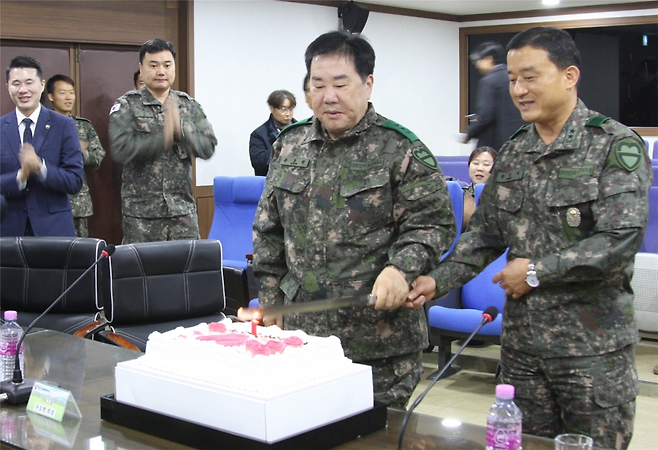
The core of the controversy is that the title honorary division commander does not exist in official Defense Ministry regulations. Under the ministry's honorary service rules, civilians may receive honorary ranks only from sergeant to colonel, and any officer-level honorary appointment must be made by the defense minister after approval by a personnel review board.
But the 30th Division unilaterally designated Woo as an honorary division commander without ministerial appointment, and effectively bestowed a rank not authorized by the rules—major general (two stars). Critics say assigning a command title, when the honorary program's intent is that "a rank may be conferred but not an assignment," ran counter to the directive.
Military admits it was inappropriate…An unprecedented case that prompted an inspection
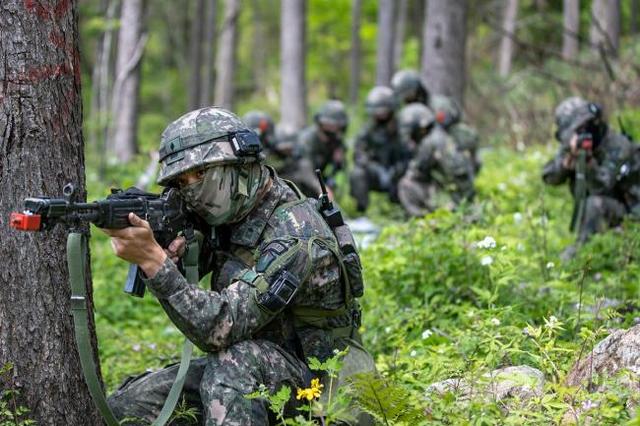
As public criticism mounted, Army Headquarters said it regarded the 30th Division's honorary-commander event as a serious matter and launched an inspection of the unit. The military acknowledged that Woo did not exercise operational command or control. It characterized the event as a courtesy recognizing his contributions to the unit, but said aspects of the ceremonial protocol were inappropriate.
The Defense Ministry then used the episode to review standards for the honorary service program and to examine units' practices in appointing honorary posts. It ordered measures to prevent similar incidents. The unprecedented scene of a company chairman reviewing troops became the focus of an investigation and prompted a broader reassessment of military personnel and ceremonial culture.
'A uniform is not just clothing'…Debate over authority and fairness spreads
Woo had already expanded his political and business networks by joining presidential trade missions abroad and attending Korea-Japan business meetings as a mid-sized company representative. When it emerged that relatives of the president and prime minister had worked at SM Group affiliates, some viewed the episode as further evidence that a chaebol executive close to power had received general-officer-level honors.
The contrast between career officers who serve nearly 30 years and receive only modest ceremonies upon honorary discharge and a private executive wearing a two-star uniform to review troops fueled resentment about fairness in how symbolic honors are distributed. That reaction reflects a widely held view that "a uniform and rank insignia are not costumes but symbols of service to the nation."
Between 'civil-military cooperation' and 'excessive ceremony'…Where should the line be drawn?
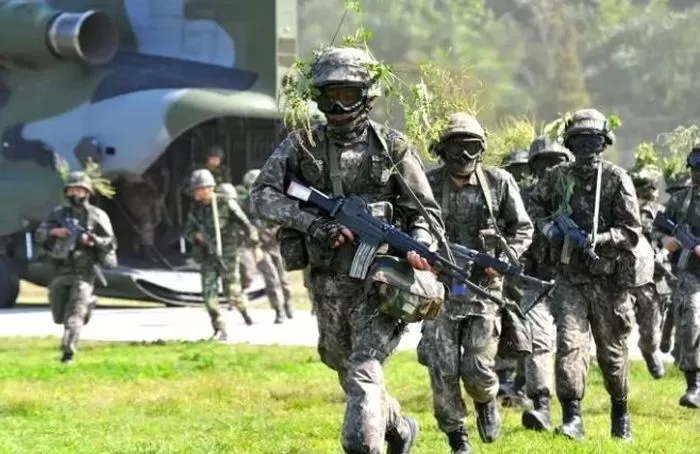
Appointing civilians as honorary officers or goodwill ambassadors to help improve barracks and boost troop morale is common abroad, and the Korean military does not oppose the practice in principle. The problem arises when unclear rules allow ranks, billets, or ceremonial honors to be granted excessively, which risks trivializing the chain of command and the military's symbolic assets.
Since the controversy, voices inside and outside the military have grown louder calling for a clear boundary: corporate donations and sponsorships should be honored transparently within established systems, but general officer ranks and command duties must never be transferred to civilians. Behind the flashy claim that a chaebol boss suddenly became a division commander lies a deeper question about where to draw the line between civil-military cooperation and the preservation of military authority.