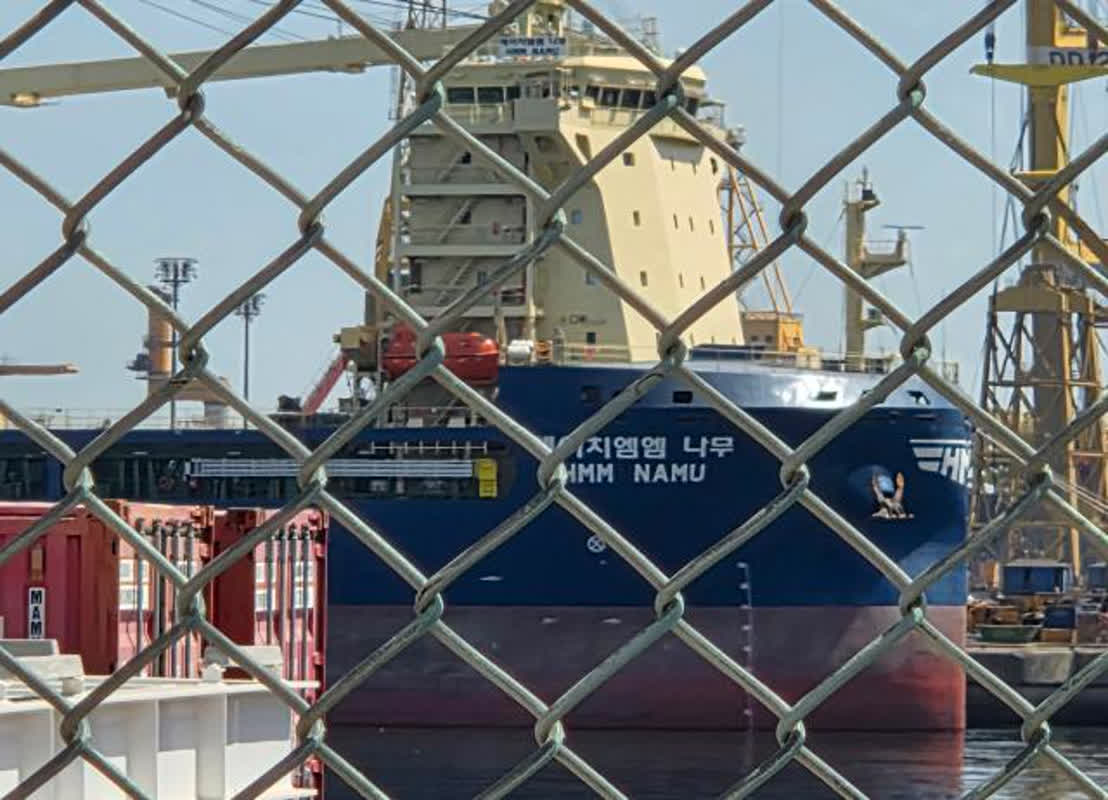
During this fragile truce, Seoul’s immediate priority must be securing the safe return of 26 detained South Korean vessels and roughly 180 crew members. Authorities should keep emergency economic measures fully engaged. Global oil prices fell as much as 19% on the ceasefire news, but lingering uncertainty means elevated fuel costs and logistics disruptions could persist for months.
With the fighting paused, South Korea must urgently rebuild an energy and logistics framework that is overly dependent on Middle Eastern oil. Concentrating critical supplies such as crude and naphtha and key shipping routes in a high-geopolitical-risk region leaves the country exposed to recurring energy and transport shocks even after hostilities end. The Center for Strategic and International Studies (CSIS) identified South Korea as one of the countries most exposed because its raw-material supply lines tilt toward the Middle East. Seoul should heed the Korea Institute for Industrial Economics and Trade’s warning that the Strait of Hormuz, the Suez Canal and the Bab el‑Mandeb are structural chokepoints for a nation so reliant on that region.
Fatih Birol, executive director of the International Energy Agency (IEA), warned the Iran war — which has triggered an unprecedented energy crisis — will “fundamentally change energy geopolitics for years to come.” He cautioned that without a balanced energy strategy that expands renewables like solar and wind and reinvigorates nuclear power, guaranteeing energy security will be difficult. For an energy-poor country such as South Korea, the post‑Middle East‑war energy order could be decisive. Seoul cannot postpone a postwar energy strategy that will determine future national competitiveness: diversify oil supply chains, secure alternative logistics routes and establish an optimal energy mix that includes nuclear power.