“We will turn Seoul into a sea of fire.” That stark warning from Pyongyang has been a constant in South Korea’s security debate for decades, shaping public fears and defense planning alike.
For years, the prevailing narrative held that if roughly 1,000 North Korean artillery pieces opened fire simultaneously, millions in the Seoul metropolitan area would be overwhelmed. That scenario became a form of conventional wisdom.
But a recent, detailed simulation published by the Texas National Security Review (TNSR) challenges much of that assumption, showing the feared outcome may be significantly overstated.
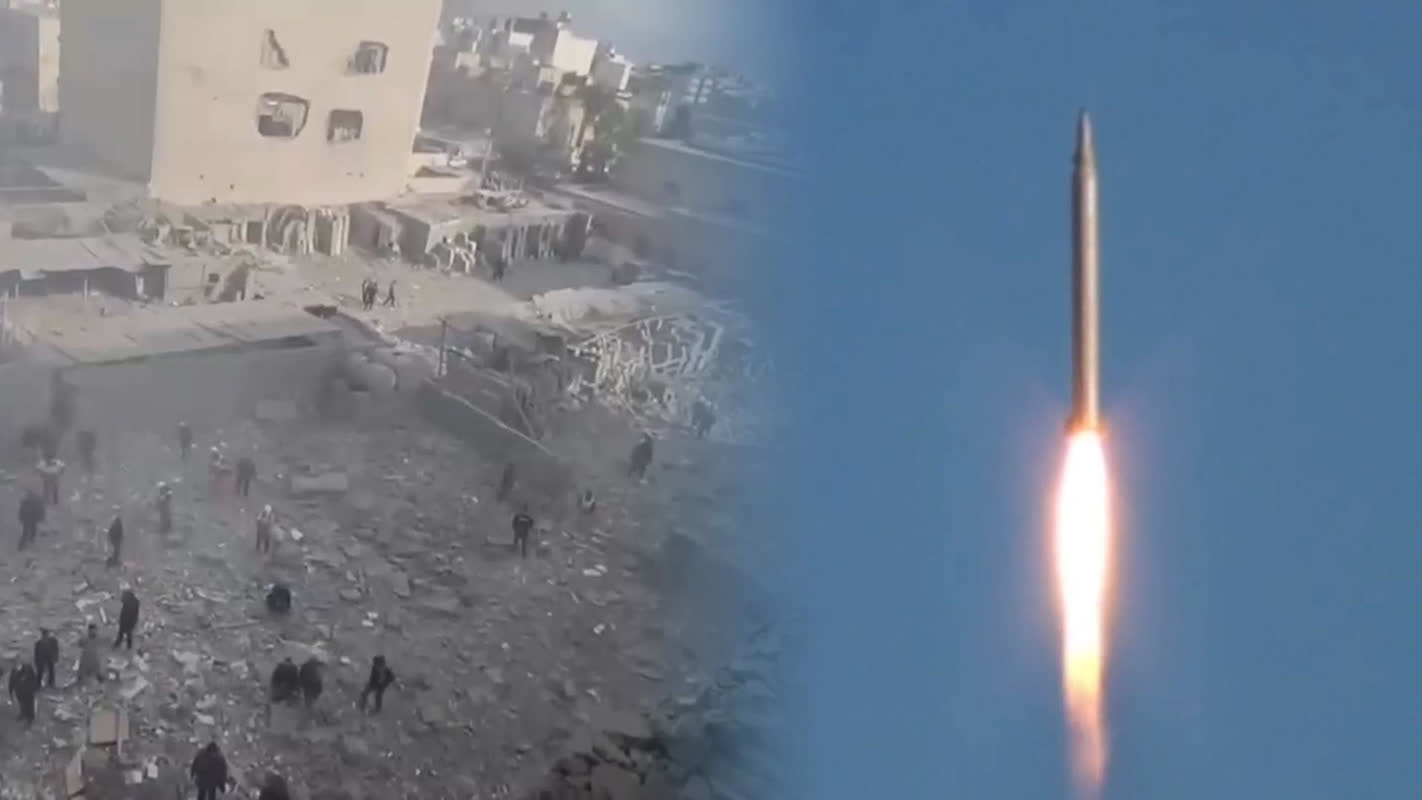
The study estimates roughly 2,600 civilian fatalities in Seoul under the kind of indiscriminate bombardment North Korea often threatens. It’s a sobering figure, but far short of the apocalyptic toll long imagined.
That number does not minimize the tragedy. But it does mark a sharp break from earlier, vague forecasts that depicted the capital being paralyzed and millions perishing. The TNSR analysis injects much-needed nuance into what has often been an alarmist narrative.
Far fewer artillery systems can actually reach downtown Seoul than commonly believed
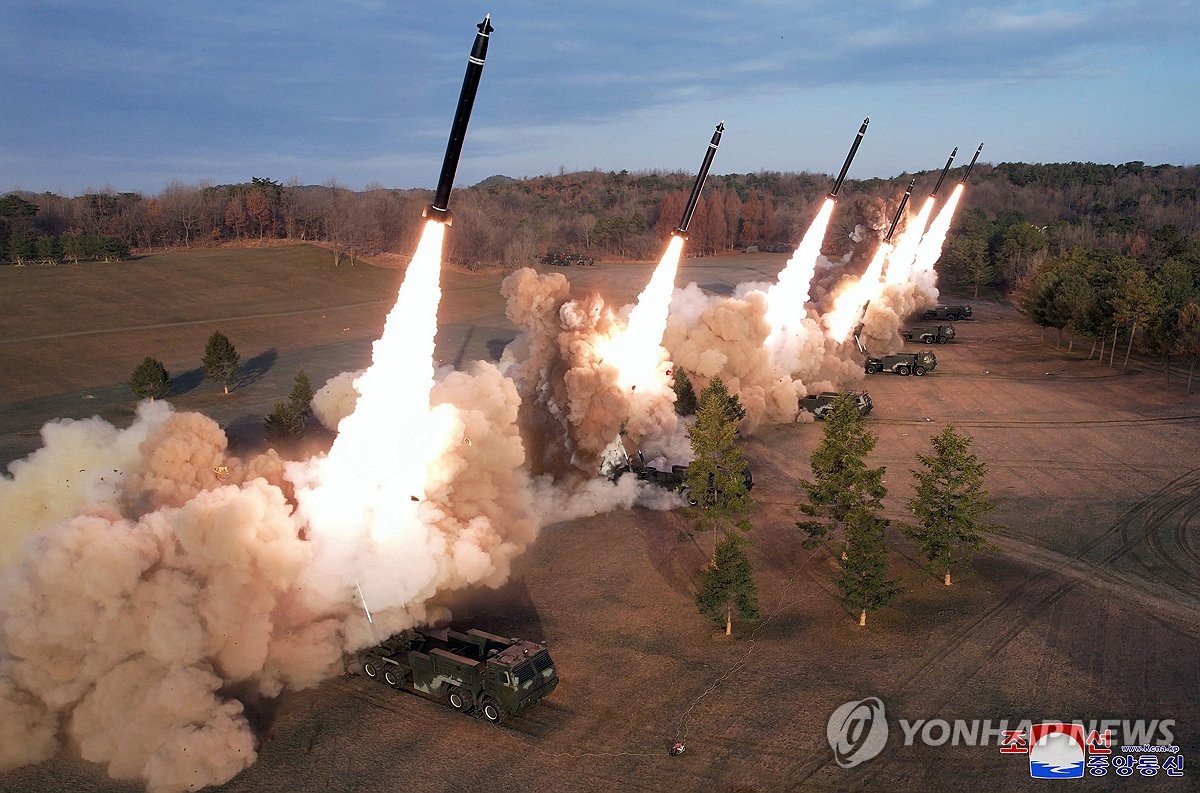
Of North Korea’s reported thousands of artillery tubes, only a limited subset can threaten central Seoul. In practice, the 170 mm self-propelled gun (often called the Goksan) and the 240 mm multiple-launch rocket systems are the primary threats from positions near the Demilitarized Zone; they can reach parts of northern Seoul and some central districts.
Those systems are largely concealed in tunnel bunkers across rugged terrain. Crews must open heavy doors and expose themselves to fire to bring the weapons into action—an operation easily detected by South Korean and U.S. reconnaissance platforms.
North Korean long-range artillery also faces serious performance limits: slow rates of fire, deteriorating ammunition, and limited accuracy. The older 170 mm guns fire slowly, making sustained barrages difficult, and aging rounds are more likely to misfire or land off target.
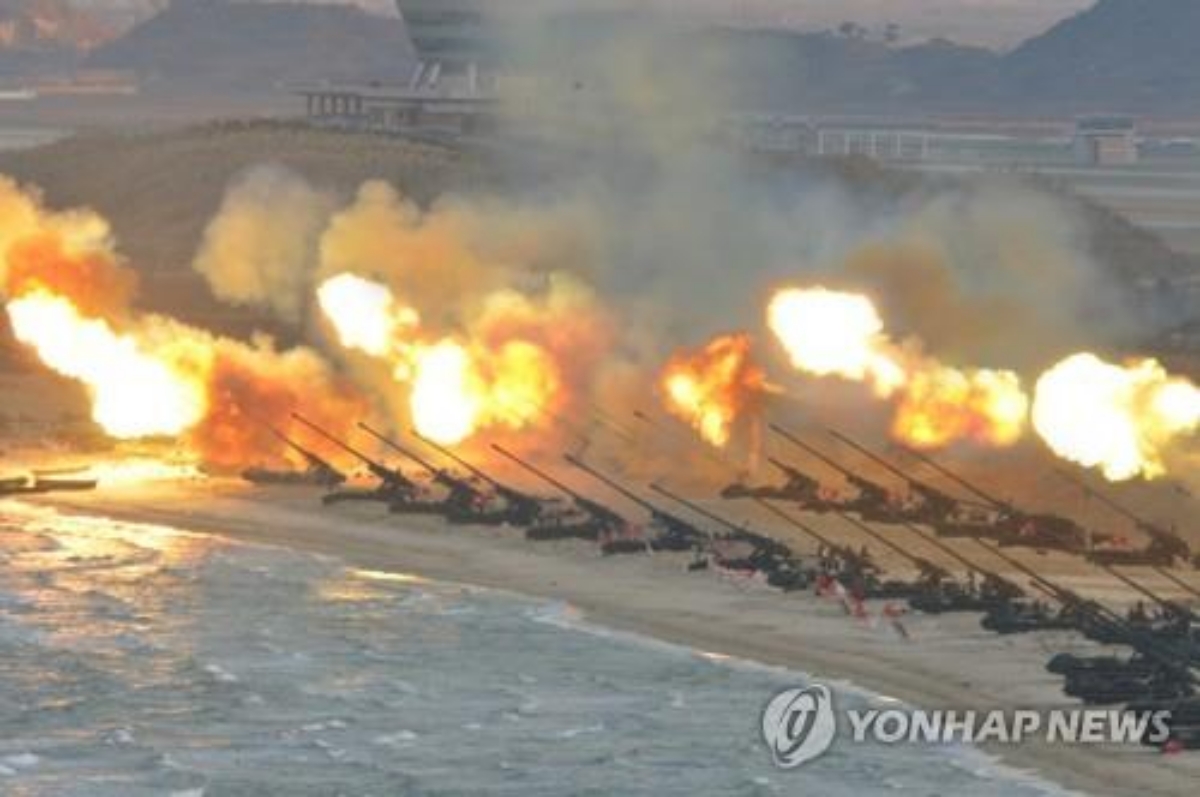
Analysts say the image of every gun firing at once and burning the city to the ground ignores basic constraints: limited deployment space, ammunition resupply challenges, and the physical limits of the weapons themselves. In short, the "all-out" artillery apocalypse is highly implausible.
South Korea’s "Steel Rain" counterbattery network can respond within five minutes
From the moment rounds arc skyward, South Korea’s counter-battery architecture—radars paired with precision long-range fires—kicks into action to protect Seoul residents.
TPQ-53 and Arthur-K radars positioned around the metropolitan area can track an incoming projectile’s trajectory and back-calculate its launch point within seconds. That targeting data is relayed almost instantly to K9 self-propelled howitzers and Chunmoo multiple-launch rocket units.
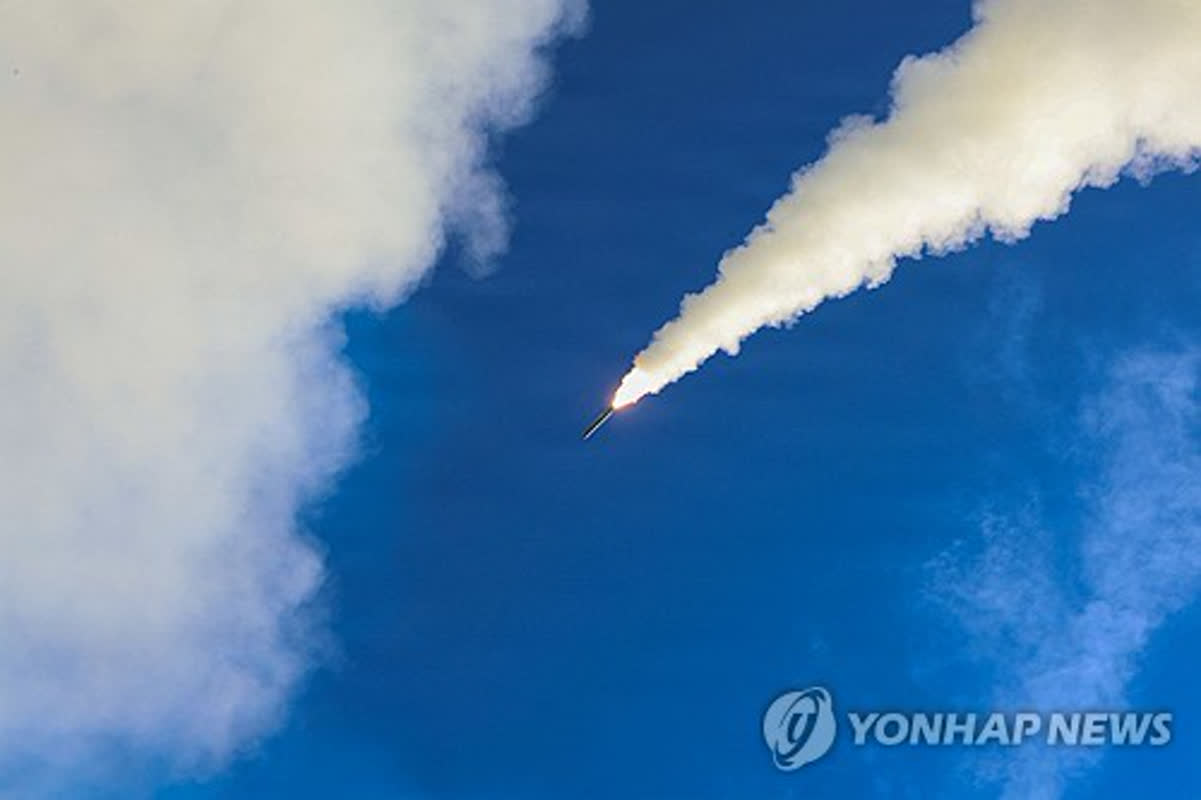
The effect: counterfire can be launched before many enemy rounds reach their targets. The objective is not symbolic punishment but rapid "origin neutralization"—knocking out the launch position so it can’t fire again.
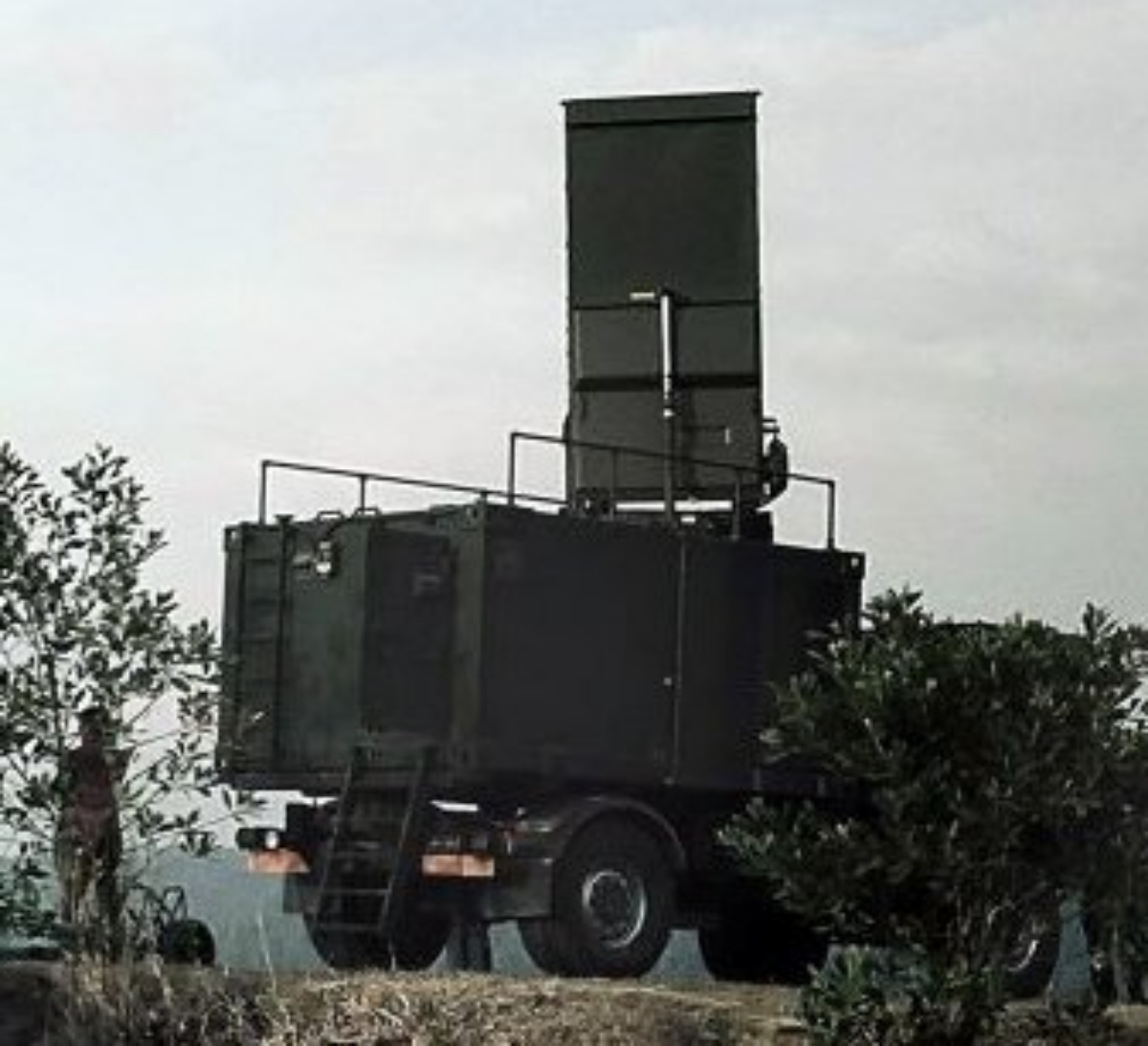
Planners intend to use precision strikes to collapse tunnel entrances and bunker portals, denying crews the ability to re-emerge and fire again.
The so-called golden window for that counter-battery response is typically five to ten minutes. For a North Korean artillery crew, a single ambush that exposes their position could amount to a near-suicidal act.
In practice, then, the "Seoul sea of fire" functions more as a political and psychological weapon—designed to hold the city’s infrastructure and population hostage—than as a literal, achievable military plan.
The threat is real and can produce localized, tragic outcomes. But the apocalyptic image often invoked collapses when faced with modern reconnaissance, counter-battery networks, and precision fires. Effective security comes not from fear, but from accurately assessing threats and building systems to counter them.