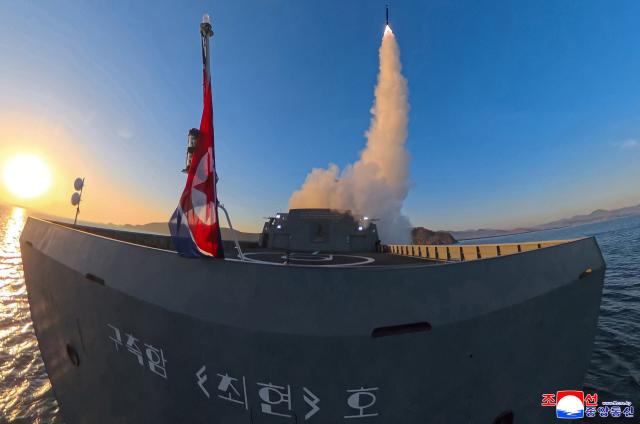
South Korea's Joint Chiefs of Staff reported that at about 6:10 a.m. local time on the 19th, North Korea launched several short-range ballistic missiles from the Sinpo area of South Hamgyong Province into the East Sea. The projectiles traveled roughly 140 kilometers (about 87 miles).
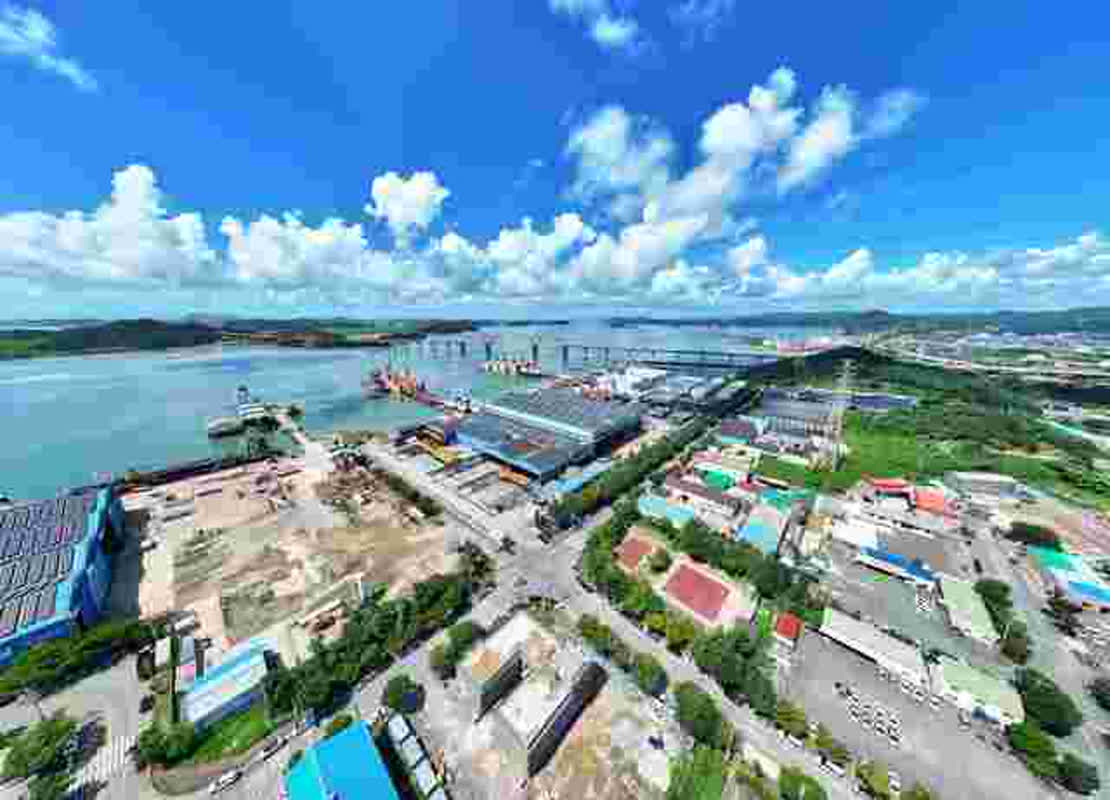
Seoul and Washington are conducting a detailed analysis of the missiles' characteristics. Because the launch originated from Sinpo, which hosts a submarine base, analysts are considering the possibility the weapons were submarine-launched ballistic missiles (SLBMs).
Observers in Sinpo have identified the Kim Kun‑ok "Hero" — which Pyongyang calls its first tactical nuclear attack submarine and which was launched in September 2023 — as well as the 8·24 Hero, a boat that has previously launched SLBMs.
If these were SLBMs, it would be Pyongyang's first such launch in about four years, since May 7, 2022. The SLBM tested in 2022 flew roughly 600 km; by contrast, the recent flight distance was short, raising the possibility this involved a different or new system.
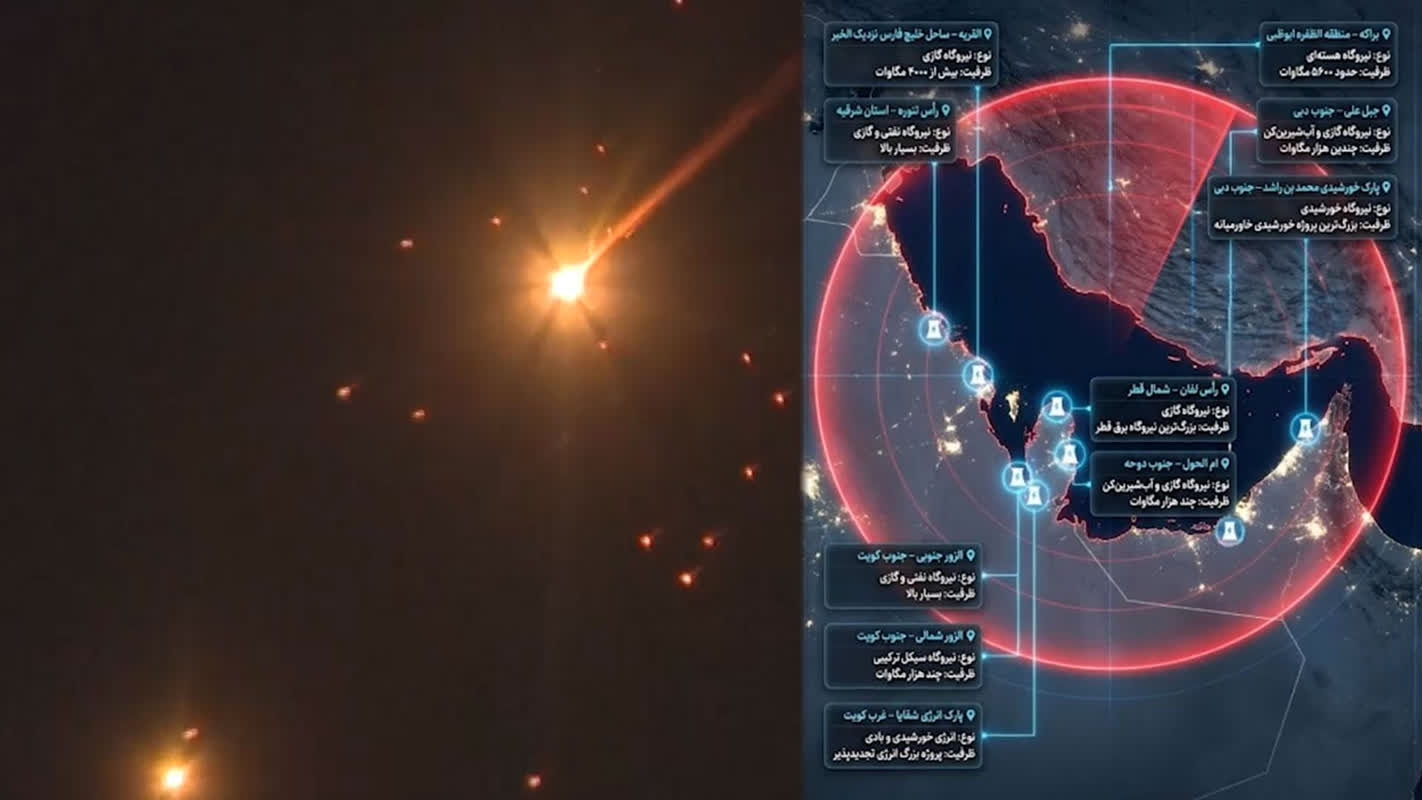
Im Eul-chul, a professor at Kyungnam University's Institute for Far Eastern Studies, said Pyongyang is accelerating efforts to complete its nuclear forces on its own timetable under the "New Five-Year Defense Development Plan" announced at the 9th Party Congress. He added that lessons learned from the conflict in Iran have sped up that drive.
Military authorities said they are conducting precise analyses that consider multiple launch scenarios: submarine-launched, land-launched, or a combination of both. This was North Korea's first ballistic missile provocation in 11 days, following a launch on the 8th.
The National Security Office convened an emergency security meeting in response to the launches and urged Pyongyang to halt its provocative acts.
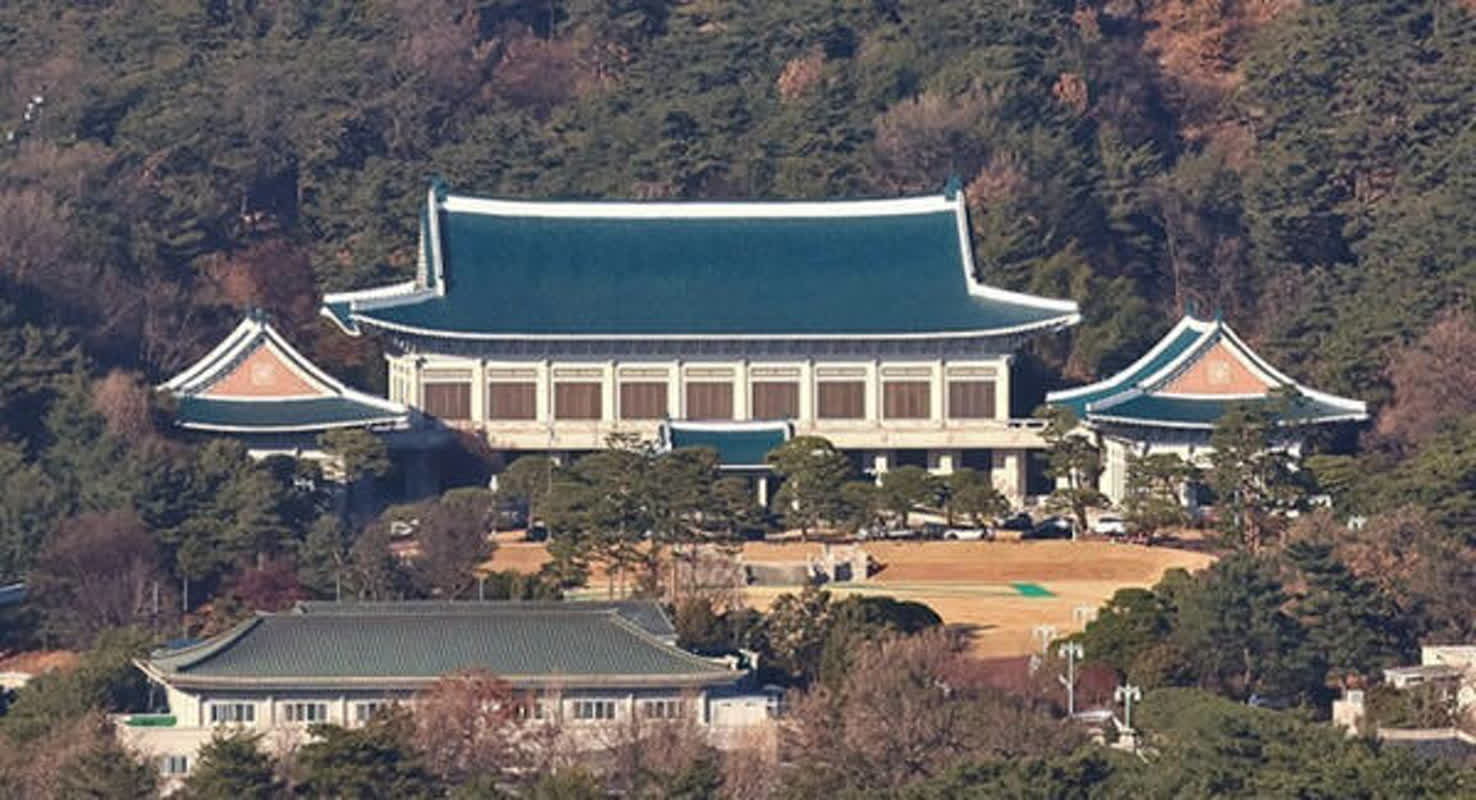
Kang Yoo-jung, the Blue House senior spokesperson, said in a written briefing that First Deputy Director Kim Hyun-jong chaired an emergency security assessment meeting attended by the Defense Ministry and other relevant agencies to analyze the potential impacts on national security and to review necessary measures.
The Defense Ministry said the military is closely monitoring North Korea's movements under a robust combined defense posture and maintains the capabilities and readiness to respond to any provocation.
Yang Mu-jin, a distinguished professor at the University of North Korean Studies, highlighted the timing during truce talks. He described the launch as a show intended to signal "we're not like Iran," and said it reflects a spreading perception that without nuclear weapons a state will be victimized — that possessing nuclear arms is seen as the only path to survival.
Seoul and Washington are conducting a detailed analysis of the missiles' characteristics. Because the launch originated from Sinpo, which hosts a submarine base, analysts are considering the possibility the weapons were submarine-launched ballistic missiles (SLBMs).
Observers in Sinpo have identified the Kim Kun‑ok "Hero" — which Pyongyang calls its first tactical nuclear attack submarine and which was launched in September 2023 — as well as the 8·24 Hero, a boat that has previously launched SLBMs.
If these were SLBMs, it would be Pyongyang's first such launch in about four years, since May 7, 2022. The SLBM tested in 2022 flew roughly 600 km; by contrast, the recent flight distance was short, raising the possibility this involved a different or new system.
Im Eul-chul, a professor at Kyungnam University's Institute for Far Eastern Studies, said Pyongyang is accelerating efforts to complete its nuclear forces on its own timetable under the "New Five-Year Defense Development Plan" announced at the 9th Party Congress. He added that lessons learned from the conflict in Iran have sped up that drive.
Military authorities said they are conducting precise analyses that consider multiple launch scenarios: submarine-launched, land-launched, or a combination of both. This was North Korea's first ballistic missile provocation in 11 days, following a launch on the 8th.
The National Security Office convened an emergency security meeting in response to the launches and urged Pyongyang to halt its provocative acts.
Kang Yoo-jung, the Blue House senior spokesperson, said in a written briefing that First Deputy Director Kim Hyun-jong chaired an emergency security assessment meeting attended by the Defense Ministry and other relevant agencies to analyze the potential impacts on national security and to review necessary measures.
The Defense Ministry said the military is closely monitoring North Korea's movements under a robust combined defense posture and maintains the capabilities and readiness to respond to any provocation.
Yang Mu-jin, a distinguished professor at the University of North Korean Studies, highlighted the timing during truce talks. He described the launch as a show intended to signal "we're not like Iran," and said it reflects a spreading perception that without nuclear weapons a state will be victimized — that possessing nuclear arms is seen as the only path to survival.