A debate has resurfaced over North Korea’s technological progress in its nuclear-submarine program after Pyongyang publicly unveiled a large new submarine. The reveal has refocused attention on the strategic-weapons competition, but analysts caution that hull construction and publicity alone don’t prove an operational sea‑based nuclear deterrent. A true nuclear-powered ballistic missile submarine requires a reliable reactor and propulsion plant, weapons integration, and a supporting industrial and logistical ecosystem.
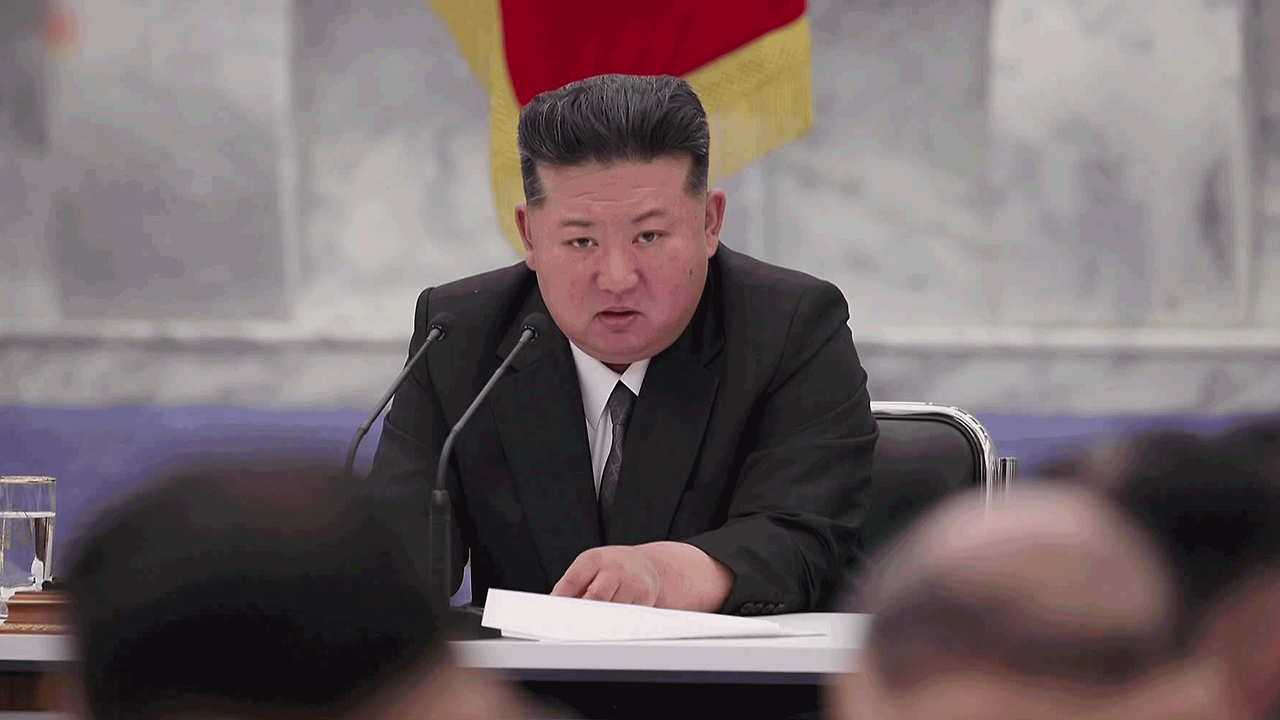
“Few Countries Operate Nuclear Submarines”… The Technical Barrier
Only a handful of states currently operate nuclear-powered submarines. The United States, the United Kingdom and France are the long-established operators; China and India have also fielded nuclear submarine forces. These countries are nuclear-armed and possess large military‑industrial bases and years of submarine expertise.
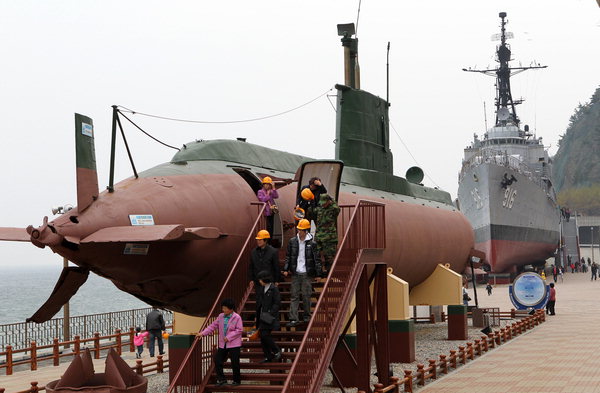
North Korea’s Revealed Submarine Is About 8,700 Metric Tons (≈9,596 Short Tons)
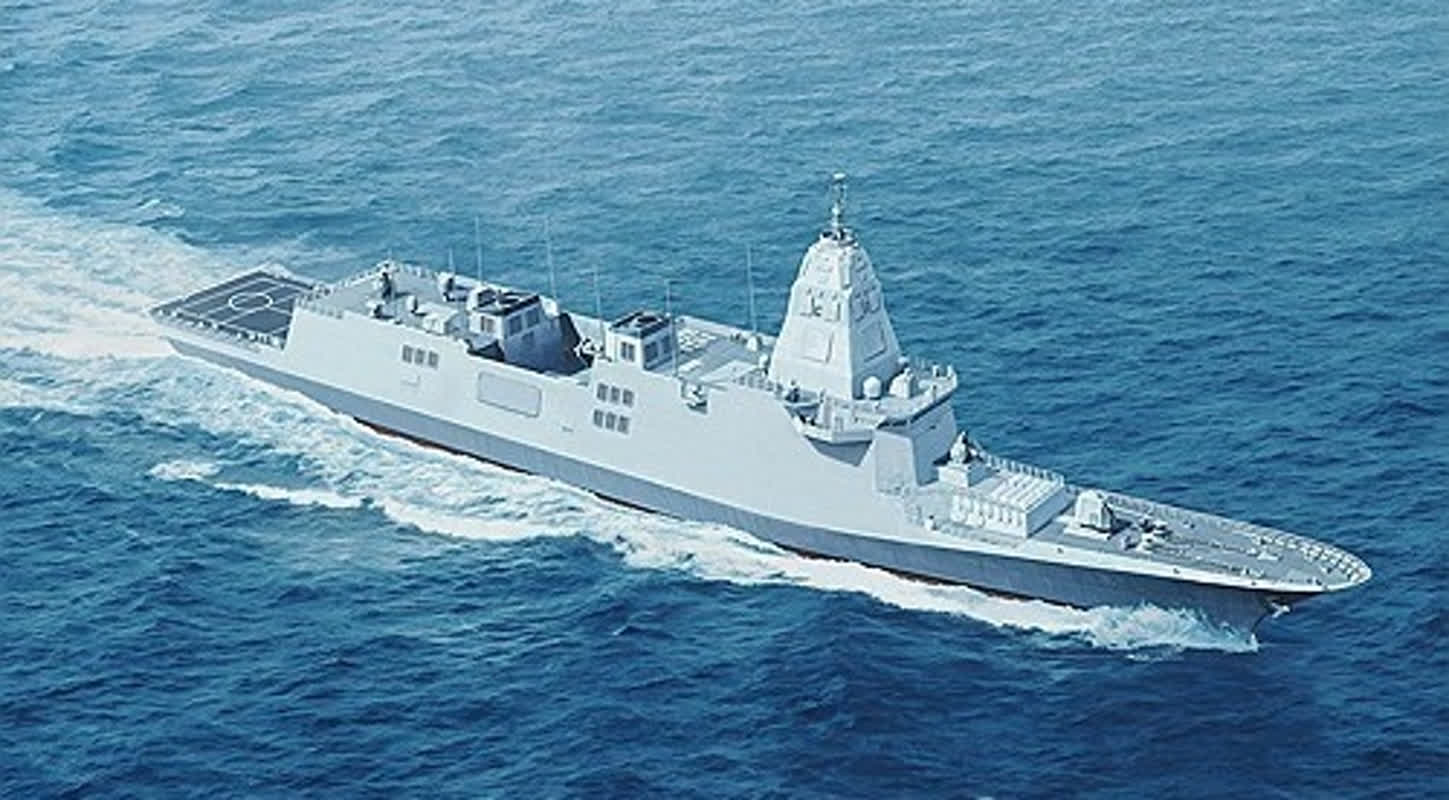
Analysts estimate the submarine shown by North Korea at roughly 8,700 metric tons, with a reported crew of about 100. Imagery suggests multiple missile tubes and a silhouette consistent with a strategic submarine, but its propulsion system and operational systems have not been independently verified.
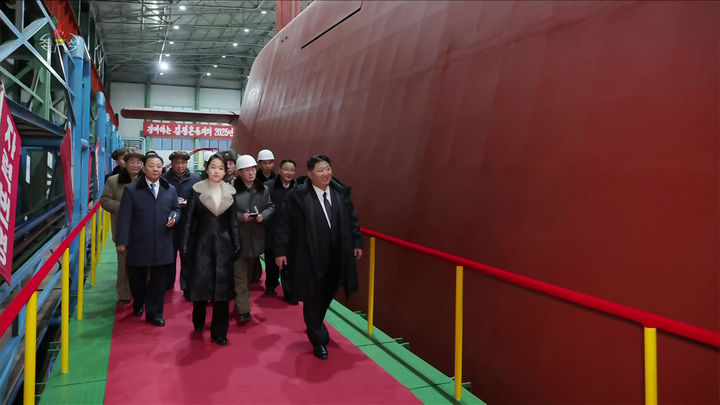
Propulsion Is the Core of a Nuclear Submarine — It’s Not Just Hull Construction
Experts emphasize that propulsion defines a nuclear submarine’s real capability. A naval nuclear reactor and its associated engineering systems enable long-duration submerged operations, but running and maintaining those systems reliably requires advanced technical skills, rigorous testing, and specialized infrastructure. Building a hull is a different challenge from fielding an operational nuclear-powered ballistic-missile submarine, so independent verification of propulsion and endurance is essential.
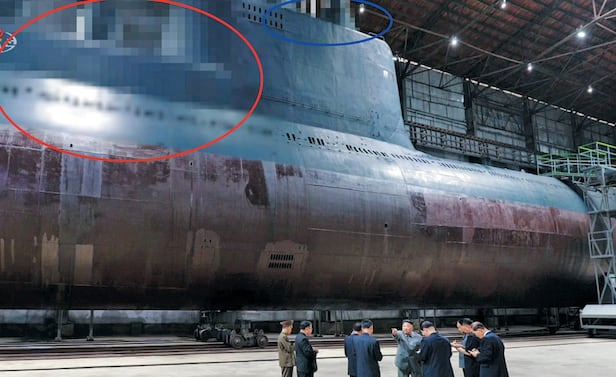
Huge Upkeep Costs Demand Strong Economic Capacity
Construction costs for nuclear submarines are high, but lifecycle sustainment often poses a larger burden. Extended operations require nuclear fuel management, periodic maintenance and overhauls, advanced shipyard facilities, and specialized crews. Analysts say North Korea’s economic capacity would face significant strain sustaining those systems over time.
Strategic Aim: “Counter the U.S.” — The Deterrence Calculation
North Korea’s push for submarine-based nuclear forces appears tied to strategic deterrence. Submarine-launched nuclear weapons offer greater stealth and the ability to fire long-range missiles from the sea, complicating detection and preemption compared with land-based forces. Observers interpret the move as an attempt to secure a more survivable deterrent against the United States.

Debate Over Operational Capability — Is It Military Posturing?
Some experts urge caution in interpreting Pyongyang’s announcement because it’s unclear whether the platform has entered operational service. Public displays of strategic systems can serve as political messaging or military posturing and may be used to bolster domestic cohesion as much as to demonstrate true capability.
Nuclear submarines are among the most complex platforms in modern naval warfare, combining nuclear propulsion with long-range missile technology and relying on decades of operational experience. For these reasons, only a small number of states can operate them reliably. Analysts evaluate North Korea’s plans against these steep technical and logistical hurdles.