When Americans and regional planners think about North Korea’s military threat, attention tends to land on intercontinental ballistic missiles or heavy rocket artillery.
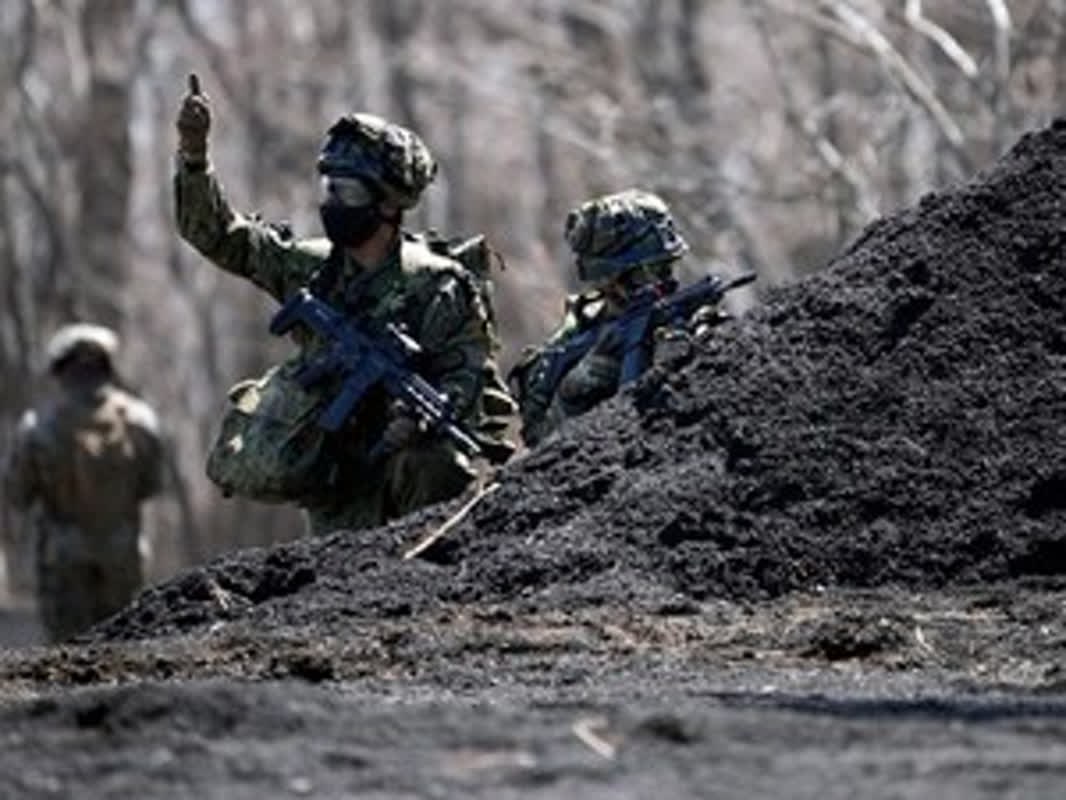
Yet behind the spectacle of missile tests, another dangerous capability operates quietly: units trained to move and fight on battlefields contaminated by nuclear, chemical, or biological agents.
A U.S. research-institute–run North Korea analysis outlet recently reviewed commercial satellite imagery and identified bunkers and strongpoints that are likely candidates for housing the North Korean Nuclear, Chemical, and Biological Defense Battalion (NCDB).
What may be more worrying than a single WMD strike is Pyongyang’s capacity to sustain combat operations — defending contaminated zones and continuing to press the fight.
In its public report, the outlet named specific sensitive military sites around Hamhung and Wonsan as likely candidates for NCDB garrisons.
The sites share common indicators: complex tunnel entrances, layered air-defense arrays, and close proximity to major chemical infrastructure.
But the analysts cautioned that heavy concealment in underground facilities limits what satellite imagery can confirm. They rated the findings as low confidence pending on-the-ground verification.
Bunker units advancing through toxic environments
NCDB formations do not seek the headlines, but in a full-scale conflict they would perform critical tactical functions.
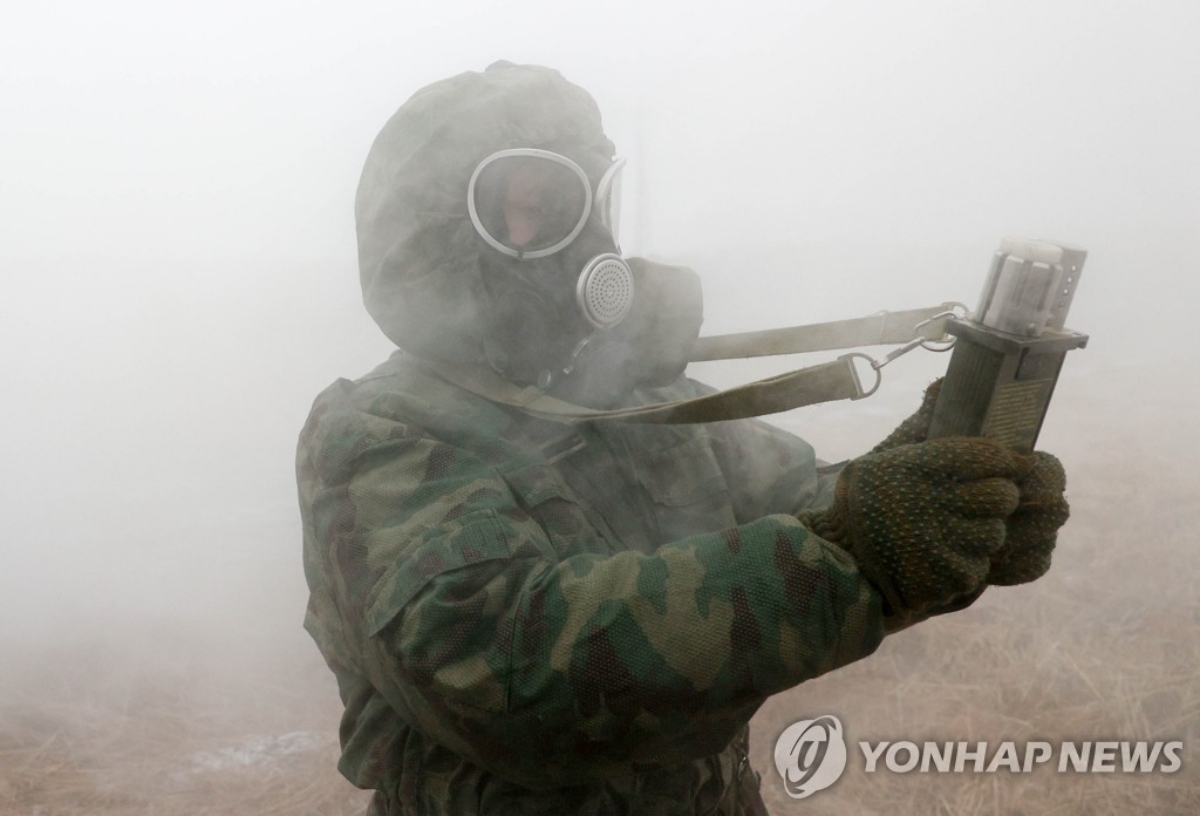
If Pyongyang were to release chemical or biological agents in a Korea contingency, a central military challenge would be how its own forces would traverse contaminated terrain and sustain operations.
If units equipped with decontamination facilities and protective gear emerge from tunnel networks shielded by air defenses and push through contaminated areas, defenders could confront an exceptionally complex and degraded battlespace.
The proximity of the candidate sites to chemical plants is also significant: these units may not only defend against enemy CBRN attacks but also handle, transport, and protect their own chemical weapons and storage sites — a role that blends defensive and offensive tasks.
The real shadow of full-scale war behind the missiles
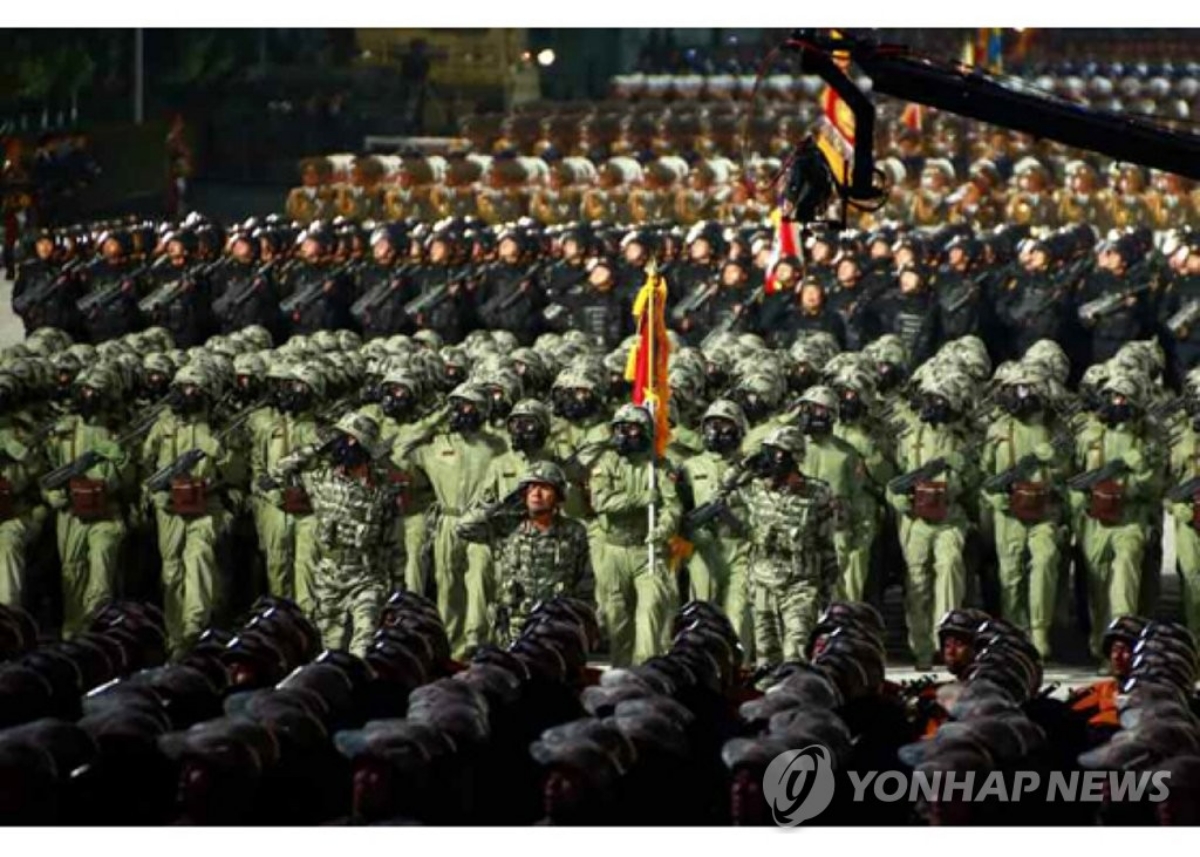
Pyongyang’s long-running research into chemical and biological weapons is well documented.
But the pattern of candidate sites suggests that this expertise may be organized beyond laboratory settings — integrated into field formations and dispersed across underground facilities.
Even if these forces remain deeply buried and hard to observe from space, North Korea’s quiet investments — digging tunnels and building layered defenses to operate in nuclear or chemical conditions — are becoming a tangible operational concern.
Counting missile warheads is not enough. South Korea and its allies need to reexamine whether current underground-bunker doctrines, CBRN defenses, and contingency plans are prepared to counter a North Korean force designed to fight through contaminated battlefields.