 |
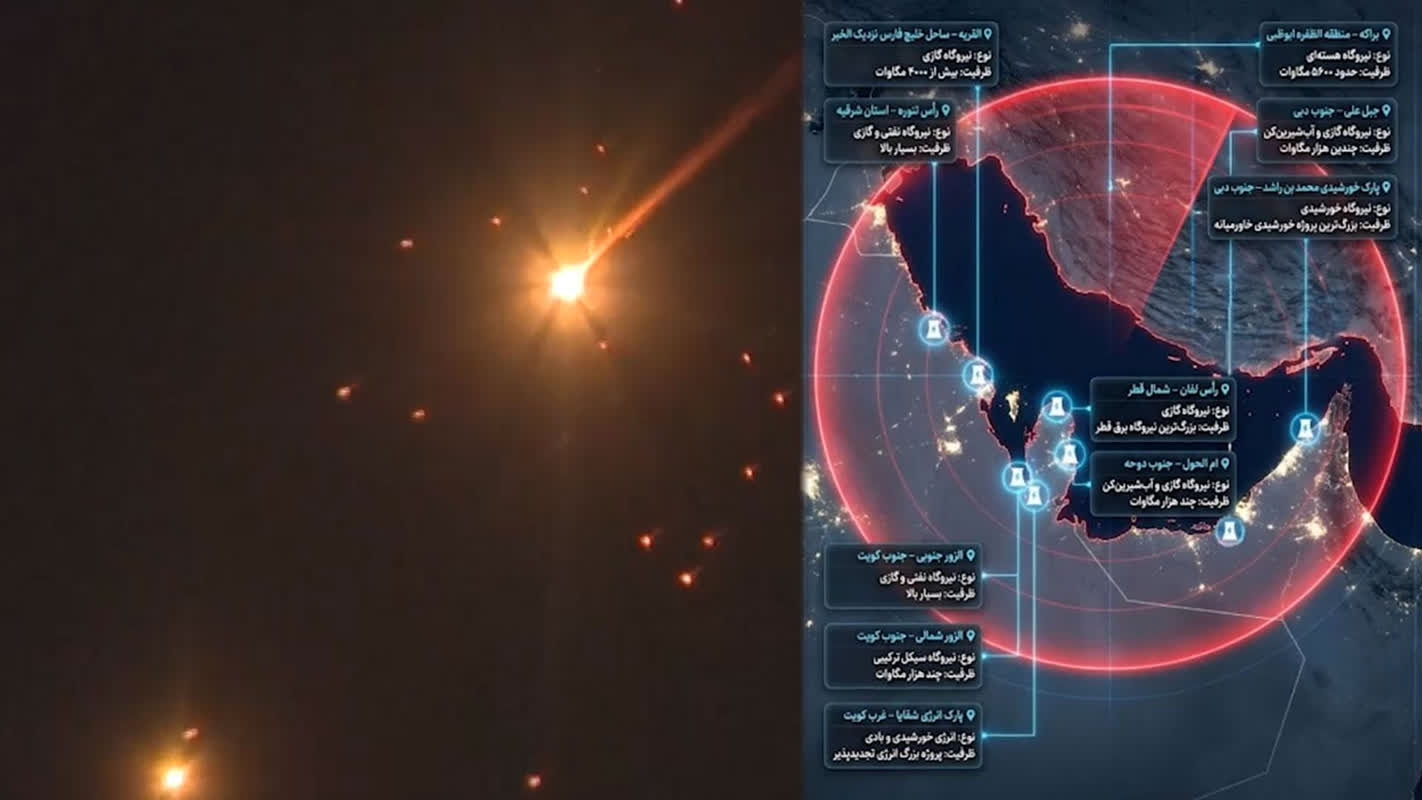
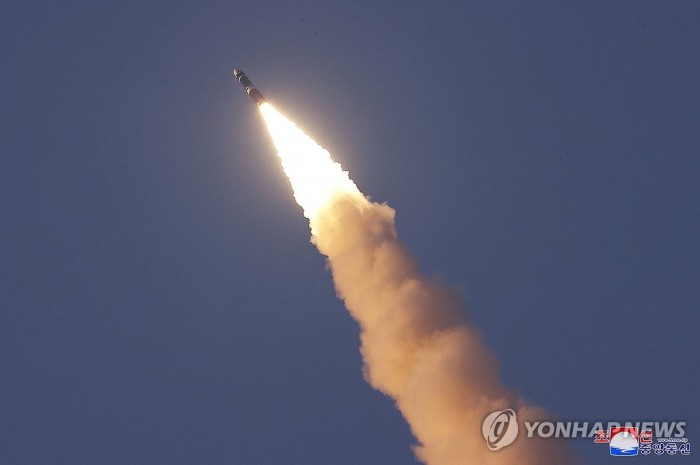
On April 9, state-run Korean Central News Agency (KCNA) reported that North Korea tested a short-range ballistic missile fitted with a cluster-munition warhead. Cluster munitions contain dozens to hundreds of submunitions inside a single parent bomb; those submunitions detonate in the air and scatter over a wide area. Because they strike indiscriminately — hitting civilians and soldiers alike — they are often called \"devil's weapons.\" After observing Iran use missiles armed with cluster warheads to degrade Israel’s air defenses, Pyongyang appears to have followed suit and conducted its own tests. Cluster munitions aim at broad areas rather than precise targets, so they frequently cause heavy civilian casualties. Their use is banned under the Convention on Cluster Munitions. Once submunitions separate in the atmosphere they can no longer be intercepted, which makes defense particularly difficult.
North Korea also claimed it tested electromagnetic (EM/EMP) weapon systems and dispersed simulated carbon-fiber munitions. EMP weapons produce powerful pulses that can fry electronic circuits and rapidly disable weapons systems and critical power and communications infrastructure — the backbone of modern combat.
Analysts remain skeptical that Pyongyang possesses fully mature electronic-warfare capabilities. Still, the sequence is notable: testing cluster warheads that can blunt air defenses, then experimenting with systems intended to paralyze command networks and power grids. This pattern suggests North Korea studied Iran’s asymmetric tactics — which have at times neutralized superior conventional forces — and began adopting similar approaches. North Korea also gained practical experience with drone warfare in conflicts such as Ukraine, where drones have been a battlefield game changer. South Korean and international reporting indicates Pyongyang is reorganizing doctrine around unmanned systems, and the transfer of drone technology from Russia to North Korea should be treated as increasingly likely.
South Korea’s air-defense interceptors are widely respected. The New York Times recently highlighted LIG Nex1’s medium-range interceptor, Cheongung-II, noting its cost-effectiveness and solid performance in Middle East combat as an example of the strengths of Korea’s defense industry. But excellent interceptors alone do not guarantee effective air defense. What matters more is an efficient, integrated command-and-control system that ties communications and multiple intercept platforms into a cohesive defense. Low-cost, hard-to-detect drones have joined missiles as core threats, and combined drone-and-missile attacks are becoming routine. That makes robust, integrated command and control even more critical.
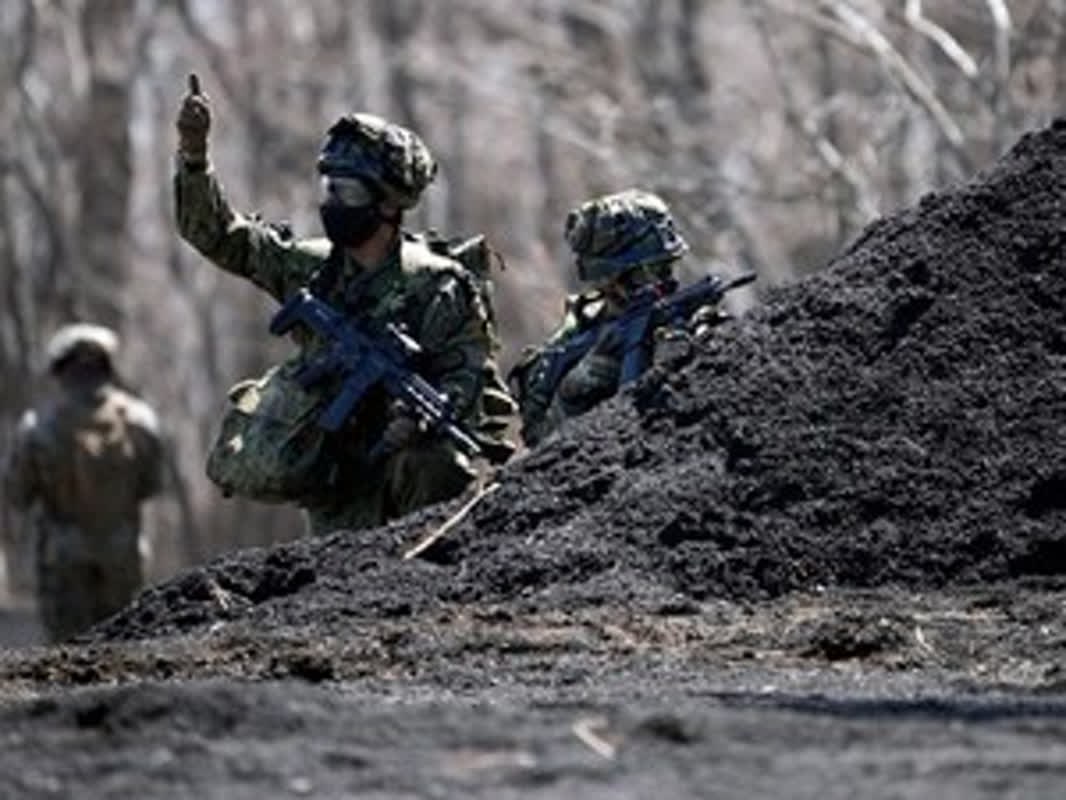
The military once planned to disband its Drone Operations Command but reversed that decision after observing the Middle East conflict. That flip-flop raises concerns that military leadership may be struggling to keep pace with the rapid changes in modern warfare. North Korea has signaled a willingness to use illegal weapons such as cluster munitions and appears to be racing to upgrade its arsenals. The armed forces should use the current Middle East war as an urgent prompt to reassess not only air-defense systems but also the now-essential integrated command-and-control networks.