![U.S. Navy Nimitz-class aircraft carrier USS Abraham Lincoln, Arleigh Burke-class guided-missile destroyer USS Frank E. Petersen Jr., and a Lewis and Clark-class dry cargo ship. [Photo: U.S. Navy·Reuters·Yonhap·Kal Brasher]](https://contents-cdn.viewus.co.kr/image/2026/03/CP-2023-0070/image-1efe38fc-64d3-4d51-9528-90bc8fddf05a.jpeg)
Reuters reported on March 10, citing unnamed sources, that shipping companies have been asking the Navy almost daily since Feb. 28 — the opening phase of the U.S.–Israel campaign against Iran — to provide military protection for ships passing through the strait.
But the Navy has told shipping and oil firms it cannot offer escort missions at this time because the risk of Iranian attack remains too high.
Sources said the Navy reiterated that assessment during regular briefings with industry and will not provide escorts until the threat level declines.
Reuters analysts say the Navy’s stance suggests disruptions to Middle East oil exports could continue for the foreseeable future. The assessment also contrasts with President Donald Trump’s public assertions that the United States stands ready to escort tankers through the strait if needed.
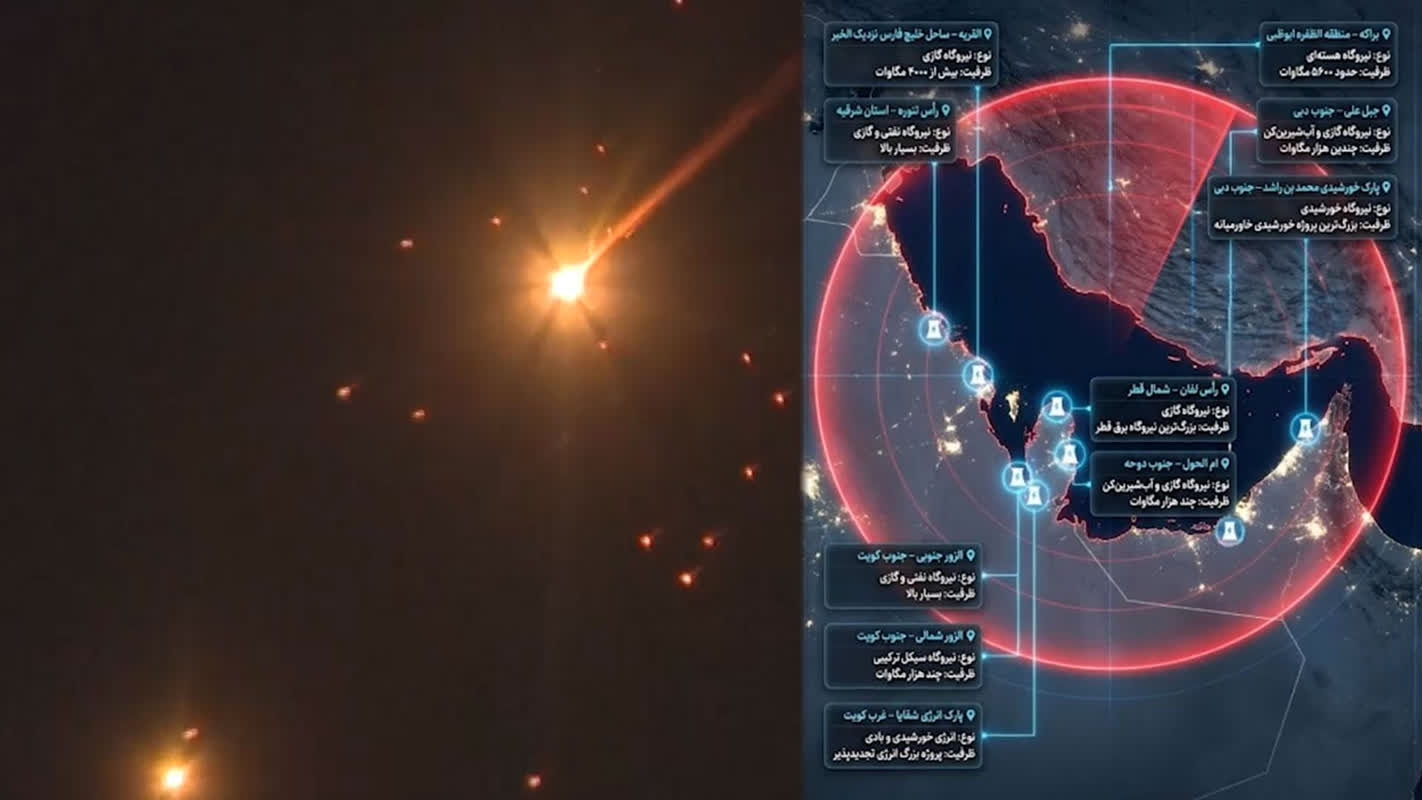
The Strait of Hormuz is a critical maritime chokepoint that handles roughly 20% of global oil shipments. Since the outbreak of hostilities, Iran has warned it could block the strait and has threatened to attack vessels that transit it.
Those threats have kept oil tankers from moving from the strait into open waters, pushing international oil prices sharply higher.
Major regional producers — including Kuwait, the United Arab Emirates and Iraq — are approaching storage capacity limits, and production at some fields has been suspended.
Military analysts say the Navy would need to neutralize additional Iranian military assets around the strait before it could safely conduct tanker escort operations.
The Islamic Revolutionary Guard Corps still possesses highly mobile systems — including suicide boats, anti-ship missiles and naval mines — capable of striking warships or merchant vessels transiting the corridor.
U.S. forces, working alongside Israel, have continued airstrikes against Iranian military facilities and high-value targets.
A U.S. official told CNN that if the United States and Gulf partners begin to strike Iranian military assets around the Strait of Hormuz in earnest, it would signal that escort operations are imminent.