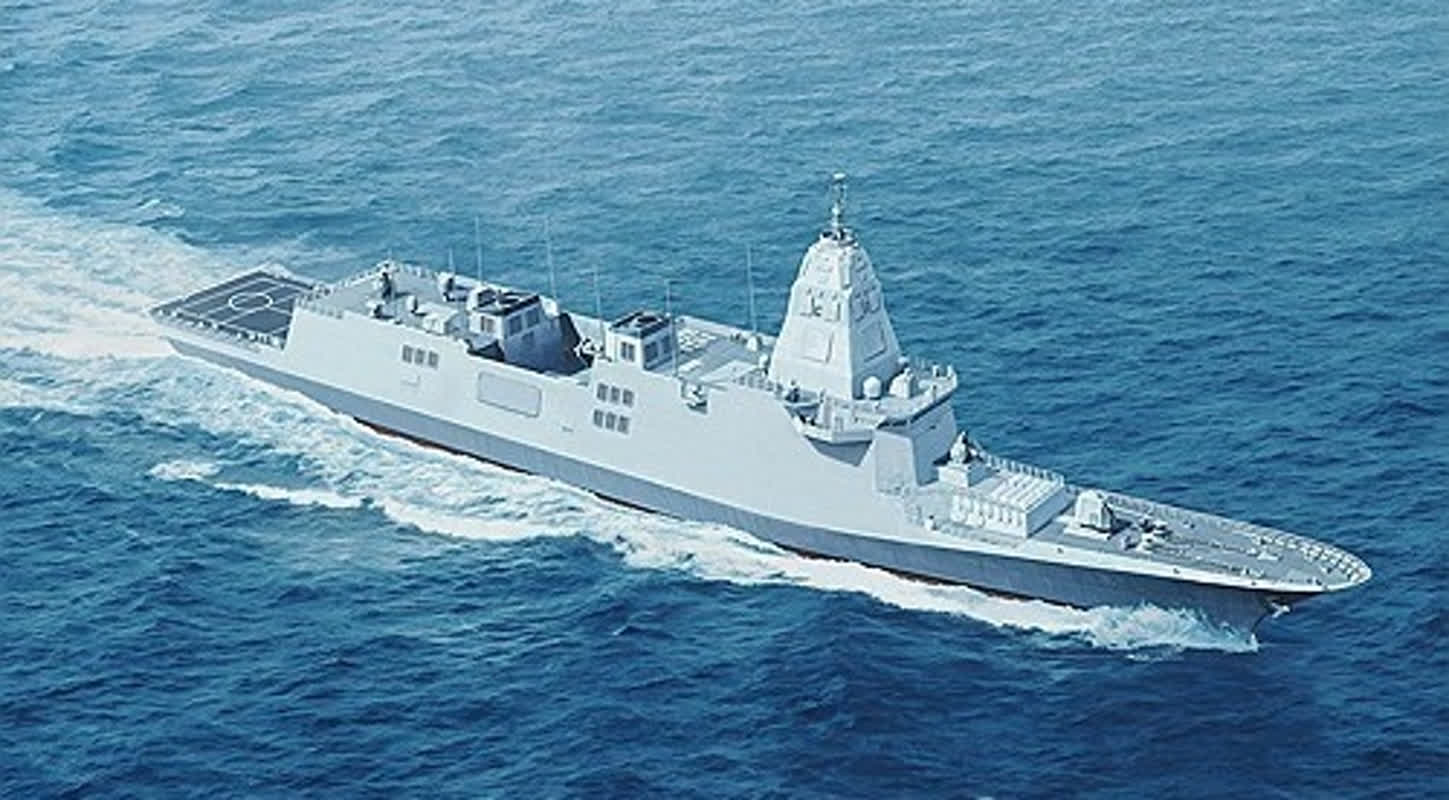
The U.S. Navy is moving forward with an unprecedented procurement of precision-guided weapons, including interceptor missiles.
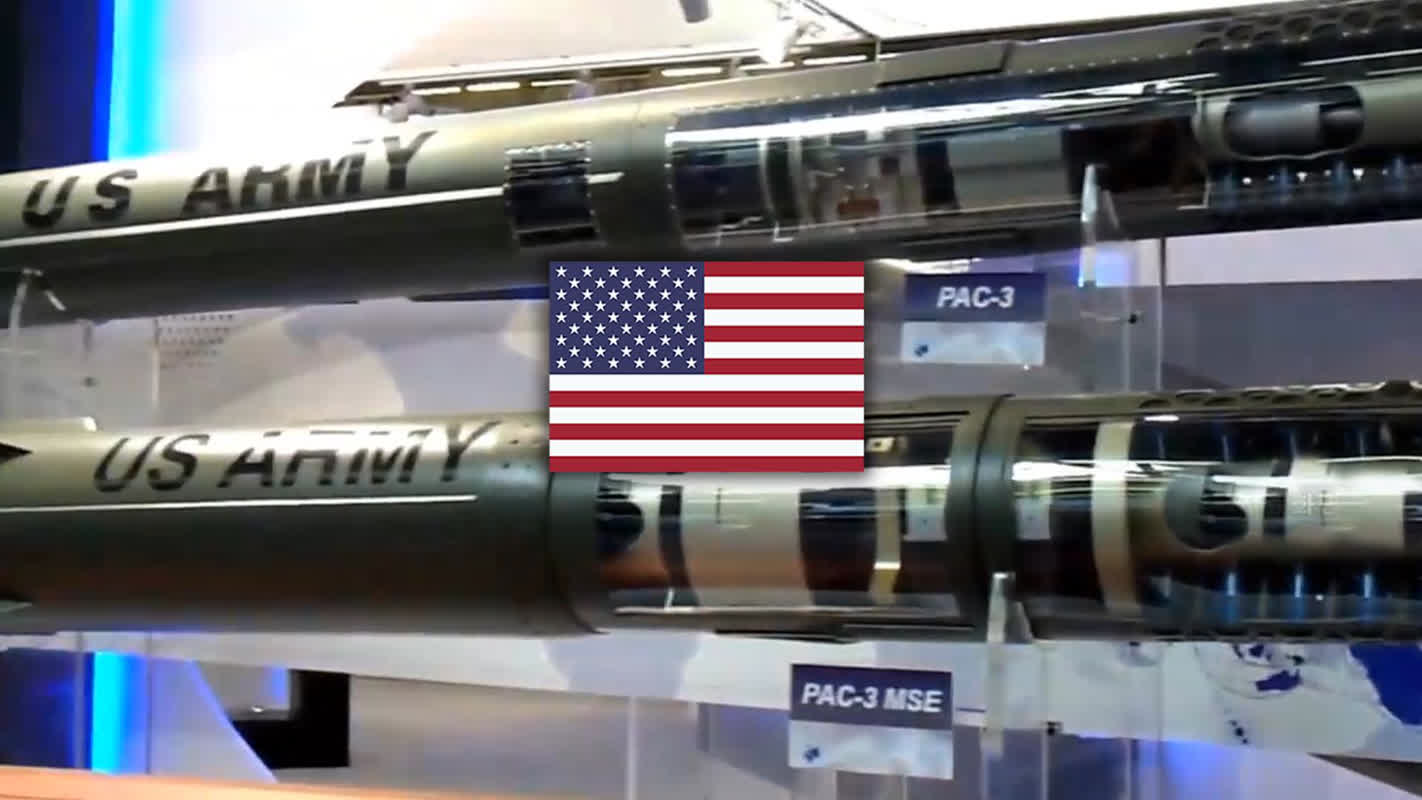
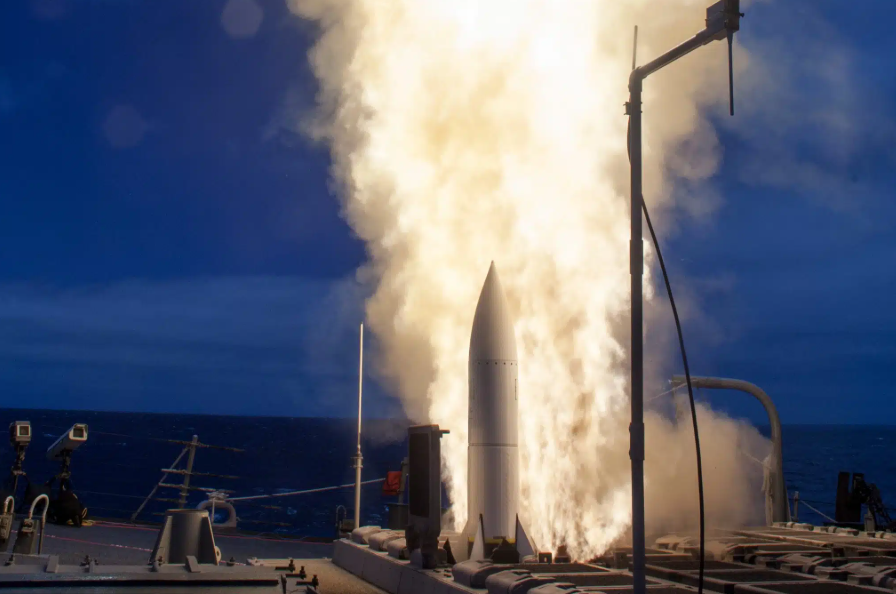
The buying plan aims to acquire more than 1,000 rounds overall, covering the SM-6 interceptor and Patriot PAC-3 MSE systems.
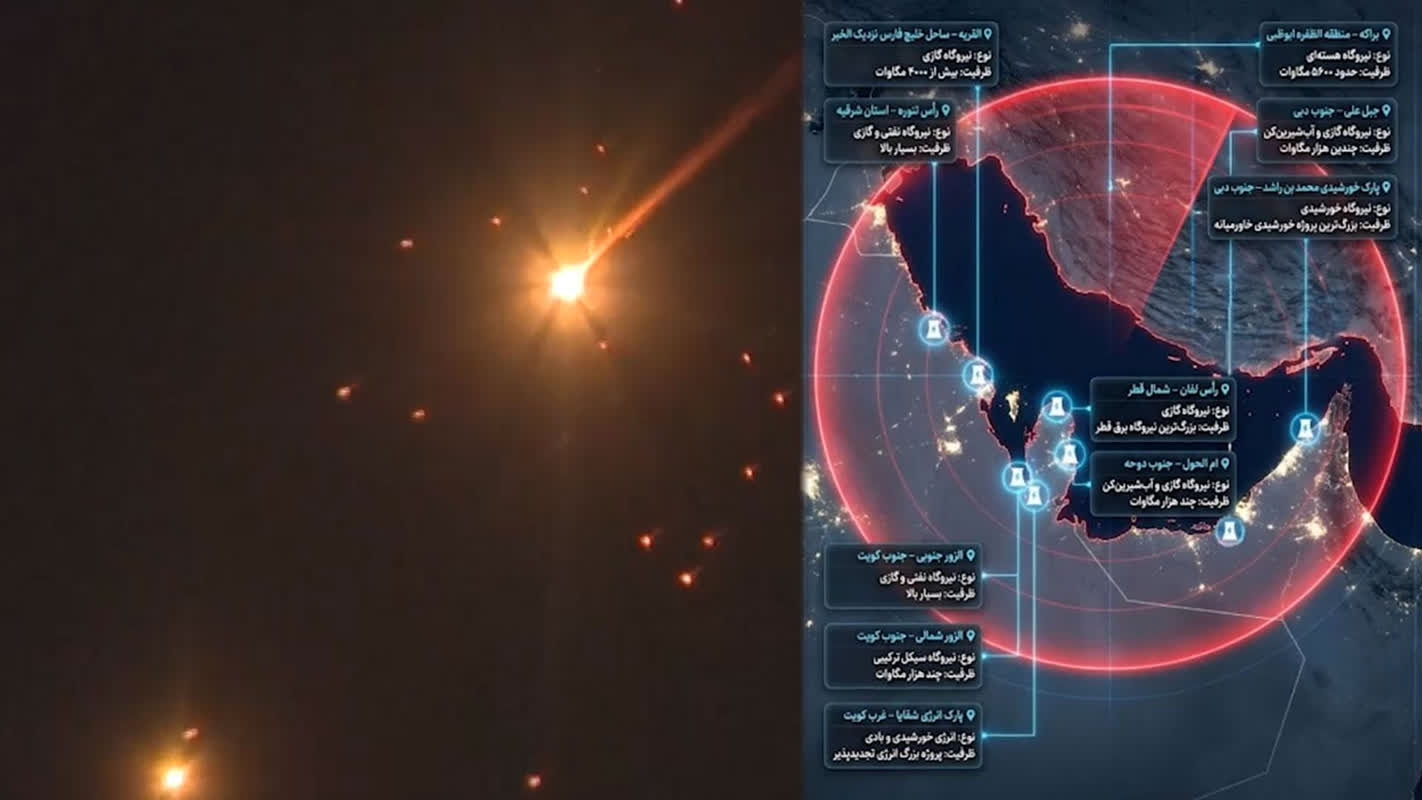
The push is intended to rapidly replenish stocks depleted by recent Middle East operations and to strengthen Indo-Pacific defenses under the Trump administration’s broader force-expansion priorities.
Defense-industry sources and international media reported April 17 that the White House released an outline of a defense budget on April 3 worth roughly 2,000 trillion KRW (approximately 1.5 trillion USD), and on April 5 issued a fact sheet focused on bolstering naval power, effectively setting the FY2027 budget framework.
Central to the FY2027 proposal is a large-scale purchase of guided weapons—more than 1,000 systems in total—including ship-launched air-defense missiles.
South Korean defense firms are closely monitoring the drive because U.S. industrial capacity is limited.
The SM-6 is produced by RTX (formerly Raytheon) and the PAC-3 MSE by Lockheed Martin. Current U.S. production output for interceptors is only on the order of about 600 units per year, leaving domestic industry stretched against surging demand.
With U.S. inventories dwindling and production lagging, South Korea’s LIG D&A and Hanwha Aerospace—both with established manufacturing capability—are emerging as potential suppliers to fill shortfalls.
LIG D&A’s guided rocket, Poniard, completed performance verification in a Navy-led flight characterization test in July 2024, achieving six-for-six hits. The system is now listed on the U.S. Navy’s procurement list, and the company is negotiating final contract terms.
If awarded, the deal would represent the first delivery of a fully Korean-made guided weapon to U.S. forces.
Hanwha Group is pursuing the U.S. market by leveraging affiliate synergies. Hanwha Aerospace would supply missile launchers and engine components, while Hanwha Systems and Hanwha Ocean intend to use a U.S. shipyard the group acquired as local production and maintenance hubs.
That approach would offer an integrated solution that pairs ship maintenance, repair and overhaul (MRO) with guided-weapon supply, speeding entry into U.S. supply chains.
But significant hurdles remain.
Industry sources say Korean firms will face stiff competition from U.S. giants such as Lockheed Martin and RTX, as well as intense international rivalries for contracts.
Singapore’s ST Engineering, a long-time partner of the U.S. Navy in ship MRO, presents a competitive challenge to Korean shipbuilders. Japan’s Mitsubishi Heavy Industries is also positioned to vie with Korea over missile co-production and key component supply roles.
Regulatory and policy obstacles include the Buy American Act (BAA), which favors U.S.-made components, and a U.S.-Korea Reciprocal Defense Procurement Agreement (RDP-A) that has yet to be finalized.
LIG D&A is expanding market access by developing niche weapon systems and establishing a U.S. subsidiary to navigate institutional barriers.
Hanwha is likewise localizing production through its acquisition of a U.S. shipyard to mitigate regulatory constraints.
Observers say the real test for K-defense will come when the Department of Defense releases the detailed budget Justification Books on April 21.
The critical question is whether Korean systems are listed in procurement line items intended for operational fielding rather than only in research sections.
Still, final awards face additional variables, including congressional scrutiny and domestic-preference policies, so industry watchers urge caution.
A representative of a Korean defense firm said, “Our systems must appear explicitly in procurement—not just research—within the detailed budget to demonstrate we’ve been selected as a partner.”
He added, “Having experienced missile stock constraints, the U.S. is likely to both reinforce ties with key domestic firms and the Navy while deepening collaboration with military partners such as Korea.”
Another industry official warned, “Because the Pentagon, major defense contractors and Congress form a tightly knit military-industrial complex, actual entry barriers may be higher than expected.”