Army policy reassigns NCOs to other regions on promotion — “I’m glad to be promoted, but I worry about home and family”
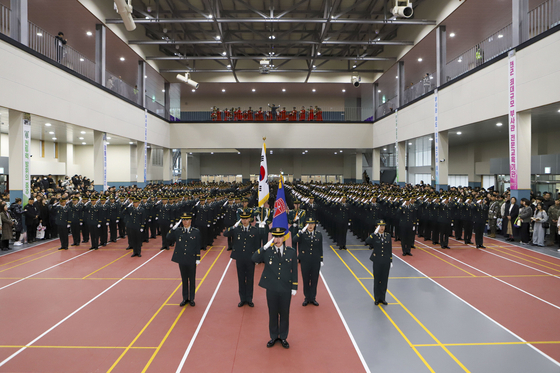
On the 11th, military authorities said voluntary departures among officers numbered about 1,800 in 2021, 2,300 in 2022, 2,900 in 2023, and roughly 3,400 in both 2024 and 2025. In recent years, more than 3,000 personnel have been leaving the service each year.
Departures jumped sharply after 2023, prompting debate inside the military about causes. Active-duty NCOs point to the promotion-based personnel-transfer policy introduced that year as a major driver.
The transfer policy reassigns promoted NCOs to different regions. The Army rolled it out in January 2023 to address manpower imbalances across units and encourage continued service. The service divides NCO postings into five regions, and transfers can require moves across provincial boundaries. The policy currently focuses on those promoted to sergeant first class.
One active-duty NCO, identified as A, who served 10 years in the Gyeonggi area and relocated after promotion to sergeant first class, said, “I’m glad to be promoted, but the first thing I thought about was my home and family. My spouse works, so moving together is difficult, and it’s hard for a spouse to find a job in a new area. That left me choosing between moving alone or leaving the service.”
Another NCO, B, said, “I built a life in one area during my corporal and sergeant years. Promotion suddenly brought my child’s school transfer and housing issues all at once. Because government housing isn’t resolved quickly, many colleagues end up living apart from their families.”
Within the force, promotion itself has become a source of anxiety for some. There are reports that some personnel try to delay advancement by deliberately scoring lower on fitness tests or by failing to complete mandatory training, such as gender-sensitivity instruction.
Mid-level NCO C said, “I agree the policy intends to reduce personnel concentrations in certain regions and broaden service experience,” but added, “Unlike officers, NCOs traditionally moved less often. This policy doesn’t fully account for the realities faced by military families.”
Military leaders acknowledge the issue. The Defense Ministry said, “Personnel matters for NCOs are delegated to the service chiefs, and the Army has implemented promotion-based transfers since 2023 while considering unit- and rank-level manpower and career management.”
The ministry added, “Transfers are necessary, but we recognize the problems that emerged during implementation and are working with the Army to improve the timing of transfers and the criteria used to select personnel.”
The Army has pursued adjustments, including a March 2024 change to apply transfers in certain frontline corps only to volunteers. But that approach has reportedly created staffing shortfalls in some regions, where fewer incoming applicants request transfers than units require.
A military official said, “Recruiting junior leaders is important, but the loss of experienced mid-level leaders — the backbone of the organization — is a serious problem. Realistic personnel reforms are needed to make the military a workplace people want to stay in.”