|
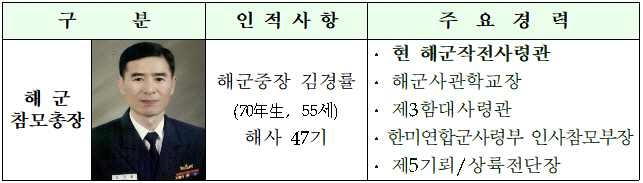
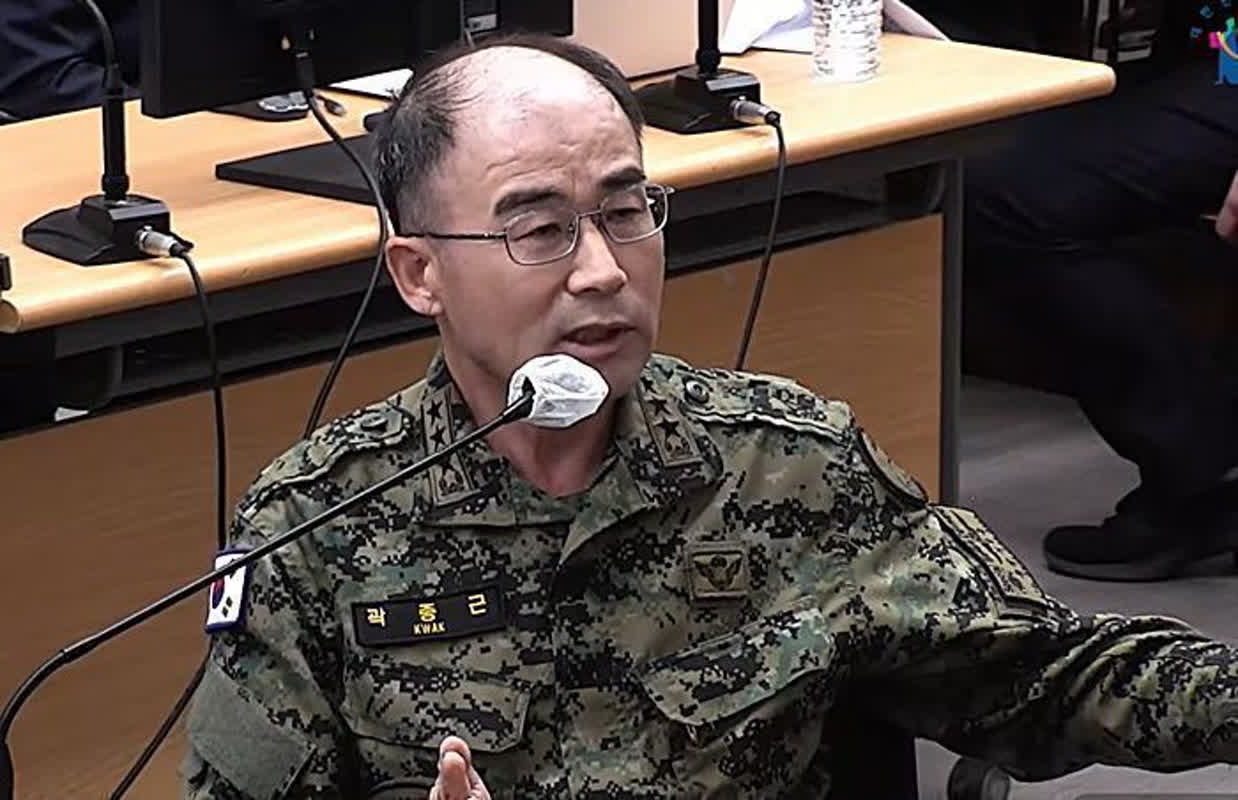
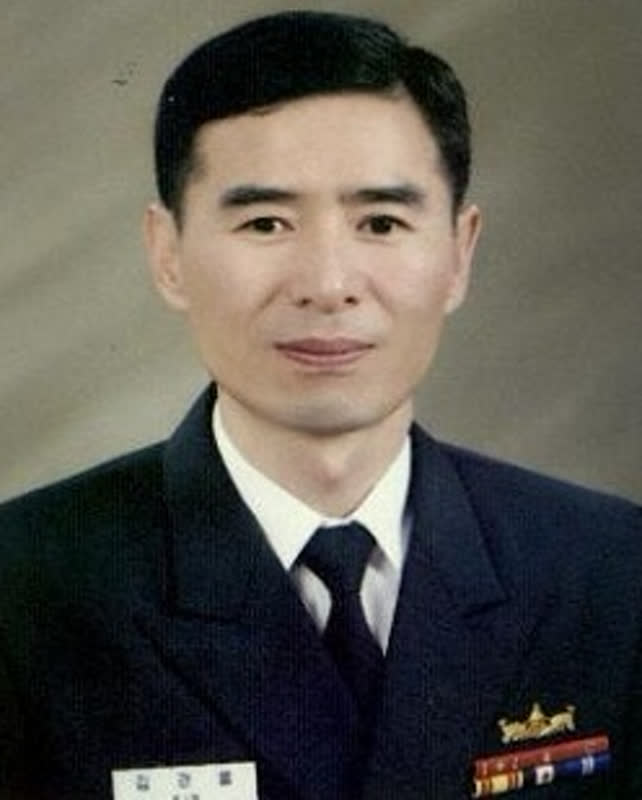
The nominee is a seasoned commander who has led major fleet commands and held posts across operations and force-management billets. He is credited with extensive at-sea operational experience and a strong grasp of joint operations. Defense insiders say this is not a routine personnel rotation but a deliberate appointment intended to change how the navy employs its forces.
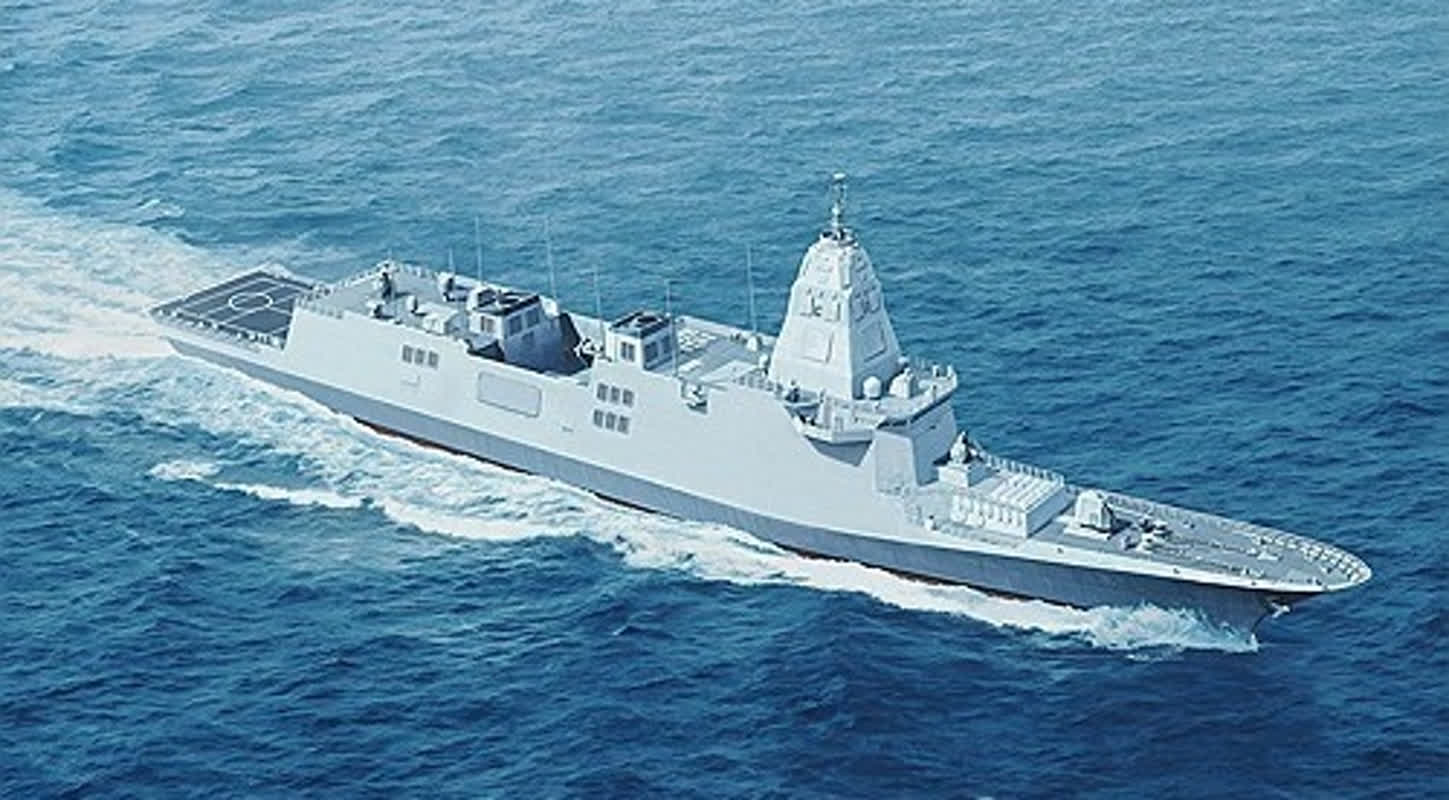
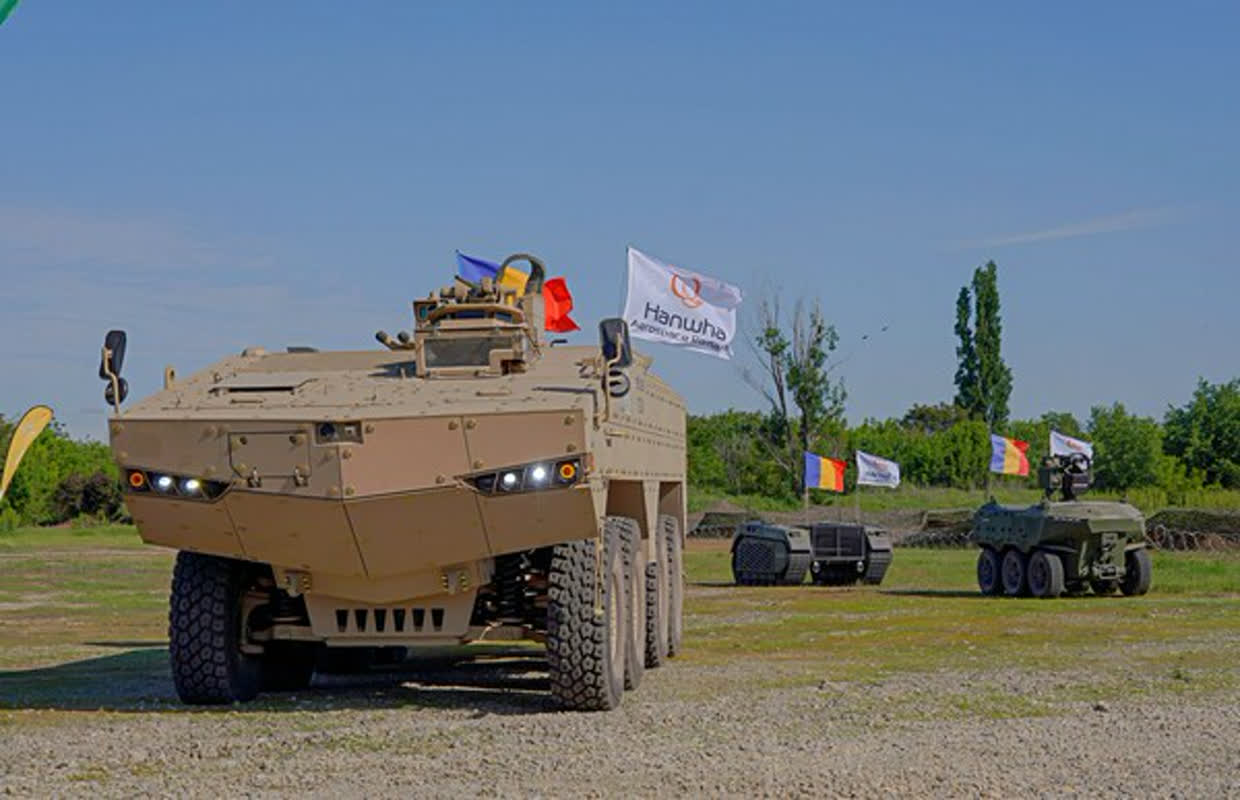
Notably, the selection appears aimed at putting someone in charge who can directly drive key \"future navy\" priorities: strengthening blue‑water operational capabilities, expanding unmanned systems and AI-enabled maritime surveillance, and reorganizing defenses against North Korean submarines and drone threats.
A defense official said the navy can no longer be confined to coastal defense. The command reorganization reflects plans for deployments to distant waters — including the Strait of Hormuz — and for responses across multiple domains.
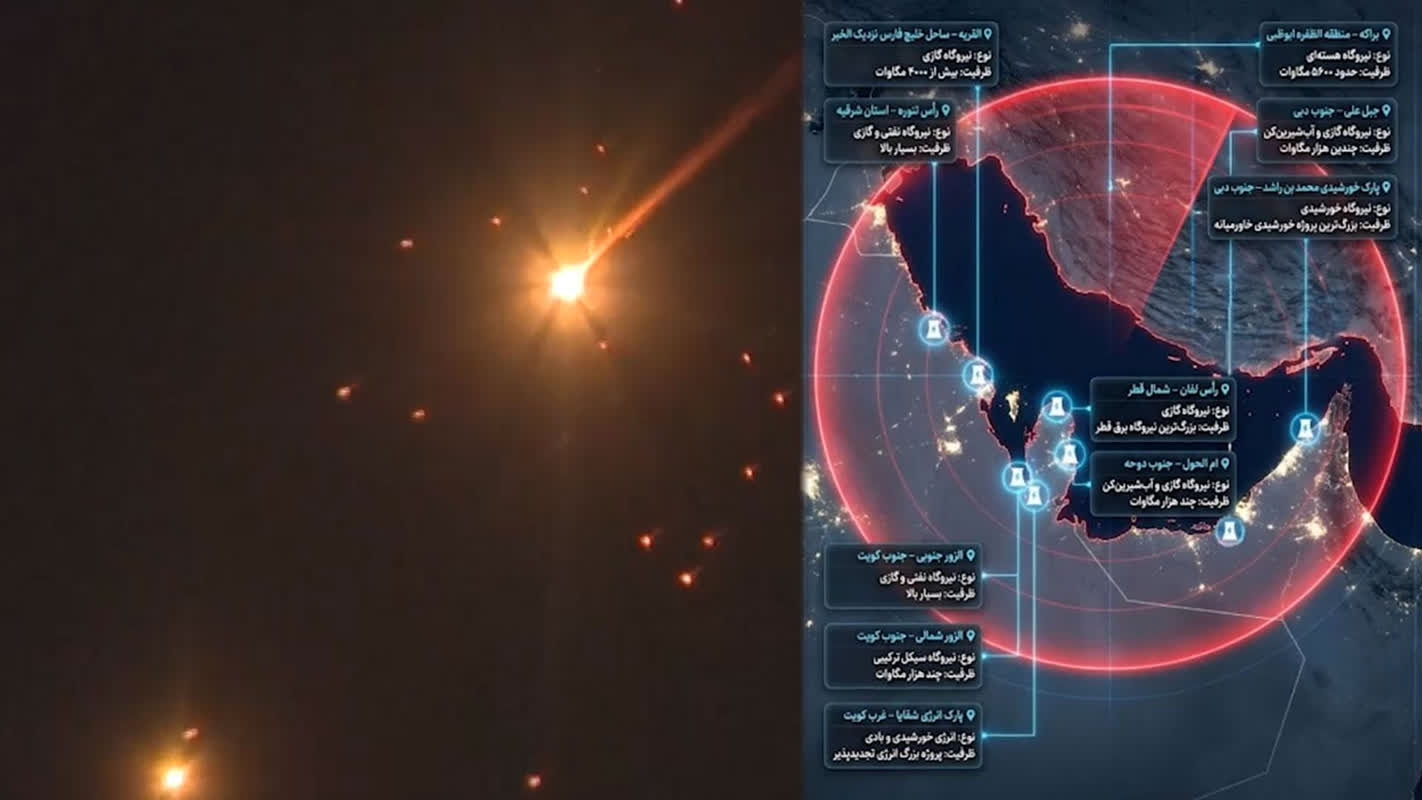
Some observers view the move as a readiness-focused appointment tied to rising tensions in the Middle East. Naval sources report the Cheonghae Unit’s role is shifting from routine security patrols toward quasi‑combat missions.
Ultimately, analysts increasingly see the change at the top not as mere personnel turnover but as the opening salvo of a strategic shift from a coastal navy to one built for sustained blue‑water operations.