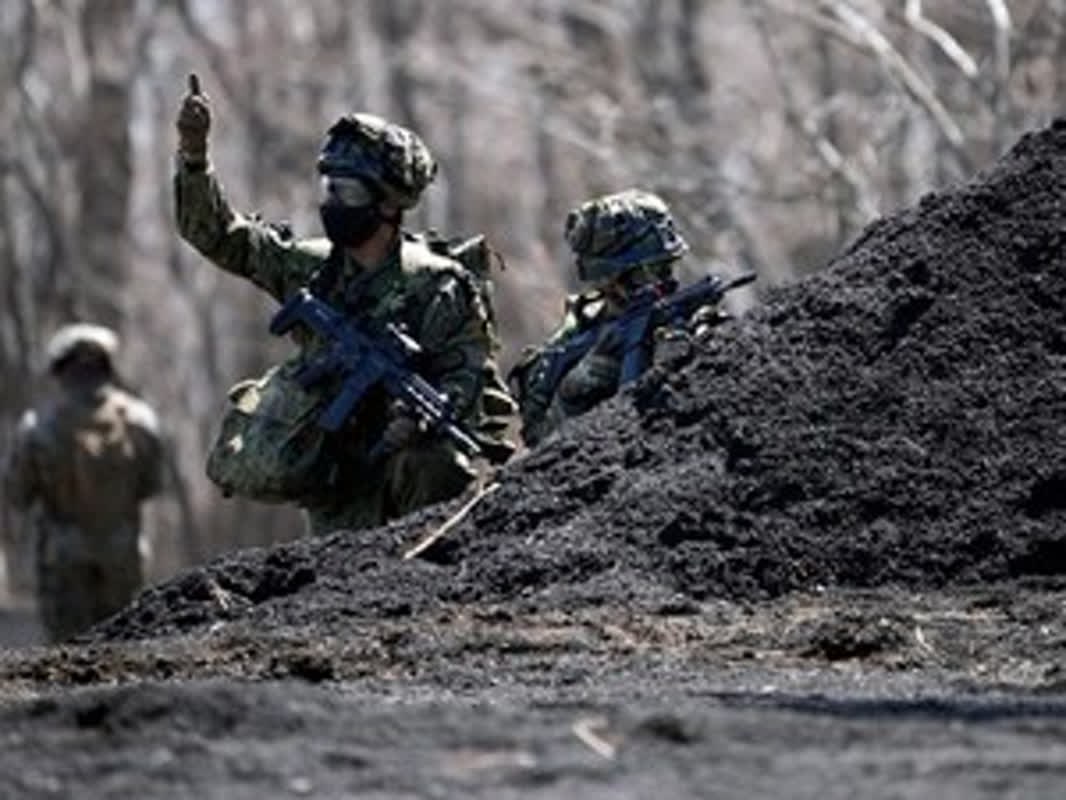
A draft amendment to the Military Service Act intended to stop so-called "wait-it-out" draft evasion—where men remain overseas long-term to avoid service and return only after passing the exemption age—cleared a parliamentary subcommittee. The bill would raise the enlistment exemption age from the current 38 to 43 to block extended overseas stays intended to dodge service.
The National Assembly’s Defense Committee bill-review subcommittee approved the amendment on the 9th. The panel combined a proposal from People Power Party Rep. Yoo Yong-won with one from Independent Rep. Kim Byung-gi for joint review.
If lawmakers finalize the amendment, the age at which military obligations end would be pushed back from 40 to 45. Penalties for failing to fulfill service would also be enforceable up to age 45. The same standard would apply to those who evade active-duty enlistment, social service or alternative service call-ups, or who remain abroad without valid reason and do not return.
Under current law, men who do not return within an approved overseas travel period or otherwise fail to perform their service are exempted from enlistment once they turn 38. Critics say the rule has been repeatedly exploited by people who stay overseas for study or work until they pass the exemption age and then return home.
Military Manpower Administration data show that over the past five years the number of people assigned to wartime labor service because they were 38 or older exceeded 5,000 each year: 5,942 in 2021; 5,645 in 2022; 5,275 in 2023; 5,174 in 2024; and 5,901 in 2025. Officials say many of those cases involved overseas stays.
Rep. Yoo has pushed for the change, saying cases persist in which men effectively avoid service by remaining abroad until they pass the exemption age and then return. The amendment will now go to the full Defense Committee, the Legislation and Judiciary Committee for review, and then to the floor for a final vote.
New Military Service Law: How Raising the Age Limit to 43 Affects Overseas Residents
Daniel Kim | 2026.04.10

Recommended Posts
Why is the U.S. Detaining Soleimani's Niece? Key Insights into U.S.-Iran Relations

AI in Defense: 4 Key Areas Where South Korea's AX Sprint Project Will Boost Efficiency

Iran's Arashi-2 Drone Strikes Tel Aviv: What You Need to Know About This Advanced Weapon

North Korea's Latest Missile Test: What You Need to Know About the SLBM Threat

First Defense Industry Designation for JeonNam's JK Heavy Industries: What It Means for the Marine Sector
3 UNIFIL Soldiers Hurt in Lebanon: Is the Israel-Hezbollah Tension Escalating?
Latest Popular Posts
Real-time TOP