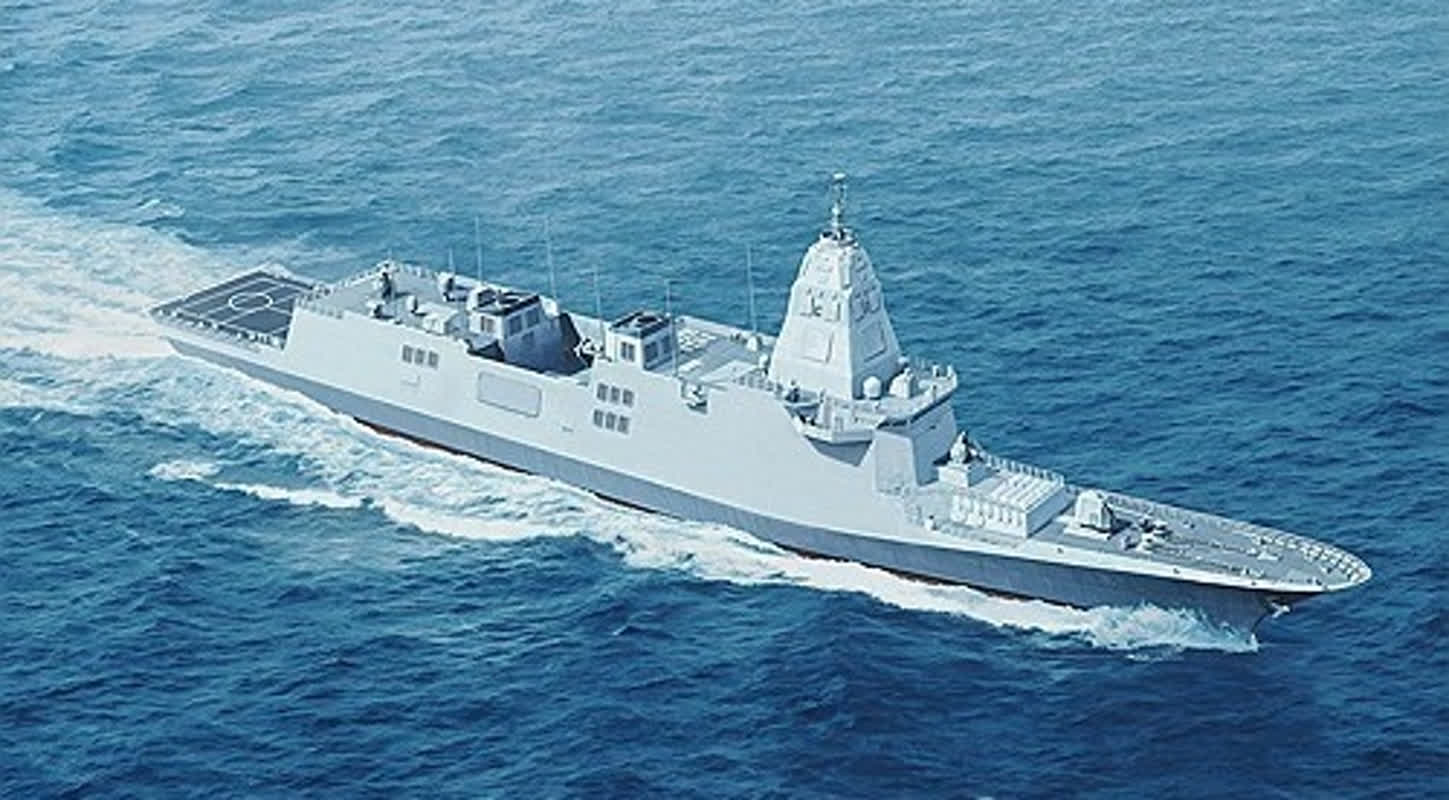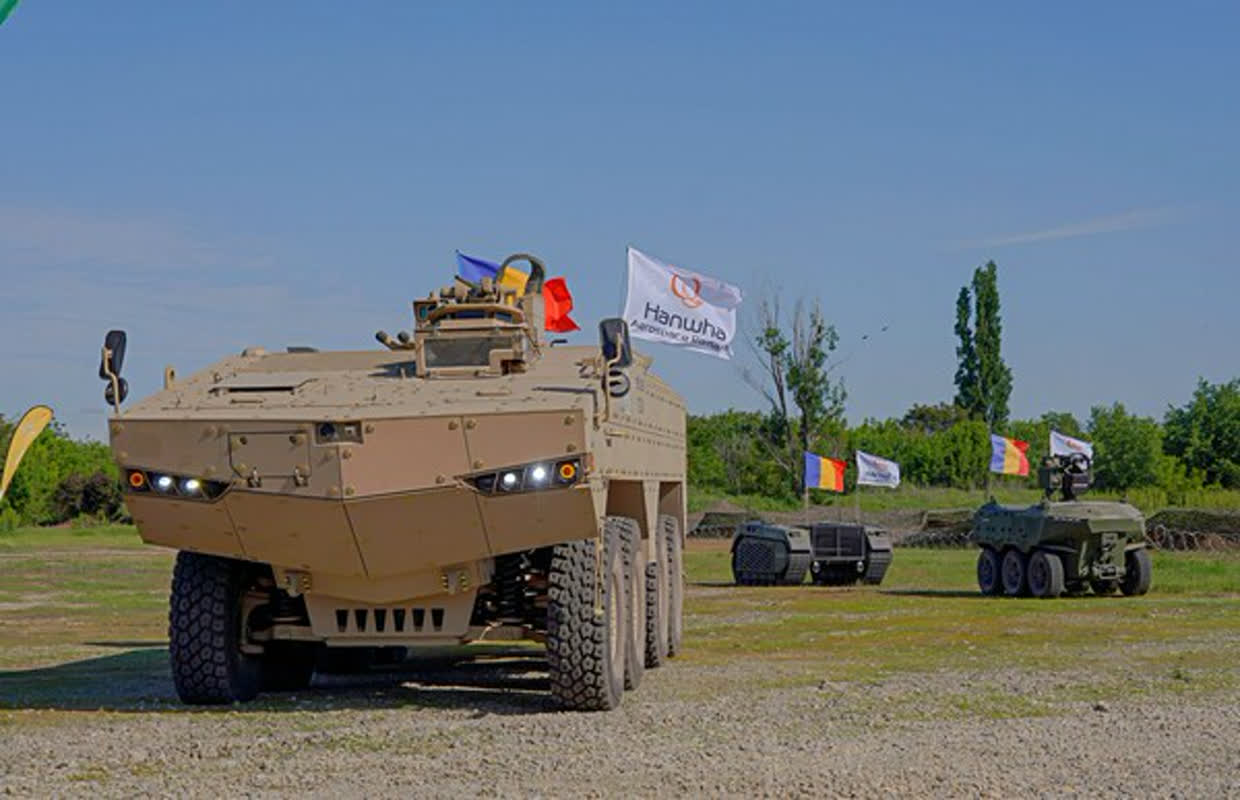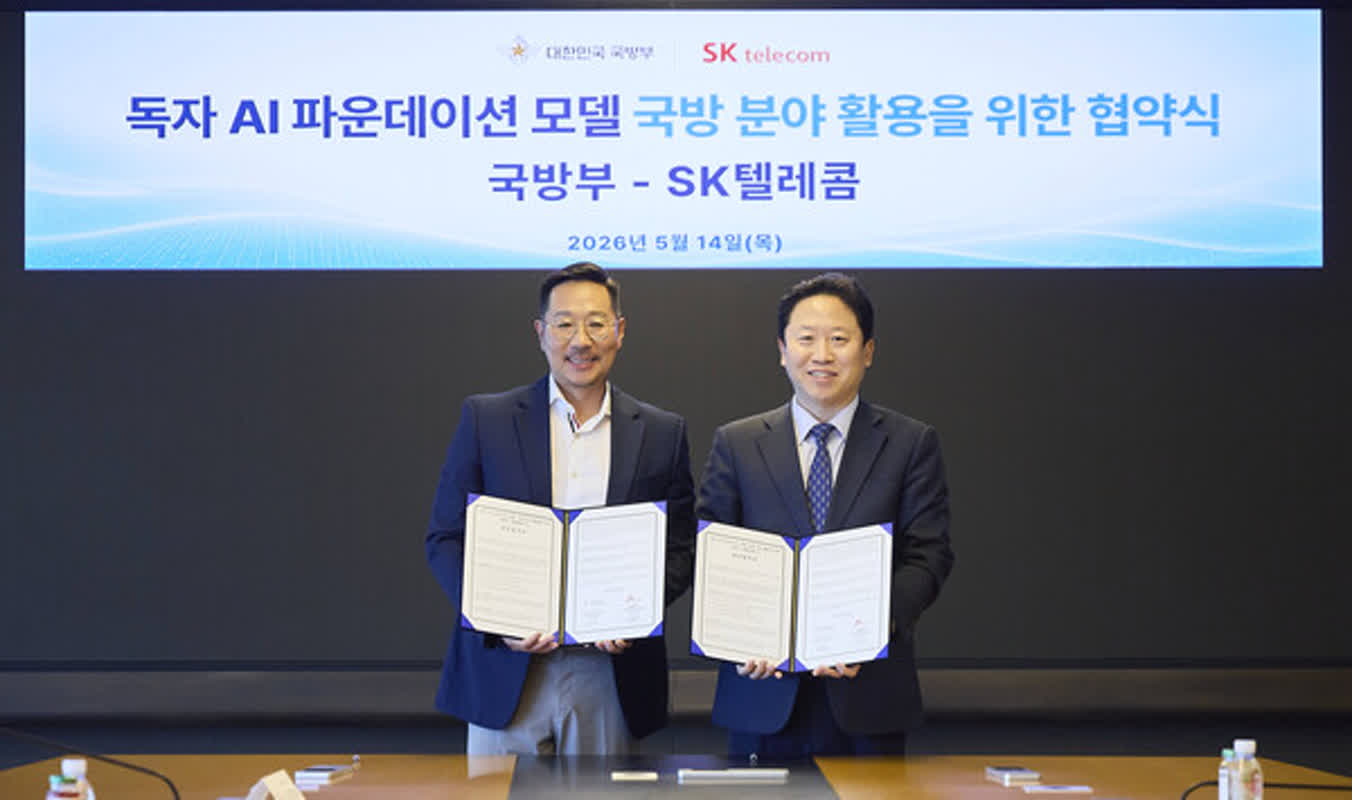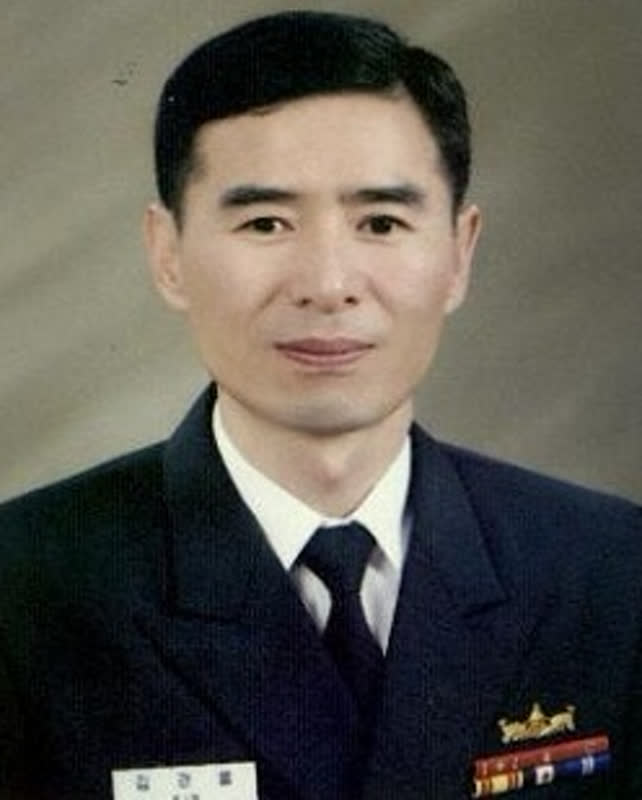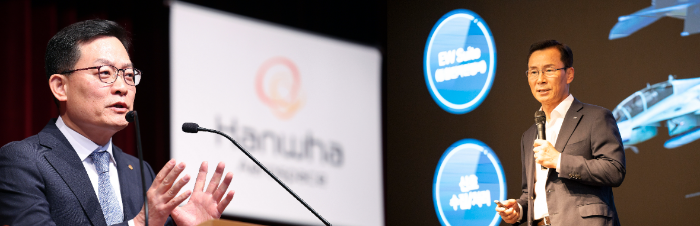
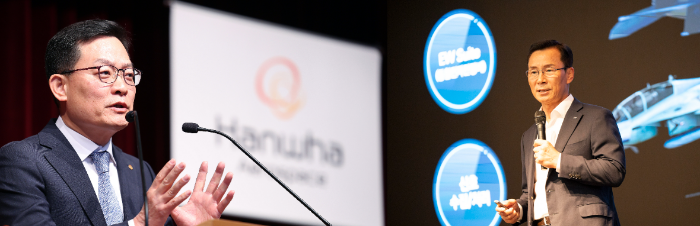
Hanwha Systems CEO Son Jae-il (left) and LIG D&A CEO Shin Ik-hyun. /Photo courtesy of each company
LIG D&A and Hanwha Systems square off—competition for defense AI leadership reaches corporate boards
Contract battles heat up across land and sea
Recently, LIG D&A (CEO Shin Ik-hyun) has pushed into command-and-control (C4I) and intelligence, surveillance and reconnaissance (ISR) capabilities—areas long associated with Hanwha Systems—putting the companies’ bid portfolios on a collision course.Both firms perform similar roles in the defense ecosystem: they build the systems that act as a platform’s nervous system and command layer. Historically, LIG D&A focused on precision-guided munitions (PGM) like the Cheongung and Bigung systems, while Hanwha Systems developed a strong position in active electronically scanned array (AESA) radars and satellite systems.
The rivalry isn’t new. In 2016 Hanwha Systems (then Hanwha Thales) beat LIG D&A to win the AESA radar contract for Korea’s KF-21 fighter. But in 2024 LIG D&A captured the Navy’s unmanned surface vessel reconnaissance-system contract with its \"Haegum\" series, edging out Hanwha Systems’ \"Haeryeong\" and becoming the lead contractor.
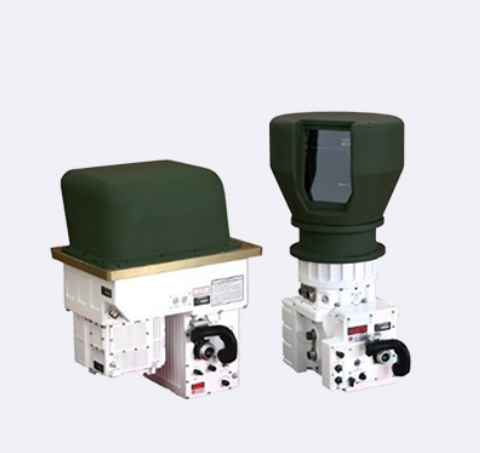
A K2 tank sight developed by Hanwha Systems. /Photo courtesy of Hanwha Systems website
The competition has recently shifted into ground systems. LIG D&A won the contract to supply the sights and battlefield-visualization systems for the prototype K3 tank being developed by the Agency for Defense Development and Hyundai Rotem. Until now, Hyundai Rotem’s primary platform, the K2 Black Panther, used cooled, high-performance gunner and commander sights developed and produced by Hanwha Systems.
A defense industry source said it’s unfortunate the story is framed solely as a corporate showdown, adding that calling the K3 sight award simply a case of one company stealing market share from another misses important nuance.
The source noted that differing platform requirements translate into different technical specifications, so each firm’s specialized strengths likely influenced the outcome.
Seizing future tech by building 'AI boards'

Professor Kim Seung-joo of Korea University’s Graduate School of Information Security (left) and Professor Hwang Hyung-ju, chair professor of mathematics and AI graduate school at POSTECH. /Photos courtesy of Korea Financial News DB, POSTECH website
The rivalry has moved into corporate governance as both companies race to add AI expertise to their boards.
At its recent annual meeting, LIG D&A named Professor Kim Seung-joo of Korea University’s Graduate School of Information Security as an outside director, replacing Lee Sang-jin, whose term expired in March.
Kim is a domestic authority on AI security. He has served on presidential AI advisory bodies and the Defense Innovation Committee, and he currently chairs the Korea Defense Innovation Technology Security Association. LIG D&A described him as an information-security expert with deep academic credentials and practical industry insight, and said his government advisory experience and policy and technology-development skills should be valuable to the company. LIG D&A has also expanded personnel and technical exchanges with Korea University through two industry-academic collaboration projects conducted between November 2023 and February this year.
Hanwha Systems answered by reappointing Professor Hwang Hyung-ju of POSTECH, a leading authority in mathematical AI and a professor in the university’s AI graduate program, as an outside director.
Hwang is an expert in data science, big data and deep learning and serves as CEO of AI software firm AMSquare. He developed a temperature-prediction AI solution for steel manufacturing using mathematical models and received the 2022 Choi Seok-jeong Award for that work.
Hanwha Systems said it reappointed Hwang because he made significant contributions during his previous term to ICT strategy and to key projects such as smart factory initiatives.
Shin Hye-ju, Korea Financial News reporter hjs0509@fntimes.com