Command baton for the Combined Naval Headquarters seized after 55 years
The Navy said the U.S. 3rd Fleet announced the RIMPAC 2026 plan and officially designated the Republic of Korea Navy to serve as the Combined Force Maritime Component Commander (CFMCC). This is the first time South Korea will lead that component at RIMPAC since it first joined the exercise in 1990.
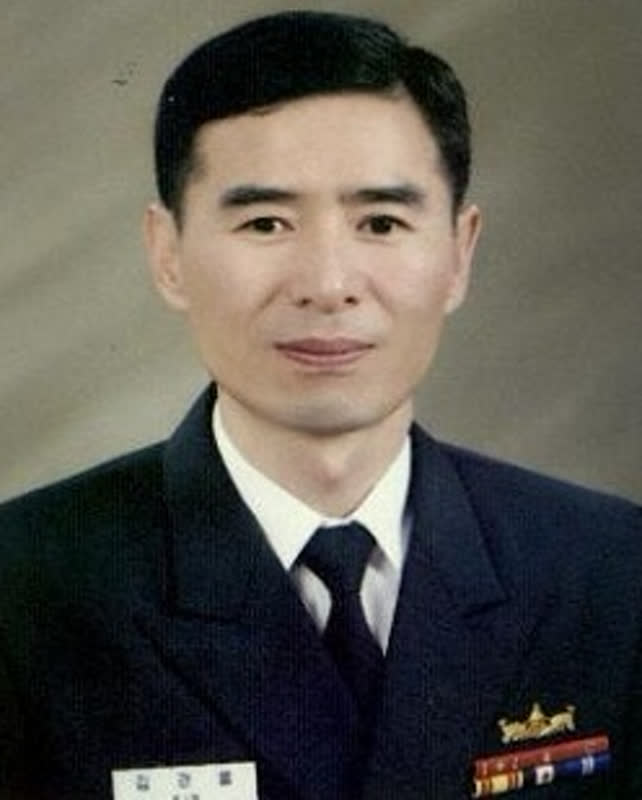
At RIMPAC 2024, South Korea served as the deputy maritime component commander, gaining senior-level staff experience. Elevated to the commander slot this year, a Korean admiral will now serve as the principal maritime commander under the U.S. 3rd Fleet’s overall task force leadership.
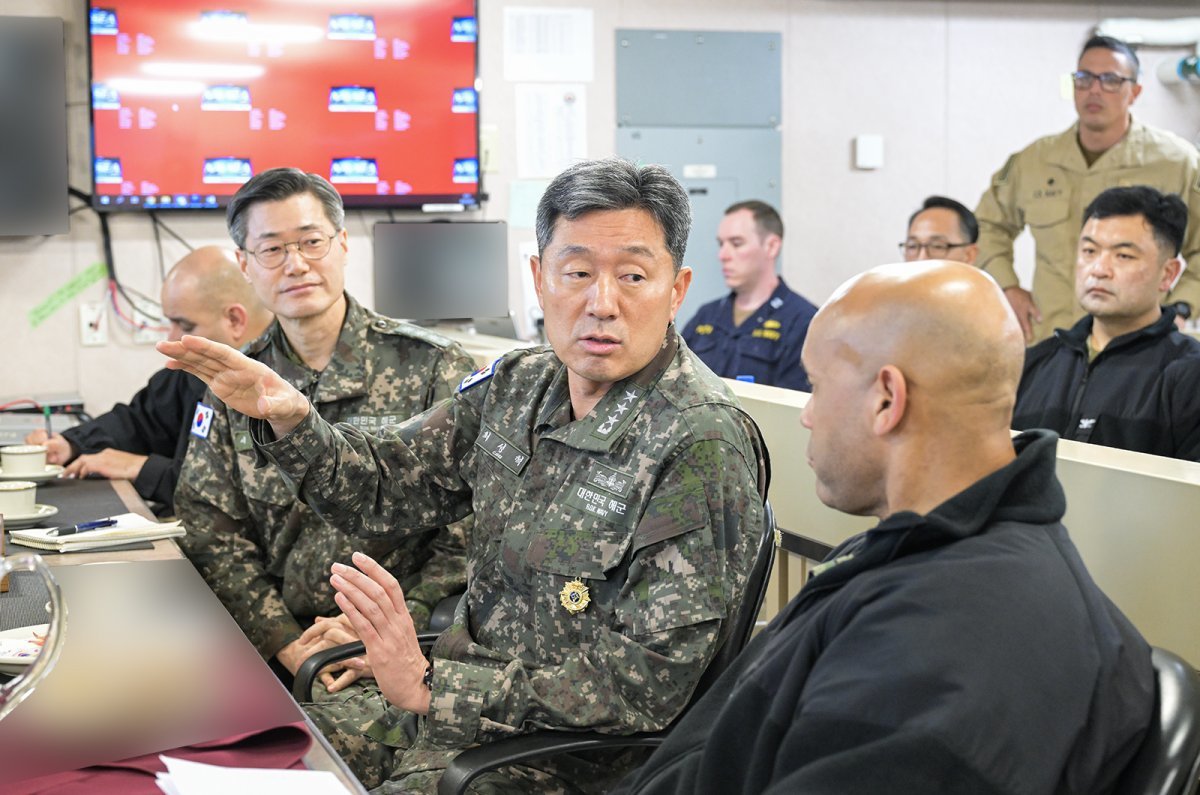
More than 30 nations, roughly 40 ships…a Korean admiral at the command console
The CFMCC reports to the combined task force commander—the U.S. 3rd Fleet commander—but is responsible for integrating and directing operations for all multinational naval forces in the exercise. RIMPAC 2026 will field about 40 surface combatants and submarines, plus aircraft and Marine units from more than 30 countries. The Korean admiral chosen as CFMCC will allocate and employ those sea forces across the exercise’s operational scenarios.
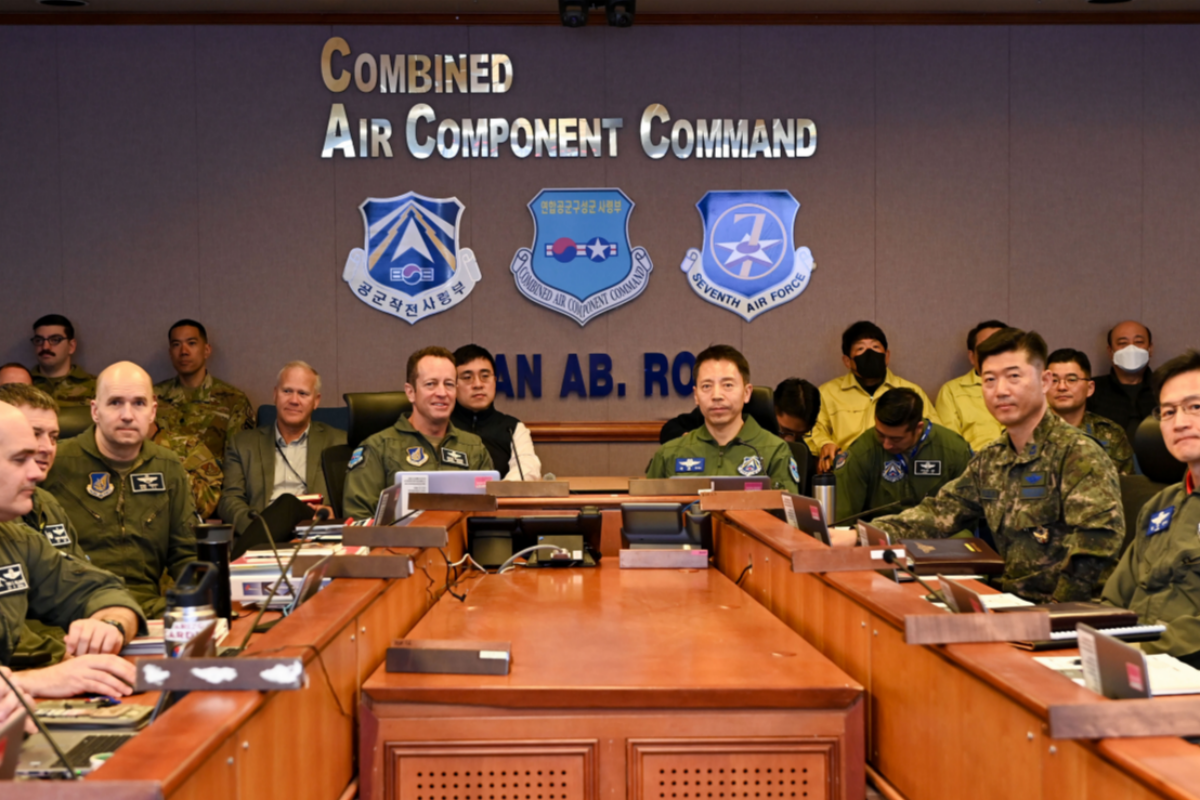
The Navy said, “We will complete the CFMCC mission successfully and demonstrate our operational command capabilities to the international community.” The Royal Canadian Air Force has been named the combined air component commander, creating a tri-national command structure across sea and air led by the U.S., South Korea and Canada.
![포토]](https://cdn-union.viewus.co/contents/crawler-dev/image/2026/05/CP-2025-0103/image-cd67130d-7b01-47d0-be1d-2af4f3c28d73.jpeg)
RIMPAC’s stage: a naval war rehearsal off Hawaii
RIMPAC is a multinational Pacific Rim exercise designed to protect sea lines of communication, coordinate responses to maritime threats, and improve interoperability among allied fleets. The U.S. Pacific Fleet oversees the event, with the U.S. 3rd Fleet commander serving as the combined task force commander for overall direction.
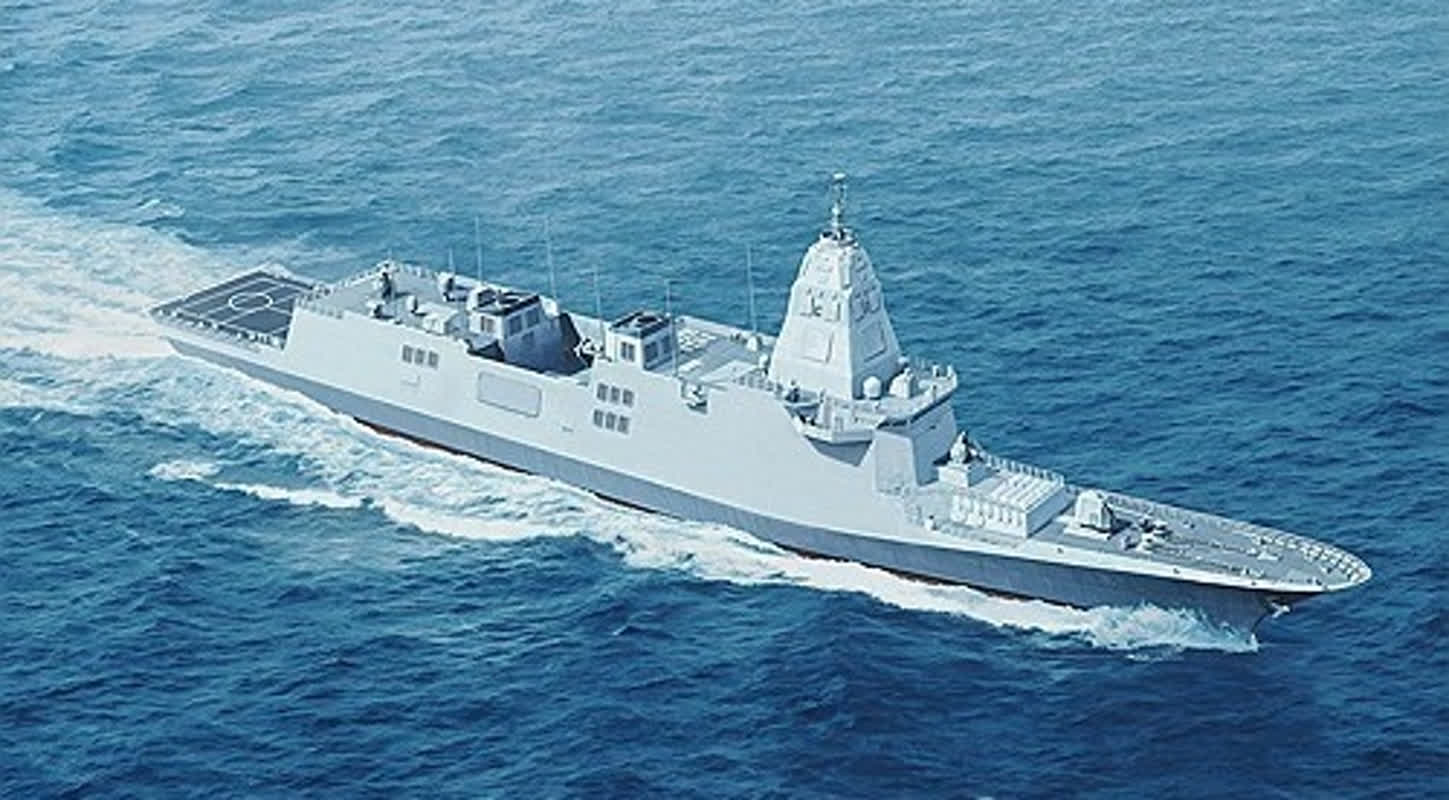
Held every two years since 1971, RIMPAC 2026 is the exercise’s 30th iteration. It will run from late next month through July in the waters around Hawaii and nearby U.S. bases. South Korea will deploy surface combatants, including the advanced Aegis destroyer Jeongjo Daewang, and maritime and shore command elements to execute missions such as anti-submarine warfare, anti-surface warfare and amphibious support under combined scenarios.

'From deputy to commander' — why South Korea earned the slot
South Korea’s steady climb through command billets at RIMPAC is notable. Since joining in 1990, the country moved from simple participation to taking on staff command roles in multinational amphibious and anti-submarine operations during the 2010s, steadily building trust and capability.
In 2022, South Korea led a multinational amphibious assault component, and in 2024 it filled the deputy maritime component commander role, acquiring higher-level command experience. The U.S. 3rd Fleet said it assigned the CFMCC role to South Korea because it recognized the Korean Navy’s competence in planning, executing and directing international operations.
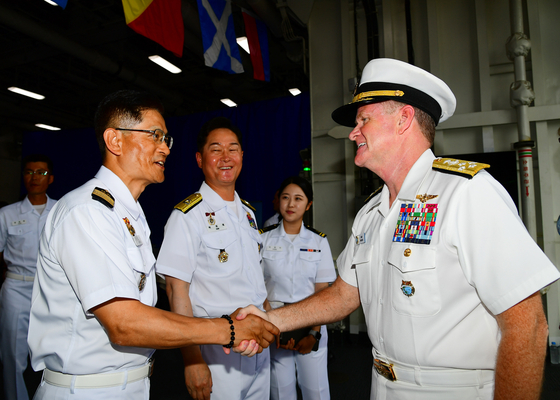
Expanding South Korea’s role in the Indo-Pacific
Analysts say this command assignment is more than a training award. U.S. Indo-Pacific strategy emphasizes allied burden-sharing to counterbalance China, and Washington has increasingly urged South Korea—whose economy depends on vital sea lanes—to take on greater responsibility for maritime security and combined operations.
Commanding a multinational fleet at RIMPAC provides hands-on experience that serves as a practical credential for leading and coordinating multinational maritime operations in a real crisis. Coupled with the Korean Navy’s blue-water ambitions and long-term plans for carriers and large transport ships, this RIMPAC assignment could elevate South Korea’s standing in the Indo-Pacific security architecture.

“From a navy that guarded our waters to one that secures allied seas”
At RIMPAC 2026, the Republic of Korea Navy will act not as a guest but as an operational maritime command node, directing the movements of vessels from some 30 nations. The role symbolizes a strategic shift: expanding responsibilities beyond peninsula defense to protecting sea lanes and deterring threats farther from home.
Within the Navy, officers express both optimism and pressure. They expect the assignment to prompt deeper discussion about South Korea’s future roles in multinational operations, while feeling the burden of delivering as commander. Observers will watch to see whether this command baton—claimed after 55 years—becomes the turning point that transforms the Korean Navy from a force focused on national waters into one that helps secure allied seas.