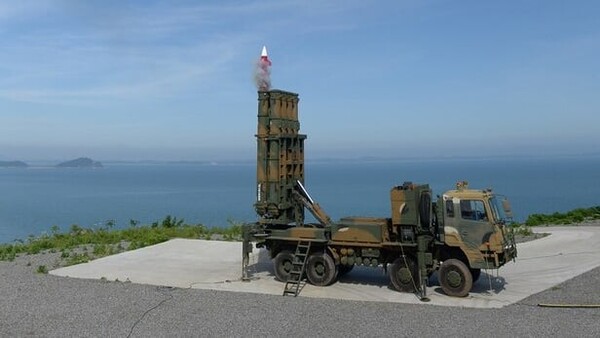
[The Public — Yang Won-mo, Reporter] South Korea has reportedly rushed 30 domestically produced Cheongung-II surface-to-air interceptors to the United Arab Emirates on an emergency basis.
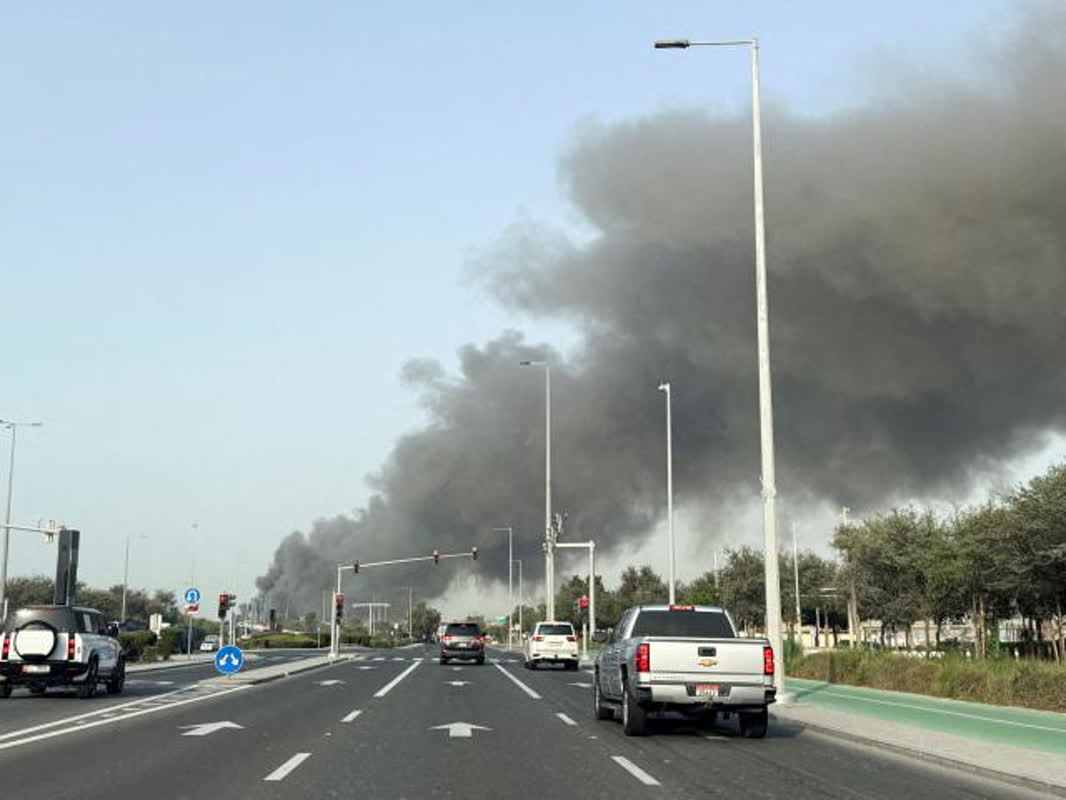
Professor Abdulkalek Abdulla, an informal adviser to the UAE president, wrote on social media on March 10 that South Korea quickly dispatched 30 interceptor missiles in response to an Iranian strike. “A friend who helps in hard times is a true friend,” he added.
Abdulla said a UAE Air Force C-17 transport landed at Daegu Airport on the night of the 8th and picked up the Cheongung-II missiles the following afternoon. LIG Nex1 has not issued an official statement on additional aid, but available indicators make the emergency transfer appear to be a done deal.
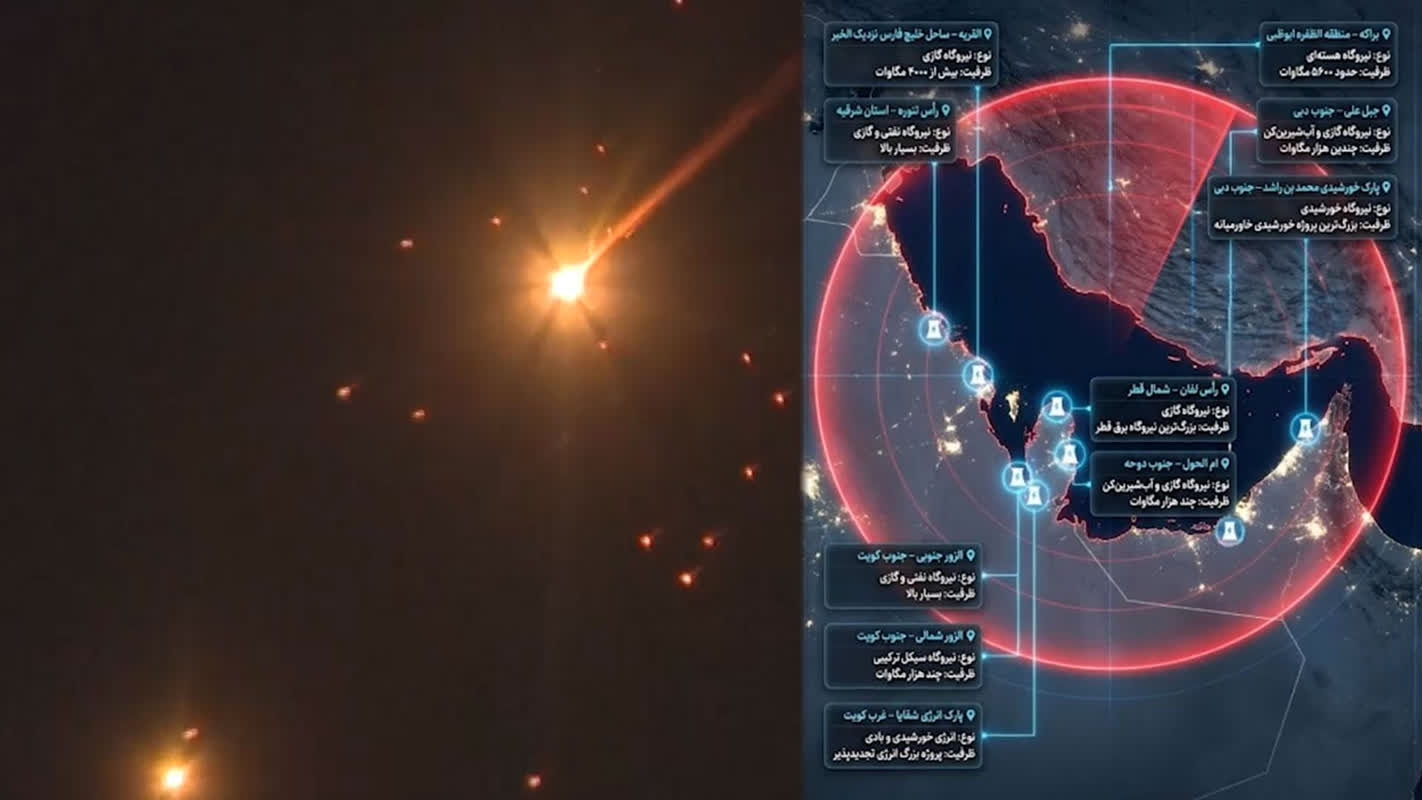
The shipment follows battlefield validation of the Cheongung-II. Seoul signed a 2022 contract with the UAE for 10 batteries; two batteries are already deployed there. About 60 Cheongung-II rounds were fired in the recent conflict, and the system reportedly achieved an interception rate of roughly 96%. That performance marked the missile’s first combat use and demonstrated its effectiveness.
Encouraged by those results, UAE officials asked Seoul to deliver the remaining batteries ahead of the contractual schedule. They also requested that, if early delivery of whole batteries was not possible, spent interceptor rounds be prioritized for immediate transfer.
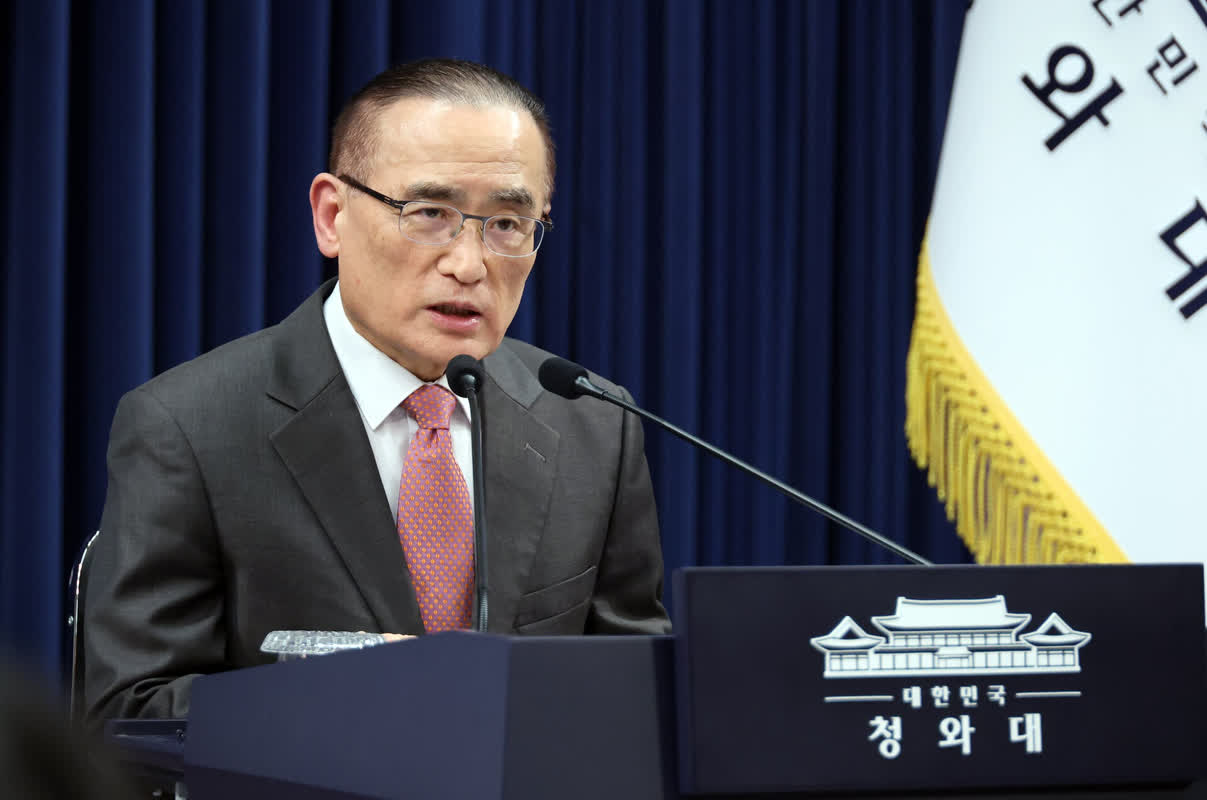
Seoul sent 30 interceptors while also advancing an oil cooperation agreement. On March 6, Chief Presidential Secretary Kang Hoon-sik said that, under President Lee Jae-myung’s direction, consultations with the UAE secured emergency imports of more than 6 million barrels of crude oil.
The Cheongung-II’s combat performance has drawn international attention. The Financial Times reported on March 11 that demand for South Korean defense technology could rise following the system’s success. Hwang Eoyeon, an analyst at Nomura Securities, told the FT that LIG Nex1 could increase production within nine to 12 months by shifting to two work shifts.