|
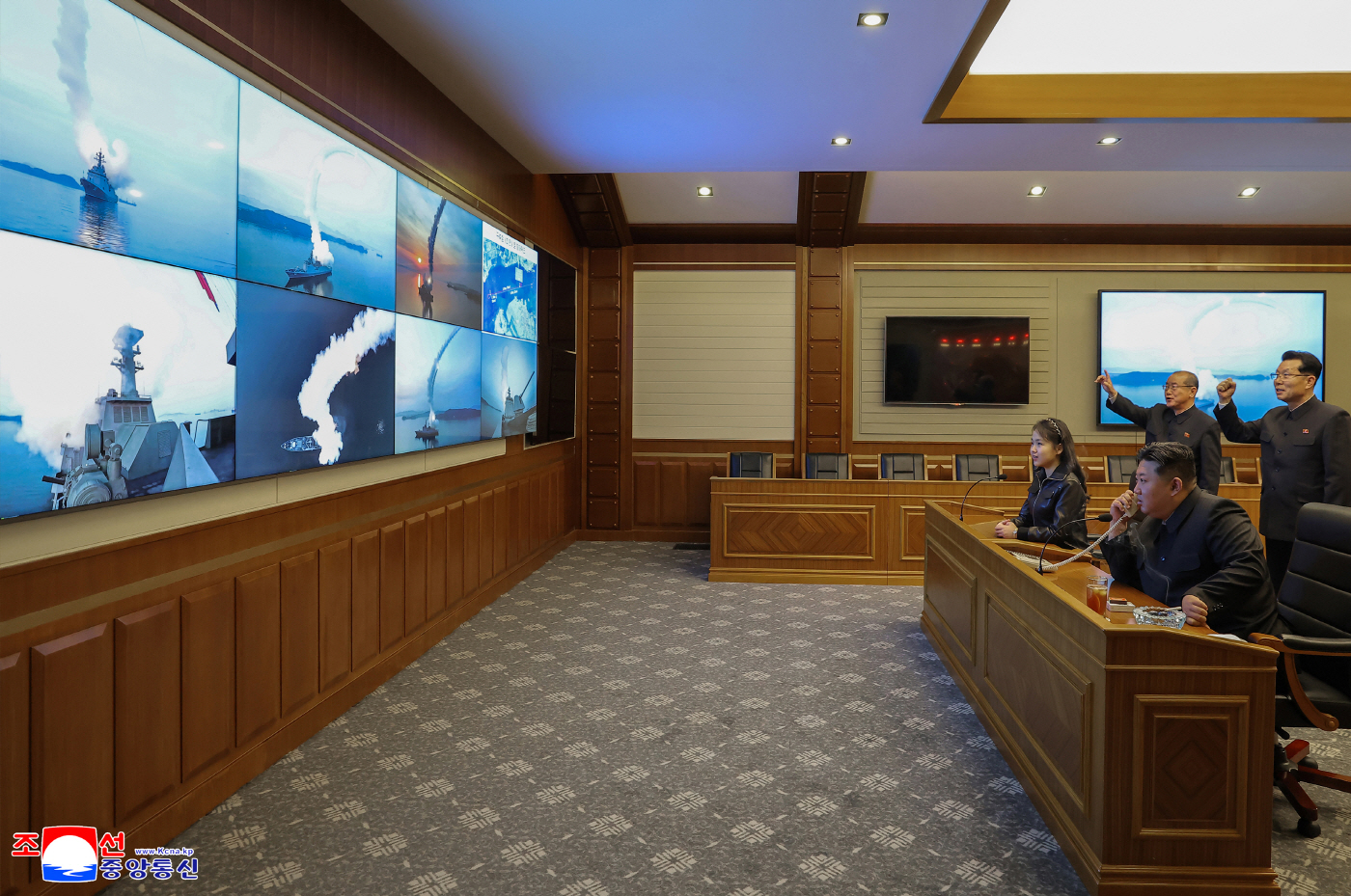
On March 11, the Korean Central News Agency said Kim had viewed the Choe Hyun's strategic cruise missile launch by video the previous day and published 11 photos. Three of those images show Kim and Kim Ju-ae observing the launch remotely.
Kim In-tae, a senior research fellow at the Institute for National Security Strategy, told reporters these photos convey that the launch was directed from the Workers’ Party central headquarters building — likely from an underground command bunker. He noted that imagery of this sort is unusual.
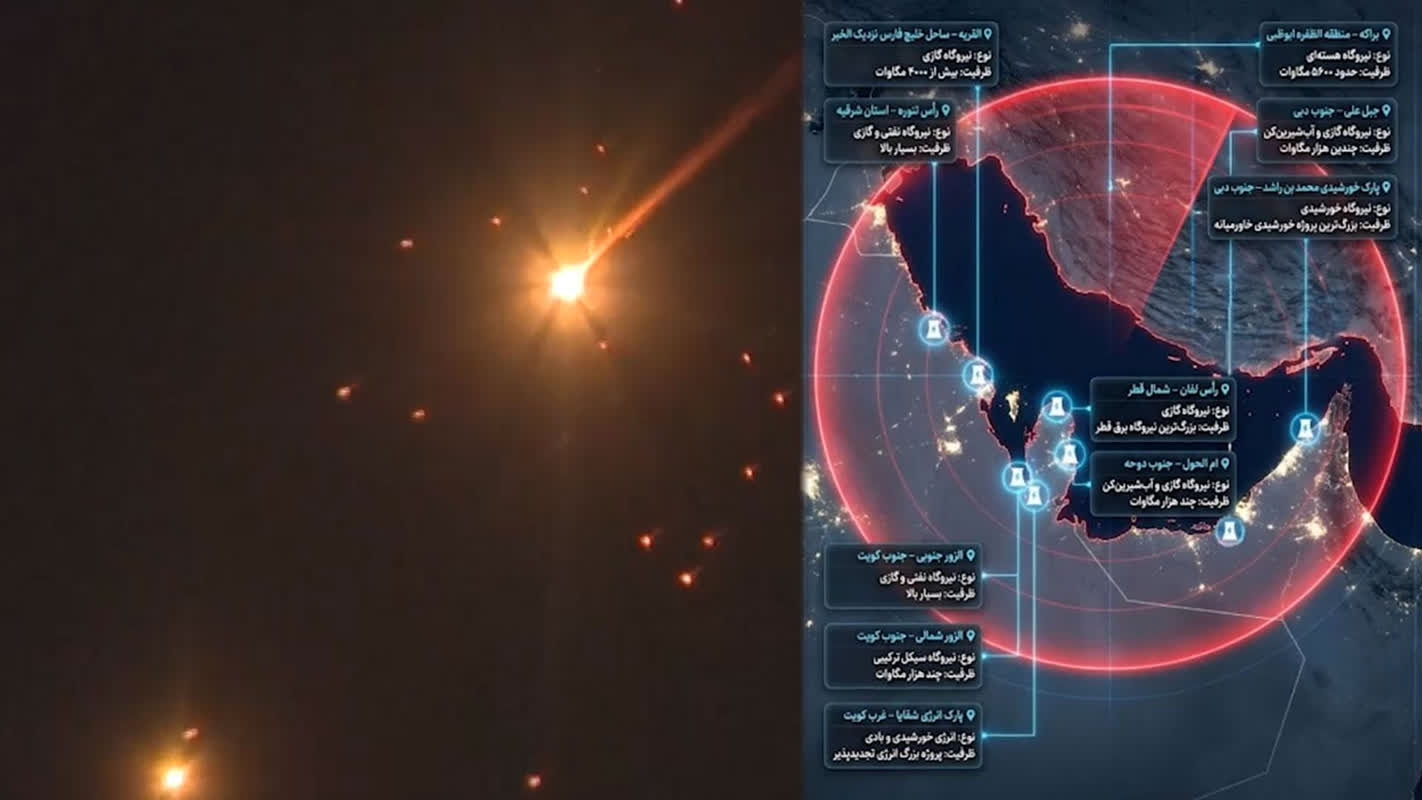
Analysts say the images signal that Kim can issue emergency orders to the military from outside standard command channels, and that the session served as a check on nuclear operational readiness. Some observers suggest Pyongyang staged the exercise to simulate a realistic contingency in light of recent global events, including rapid U.S. moves elsewhere and strikes involving Israel and Iran. Kim In-tae described the photos as showing practical command in a hypothetical crisis, indicating that the party central headquarters’ bunker could, in practice, issue nuclear missile launch orders independent of the General Staff and regular military command processes.
|
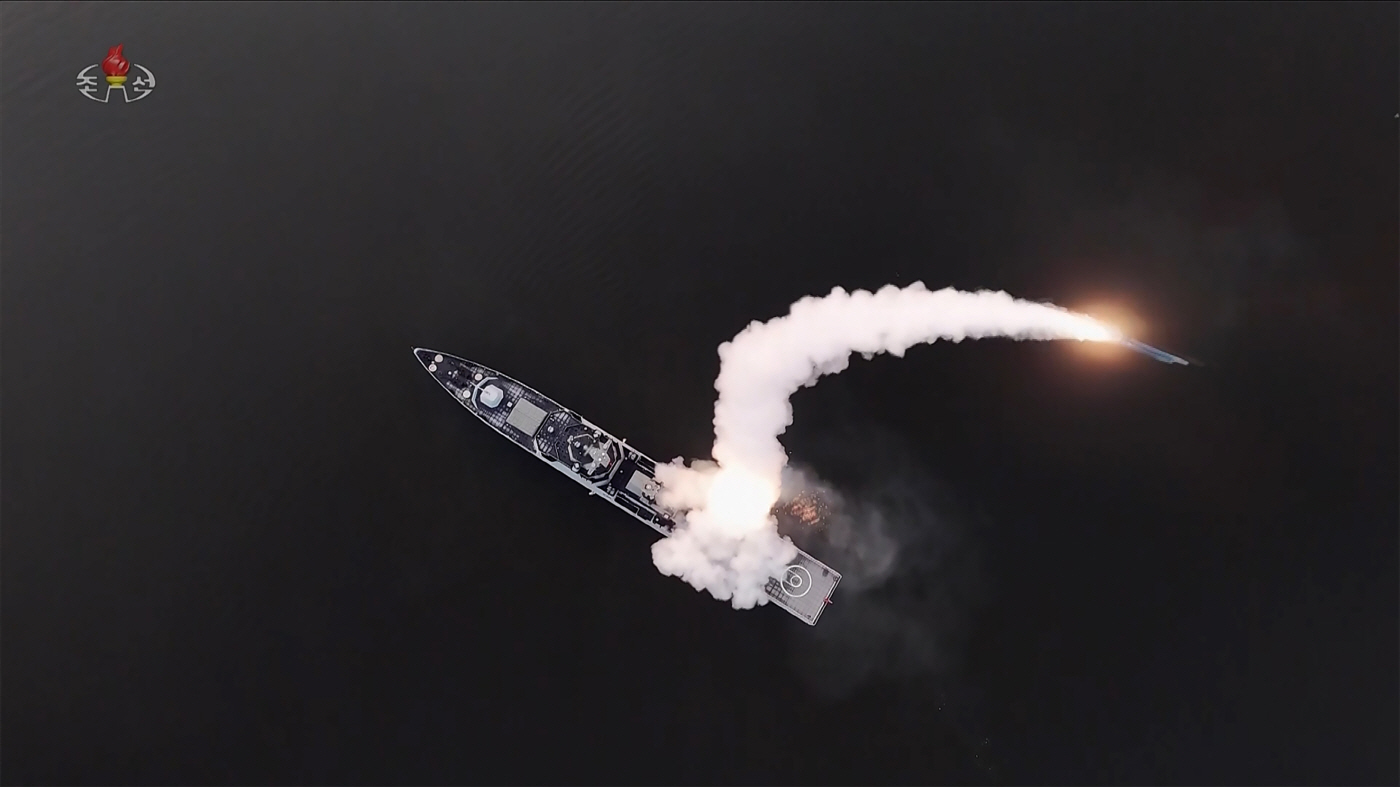
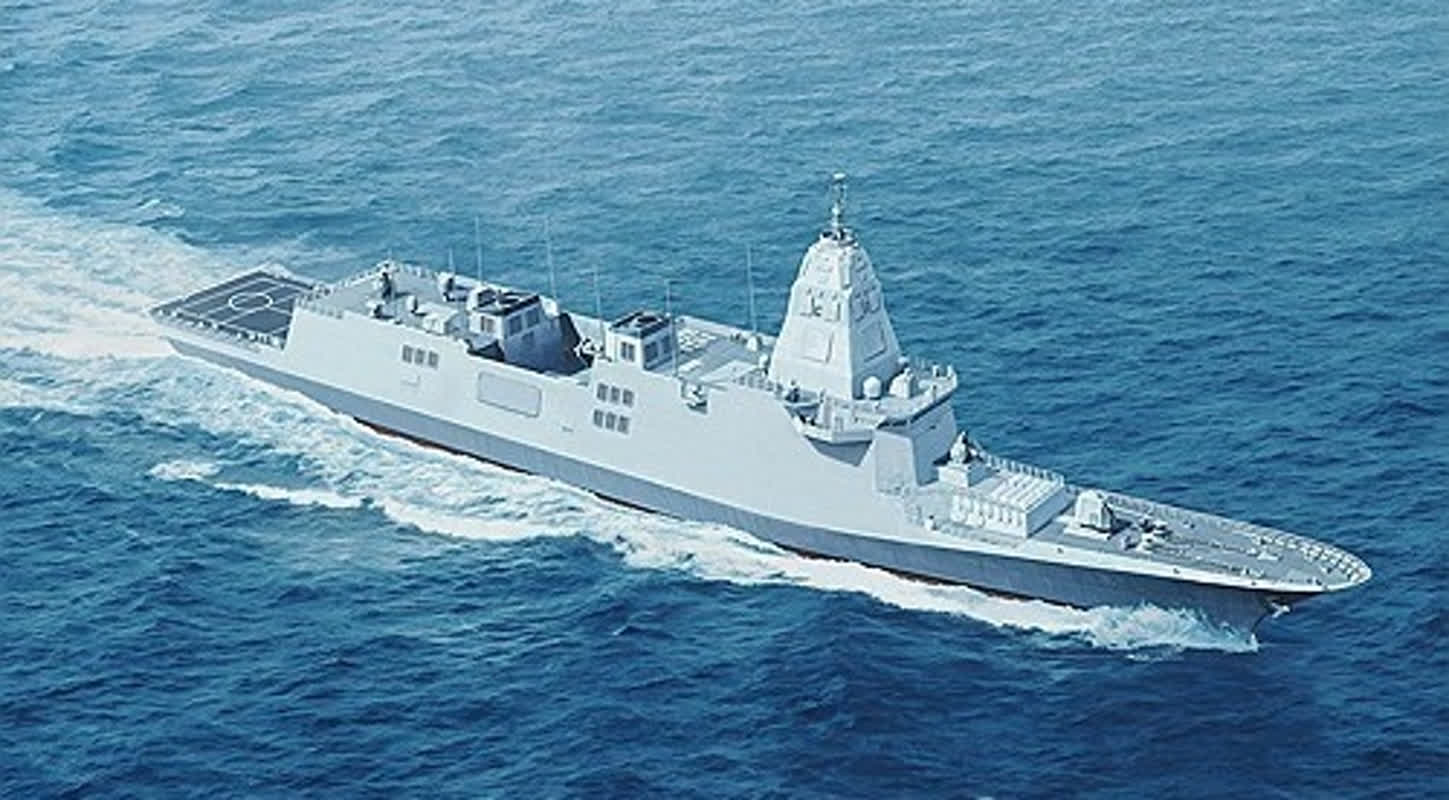
Kim ordered that hypersonic weapon systems be added to 5,000-ton and 8,000-ton destroyers and directed officials to complete operational capability assessments of the ships’ air-defense, anti-submarine and mine-warfare systems within the set deadlines, then transfer the Choe Hyun to the navy.
Analysts say Kim’s consecutive appearances at strategic-weapon tests this week and his emphasis on completing the Choe Hyun’s defensive and anti-submarine capabilities underline Pyongyang’s intent to showcase that, unlike Iran, it claims established nuclear status and the capacity to respond to external attacks. By reiterating nuclear status consistent with decisions from the 9th party congress, North Korea appears to be bolstering its negotiating leverage with the United States while also strengthening its naval power.