\"I hated the military\" — the line he crossed
On March 1, 1991, Private First Class Kim Yu-chan, a KATUSA assigned to the Joint Security Area at Panmunjom, suddenly sprinted toward the Military Demarcation Line. A senior majoring in physical education at Sungkyunkwan University, he had been at the JSA for less than a month when he ran—wearing a ballistic helmet, sunglasses and a sidearm—into a North Korean rest area, becoming the JSA's first South Korean defector since the armistice.
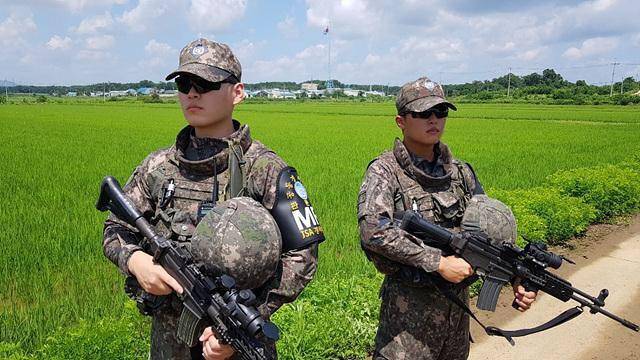
\"Stop!\" — then live gunfire
As Kim charged north, South Korean sentries attempted to stop him. The confrontation briefly escalated into a short exchange of live fire between South and North sentries. Amid the chaos and gunshots, Kim plunged toward the North Korean soldiers, who provided cover and escorted him into North Korean territory. The incident prompted a significant tightening of JSA security and spawned multiple countermeasures, including new rules for personnel appearance and movement during leave and outings.
Why he went remains 'unclear'
Immediately after the defection, speculation ran rampant: family troubles, a personal relationship, past activism, or stress from military service. Fellow soldiers who served alongside him said they thought family issues were at the root, but investigators never confirmed specifics. Official records list his motive as \"unclear.\" A later statement broadcast on Pyongyang radio quoted Kim as saying he defected out of disillusionment with harsh South Korean military life, but analysts treat that as a likely propaganda line rather than a definitive explanation.
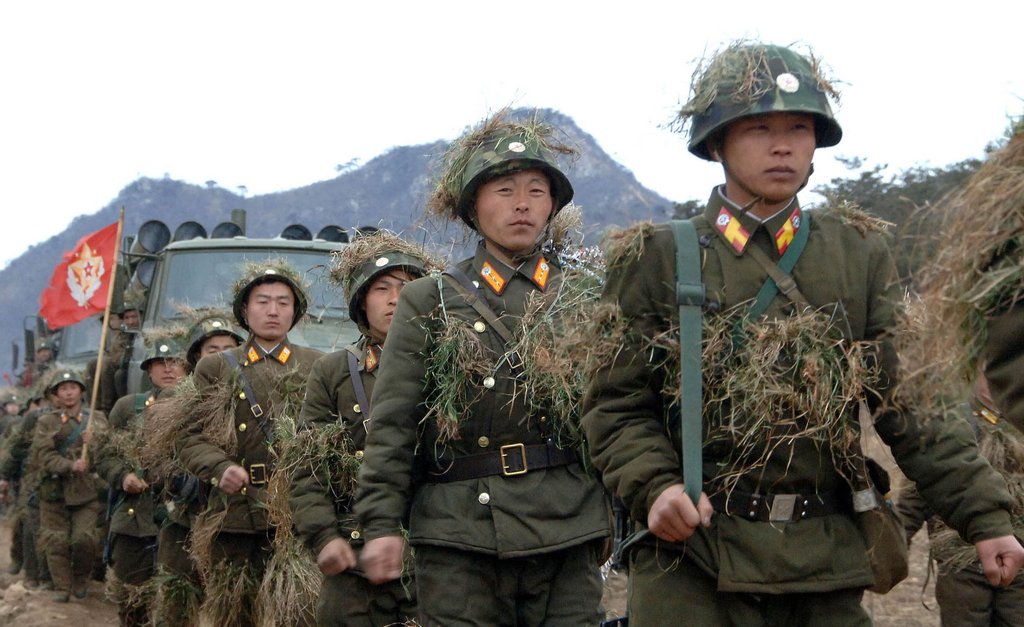
Pyongyang turned him into a propaganda spectacle
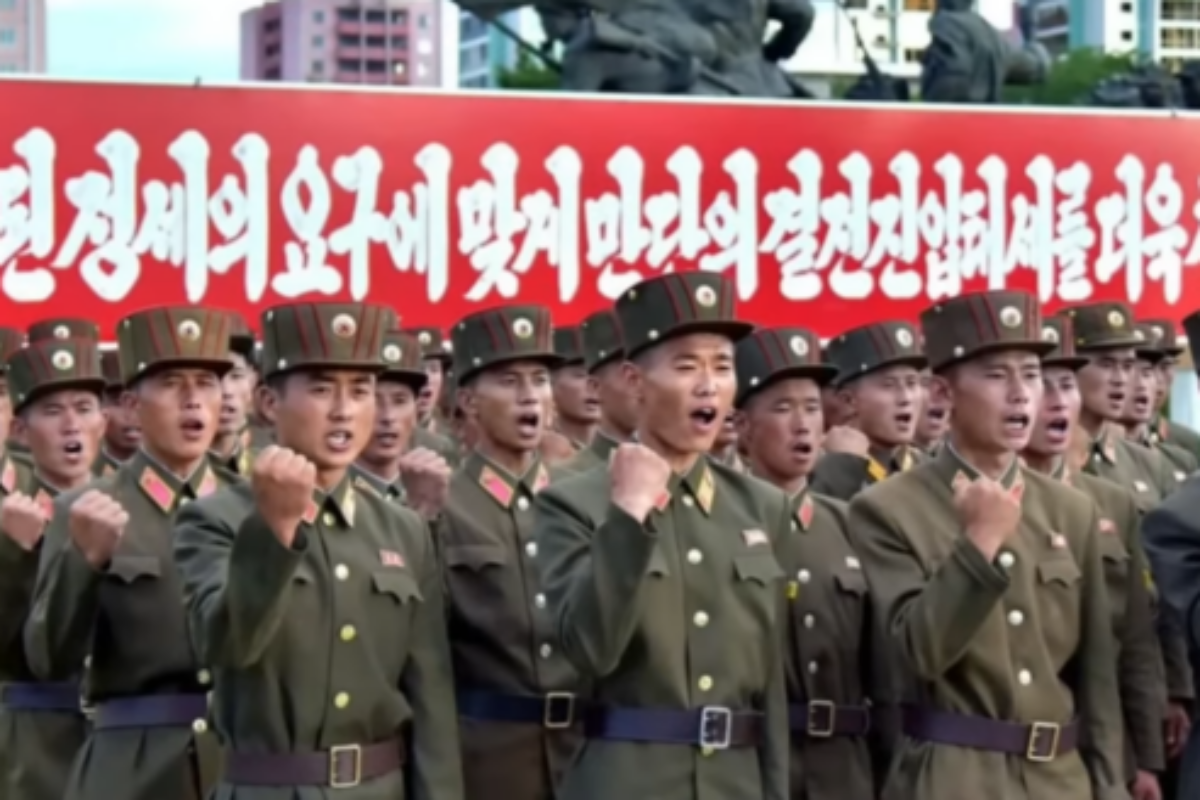
North Korean authorities quickly elevated Kim as a propaganda figure. Leaflets proclaiming \"Warmly welcome the defector hero Kim Yu-chan!\" were dropped over the South, and state media published images of him in uniform waving to crowds in Pyongyang. The leaflets identified him as \"Private Kim Yu-chan, 4th Platoon, UN Command Joint Security Company, defected on March 1, 1991,\" and included denunciations of alleged abuses in South Korean military life.
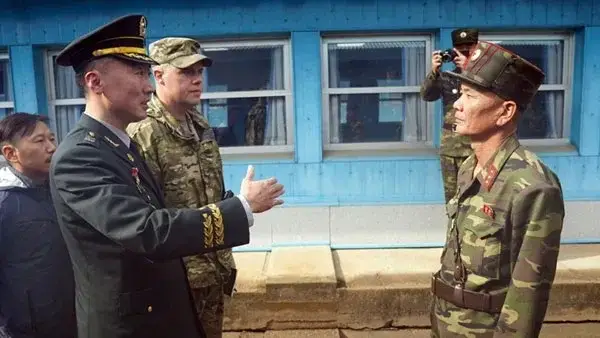
Rank and family did not mean freedom
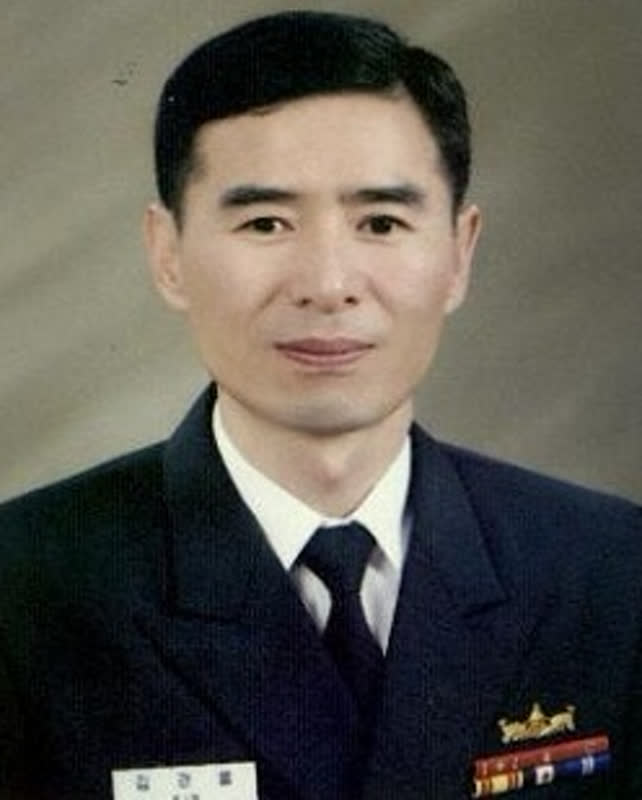
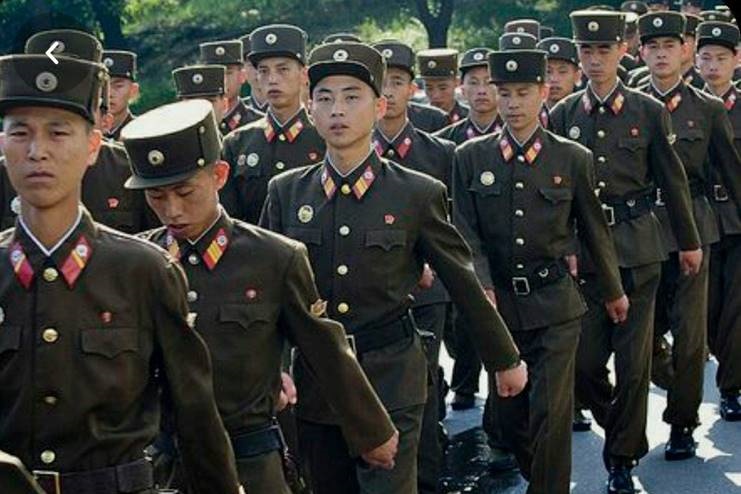
Open-source profiles and media reports indicate Kim married in North Korea, had children and was given an officer's rank in the Korean People's Army. He even appeared in 2016 on leaflets dropped over Seoul as a middle-aged man in uniform labeled \"former UN Command Joint Security Company Private, KPA officer Kim Yu-chan.\" On paper, rank, family and employment suggested stability; in reality, analysts say those privileges were managed and displayed by the regime for propaganda and control.
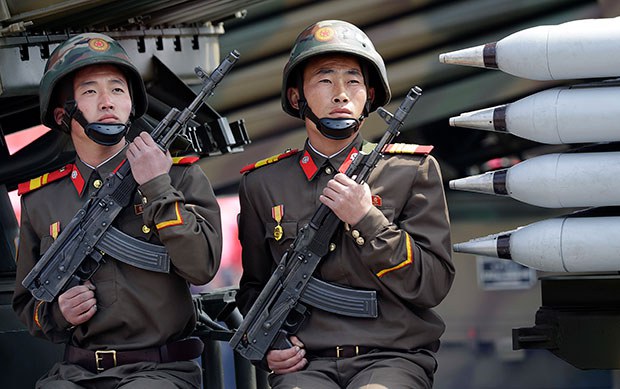
His image still used 25 years later
Decades after the defection, his image remained a fixture in North Korean psychological operations. A 2016 anti-South leaflet recovered in Seoul printed a photo of Kim in a KPA officer's uniform; Pyongyang continued to market him as a defector-hero. The single act that made him a KATUSA who defected north has been recycled repeatedly in the North’s propaganda campaigns.
He traded harsh service for a deeper confinement
To this day, outsiders cannot verify whether Kim is alive or what his living conditions are. What is clear is that by trying to escape the temporary hardship of military service, he became enmeshed in a far more closed and controlled system. Had he remained in the South, he would have kept freedoms over education, career, residence and movement. Instead, his name and face remain tools Pyongyang uses when it suits its messaging. His defection has been recalled as a cautionary tale: fleeing the military brought him into an even greater prison.