The Korea Forest Service and the Defense Acquisition Program Administration (DAPA) are developing a wildfire response system that leverages advanced defense-sector technologies.
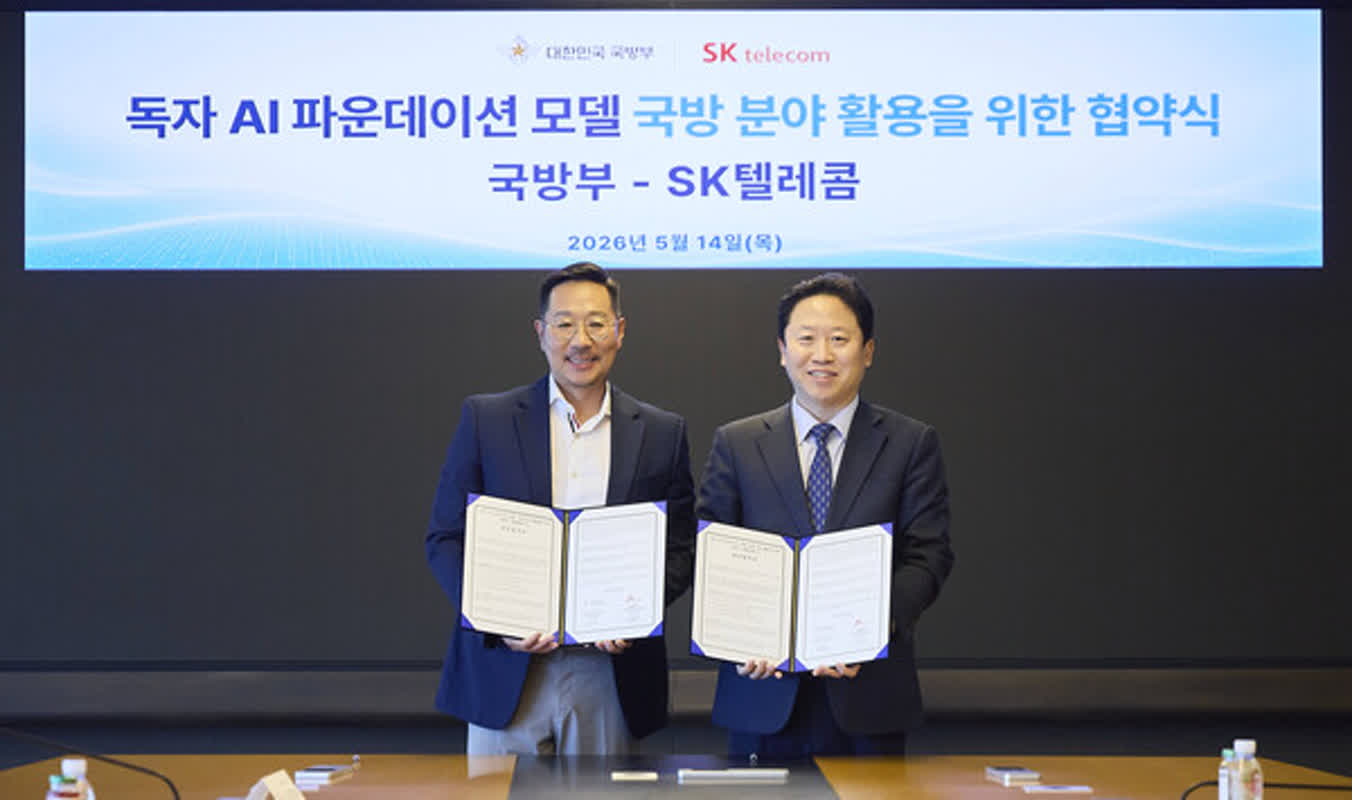
On April 20, the Korea Forest Service and DAPA signed a memorandum of understanding at the Forest Aviation Headquarters in Wonju, Gangwon Province, to strengthen the national wildfire disaster response.
The accord seeks to integrate cutting-edge defense capabilities into wildfire operations, improve on-scene effectiveness, and fundamentally change how authorities combat the larger, more frequent fires driven by climate change.
Under the agreement, the two agencies will identify convergent technologies through interagency cooperation and establish a national strategic response framework.
Key initiatives include exchanging technology and policy to implement comprehensive wildfire-prevention measures; identifying research and projects that apply advanced defense technologies to wildfire response; collaborating on acquisition of firefighting equipment; and developing an AI-based wildfire suppression system for military helicopters.
They are also researching ways to improve the accuracy of helicopter water drops by applying K-Defense precision-strike technologies, and advancing a Korean wildfire defense architecture dubbed \"Fire Dome.\"
DAPA said it will expand civilian transfer of defense technologies to foster new industries and promote wider adoption across sectors, including forestry.
Park Eun-sik, commissioner of the Korea Forest Service, called the move a turning point for integrating advanced K-Defense technologies into wildfire response. \"We will further strengthen the nation's wildfire response capabilities through science and technology,\" he said.
Lee Yong-chul, commissioner of DAPA, said, \"Using defense technologies in disaster response will improve operational efficiency while creating a virtuous industrial cycle through civilian spin-offs.\"