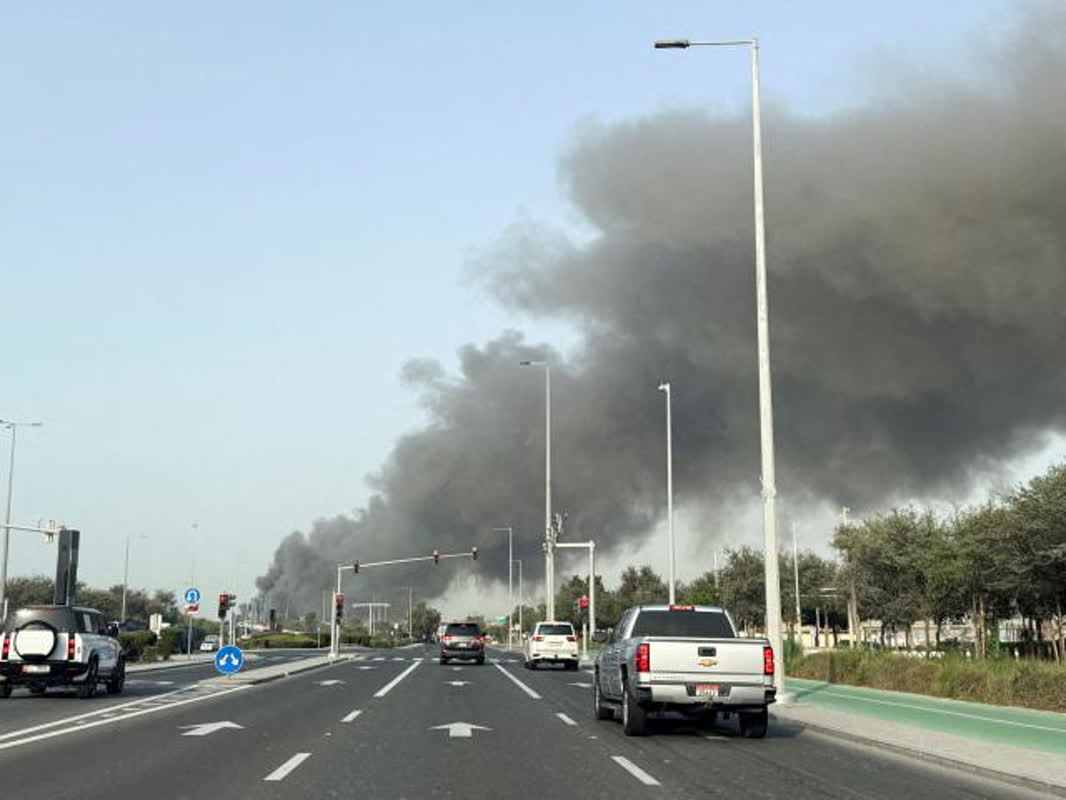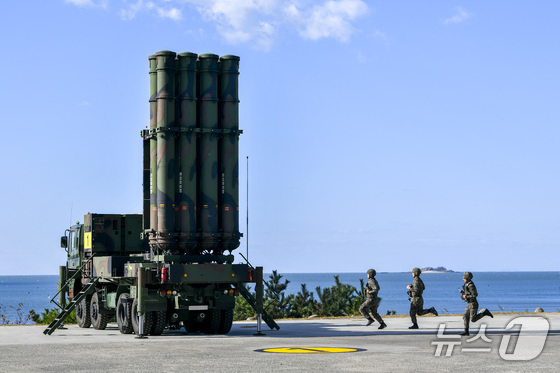
The Financial Times (FT) on the 11th (local time) examined how South Korea’s domestically built medium-range interceptor, the Cheongung-II (M-SAM), fielded in the United Arab Emirates, has emerged as a major beneficiary of the war with Iran.
FT said the conflict has lifted the share prices of South Korean defense firms that offer a cheaper alternative to the Patriot, and that the success of LIG Nex1’s Cheongung-II has focused attention on a rapidly growing Korean defense sector.
Describing the Cheongung-II as “an inexpensive rival to the Patriot,” FT noted the system has already been sold to Saudi Arabia, Iraq and the UAE and is priced well below competing systems.
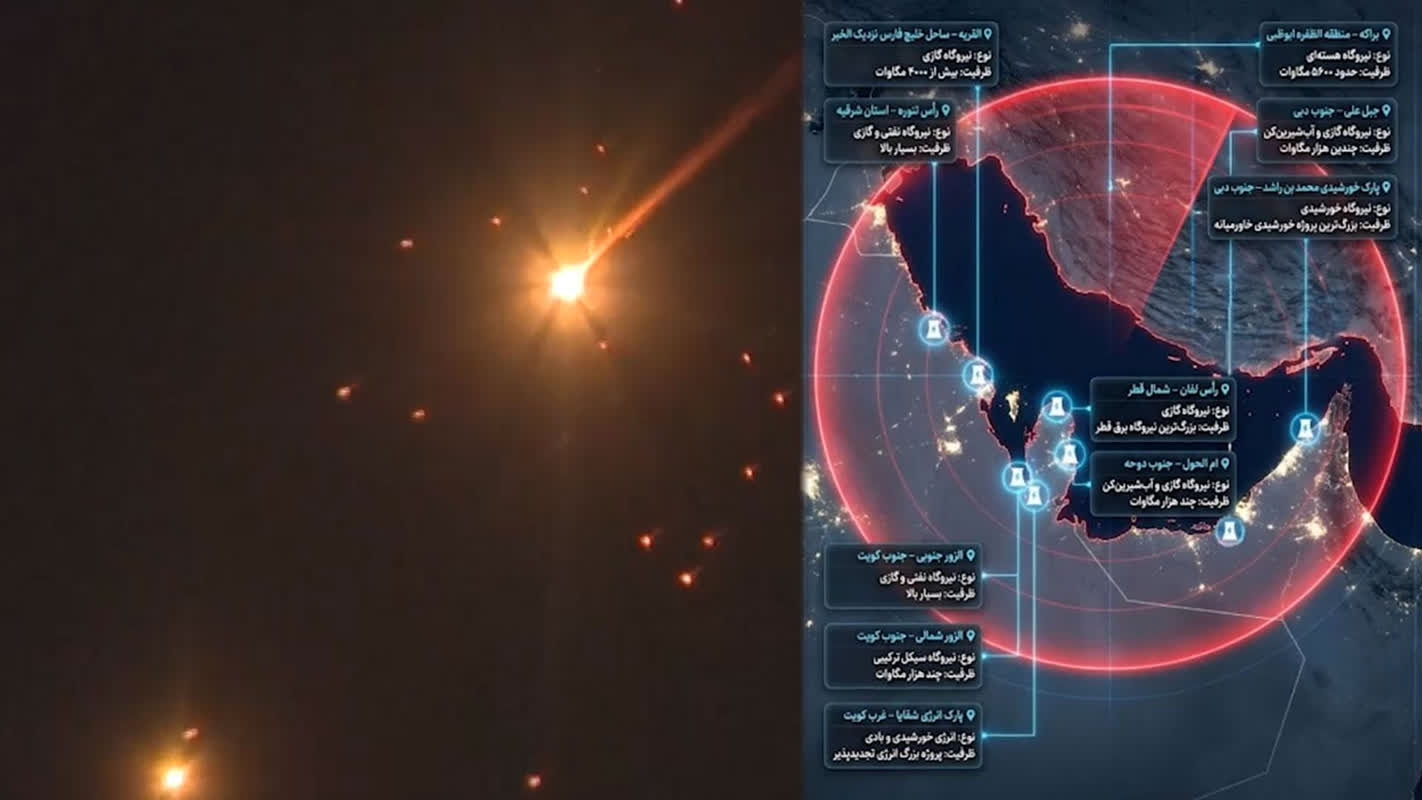
The Cheongung-II saw its first combat use when it intercepted multiple Iranian missiles fired at the UAE after the outbreak of hostilities.
After signing a 2022 contract to acquire 10 Cheongung-II batteries from South Korean defense firms, the UAE has so far deployed two batteries. UAE officials reportedly asked Seoul for earlier deliveries after the deployed batteries achieved a reported 96% interception rate during recent Iranian strikes.
Demand for interceptor missiles—the backbone of layered air defenses—has spiked as Iran has launched hundreds of ballistic rockets and drones at neighboring countries. Suppliers are struggling to keep pace, raising concerns about stock shortages if the conflict continues.
Last year, U.S. defense contractor Lockheed Martin produced roughly 620 Patriot PAC-3 missiles, at an estimated cost of about $3.7 million per missile.
Hwang Eon, an analyst at Nomura Securities, told FT that Patriot delivery lead times run about four to six years. By contrast, LIG Nex1 is expanding capacity and could boost output within nine to 12 months by adding a second shift, with its missiles costing roughly $1.1 million each.
“Now that the system’s performance has been proven, we should see much higher demand from the Middle East and Europe,” Professor Kim Ho-seong of Changwon National University’s Graduate School of Advanced Defense Engineering told FT.
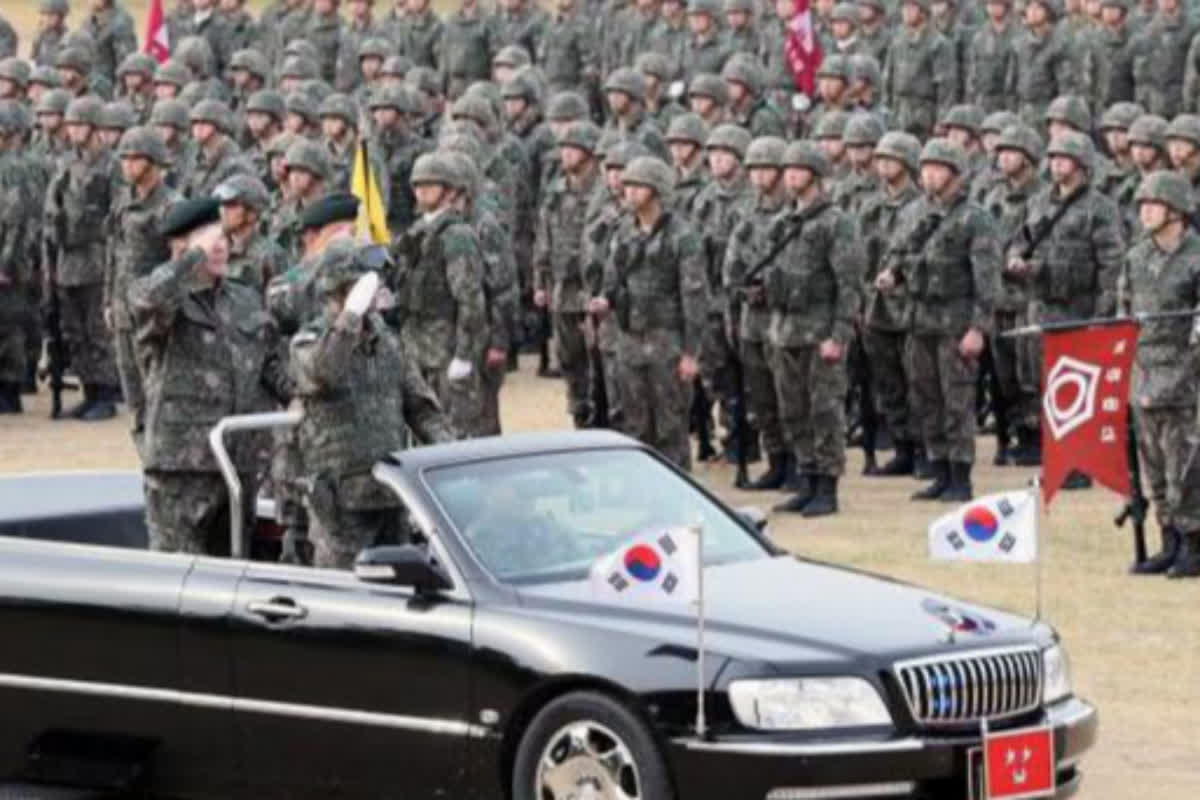
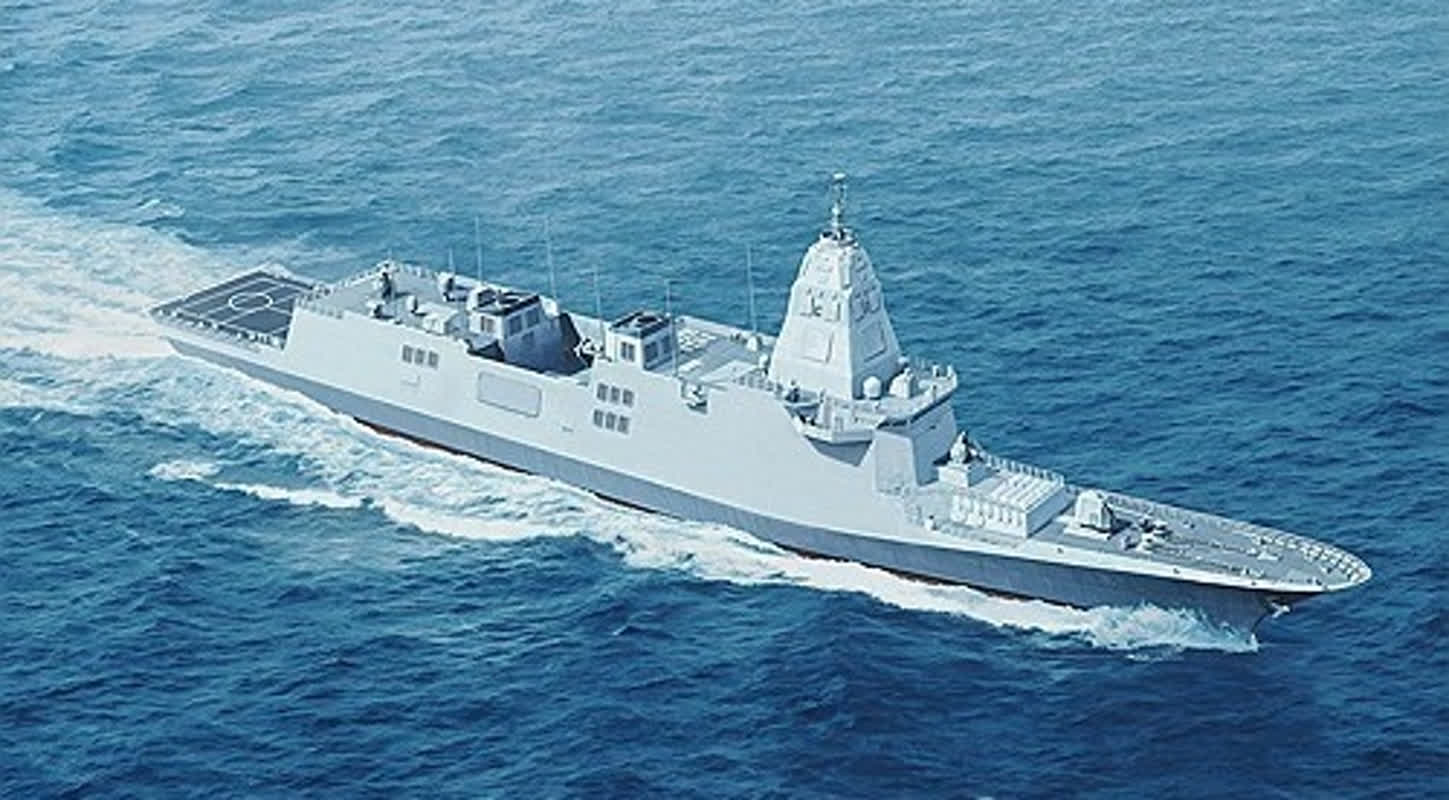
FT introduced the term “K-defence” to describe South Korea’s defense industry and said it has prospered in recent years amid a global wave of rearmament.
According to the Stockholm International Peace Research Institute (SIPRI), South Korea is the world’s ninth-largest arms exporter, with about a 3% share of the global market. From 2020 to 2024, 53% of Korean defense exports went to Europe, with Poland accounting for 46% of that total.
After the war in Ukraine began in 2022, Poland bought roughly $22 billion worth of Korean systems—including K2 tanks, K9 self-propelled howitzers, Chunmoo multiple-launch rocket systems and FA-50 light attack aircraft. Last year, Poland placed an additional $6.5 billion order for 180 K2 tanks.
Poland’s purchases have served as a foothold for South Korean defense firms in Europe. Norway last month selected the Chunmoo rocket system over the U.S. HIMARS and signed a deal worth about $2 billion. Estonia also recently agreed to acquire Chunmoo launchers valued at €290 million (about $310.3 million).
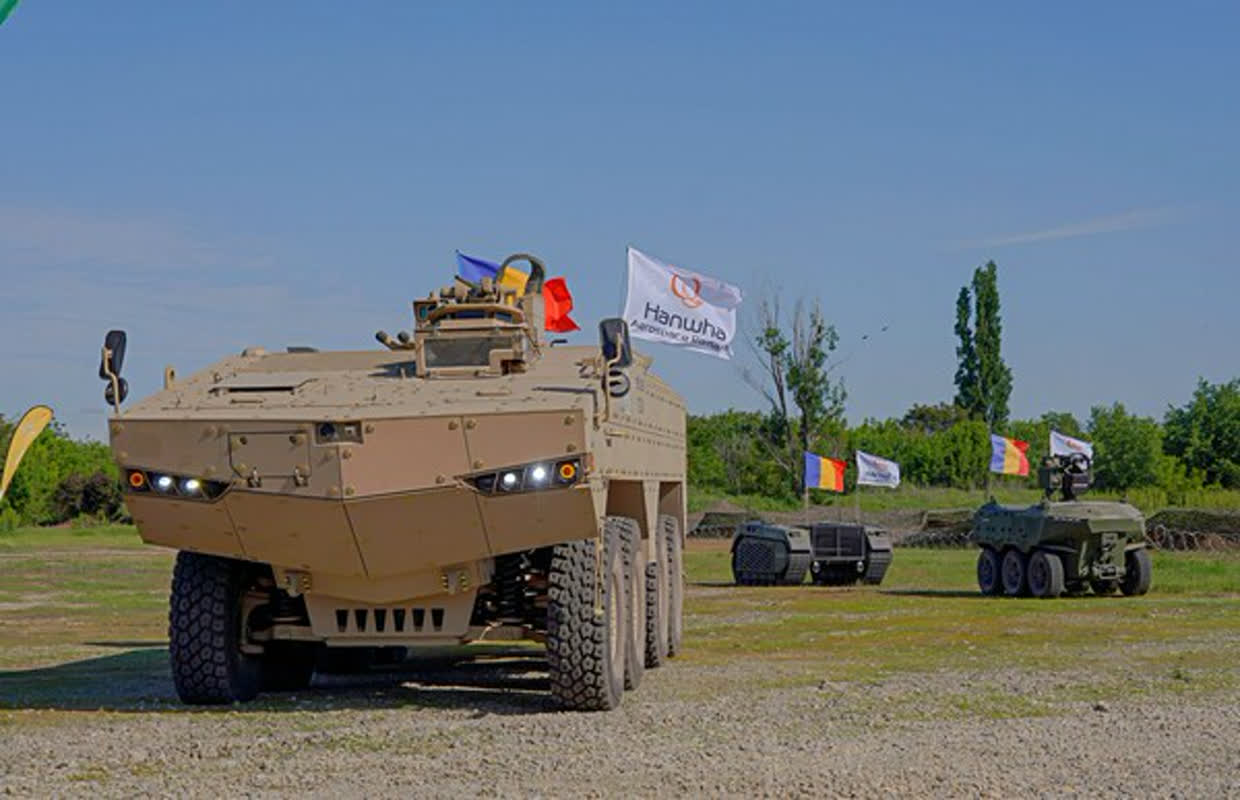
Investors have taken notice: FT reported that shares of major South Korean defense companies—including LIG Nex1 (079550), Hanwha Aerospace (012450), Hyundai Rotem (064350) and Korea Aerospace Industries (047810)—have risen several-fold over the past year.