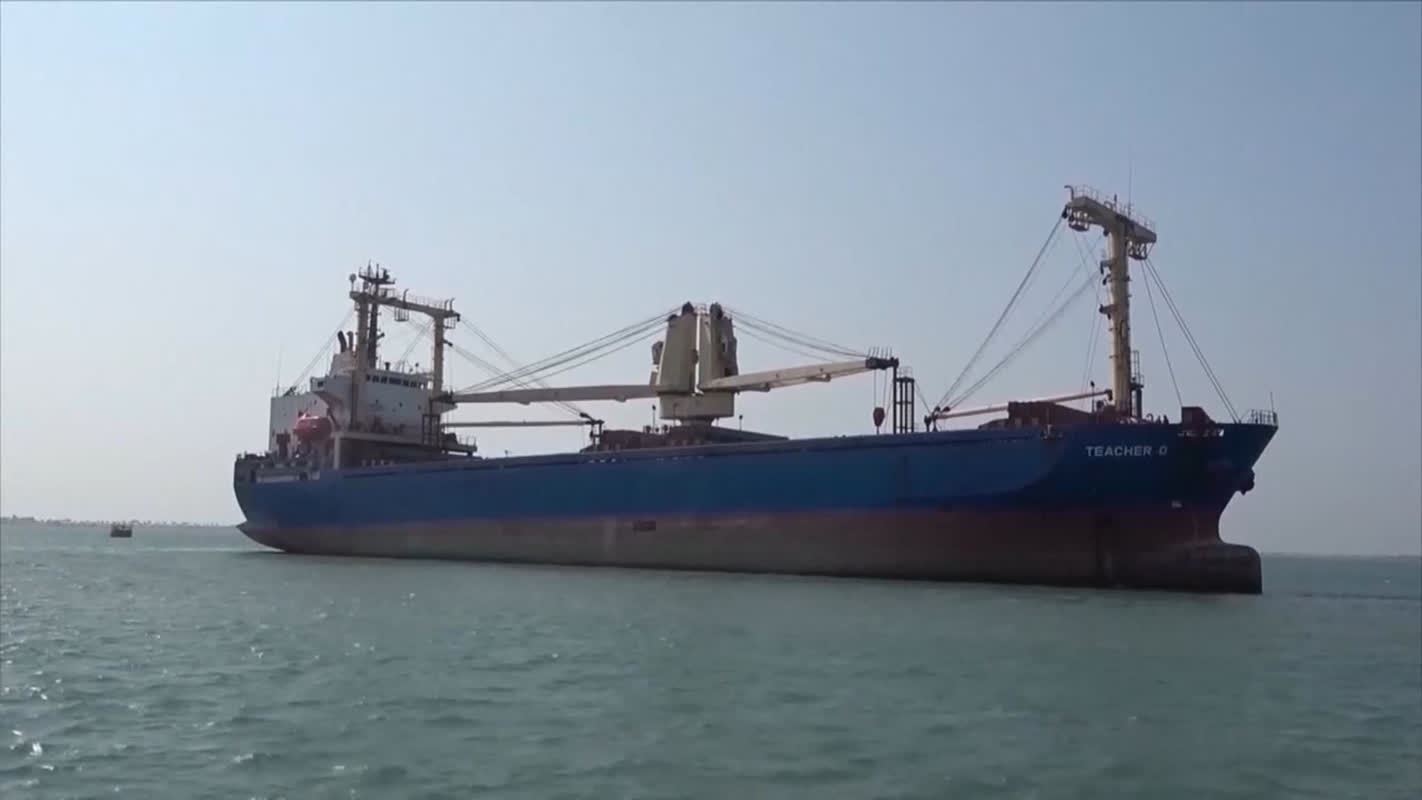
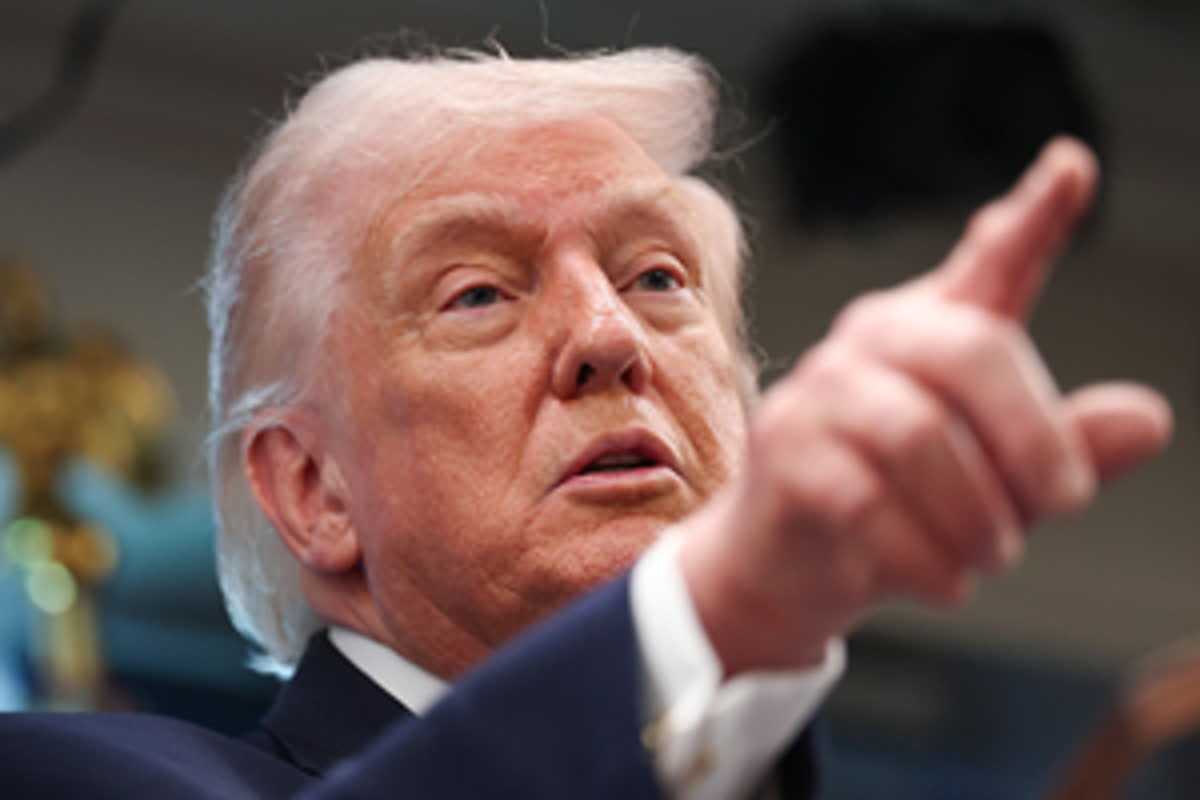
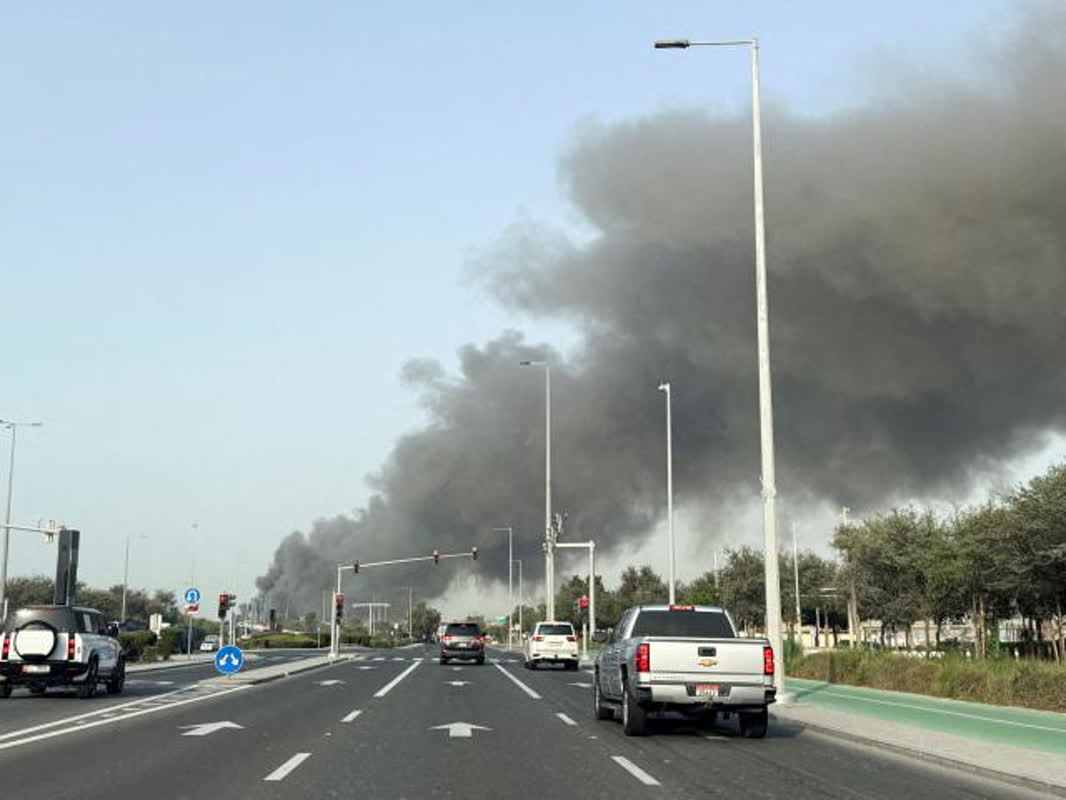
President Donald Trump has pressed countries to dispatch warships to escort shipping through the Strait of Hormuz, but major nations are signaling they will refuse. Japanese media report that even after legal review, the government considers such a move “about 99% impossible.”
On the 15th (local time), The Telegraph reported that Tokyo is considering deploying mine‑clearance drones (unmanned systems) but is not planning to send additional warships beyond those already at sea to secure oil shipping lanes.
The paper added that France, Germany and South Korea have also indicated they do not intend to comply with the U.S. president’s request, and that the international community fears the conflict could become a prolonged one.
France’s Defense Ministry said on the 15th it will maintain a “defensive and protective” posture and will not be drawn into a conflict led by the United States and Israel.
The Guardian likewise reported that France has refused to dispatch warships or deploy additional forces to the strait, quoting foreign ministry officials who said their current military posture is intended to preserve regional stability rather than expand the conflict.
Australia was not among the five countries Trump named on his Truth Social account, but Canberra — a likely target for a U.S. request — has made clear it will not send warships.
Australian Transport Minister Catherine King told ABC Radio on the 16th that Australia has been explicit about the contribution it would make: to date Canberra has provided aircraft to the United Arab Emirates to support defensive measures. “We will not deploy warships to the Strait of Hormuz. We have not received a request, and we have no plans to provide that support,” she said.
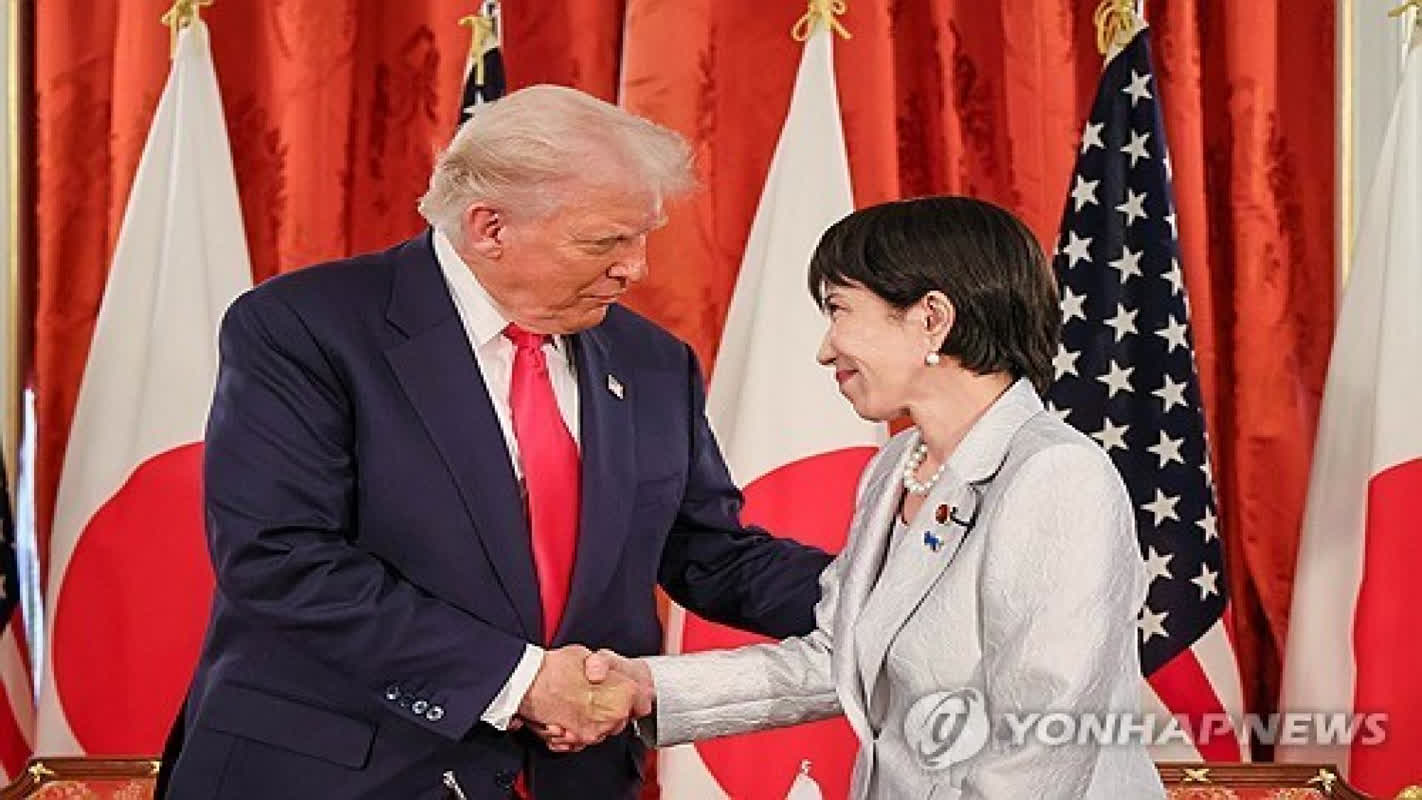
Japan, which is scheduled to hold a summit with Trump on the 19th, has taken a cautious approach and is unlikely to dispatch vessels.
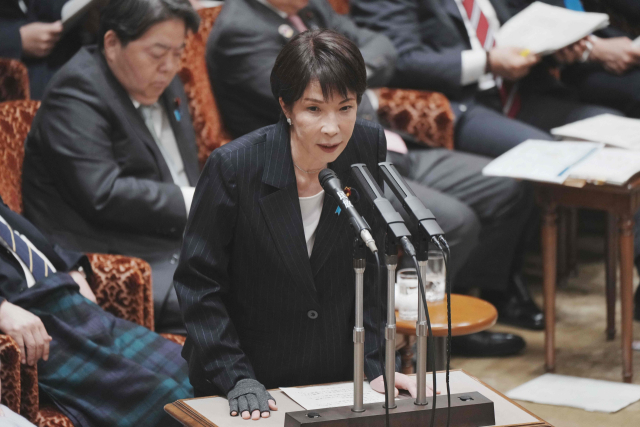
Jiji Press reported on the 16th that Prime Minister Sanae Takaichi told the Upper House Budget Committee that, if the U.S. raises the issue at the summit, Tokyo will “review every measure within the scope of the law to protect the lives of Japanese ships and crew.”
Takaichi said Japan would discuss the matter at the U.S.-Japan summit “in light of Japan’s position and the goal of early de‑escalation in the Middle East,” and that officials are reviewing response options regarding an actual naval deployment. Defense Minister Shinjirō Koizumi said Japan is not considering a Self‑Defense Forces deployment at this time.
Officials said they are examining whether the 2015 security laws would permit a dispatch. Under the revisions, Japan could send the Self‑Defense Forces if it recognizes a “situation in which Japan’s survival is threatened and there is a clear danger that the rights of the people would be overturned from the roots,” but meeting that standard would be very difficult.
To qualify as a threat to Japan’s survival, the law requires either (1) an armed attack on a country closely related to Japan, or (2) a clear danger that Japan’s existence and the fundamental life, freedom and rights of its people would be undermined. Inside the government, a source told reporters that the threshold makes such a dispatch “about 99% impossible.”
The 2015 revisions also included a provision for “situations with significant impact,” under which the Self‑Defense Forces can support rear areas of U.S. or other foreign forces if a situation would have a major impact on Japan. Officials say that, too, implies a scenario that could lead to a direct armed attack on Japan if unchecked, so the bar remains high.
Because the Self‑Defense Forces are barred from operating in active combat zones except when Japan’s survival is at stake, SDF officials worry that even with authorization a deployment would leave them with few meaningful tasks.
Officials said they have also discussed deploying personnel for “research and investigation” under the Defense Ministry Establishment Law or special measures law, but they added that any legal cover would face the political reality that “dispatch before the end of hostilities would be difficult.”
Former Prime Minister Shinzo Abe cited mine‑clearing in the Strait of Hormuz in 2015 as a concrete example of a situation that could threaten Japan’s survival. But during Diet debates at the time he also said Japan would not support an illegal preemptive attack, making it politically difficult for the government to use that rationale as a pretext for action, officials said.
After Trump suggested he might delay a U.S.-China summit as leverage, Lin Jian (林剑), a Foreign Ministry spokesman, told a regular briefing on the 16th that “summit diplomacy plays an irreplaceable strategic guiding role in U.S.-China relations,” and that “both sides remain in continuous contact regarding President Trump’s visit to China,” state‑run Xinhua News Agency reported.
Lin Jian said the escalation of tensions in and around the Strait of Hormuz is crippling international goods and energy trade routes and undermining regional and global peace and stability. He reiterated that China calls on all parties to stop military operations immediately, exercise restraint, and minimize the negative impact regional instability has on global economic development.
He added that China is communicating with all parties and working to ease tensions.
Meanwhile, The Telegraph reported that JPMorgan described the U.S. airstrike on Kharg Island, Iran’s major oil export hub, on the 13th as an escalation of the conflict and warned of “serious supply shortages” in energy and key commodities around the coming weekend. As of the 16th, Brent crude was trading at about $105.66 a barrel and U.S. crude (WTI) at about $100.22 a barrel.