Japan Unveils New Electronic Warfare Aircraft
EW Aircraft: A Core Asset for Future Battlefields
South Korea Advances Its Own EW Platform
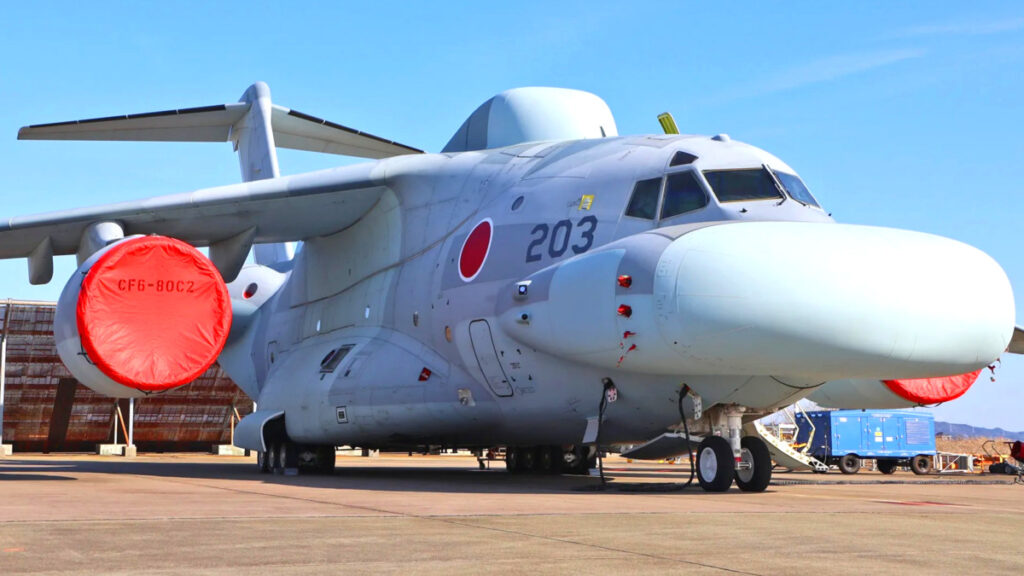
Japan successfully completed the first flight test of its next-generation electronic warfare aircraft, the EC-2, marking the start of a more intense push among regional powers to field dedicated EW platforms.
Tokyo previously operated the Kawasaki EC-1 as an electronic warfare asset before retiring it. Development of the EC-2 began in 2021 as a direct replacement for that fleet.
Dubbed by Some as the World’s Ugliest EW Plane
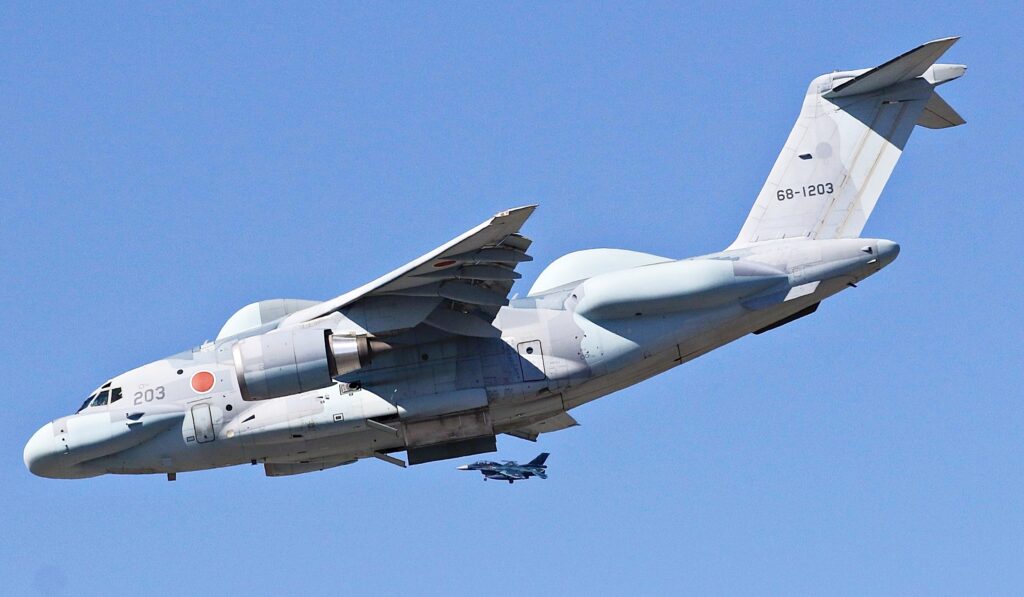
The EC-2’s airframe features a noticeably bulbous forward fuselage and large, convex fairings atop and behind the fuselage that house radar and electronic systems.
That unusual profile prompted The War Zone to call the EC-2 “the world’s ugliest aircraft.” Despite the criticism of its looks, the outlet noted the platform’s potential significance as the Japan Air Self-Defense Force modernizes toward electromagnetic-domain dominance.
Japanese officials said they based the design on the C-2 transport to maximize onboard payload and enable robust radio-frequency jamming capabilities. Tokyo plans to field a total of four EC-2s.
EW Aircraft Are Growing Strategically Important
Japan’s effort to field a new EW aircraft underscores how critical these platforms have become. With the increasing reliance on radar and networked systems, electronic warfare assets can disrupt or neutralize enemy radars, communications, and other electronic systems with powerful emissions.
On modern, radar-dependent battlefields, a small number of well-equipped EW aircraft can act as force multipliers and decisively shift the tactical picture.
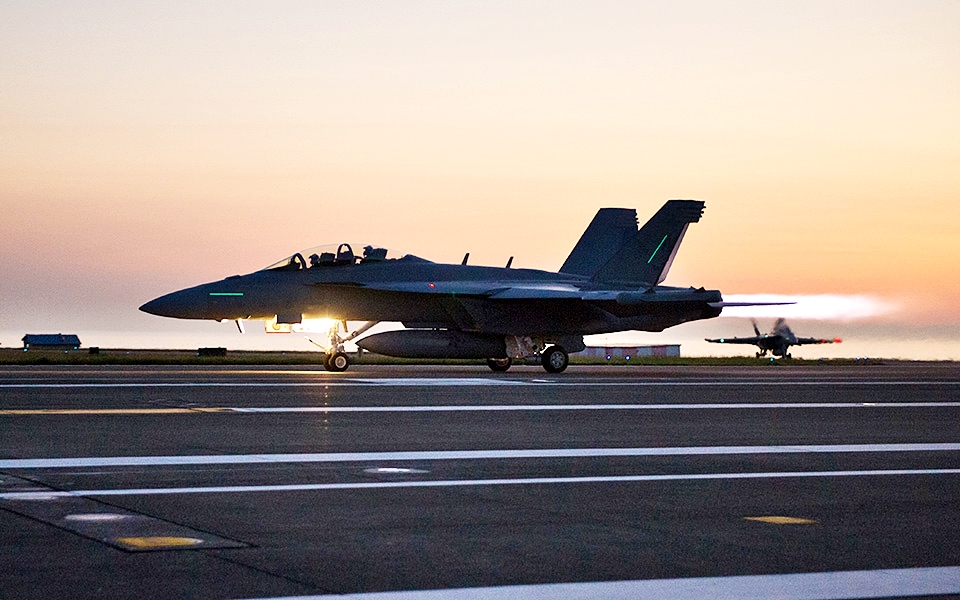
For instance, the U.S. EA-18G Growler has, in training scenarios, suppressed an F-22’s radar and then supported follow-on actions that resulted in a simulated shoot-down during the exercise.
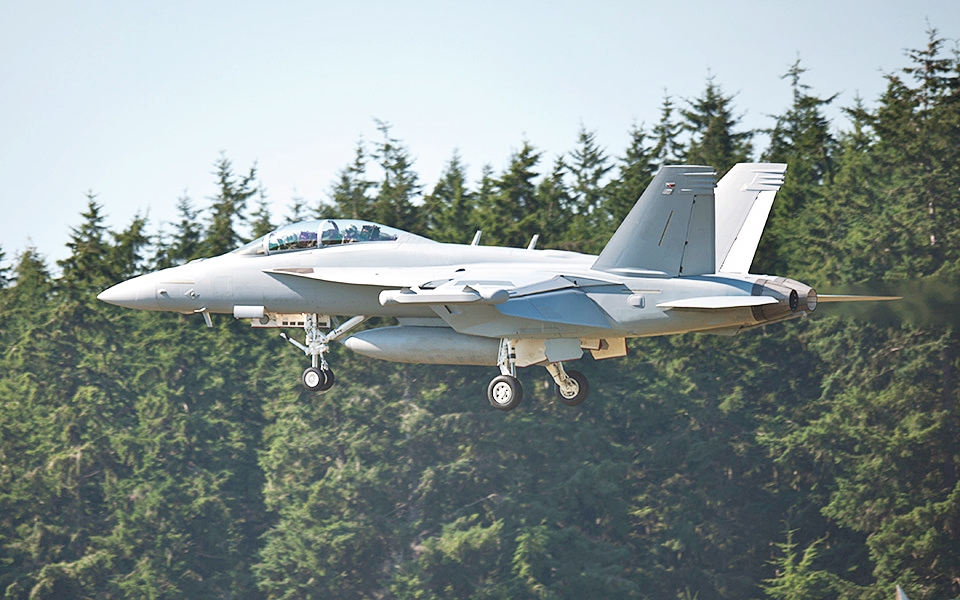
Because of those effects, governments worldwide are investing heavily to acquire capable EW platforms. China, for example, is developing multiple stand-off and escort jammers.
South Korea Developing an Indigenous EW Aircraft
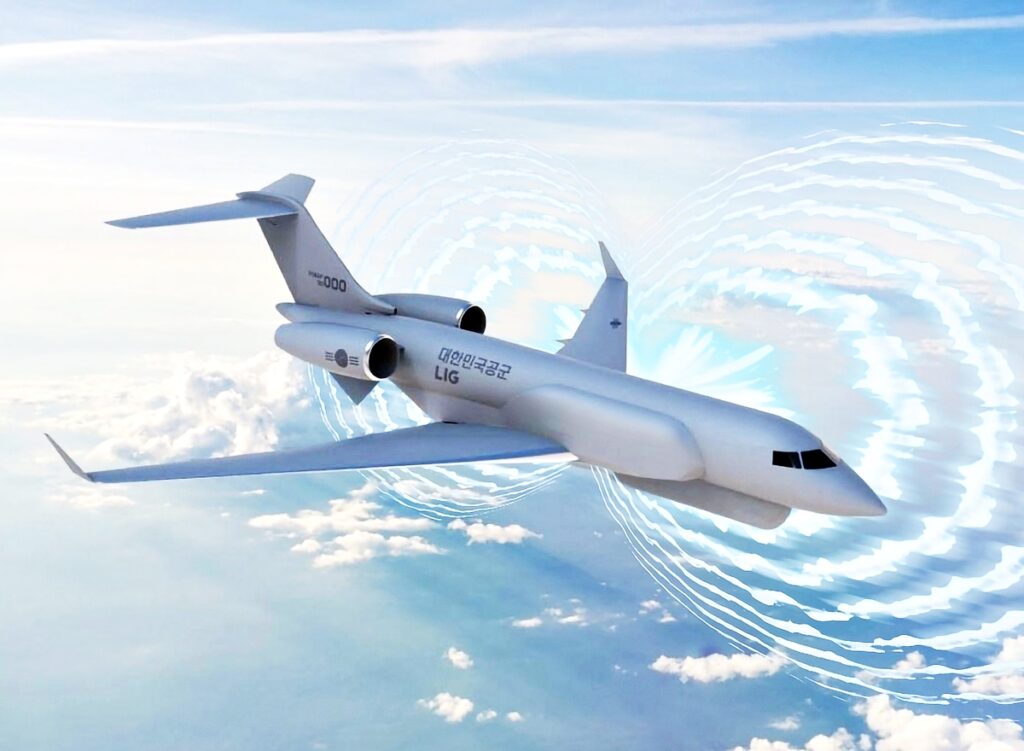
With neighbors fielding new EW platforms, Seoul sees an urgent need to develop its own capability. South Korea plans to produce four stand-off jammers built on domestic technology to support an indigenous EW aircraft.
The program’s budget exceeds 1.9 trillion KRW (approximately 1.425 billion USD), and officials aim for operational deployment by 2034.
Whereas South Korea’s current EW systems largely enhance the survivability of friendly aircraft, the new platform is intended to degrade or disable enemy communications, electronic systems and radars — with the goal of decisively altering the course of battle.
A defense-industry official said the Korean EW aircraft could become a milestone that reshapes the paradigm of future warfare, and many military leaders are closely watching the program’s progress.