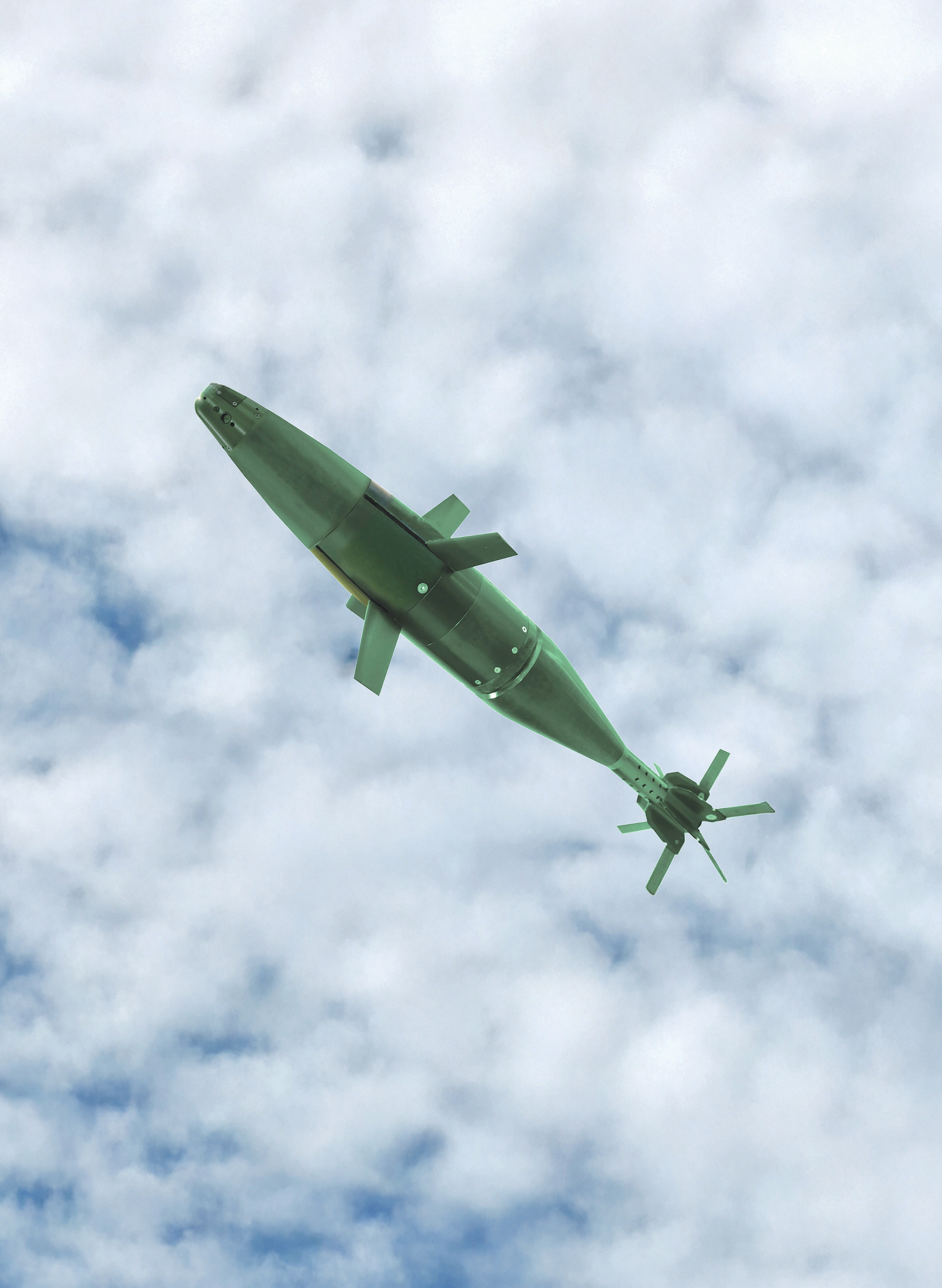
Development and Operational Use of Israel’s 120mm Precision-Guided Mortar Rounds
Min-gyu Yoo, Lieutenant Colonel, Army — Head of Intelligence Collection, UNIFIL (United Nations Interim Force in Lebanon)
Hyun-seok Hwang, Principal Researcher, Special Technology Planning Team, Hyundai WIA
This article reviews Israel’s development and combat employment of 120mm precision-guided mortar rounds to draw lessons applicable to future upgrades of the Republic of Korea’s 120mm self-propelled mortar systems and potential defense exports.
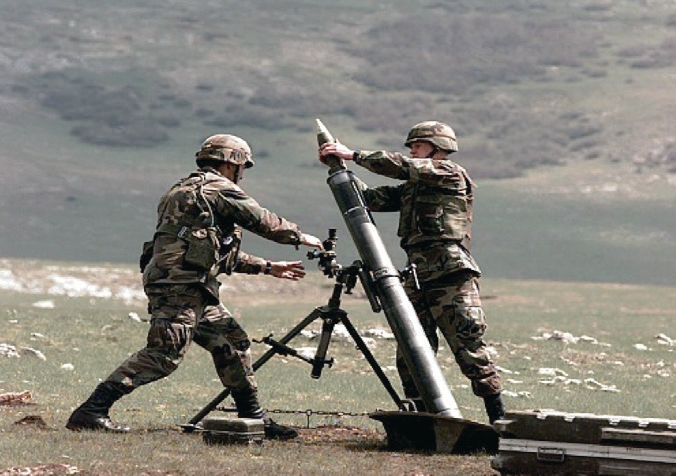
Towed (K6)
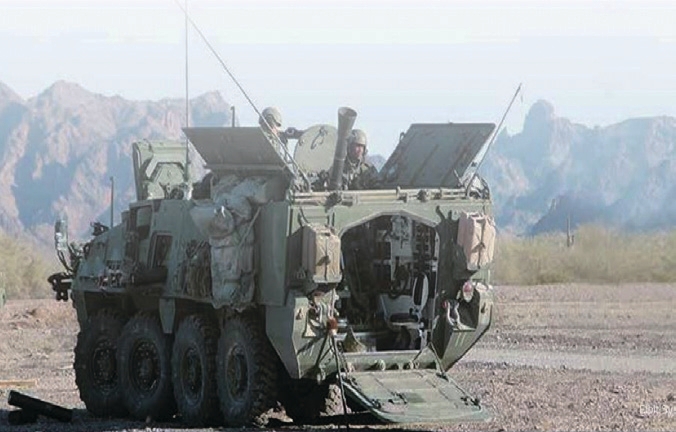
Armored vehicle-mounted (CARDOM)
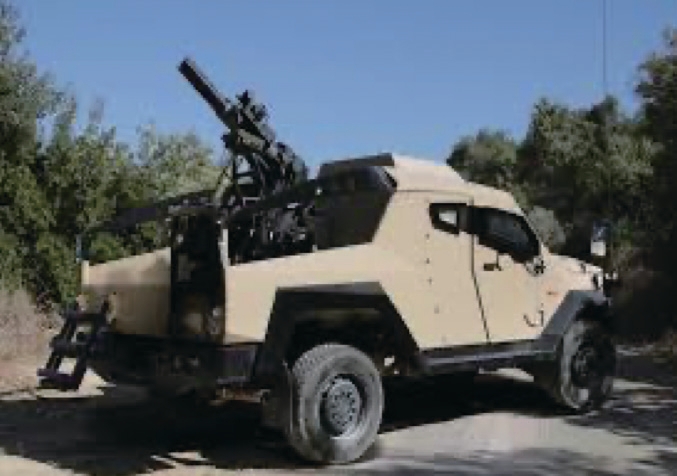
Light vehicle-mounted (SPEAR)
[Figure 1] Israel’s 120mm Mortars
* Source: Elbit Systems
Israel Defense Forces 120mm Mortar Systems
The IDF fields three primary 120mm mortar configurations: towed, armored-vehicle mounted, and light-vehicle mounted. Soltam Systems developed the towed K6 to replace the older 4.2-inch mortar. Soltam also produced the CARDOM (Computerized Autonomous Recoil Rapid Deployed Outrange Mortar) for armored vehicles; its automated navigation and fire-control enable rapid first-round fires. After Elbit Systems acquired Soltam, it developed the SPEAR system, which reduces firing recoil enough to permit employment from light vehicles.
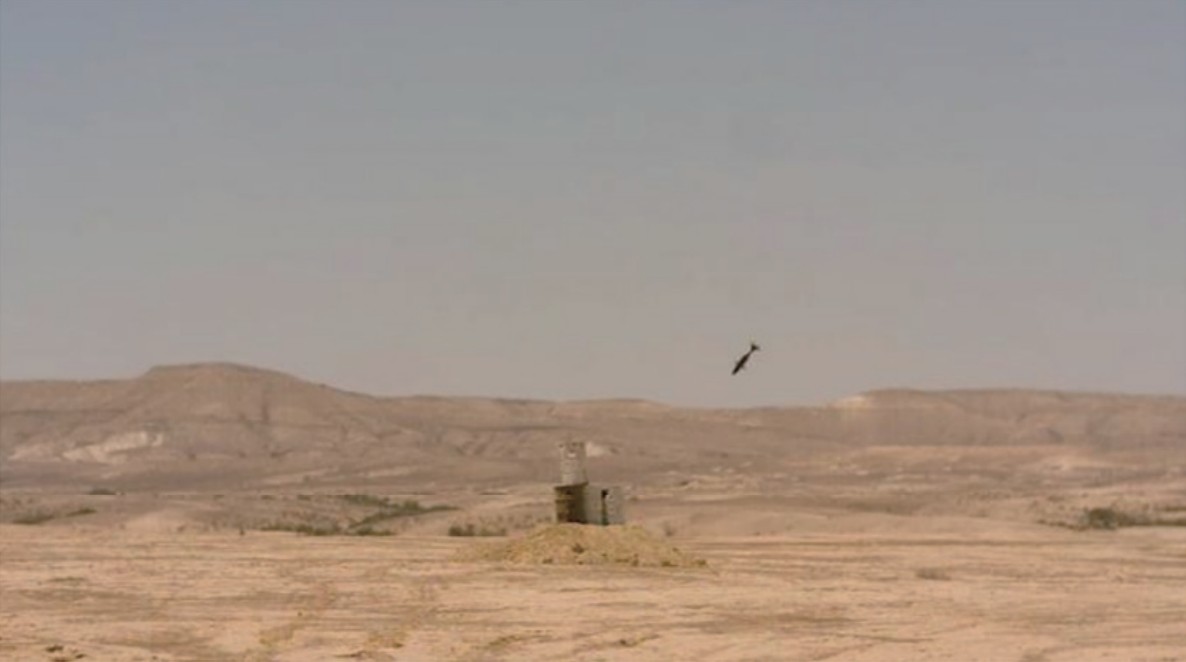
[Figure 2] Target-impact test of the Iron Sting precision-guided mortar round
* Source: Israeli Ministry of Defense
Mortars are valued for high-angle fires, making them a preferred support weapon for small infantry units operating in mountainous terrain. U.S. 82nd Airborne Division mortar teams have famously referred to that effect as “High Angle Hell.”
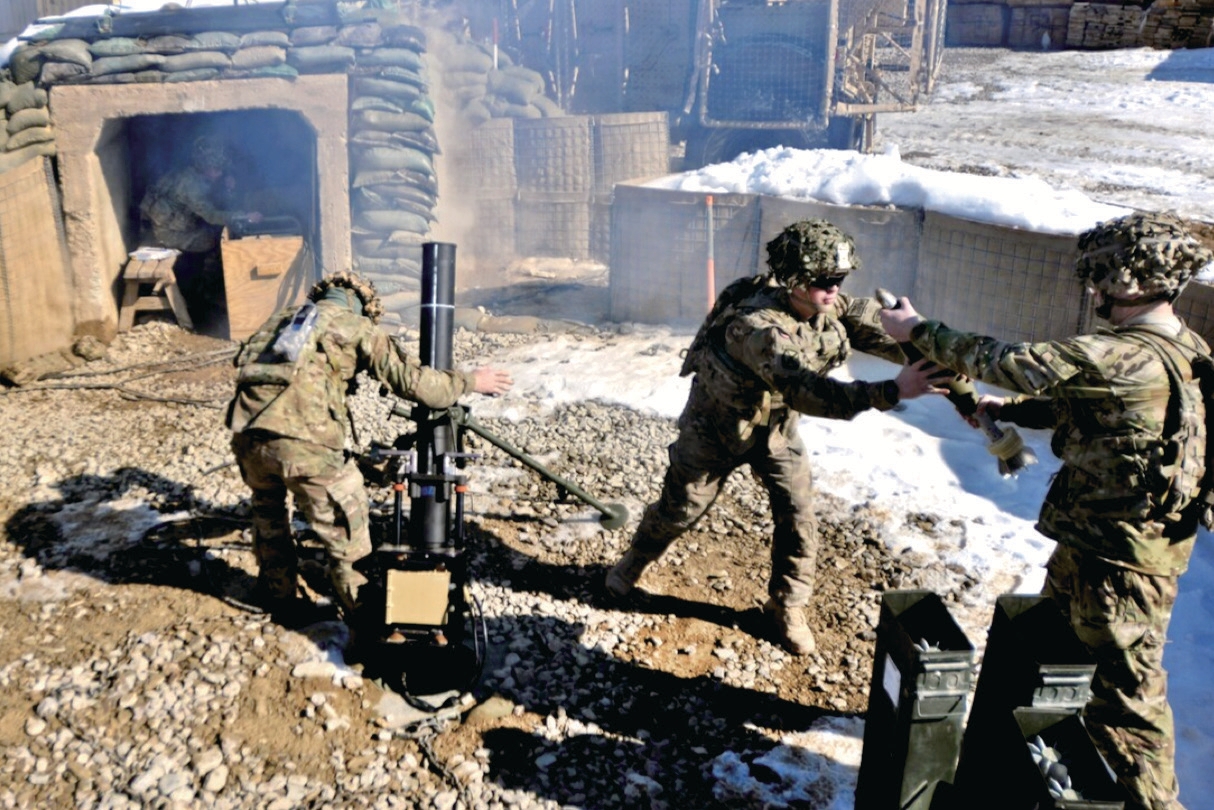
[Figure 3] U.S. troops conducting 120mm mortar training at a forward base in Paktia Province, Afghanistan, Jan. 17, 2014
* Source: U.S. Department of Defense
Despite their utility, high-angle firing typically limits accuracy. To address that shortcoming, forces are integrating automated fire-control systems and guided munitions. For urban operations, Israel developed the Iron Sting 120mm mortar round, capable of precision strikes with a circular error probable (CEP) of under 1 meter. The IDF employed it in combat for the first time during operations in the Gaza Strip in 2023.
The Israeli 120mm family includes both conventional and guided rounds. [Figure 4] and [Table 1] outline their shapes and specifications.
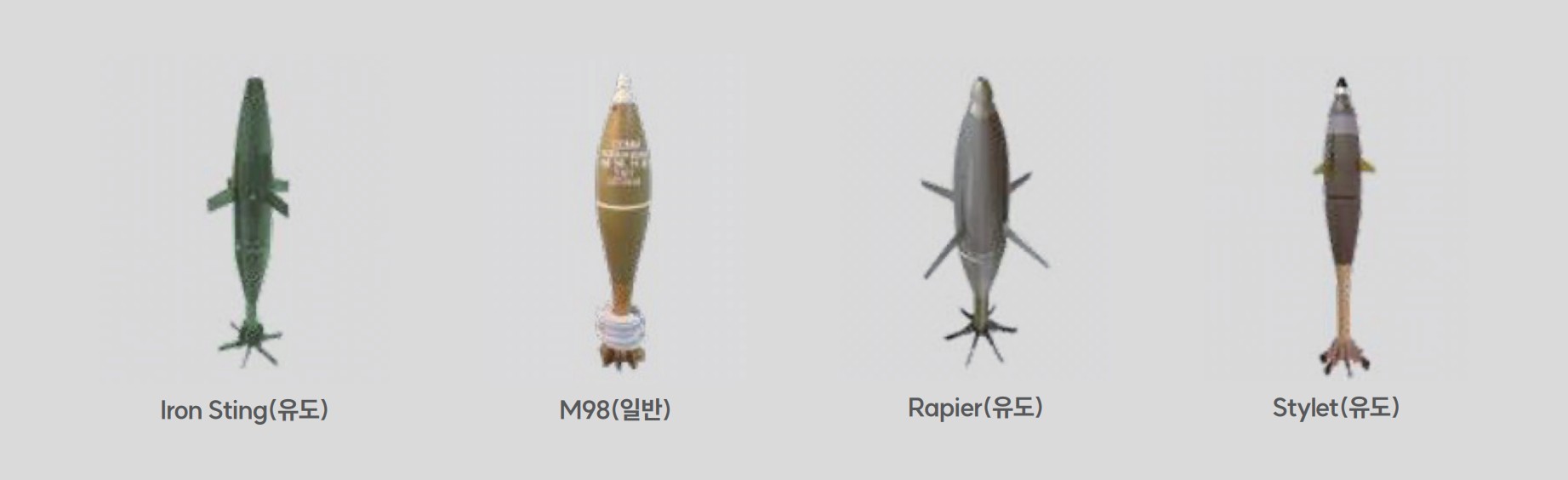
[Figure 4] Israeli 120mm mortar ammunition
* Source: Elbit Systems
The M98 general-purpose mortar round has a maximum range of 8 km and a 3 kg warhead. Guided rounds use GPS/INS navigation: Stylet reaches about 8.5 km; Rapier is a range-extended variant (approximately 15 km); and Iron Sting combines laser and GPS guidance to achieve CEP under 1 m and to penetrate reinforced concrete.
Rounds fitted with retrofit precision-guidance kits achieve CEPs under 1 m when laser-guided and within 10 m when GPS-guided. Unlike Iron Sting, these kit-equipped rounds are intended for soft targets. For exportability, the kits are compatible with NATO laser-designator standards (STANAG 3733).
[Table 1] Specifications of Israeli 120mm mortar ammunition
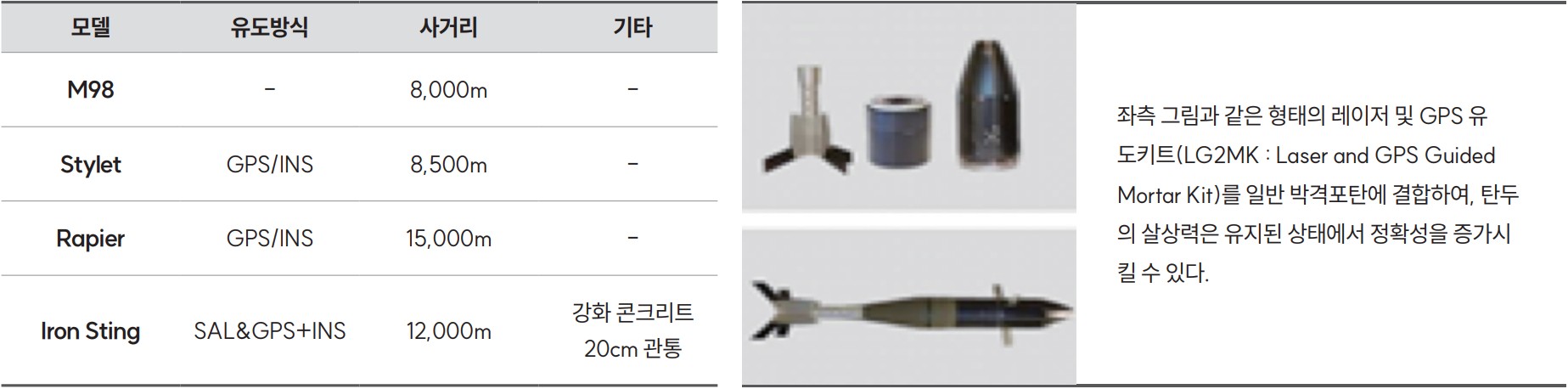
* SAL : Semi Active Laser
Why Guided Mortar Rounds?
Israel’s push for precision-guided mortar ammunition stems from its operational environment and the nature of local threats. Urban operations in densely populated areas such as Gaza and southern Lebanon demand rapid, accurate fires that limit collateral damage. Conventional 120mm rounds, while simple to employ and lethal, have CEPs measured in tens of meters and carry a substantial risk of civilian harm. That risk creates significant legal and political pressure on decision-makers.
Non-state actors like Hamas and Hezbollah operate within civilian populations and employ small rockets and mortars from among civilians. In that context, traditional mortar fire often required multiple adjustments, delaying effective strikes. Israel therefore sought a first-round-hit capability through guided mortars. At the same time, adopting precision weapons also served Israel’s interest in demonstrating lawful and proportionate use of force and supporting defense exports.
Iron Sting 120mm Precision-Guided Mortar Round
Development and Fielding
Elbit Systems led development of the Iron Sting under an IDF force-enhancement program. Development took 10 years. The design builds on GPS/INS navigation and automated fire-control technologies used in earlier guided rounds such as Stylet and Rapier, and adds laser terminal guidance and reinforced-concrete penetration to create an advanced capability.
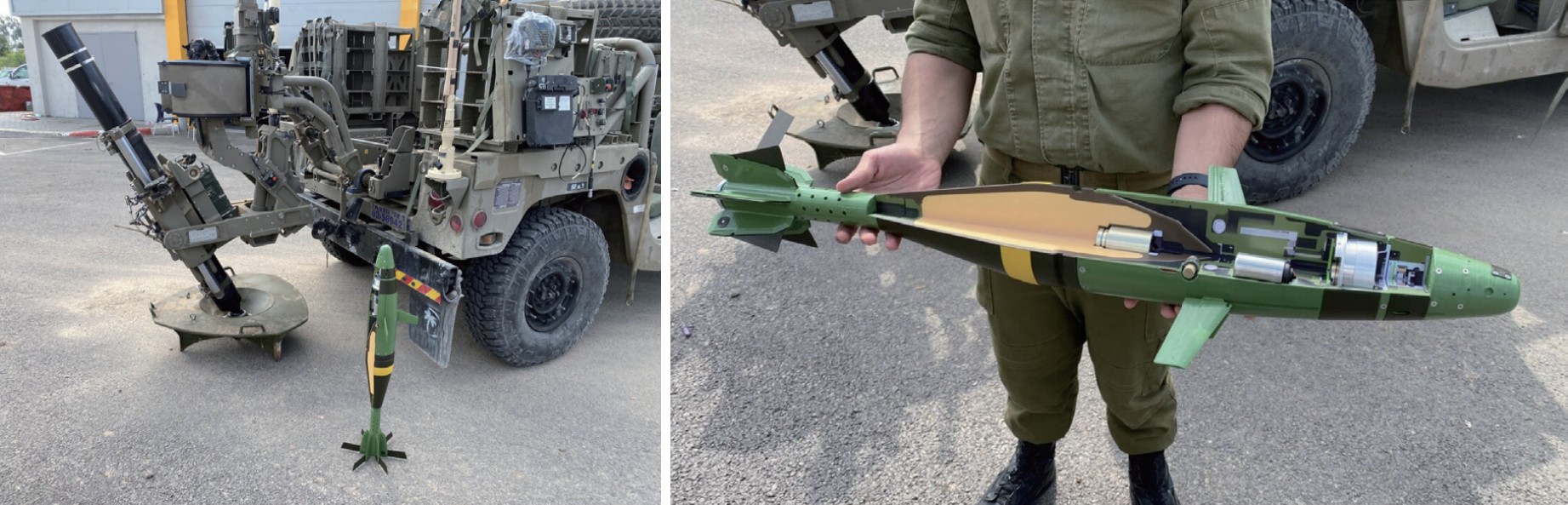
[Figure 5] 120mm mortar mounted on a Humvee and internal layout of Iron Sting
* Source: Breaking Defense
In 2021 Israel conducted live-fire tests of Iron Sting from M113 armored personnel carriers and four-wheel Humvee vehicles in the country’s south. The IDF initially issued the rounds to Sayaret Maglan (Unit 212), an elite special-operations unit that specializes in deep penetration, intelligence collection, and precision strikes. Maglan employed Iron Sting during the 2023 Gaza ground operation. The IDF has since announced plans to field the system more broadly across infantry and armored formations, and the Ministry of Defense reported plans to procure substantial quantities in 2024.
Features
Iron Sting carries a laser seeker and GPS receiver in its nose, with deployable tail fins at the rear. Vehicles carrying 120mm mortars receive target data via a digital network terminal that integrates with the fire-control system.
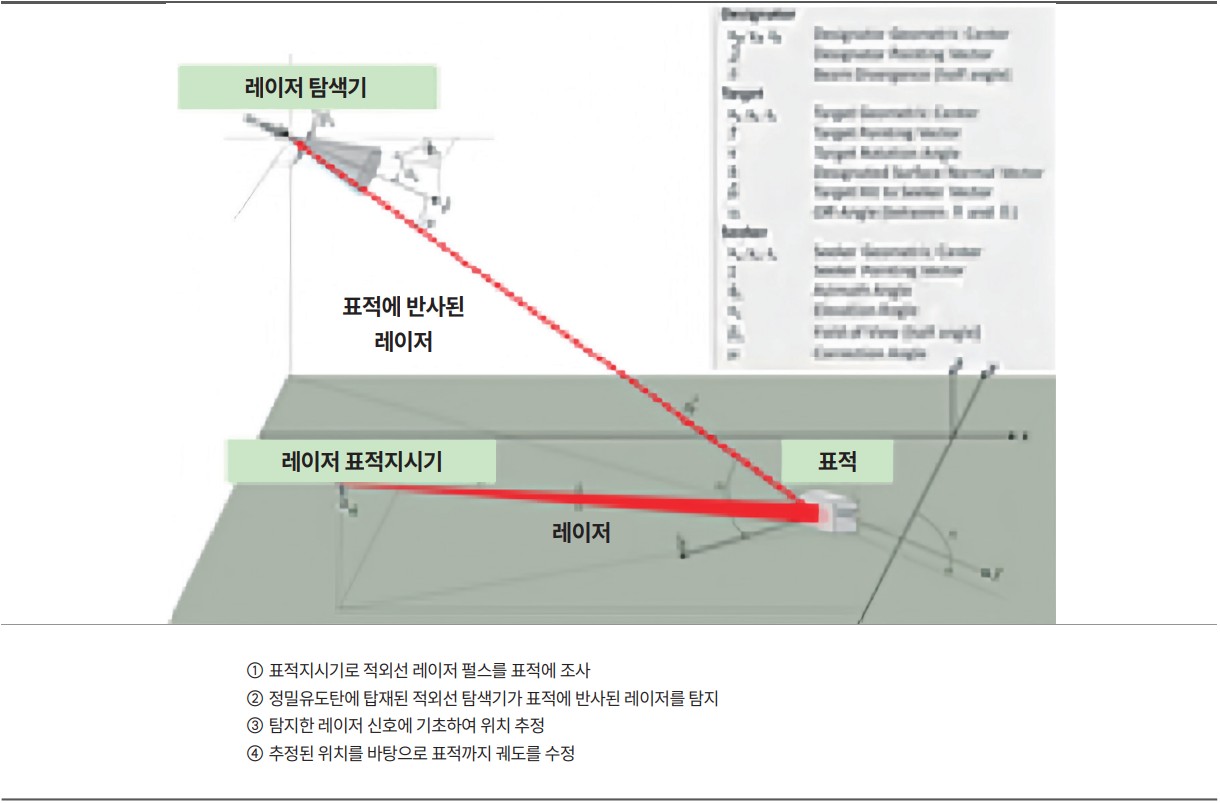
[Figure 6] Concept of Semi-Active Laser guidance (SAL)
* Source: L.S.Strohm, A Terminal Guidance Model for Smart Projectile Employing a Semi Active Laser Seeker, US Army Research Laboratory, 2011
How It Works
Operators input target coordinates and Iron Sting guides itself using both laser and GPS modes. If clouds or fog limit laser designation, the round uses GPS guidance; if GPS signals are degraded or jammed, it can operate in laser-guided mode. [Figure 6] illustrates the semi-active laser (SAL) guidance concept applied to Iron Sting.
After the round is fired on a ballistic arc, it deploys its tail fins at apogee. Those fins, driven by an internal actuator and controlled by an onboard computer, steer the round toward the target. During flight the round seeks a laser-designated point; if laser designation is lost, it reverts to the programmed GPS coordinates.
Where legacy artillery or mortar fires often require multiple rounds to correct ballistic errors, Iron Sting is designed to achieve a first-round hit. Its effective engagement range is roughly 8–10 km, and preparing a shot can take up to 60 seconds.
Combat Use
In 2023 Sayaret Maglan used Iron Sting during ground operations in Gaza to strike Hamas rocket launchers. Maglan’s mission set—penetrating enemy rear areas, collecting intelligence, and destroying high-value targets—made it a natural choice to employ the new round in combat. Its internal weapons-innovation cell and anti-armor expertise aided early operational testing.
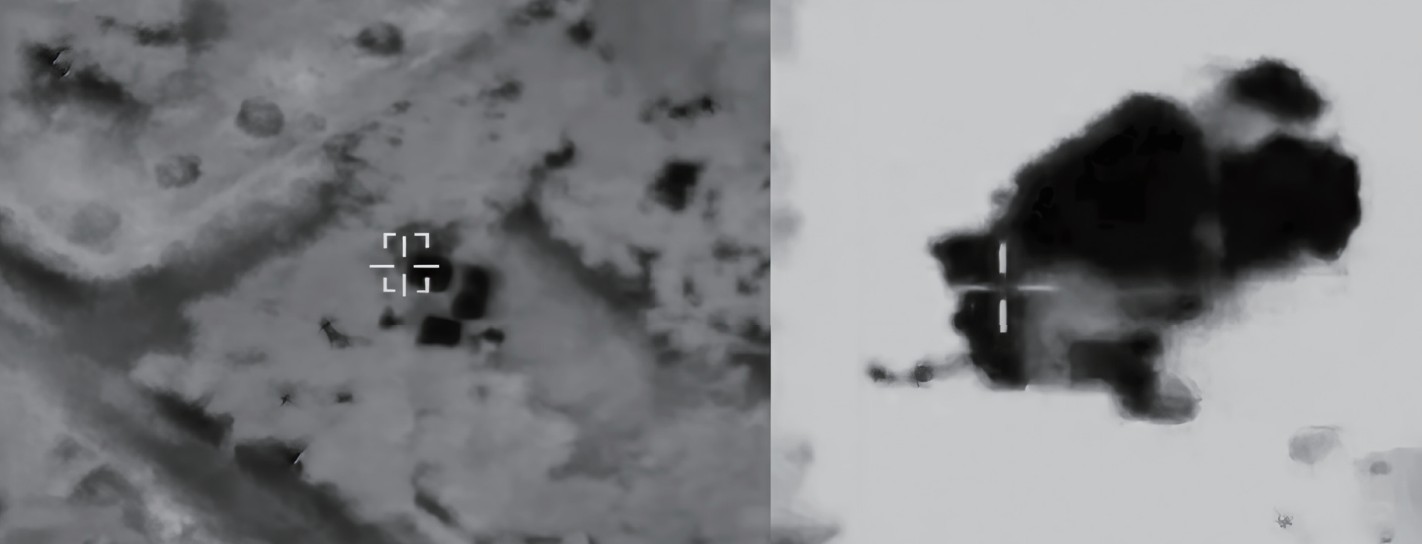
[Figure 7] Precision strike by Iron Sting guided mortar round
* Source: Israeli military website
The rounds were first used on Gaza’s southern front and later on the northern front. Because Iron Sting can precisely engage personnel and vehicles in urban environments—even reaching through windows—it provides the IDF a significant tactical advantage. Its precision reduces collateral damage and has demonstrably lowered civilian casualties in engagements where it was employed.
Assessment
In 2021, Yaniv Rotem, head of the Ministry of Defense’s weapons development bureau, said Iron Sting brings precision to infantry forces that was previously available only from missiles or air-delivered systems. Arik Avivi, director of the Army’s ground-weapons department, said the round extends precision-strike capability—once limited to brigade and division levels—down to the battalion level. Defense Minister Benny Gantz described Iron Sting as a means to fight enemies hiding among civilians while adhering to legal and ethical standards. Critics caution, however, that overconfidence in the system’s accuracy could lead commanders to engage targets dangerously close to friendly forces, increasing fratricide risk.
Implications
Iron Sting’s combination of laser and GPS guidance, sub-1 m CEP, and reinforced-concrete penetration makes it well suited for striking underground facilities and hardened urban targets. Israeli 120mm mortar platforms use smoothbore tubes with a modular design that allows switching to rifled barrels if required. Retrofit precision kits that attach to conventional rounds promise lower operating costs for guided munitions. The system’s operational utility was validated during ground operations in Gaza, and it has potential as an export offering.
South Korea began fielding 120mm self-propelled mortars in 2022 to replace the older armored-vehicle-mounted 4.2-inch system and to strengthen mechanized formations’ fire-support. The ROK armed forces currently employ their 120mm mortars primarily for area fires using unguided ammunition. Given mechanized units’ higher likelihood of urban engagements, Israel’s development and combat use of 120mm precision-guided mortar rounds offer relevant lessons for the ROK military’s force development and operational concepts.